






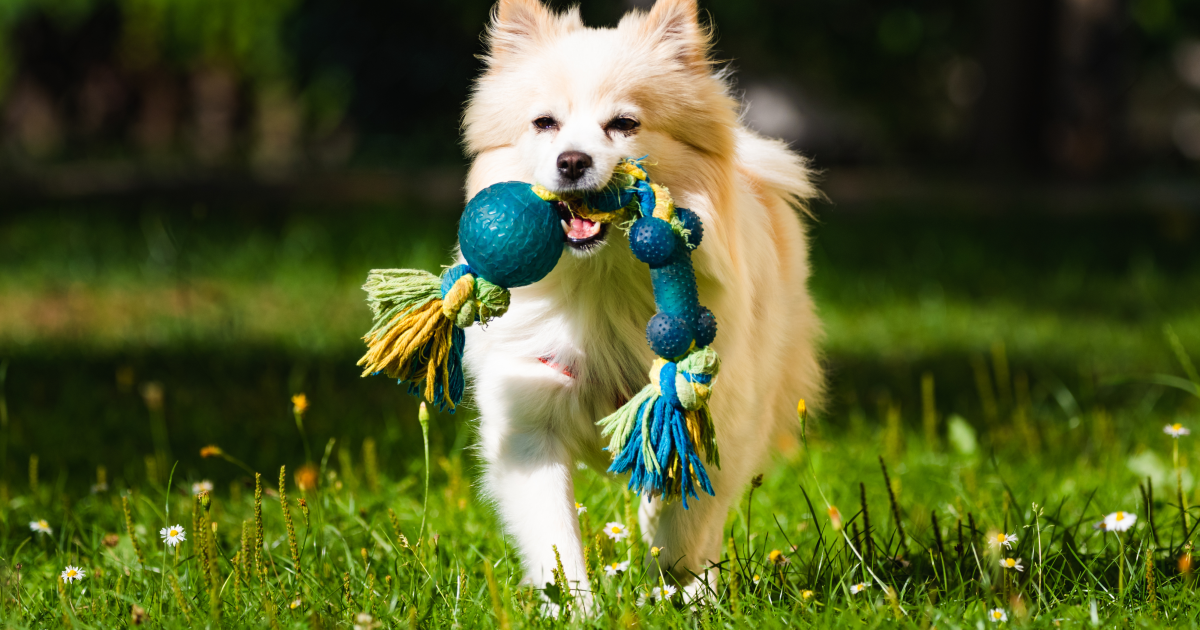
Have you ever noticed your dog whining while playing with a toy and wondered why? It can be puzzling and even a little concerning.
Your furry friend’s whines might seem like a sign of discomfort or distress, but often, there’s more to it. Understanding why your dog makes these sounds can help you connect better and ensure their playtime is fun and safe. Keep reading to discover the surprising reasons behind this behavior and what it means for your dog’s happiness.
Common Whining Sounds
Dogs often make whining sounds while playing with toys. These sounds can mean different things. Understanding these sounds helps you know your dog better.
Whining is a way dogs communicate feelings like excitement or frustration. Not all whining sounds are the same. Pay attention to when and how your dog whines.
Different Types Of Whines
Dogs have many whining sounds. Some are soft and happy. Others are loud and urgent. Each type shows a different feeling or need.
- High-pitched whines often show excitement or joy.
- Low-pitched whines can mean frustration or discomfort.
- Short, quick whines may ask for attention.
- Continuous whining might show anxiety or stress.
Knowing these types helps you respond to your dog’s needs during playtime.
When Whining Happens
Dogs whine at different moments while playing with toys. These moments reveal why they make these sounds.
- When they want to start playing and need your attention.
- When a toy is hard to catch or hold.
- If they feel unsure about the toy or the game.
- When they get tired or want a break.
- If they want to share or show off their toy.
Watching when whining happens helps you understand your dog’s mood and needs better.
Emotions Behind Whining
Dogs use whining to show how they feel. When your dog whines while playing with a toy, it is often a sign of emotion.
Understanding these emotions helps you connect better with your pet. Let’s explore why dogs whine during playtime.
Excitement And Joy
Whining can mean your dog feels very happy. Playing with a favorite toy can make them excited.
- Your dog may whine when they find a new toy.
- They show their eagerness to play and have fun.
- Whining can happen when your dog wants you to join their game.
Frustration And Stress
Sometimes whining means your dog feels upset. They may not be able to get a toy free or might feel confused.
| Cause | How Dog Feels |
| Toy stuck in mouth | Frustrated |
| Other pets take toy | Stressed |
| Not sure how to play | Anxious |
Attention Seeking
Your dog may whine to get your attention. They want you to notice their play or join them.
Signs your dog seeks attention while whining:
- Looking at you while whining
- Bringing the toy close to you
- Stopping play and waiting for your response
Physical Causes
Dogs may whine while playing with toys for several physical reasons. Understanding these causes can help you respond properly.
Here are some common physical reasons that make dogs whine during playtime.
Pain Or Discomfort
Your dog might whine if it feels pain or discomfort while playing. Toys can hurt if they are too hard or sharp.
- Teeth or gum pain from biting hard toys
- Joint pain making movement uncomfortable
- Injuries like cuts or bruises from rough play
- Muscle strain from sudden or intense activity
If whining happens often during play, check the toy and your dog’s body for signs of pain.
Tiredness And Overstimulation
Dogs sometimes whine because they are tired or overstimulated. Playing too long can make them feel overwhelmed.
| Cause | Signs |
| Tiredness | Heavy breathing, slower movements, whining |
| Overstimulation | Restlessness, barking, whining, sudden bursts of energy |
Watch your dog’s energy and behavior during play. Give breaks to help them relax and enjoy the game safely.
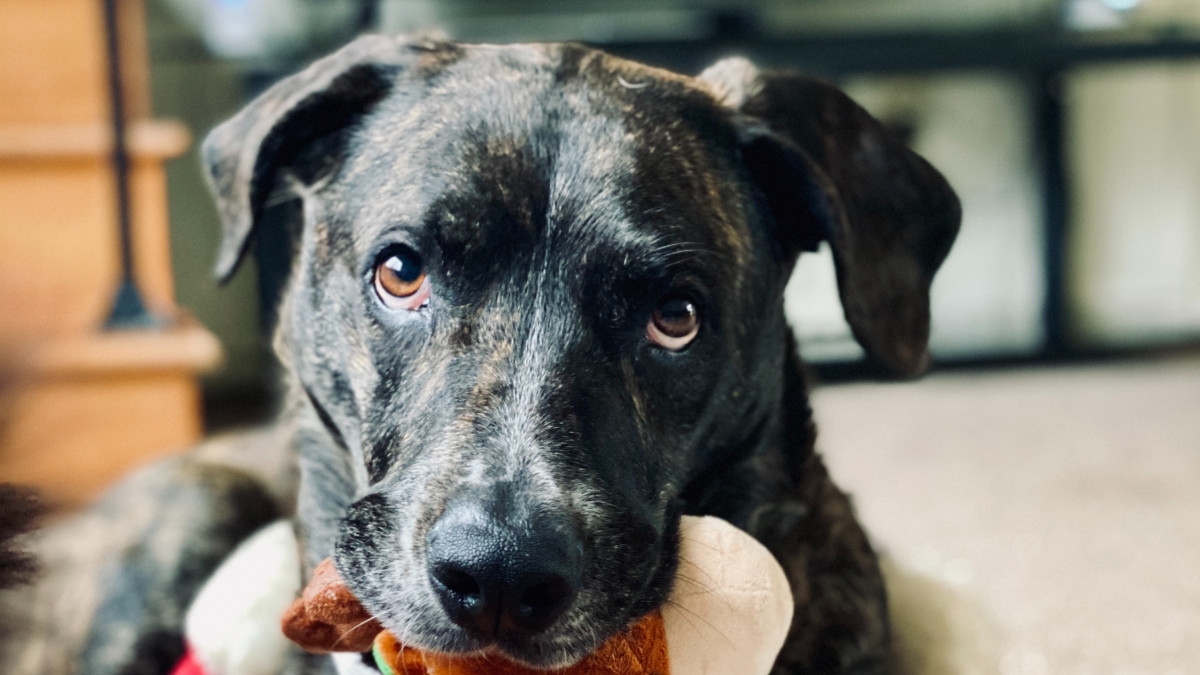
Credit: pethelpful.com
Communication Signals
Dogs use whining as a way to send messages. It helps them share feelings and needs.
When your dog whines while playing with a toy, it is trying to communicate something to you or others.
Expressing Needs
Whining shows that your dog wants something. It could be more playtime, attention, or help.
- Asking for help if the toy is stuck or hard to chew
- Showing excitement or frustration during play
- Requesting you to join the play
- Signaling discomfort or pain with the toy
Interacting With Owners
Dogs use whining to connect with their owners. It is a way to get attention or share emotions.
| Why Dogs Whine | Owner’s Response |
| Want you to play with them | Join the game or offer a toy |
| Feeling unsure about the toy | Comfort and reassure your dog |
| Need a break or rest | Give your dog some quiet time |
| Trying to get your attention | Talk softly or pet them |
Breed And Personality Factors
Dogs whine during play for different reasons. Their breed and personality affect this behavior.
Some breeds whine more often. Personality also plays a big role in how dogs express themselves.
Whining Tendencies By Breed
Certain breeds are known to whine more while playing. This can be due to their energy levels or how vocal they are.
| Breed | Whining Behavior | Reason |
|---|---|---|
| Beagle | Frequent whining | High vocal nature |
| Border Collie | Moderate whining | High energy, alertness |
| Bulldog | Less whining | Calm and relaxed |
| Chihuahua | Frequent whining | Small size, alert |
| Labrador Retriever | Occasional whining | Friendly, playful |
Individual Temperament
Each dog has its own personality. Some dogs whine to get attention or show excitement.
- Shy dogs may whine to feel safe.
- Playful dogs whine when they want to keep playing.
- Anxious dogs may whine if stressed during play.
- Confident dogs often play quietly without whining.
- Dogs that like attention whine to engage their owner.
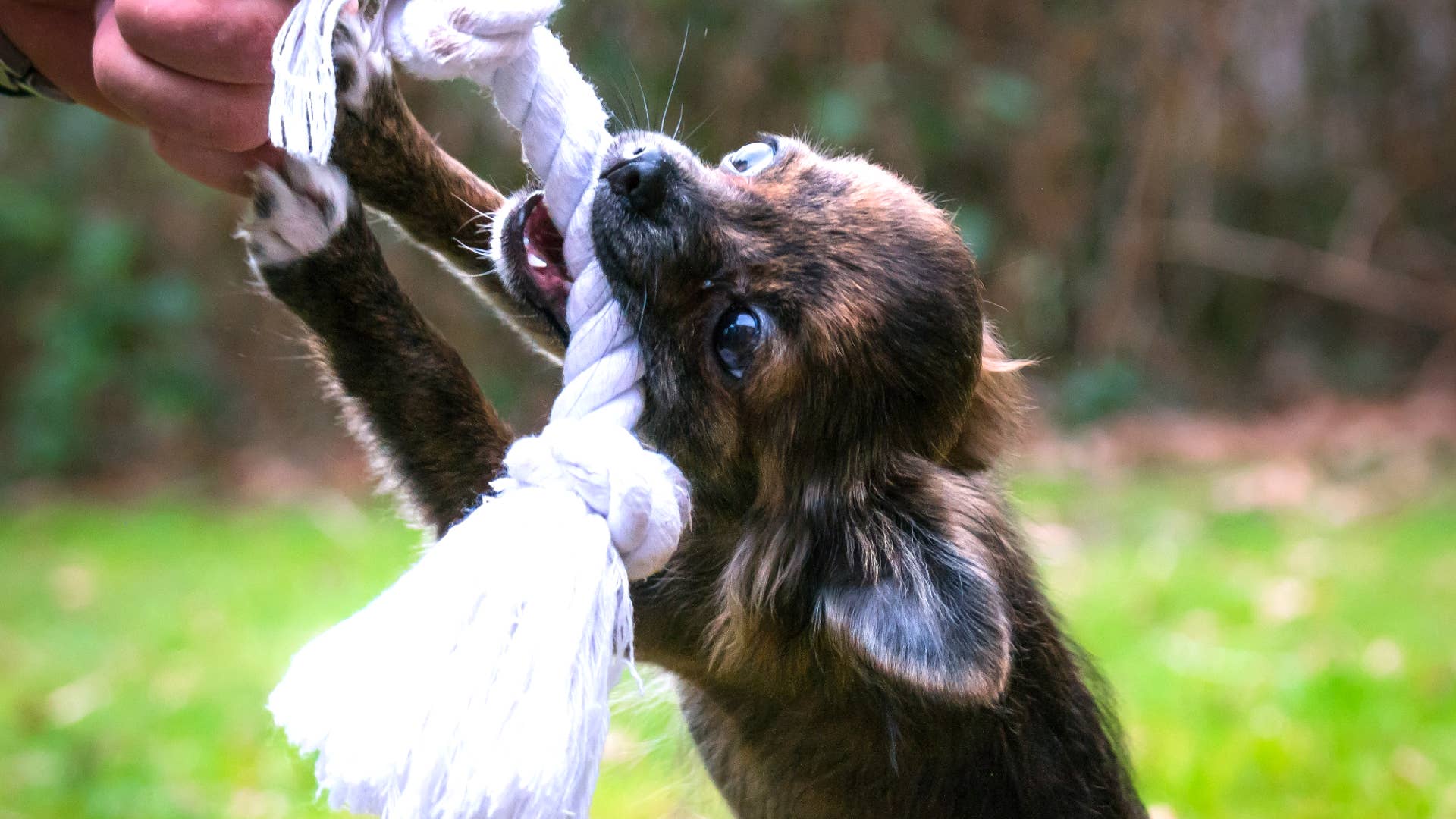
Credit: pethelpful.com
How To Respond
Dogs whine while playing with toys for many reasons. They might want attention or feel excited. Understanding your dog’s whining helps you respond well.
Knowing how to encourage good play and manage whining keeps playtime fun. It also helps your dog learn good habits.
Encouraging Positive Play
Positive play means your dog enjoys toys without getting upset or too noisy. You can help your dog play nicely by using these tips.
- Use toys your dog likes and finds interesting.
- Praise your dog when it plays quietly and gently.
- Give treats as rewards for calm behavior during play.
- Keep play sessions short and fun to avoid frustration.
- Switch toys often to keep your dog interested.
Managing Excessive Whining
Some dogs whine too much when playing. Too much whining can be a sign of stress or a call for attention. You can reduce this behavior with careful steps.
| Action | Why It Helps |
| Ignore whining during play | Stops rewarding the behavior |
| Give attention only when quiet | Teaches quiet is better |
| Provide plenty of exercise | Reduces excess energy |
| Use chew toys for distraction | Keeps dog busy and calm |
When To Consult A Vet
Sometimes whining means your dog might be hurt or unwell. Watch for these signs that need a vet’s help.
- Whining is loud, continuous, or seems painful.
- Your dog limps or avoids using a limb during play.
- There is swelling or sensitivity around the mouth or paws.
- Your dog loses interest in toys or usual play.
- Other unusual behaviors like excessive panting or hiding.

Credit: www.skipperspetproducts.com
Frequently Asked Questions
Why Does My Dog Whine During Playtime?
Dogs often whine during play to express excitement, frustration, or to seek attention. It’s their way of communicating feelings while engaging with their favorite toy.
Is Whining A Sign Of Discomfort With Toys?
Sometimes whining indicates discomfort or pain. Observe your dog’s behavior closely to ensure the toy isn’t causing any harm or distress.
Can Whining Mean My Dog Wants More Interaction?
Yes, whining can signal that your dog wants you to join the play or give more attention during playtime.
Does Whining Indicate Stress Or Anxiety During Play?
Whining may reflect mild stress or anxiety, especially if your dog feels challenged or overwhelmed by the toy or play situation.
Conclusion
Understanding why dogs whine during play helps build a stronger bond. It often signals excitement or a request for attention. Each dog is unique, with its own way of expressing emotions. Observing your dog’s behavior can offer valuable insights. Responding appropriately to their needs makes playtime enjoyable for both.
Remember, patience is key. Over time, you’ll learn what each whine means. Playing with your dog is more than fun; it’s a way to communicate. So next time your dog whines, listen closely. They’re talking in their own special way.
Embrace these moments and strengthen your connection.