


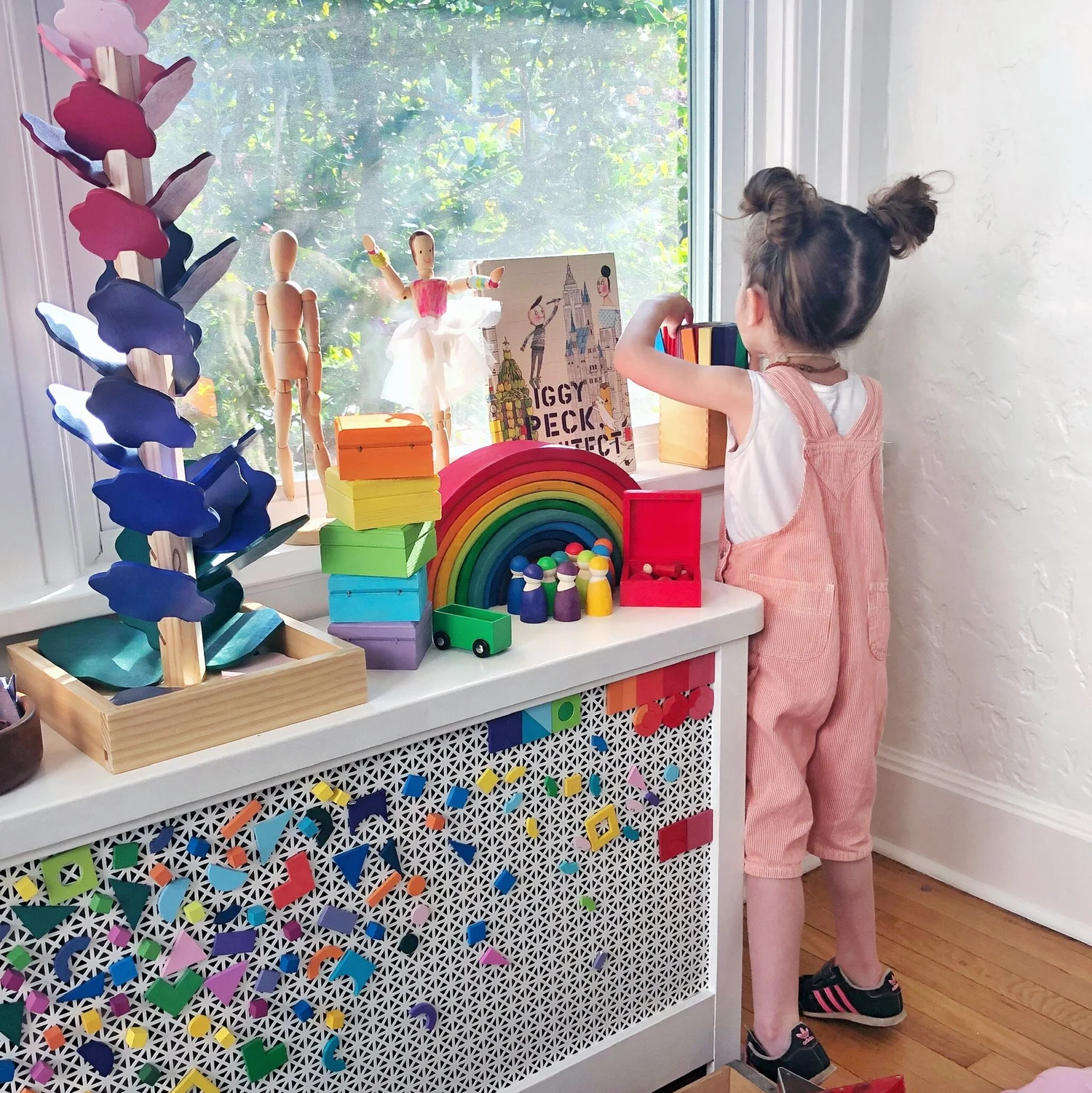
Have you ever wondered when kids actually stop playing with toys? It’s a question that might surprise you because the answer isn’t as simple as you think.
Whether you’re a parent, teacher, or just curious, understanding this moment can help you support your child’s growth and creativity better. Keep reading to discover the signs to watch for, why kids hold on to their toys longer than you expect, and how play evolves as they grow.
This insight could change the way you see childhood—and maybe even your own memories of play.
Early Childhood Play Patterns
Children use play to explore their world and learn new skills. Play changes as kids grow and develop.
Early childhood is a time of active and creative play. Kids enjoy different types of toys and games.
Role Of Imaginative Play
Imaginative play lets children act out stories and ideas. It helps them understand emotions and social roles.
Through pretend play, kids practice problem-solving and communication. It also builds creativity and confidence.
Types Of Toys Preferred
Young children like toys that are colorful and easy to use. Simple puzzles, blocks, and dolls are common favorites.
- Building blocks encourage construction and design
- Figurines support role-playing and storytelling
- Art supplies promote creativity and expression
- Simple puzzles help with thinking and coordination
Developmental Benefits
Play helps children grow physically, mentally, and emotionally. It improves skills needed for school and life.
- Fine motor skills develop with hands-on toys
- Language skills improve through talking and storytelling
- Social skills grow by playing with others
- Emotional skills build through role-playing feelings

Credit: parade.com
Toys And Tweens
Kids often play with toys for many years, but their interests change as they grow. Tweens, usually ages 9 to 12, start playing less with traditional toys.
This stage shows a mix of old and new hobbies. Understanding when kids stop playing with toys helps parents support their growth.
Shifts In Interests
Tweens begin to explore new interests like sports, books, or music. Toys that once excited them may seem less fun.
They want activities that match their growing skills and social needs. This shift causes many to stop playing with younger kids’ toys.
- More focus on hobbies and clubs
- Interest in creative projects or technology
- Less time spent on simple toys
Social Influences On Play
Tweens care more about what their friends like. Peer pressure affects their toy choices and playtime.
They may stop playing with toys seen as “for little kids” to fit in with their social group.
- Friends’ interests guide toy use
- Group activities replace solo play
- New social rules change play habits
Emergence Of Technology
Tweens spend more time on phones, tablets, and computers. Digital games and apps can replace traditional toys.
Technology offers new ways to play and learn. This shift often leads to less interest in physical toys.
- Video games attract tweens’ attention
- Online social games connect friends
- Educational apps support learning
Teenage Play Habits
Many kids stop playing with toys as they grow older. Teenagers often change how they spend their free time. Play habits shift from simple toys to other activities.
This change happens for many reasons. Understanding these reasons helps us see how teens enjoy play differently than younger children.
Decline In Traditional Toys
Traditional toys like dolls, action figures, and building blocks lose appeal during teenage years. Teens often find these toys less interesting. They want activities that feel more grown-up.
- Less time for simple toys
- More focus on hobbies and sports
- Interest in social and creative activities
- Preference for complex challenges
Rise Of Digital Games
Digital games become a popular form of play for teenagers. They offer excitement and social connection. Many teens spend hours playing video games or using apps.
| Type of Digital Play | Description |
| Console Games | Played on devices like PlayStation or Xbox |
| Mobile Games | Games on smartphones and tablets |
| Online Multiplayer | Playing with friends over the internet |
| Educational Apps | Games that teach skills or facts |
Peer Group Impact
Friends and classmates affect how teens play. Teens often choose play activities that their peer group enjoys. This support helps them feel accepted and part of a group.
Common peer group influences on play:
- Joining sports teams or clubs
- Playing popular digital games together
- Sharing hobbies like music or art
- Trying new activities to fit in

Credit: parade.com
Factors Affecting Play Duration
Children stop playing with toys at different ages. Many reasons affect how long they enjoy playing.
Understanding these factors helps parents support healthy play habits for their kids.
Personality Traits
Each child has a unique personality that shapes their playtime. Some kids love playing for hours.
Others prefer shorter play sessions and may lose interest quickly. Shy children might play alone more.
- Active kids often play longer with toys
- Quiet kids may prefer short, focused play
- Curious children switch toys to explore more
- Children who like routine might stick to favorite toys
Parental Attitudes
Parents’ views about toys affect how long kids play with them. Supportive parents encourage playtime.
If parents limit screen time, children might play longer with toys. Some parents join their kids to play.
- Positive encouragement increases playtime
- Parental involvement keeps children interested
- Strict rules may reduce play duration
- Allowing free play helps kids enjoy toys more
Cultural Differences
Culture shapes how children play and when they stop using toys. Different cultures value play in various ways.
Some cultures encourage early responsibility, which may shorten playtime. Others see play as a key part of learning.
- In some cultures, play ends earlier due to chores
- Other cultures keep play important during school years
- Toys and games vary widely between cultures
- Social play is stronger in cultures with community focus
Keeping Play Alive
Children often stop playing with toys as they grow older. Their interests change, and they seek new activities. Still, play remains important at every age.
Keeping play alive helps kids learn, relax, and stay creative. It supports their growth beyond just entertainment.
Benefits Of Continued Play
Playing helps children develop social skills and problem-solving abilities. It also reduces stress and improves mood.
Even older kids gain from play by staying curious and active. It supports their mental and physical health.
- Boosts creativity and imagination
- Enhances communication and teamwork
- Improves focus and patience
- Supports physical fitness
- Promotes emotional well-being
Creative Play Alternatives
As kids grow, they may prefer new ways to play. Outdoor activities, arts, and puzzles offer fun and learning.
These alternatives keep play fresh and exciting. They encourage different skills and interests.
- Building forts or obstacle courses
- Drawing, painting, or crafting
- Playing sports or riding bikes
- Solving puzzles and brain games
- Role-playing and storytelling
Incorporating Play In Daily Life
Parents and caregivers can add play to everyday routines. This helps children enjoy learning and relax.
Simple ways include family game time, creative breaks, and active play outdoors.
- Set aside daily time for fun activities
- Use play to teach new skills
- Encourage group play with friends or family
- Include creative materials at home
- Make outdoor play a regular habit
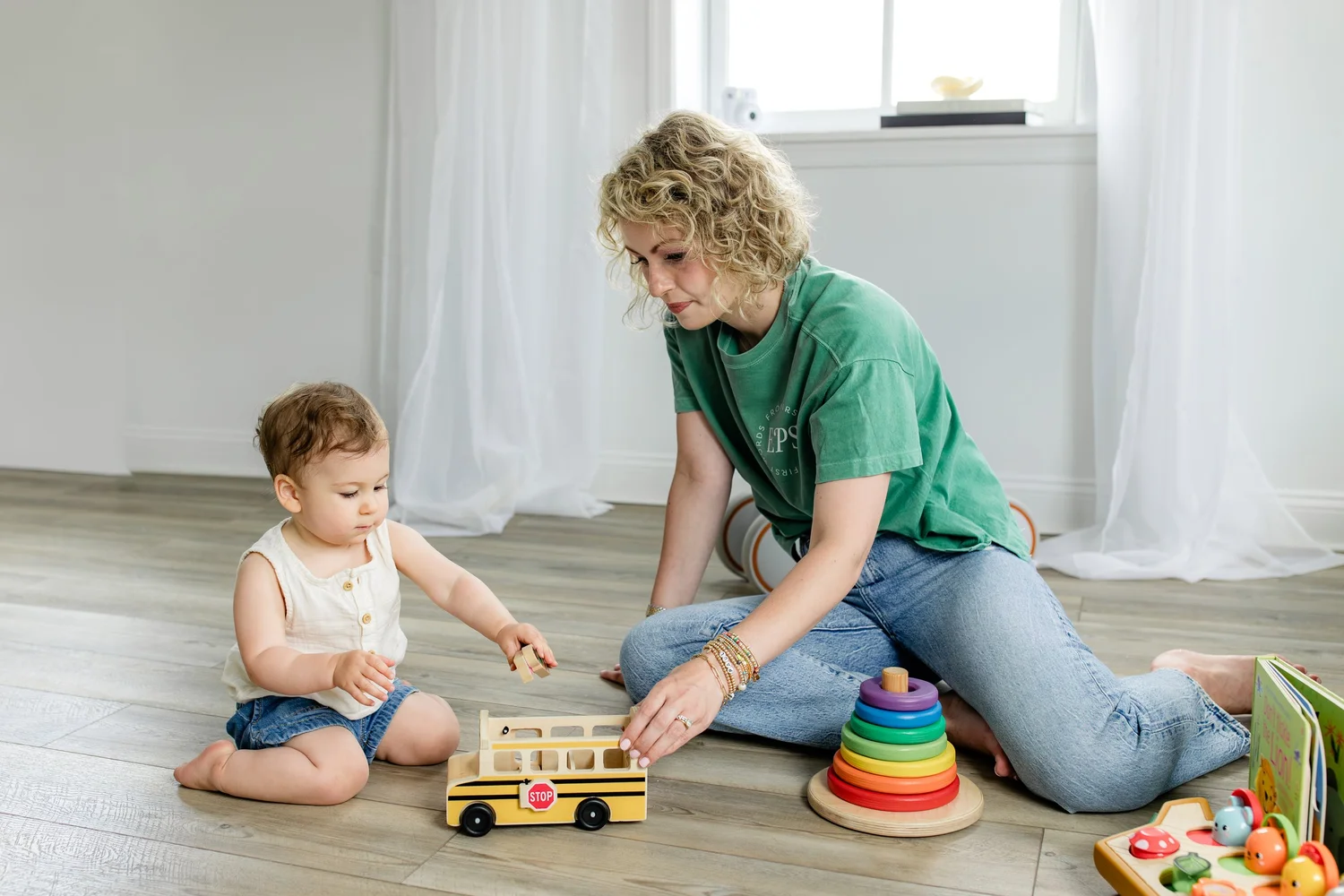
Credit: www.eatplaysay.com
Frequently Asked Questions
When Do Kids Typically Stop Playing With Toys?
Most kids start losing interest in toys around ages 10 to 12. They shift focus to social activities and hobbies. However, this varies depending on individual preferences and developmental stages.
What Influences Kids To Stop Playing With Toys?
Children’s interests, peer influence, and age impact their toy usage. As they grow, they seek more complex and social forms of entertainment. Technology and digital games also play a significant role.
Can Children Play With Toys Beyond Certain Ages?
Yes, many children and even adults enjoy toys as collectibles or for creative play. Playing with toys can support imagination and stress relief at any age.
How Do Interests Change As Kids Grow Older?
Kids transition from simple toys to video games, sports, and social activities. Their play becomes more interactive and skill-based, reflecting their cognitive and emotional growth.
Conclusion
Kids gradually move on from toys as they grow older. Interests change over time. New hobbies and activities take their place. Social interactions become more important. This shift is natural and varies for each child. Some may stop earlier, others later.
Parents can support this transition. Encourage exploration of new interests. Celebrate each stage of growth. Toys will always hold cherished memories. They shape creativity and imagination. Childhood is a journey, and toys play a crucial part. Understanding this journey helps parents guide their children.
Every step is a valuable experience. Embrace the changes with joy and patience.