


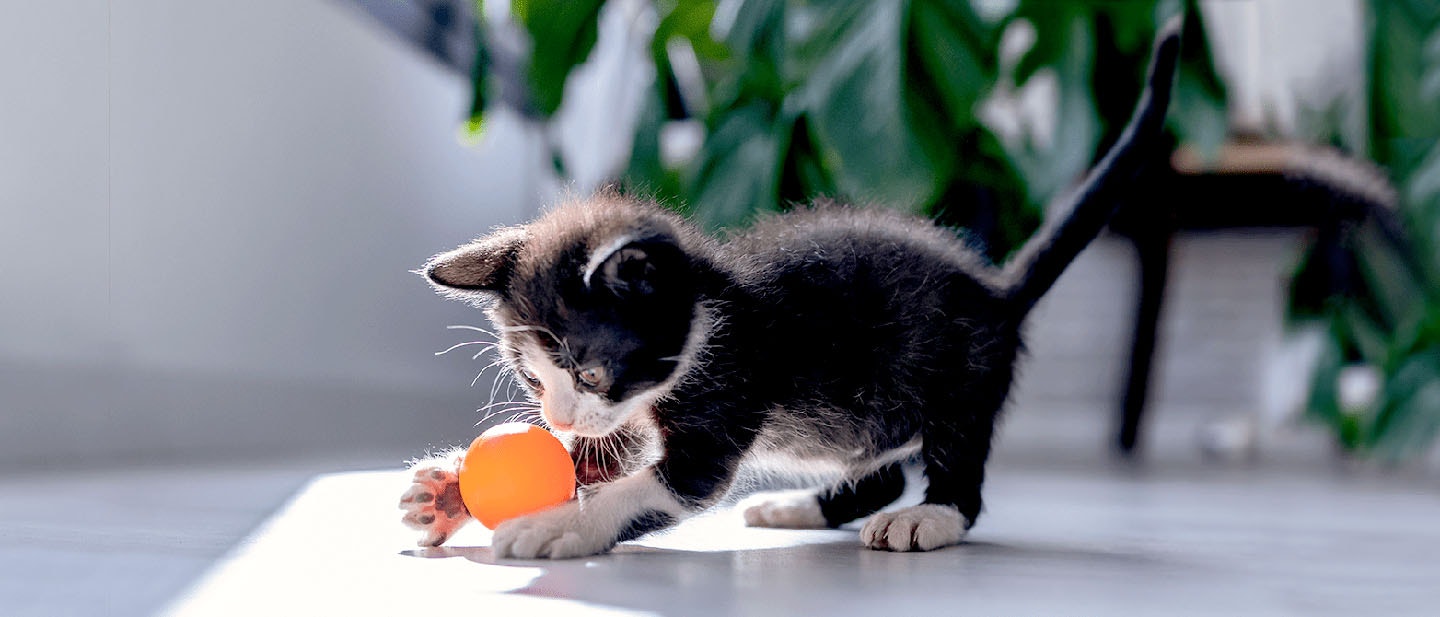
Have you ever wondered when your kitten will start playing with toys? Watching a tiny kitten discover the joy of play is one of the most delightful moments for any pet owner.
But understanding exactly when this playful stage begins can help you choose the right toys and keep your furry friend happy and healthy. You’ll learn the perfect age for kittens to start playing with toys and how you can encourage their natural curiosity.
Keep reading to unlock the secrets to your kitten’s playful world!
When Kittens Start Playing
Kittens begin to show playful behavior as they grow. Play helps them learn and develop skills.
Knowing when kittens start playing can help you provide the right toys at the right time.
Early Reflexive Movements
In the first two weeks, kittens mainly show reflexive movements. They twitch and kick but do not play yet.
- Newborn kittens cannot see well.
- Their movements are automatic, not intentional.
- They respond to touch and warmth from their mother.
- Play behavior has not started in this stage.
First Interactions With Objects
Between three and four weeks, kittens start to explore objects. They use their paws and mouths to touch toys.
| Age (Weeks) | Behavior | Play Signs |
| 3 | Starts noticing objects nearby | Batting at small toys |
| 4 | Begins chasing moving things | Pouncing and biting toys |
| 5 | Improved coordination | More active play with littermates and toys |

Credit: www.roundwoodvets.co.uk
Peak Playful Ages
Kittens love to play with toys as part of their growth. Play helps them learn about their world and develop skills.
The most playful times for kittens are between four and twelve weeks old. Their play changes as they grow.
Exploratory Play At 4 To 8 Weeks
Kittens start to explore with toys around four weeks old. They use toys to practice hunting and pouncing skills.
At this age, kittens enjoy soft and small toys. These toys are easy to carry and bat around.
- Soft balls
- Small stuffed mice
- Feather wands
Increased Activity At 8 To 12 Weeks
Kittens become more active from eight weeks to twelve weeks. Their play is faster and more energetic.
They like toys that move or make noise. These toys help improve their coordination and strength.
- Interactive laser pointers
- Crinkle balls
- Wand toys with feathers
Types Of Toys Kittens Prefer
Kittens love to play with different toys. Playing helps them grow and learn new skills. Toys keep them active and happy.
Some toys suit kittens better than others. Their choices depend on their age and natural instincts. Let’s look at popular kitten toys.
Soft And Small Toys
Soft and small toys are gentle for kittens to bite and carry. These toys are easy to paw at and hold in their mouths.
- Plush mice
- Mini stuffed balls
- Soft fabric shapes
- Small pillows
Interactive And Moving Toys
Kittens enjoy toys that move or react to their actions. These toys keep kittens curious and encourage play.
| Toy Type | How It Works | Benefits for Kittens |
| Battery-operated mice | Moves on its own | Stimulates chasing instincts |
| Laser pointers | Shines a light spot | Encourages quick reflexes |
| Wand toys | Human moves toy on string | Promotes interaction and exercise |
Toys That Encourage Hunting Instincts
Kittens have a natural hunting instinct. Toys that mimic prey help develop this skill. These toys keep kittens focused and active.
- Feather teasers
- Crinkle balls
- Small moving toys that mimic bugs
- Catnip-filled toys shaped like prey

Credit: www.reddit.com
Benefits Of Play For Kittens
Kittens start playing with toys at about three to four weeks old. Playtime is very important for their growth and learning. It helps kittens use their energy in a positive way.
Playing with toys also helps kittens learn new skills. It keeps them happy and healthy as they grow.
Physical Development
Playing helps kittens build strong muscles and improve coordination. It trains their paws, legs, and eyes to work together. This makes them better at jumping and running.
Active play also helps kittens keep a healthy weight. It prevents problems like obesity and weak bones later in life.
Mental Stimulation
Playing with toys keeps a kitten’s mind sharp. It teaches them how to solve problems and think quickly. This helps them stay curious and alert.
When kittens chase or catch toys, they practice focus and patience. These skills help them learn new things faster.
Social Skills Building
Toys help kittens learn how to play gently with other cats and people. They practice sharing and taking turns. This helps reduce biting and scratching.
Playing also builds trust between kittens and their owners. It helps them feel safe and loved in their home.
When Play Behavior Changes
Kittens start playing with toys soon after birth. Play helps them learn skills. Their interest in toys changes as they grow.
Understanding these changes helps owners choose the right toys. It also helps keep cats active and happy.
Reduced Toy Interest After Six Months
After about six months, kittens often show less interest in toys. This change happens as they move from kittenhood to adolescence.
- Kittens focus more on social interactions than toys.
- They may prefer resting or exploring over playing.
- Some still enjoy toys but for shorter times.
- Energy levels can vary widely between cats.
Transition To Adult Play Styles
Adult cats play differently than kittens. Their play is less about learning and more about exercise and hunting instincts.
| Play Type | Kittens | Adult Cats |
| Duration | Long and frequent | Short and occasional |
| Intensity | High energy bursts | Controlled and focused |
| Toy Preference | Small, moving toys | Toys mimicking prey |
| Purpose | Learning and socializing | Exercise and hunting |
Encouraging Safe Play
Kittens start playing with toys as early as 3 to 4 weeks old. Playtime helps them learn skills and burn energy. Keeping play safe is important for their health.
Choosing the right toys and watching play closely can stop accidents. This guide shows how to encourage safe play for your kitten.
Choosing Safe Toys
Select toys made for kittens with no small parts that can be swallowed. Soft, lightweight toys are best for little paws. Avoid strings or ribbons that can cause choking.
- Use toys designed for cats, not children
- Pick toys without sharp edges or loose pieces
- Check for non-toxic materials
- Replace toys that show wear or damage
Supervising Playtime
Always watch your kitten while it plays. Supervision helps prevent swallowing harmful objects. It also stops rough play that can hurt the kitten or others.
- Set aside playtime each day
- Stay close during active play
- Remove unsafe toys right away
- End play if your kitten gets too rough
Avoiding Common Playtime Hazards
Some hazards are easy to miss. Keep your kitten safe by knowing what to avoid and how to act fast.
| Hazard | Risk | Prevention |
| Small parts | Choking or swallowing | Use kitten-safe toys only |
| Strings and ribbons | Strangulation or blockage | Remove after playtime |
| Sharp objects | Cuts and injuries | Keep out of reach |
| Unsupervised play | Accidents or damage | Always watch kitten |

Credit: zachspetshop.com.au
Frequently Asked Questions
What Age Do Kittens Start Playing With Toys?
Kittens usually start playing with toys around 3 to 4 weeks old. At this age, they begin to explore their environment. Playing with toys helps them develop motor skills and coordination. It also provides essential mental stimulation and promotes healthy growth.
Why Do Kittens Play With Toys?
Kittens play with toys to hone their hunting instincts. Toys mimic prey, allowing kittens to practice pouncing and stalking. This playtime helps improve their agility and coordination. It also provides mental stimulation and keeps them active and entertained.
How Often Should Kittens Play With Toys?
Kittens should play with toys several times a day. Short play sessions are ideal for maintaining their interest. Frequent play helps them burn off energy and stay fit. It also strengthens their bond with humans and other pets.
What Are The Best Toys For Kittens?
The best toys for kittens are those that mimic prey. Wand toys, balls, and small stuffed animals are popular choices. Interactive toys that move or make noise can capture their attention. Safety is crucial, so choose toys without small parts they can swallow.
Conclusion
Kittens start playing with toys as early as a few weeks old. Play helps them learn and grow strong. Toys keep kittens active and happy every day. Choose safe and soft toys for tiny paws. Watch how your kitten explores and enjoys playtime.
Playtime builds bonds between you and your pet. Keep toys clean and replace broken ones quickly. Enjoy these playful moments—they pass by very fast. Every kitten loves to chase, pounce, and explore. Toys make their early life fun and full of joy.