






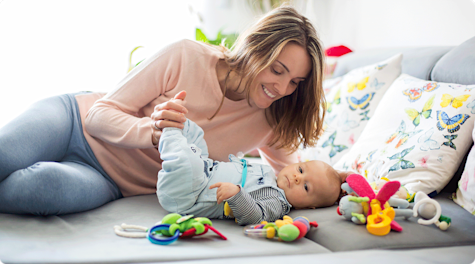
You’re probably eager to see your newborn smile, grab, or even show interest in toys. But when do newborns actually start playing with toys?
Understanding this moment can help you support your baby’s growth and enjoy those magical first interactions. Keep reading to discover the signs to watch for, the best types of toys for your little one, and how to make playtime both fun and beneficial.
You won’t want to miss these simple tips that can make a big difference in your baby’s development.
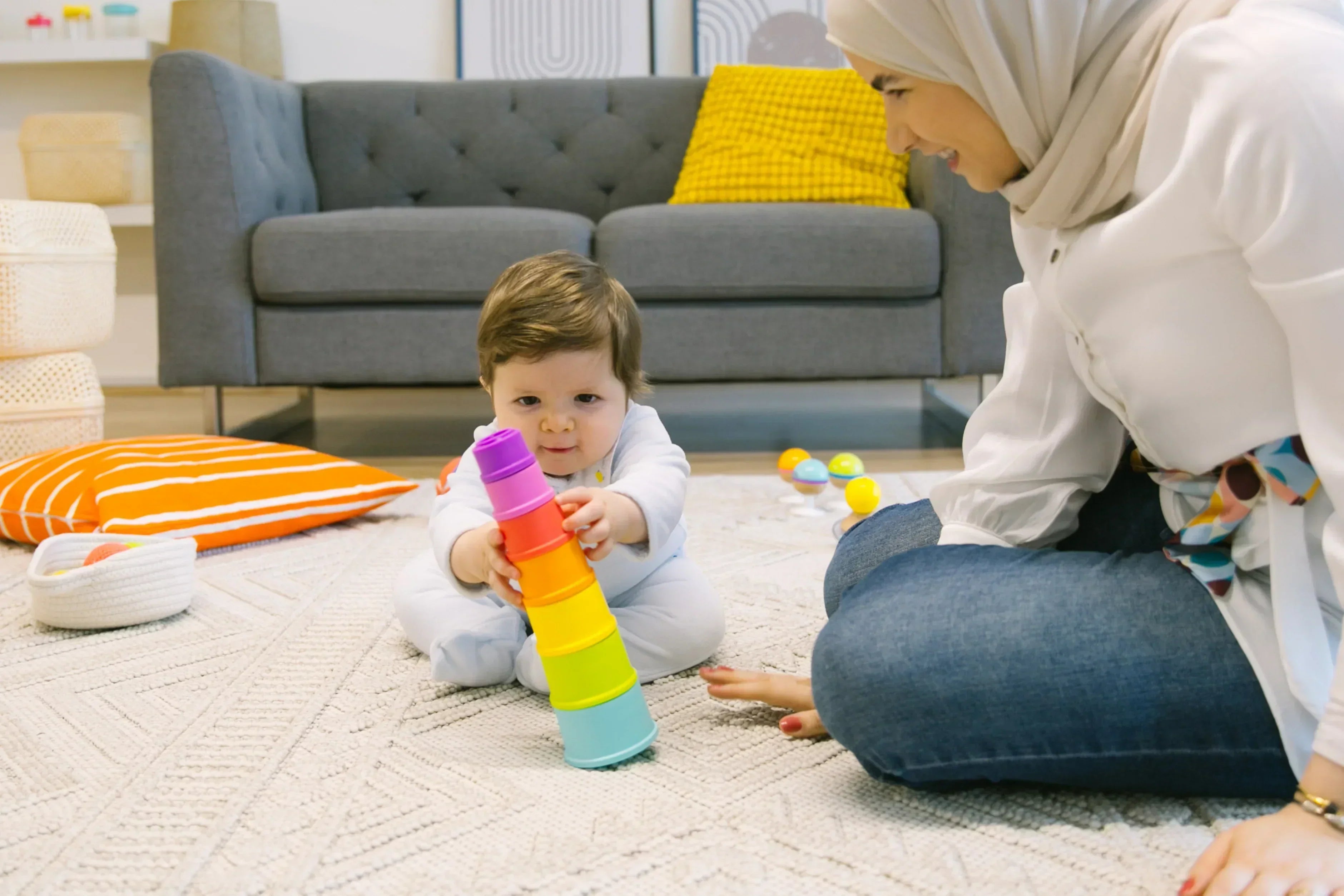
Credit: monkibox.com
Early Toy Interaction
Newborns begin to explore toys early in life. Their play starts with simple movements.
These early interactions help build skills needed for later play and learning.
Reflexive Movements
Newborns show reflexive movements when they touch or hold toys. These actions are automatic responses.
- Grasp reflex causes them to hold a toy tightly.
- Sucking reflex may lead them to mouth toys.
- Startle reflex makes them react to sudden toy movements.
Visual Tracking
Babies start to follow moving toys with their eyes by about 6 to 8 weeks. This skill improves over time.
| Age | Visual Tracking Ability |
| 0-2 weeks | Limited, mostly reflexive |
| 4-6 weeks | Begins to follow slow movements |
| 8 weeks | Tracks toys side to side |

Credit: www.youtube.com
Grasping And Holding
Newborns start to explore the world by using their hands. Grasping and holding toys helps their brain and muscles grow strong.
At first, babies learn to reach and grab. This skill develops in the first few months after birth.
First Reach And Grab
Babies begin to reach for objects around two months old. Their movements may be clumsy at first. By four months, they can hold toys for a short time.
- At 2 months, babies swipe at toys but may miss.
- At 3 months, they can grab soft toys with help.
- At 4 months, they hold toys and bring them to their mouth.
Types Of Toys For Grasping
Toys that are easy to hold help babies practice grasping. Toys with different textures and sizes keep their interest.
| Toy Type | Description | Benefits |
| Soft Rattles | Light and easy to hold | Encourage shaking and holding |
| Teething Rings | Textured and safe to chew | Help soothe gums and improve grip |
| Small Blocks | Sized for little hands | Support finger strength and coordination |
| Cloth Books | Soft with different fabrics | Stimulate touch and grasping |
Exploring With Mouth
Newborns use their mouths to learn about the world. This is a natural way for them to explore toys.
Mouthing helps babies discover shapes, textures, and tastes. It also soothes their gums during teething.
Why Babies Mouth Toys
Babies put toys in their mouths to understand objects better. Their mouths have many nerve endings that send information to the brain.
- Mouthing helps with sensory development.
- It relieves discomfort from teething.
- Babies explore the size and shape of toys through their mouths.
- This behavior is a natural part of learning.
Safe Toy Choices
Choose toys that are safe for babies to mouth. Avoid small parts that can break off or cause choking.
| Feature | Why It Matters |
| Non-toxic materials | Prevents harmful chemical exposure |
| Soft but firm texture | Comforts sore gums without breaking |
| Easy to clean | Reduces risk of germs and bacteria |
| No small parts | Prevents choking hazards |
Developing Hand-eye Coordination
Newborns begin to develop hand-eye coordination as they grow. This skill helps babies learn to control their hand movements while watching what they do.
Playing with toys supports this development by encouraging babies to reach, grasp, and explore objects.
Reaching Milestones
Babies start reaching for toys around 3 to 4 months old. This shows they are learning to coordinate their eyes and hands.
By 5 to 6 months, many babies can grab and hold toys firmly. This is an important step in hand-eye coordination.
- 1 to 3 months: Focus on objects but cannot reach yet
- 3 to 4 months: Begin reaching and swiping at toys
- 5 to 6 months: Grab and hold toys intentionally
- 7 to 9 months: Transfer toys between hands
Interactive Toys
Interactive toys help babies practice hand-eye coordination. Toys with different textures and shapes catch their attention.
Examples include rattles, soft blocks, and toys that make sounds when touched. These toys invite babies to reach out and explore.
- Rattles encourage shaking and grasping
- Soft blocks promote stacking and holding
- Toys with buttons teach pressing and releasing
- Bright colors and patterns attract visual focus
Engaging Senses Through Play
Newborns start to explore the world using their senses. Playing with toys helps them learn about different textures, sounds, and sights. These experiences support their brain growth and skill development.
Introducing toys at the right time encourages babies to use touch, sight, and hearing. This sensory play creates strong connections in their brain.
Tactile Experiences
Newborns love to touch and feel different surfaces. Soft blankets, textured toys, and gentle fabrics give them important tactile input. This sense helps babies understand the world around them.
By reaching and grabbing toys, babies develop their hand strength and coordination. They also learn cause and effect when they squeeze or move objects.
- Soft stuffed animals
- Textured balls
- Silky ribbons or tags
- Rubber teething rings
Visual And Auditory Stimuli
Newborns are attracted to bright colors and high-contrast patterns. Toys with simple shapes and bold colors catch their attention. These visuals help babies focus and track objects.
Sounds like rattles, bells, or crinkly fabric teach babies about cause and effect. Listening to different noises supports their hearing and language skills.
- Toys with black and white patterns
- Colorful mobiles
- Rattles and shakers
- Soft music boxes
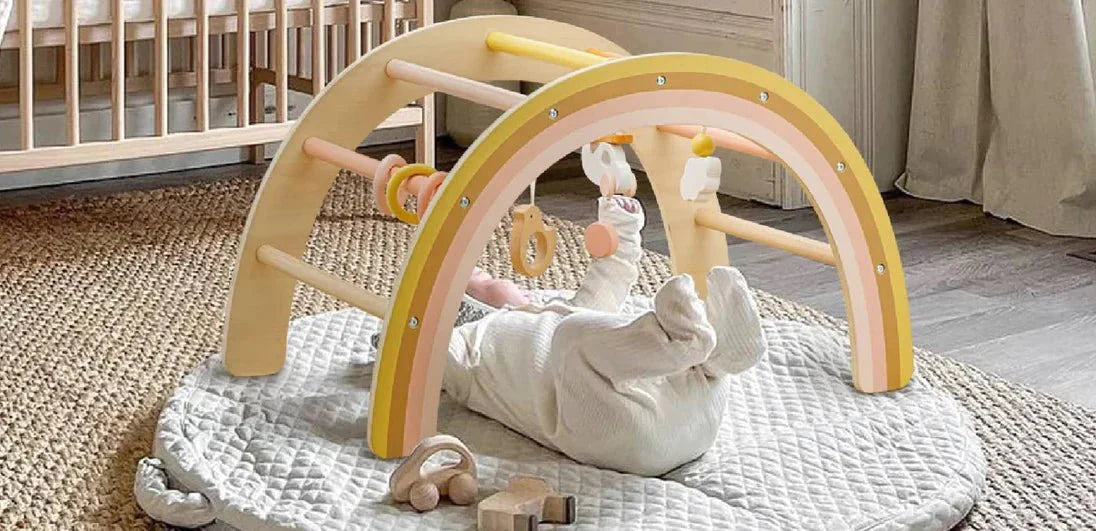
Credit: www.tinylandus.com
Encouraging Motor Skills
Newborns start to explore their world through play. Toys help them learn to move and control their bodies. Early play supports strong motor skill development.
Parents can use specific toys to encourage babies to reach, grasp, and kick. These movements build muscles and coordination needed for later milestones.
Tummy Time Toys
Tummy time toys motivate babies to lift their heads and push up. This activity strengthens neck, shoulder, and arm muscles. Toys with bright colors and interesting shapes work best.
- Soft mirrors to see their reflection
- Textured balls for touching and grabbing
- Rattles that make noise when moved
- Small stuffed animals with different fabrics
Encouraging Movement
Movement toys help babies practice kicking, reaching, and rolling. These actions improve balance and muscle control. Some toys invite babies to push or pull gently.
| Toy Type | Motor Skill Encouraged | Example |
| Soft Balls | Grasping and Reaching | Lightweight fabric balls |
| Activity Gyms | Stretching and Kicking | Play mats with hanging toys |
| Push Toys | Balance and Walking | Small carts for support |
| Rattles | Hand Coordination | Easy-to-hold rattles |
Social Play And Interaction
Newborns begin to explore the world through social play. They learn a lot by interacting with people around them.
Playing with toys helps babies develop social skills and connect with their caregivers.
Responding To Caregivers
Babies respond to smiles, voices, and touch from caregivers. This builds trust and helps them feel safe.
- Babies watch faces closely to learn emotions.
- They smile back when smiled at.
- Babies make sounds to get attention.
- They reach out to touch caregivers’ faces or hands.
Interactive Play Objects
Toys that make sounds or move can catch a newborn’s attention. These objects encourage interaction and learning.
| Toy Type | How It Helps |
| Rattles | Encourage grasping and shaking |
| Soft books | Introduce textures and colors |
| Mirrors | Help babies recognize faces |
| Mobiles | Develop tracking skills with moving objects |
Choosing Age-appropriate Toys
Newborns start playing with toys as they grow and develop. Choosing toys that fit their age helps support learning and safety.
Toys for newborns focus on simple shapes, colors, and textures. These toys help babies explore their senses safely.
Safety Considerations
Safety is the top priority when choosing toys for newborns. Small parts can cause choking, so avoid toys with loose pieces.
Check that toys have no sharp edges or toxic materials. Always buy toys that meet safety standards for babies.
- Avoid toys with small parts under 1.25 inches
- Choose toys free from lead and harmful chemicals
- Inspect toys regularly for damage or loose parts
- Use only non-toxic paint and finishes
Toy Materials And Design
Toys for newborns should be made of soft, safe materials. Natural fabrics and smooth wood are good choices for babies.
Design simple toys with bright colors and different textures. These features help babies learn about their world through touch and sight.
- Use soft fabrics that are washable and gentle on skin
- Choose wooden toys with smooth surfaces and rounded edges
- Include toys with contrasting colors for visual development
- Offer different textures to stimulate touch
Frequently Asked Questions
When Do Babies Start Playing With Toys?
Babies typically begin showing interest in toys around 2 to 3 months old. During this time, they enjoy exploring textures and colors. As they grow, their interaction with toys develops, aiding in sensory and motor skills. Providing age-appropriate toys can stimulate their curiosity and encourage developmental milestones.
What Toys Are Suitable For Newborns?
For newborns, soft toys with contrasting colors and varied textures are ideal. Rattles and plush toys can engage their senses. Simple toys like these encourage visual tracking and tactile exploration. Ensure toys are safe, with no small parts, to prevent choking hazards, fostering a safe play environment for infants.
How Do Toys Benefit Newborn Development?
Toys play a crucial role in newborn development by stimulating sensory and motor skills. They encourage hand-eye coordination and cognitive growth. Engaging with toys helps babies learn cause and effect. Age-appropriate toys provide the right balance of challenge and engagement, promoting healthy development and curiosity.
Are Interactive Toys Necessary For Newborns?
Interactive toys are not necessary but can enhance sensory experiences for newborns. Simple toys with lights or sounds can capture their attention. However, moderation is key; too many stimuli can overwhelm a baby. Focus on toys that encourage exploration and interaction, fostering a balanced and enriching environment.
Conclusion
Newborns start exploring toys slowly in the first months. They learn by touching and looking at objects near them. Playing helps babies grow their senses and muscles. Parents should choose soft, safe toys for early play. Remember, every baby grows at their own pace.
Enjoy these moments; they build strong bonds and happy memories. Watching your baby play brings joy and helps learning. Keep encouraging gentle play as your baby grows. Toys become tools for discovery and fun over time.