


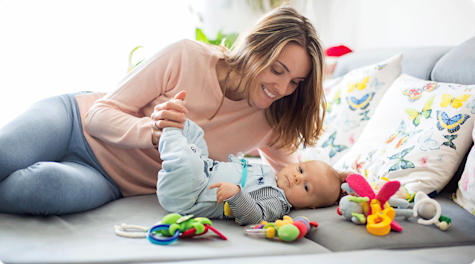
Have you ever wondered when your baby will start playing with toys? It’s an exciting milestone that shows your little one is growing and learning.
Knowing the right time can help you choose the best toys to support their development. You’ll discover exactly when babies begin to play with toys and how you can encourage this important step. Keep reading to learn how to make playtime both fun and beneficial for your baby’s growth!
Early Toy Interaction
Babies start to explore toys soon after birth. Early play helps their brain and muscles grow strong.
Toys can catch a baby’s attention and encourage movement and focus. This is the start of learning through play.
Reflexive Grasping
Newborns often grab objects placed in their hands without thinking. This is called reflexive grasping.
- This reflex helps babies practice holding things.
- Soft and light toys are best for this stage.
- Grasping supports hand strength and coordination.
- Parents can gently offer toys for babies to hold.
Visual Tracking
Babies begin to follow moving objects with their eyes around 6 to 8 weeks old.
| Age | Visual Tracking Ability |
| Birth to 4 weeks | Focuses on objects 8-12 inches away |
| 6 to 8 weeks | Follows slow moving objects with eyes |
| 3 months | Tracks moving objects smoothly and fully |
Credit: toyadvisorpro.com
Toy Play Milestones
Toys help babies learn and grow. They explore the world by playing with objects.
Each stage of play shows new skills. Watching these milestones helps parents understand development.
Reaching And Holding
Babies start reaching for toys around 3 to 4 months old. They use their hands to grab and hold objects.
This skill helps improve hand-eye coordination. Babies enjoy touching different shapes and textures.
Hand-to-mouth Exploration
At about 3 to 6 months, babies bring toys to their mouths. This helps them explore objects using taste and touch.
This action also soothes teething discomfort. It is a natural way for babies to learn about their toys.
Passing Toys Between Hands
Between 6 and 9 months, babies begin to transfer toys from one hand to the other. This shows growing coordination.
Passing toys helps develop both hands and strengthens brain connections. It is an important step for fine motor skills.
Imitative Play
From around 9 months, babies copy actions they see. They may pretend to talk on a toy phone or feed a doll.
This play shows growing understanding of the world. Imitation helps babies learn social and communication skills.
Choosing Age-appropriate Toys
Babies start playing with toys as they grow. Picking the right toys helps their development.
Age-appropriate toys match a baby’s skills and keep them safe and interested.
Toys For Newborns
Newborns explore the world mainly through their senses. Toys should help them see, hear, and feel.
Soft, light toys that make gentle sounds work well for this age.
- Soft rattles
- Black-and-white contrast cards
- Lightweight plush toys
- Crinkly fabric books
Toys For 3 To 6 Months
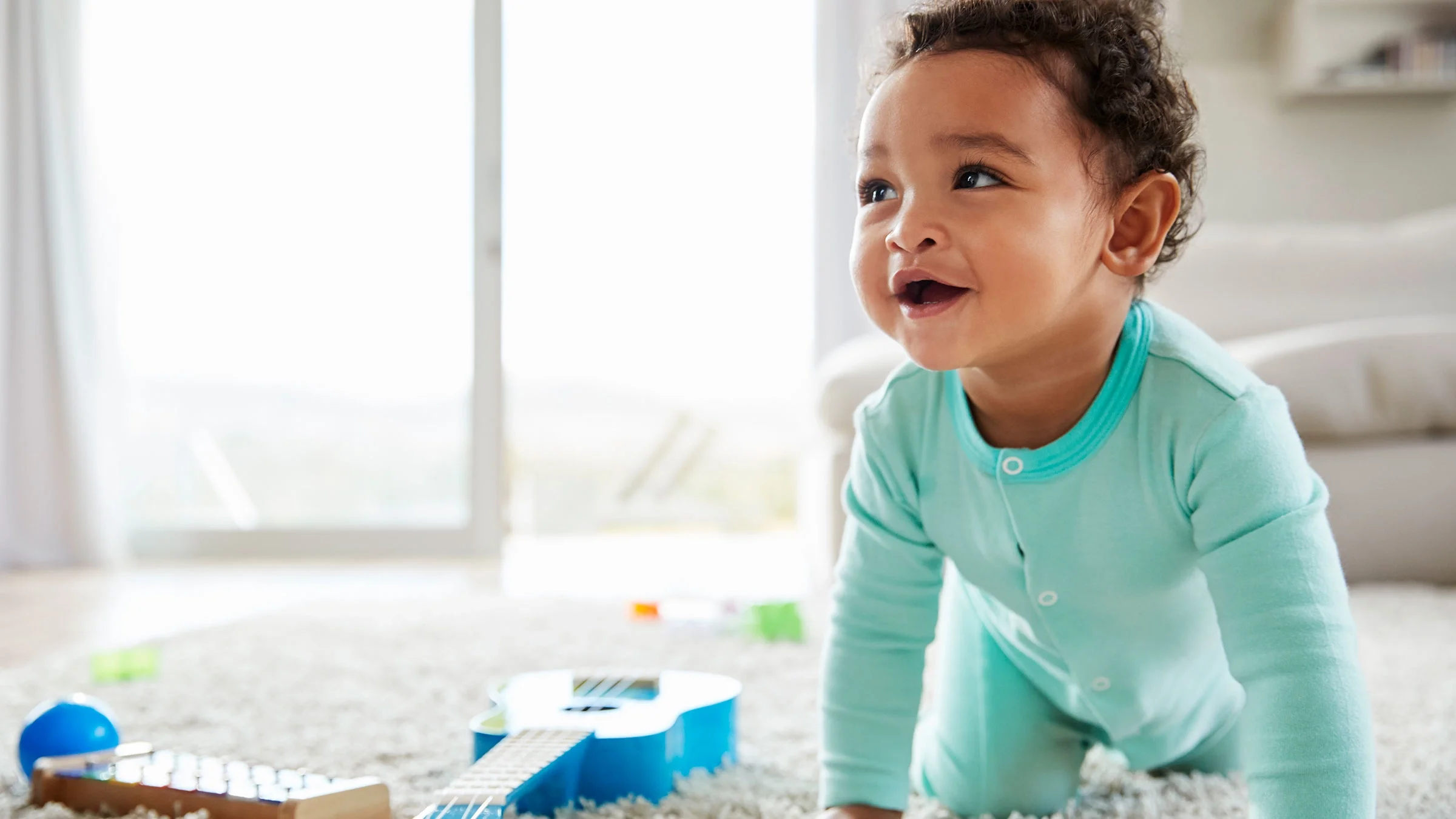
Babies begin to grab and explore objects at this stage. Toys should be easy to hold and safe to mouth.
Bright colors and varied textures can keep their attention longer.
- Teething rings
- Soft blocks with different textures
- Activity gyms with hanging toys
- Mirrors designed for babies
Toys For 6 To 12 Months
Babies start sitting, crawling, and sometimes walking. Toys that encourage movement and problem-solving are good.
Simple cause-and-effect toys help their learning and coordination.
- Stacking rings
- Push-and-pull toys
- Shape sorters
- Soft balls
Encouraging Play
Babies learn and grow through play. Toys help develop their senses and skills.
Parents can encourage play by making it safe and fun. Interaction helps babies explore toys better.
Creating A Safe Play Space
Set up a clean, soft area for babies to play. Keep small or sharp objects out of reach.
- Use a soft mat or blanket on the floor
- Remove choking hazards
- Keep toys clean and in good condition
- Ensure the space is quiet and free from distractions
Engaging Through Interaction
Talk and play with your baby to make playtime more fun. Your voice and smiles keep them interested.
| Interaction Type | Benefits |
| Talking about the toy | Improves language skills |
| Playing peek-a-boo | Builds social skills |
| Helping hold the toy | Develops hand-eye coordination |
Incorporating Play Into Routine
Make play a part of daily activities. Short play sessions fit well between naps and meals.
Try this simple daily play schedule:
- Morning: Sensory toys after waking up
- Afternoon: Interactive play with parents
- Evening: Quiet play before bedtime
Signs Of Development Through Play
Babies begin to play with toys as they grow and learn about the world. Play helps them develop important skills. Watching how they use toys shows their progress.
Each type of play supports different areas of growth. Toys help babies improve their body control, thinking, and feelings. Parents can learn a lot by noticing these signs.
Fine Motor Skills
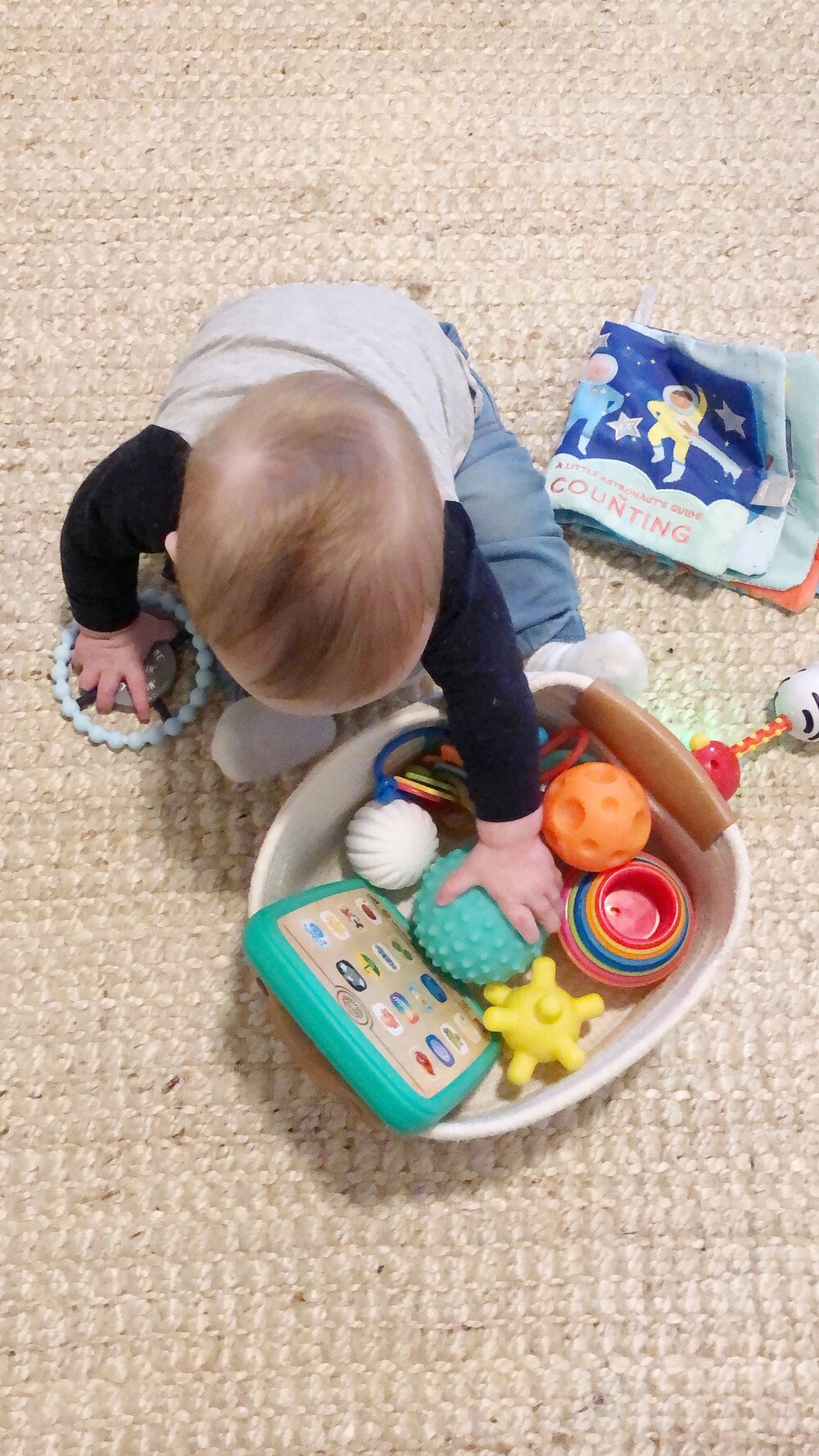
Fine motor skills involve small movements using the fingers and hands. Babies start by grabbing toys with their whole hand. Later, they use their fingers to hold and explore objects.
Playing with toys like blocks or soft balls helps babies practice these skills. They learn to pick up, shake, and pass toys from one hand to another.
- Reaching out to grab toys
- Using thumb and finger to pick up small items
- Passing toys between hands
- Stacking or sorting simple objects
Cognitive Growth
Cognitive growth means learning to think and understand. Babies explore cause and effect by playing with toys. For example, they learn that pressing a button makes a sound.
Toys with colors, shapes, and sounds help babies notice differences. They start to remember what happens when they play with certain toys.
- Recognizing shapes and colors
- Understanding simple cause and effect
- Remembering how to use toys
- Exploring new ways to play
Social And Emotional Development
Playing with toys also helps babies grow socially and emotionally. They learn to share toys and enjoy playing with others. This builds trust and confidence.
Babies show happiness by smiling or laughing during play. They may also show frustration when a toy is hard to use. These feelings are part of learning how to manage emotions.
- Sharing toys with parents or siblings
- Showing joy or excitement
- Expressing frustration or curiosity
- Copying actions from others during play
Credit: blueprintbykelly.com
Common Challenges And Solutions
Babies begin playing with toys at different ages. Parents often face some challenges during this stage.
Understanding these challenges helps parents support their baby’s playtime better.
Short Attention Spans
Babies have short attention spans. They may quickly lose interest in toys.
Keep playtime short and change toys often to keep them engaged.
- Offer toys in small amounts
- Switch toys every few minutes
- Play together to maintain interest
Toy Overwhelm
Too many toys can confuse babies. They might not know which one to choose.
Limit the number of toys out at once. Rotate toys regularly to keep things fresh.
- Keep a small selection of toys available
- Store extra toys away from sight
- Rotate toys every week or two
Limited Interest
Babies may show little interest in some toys. This is normal as they explore what they like.
Try different types of toys to find what excites your baby. Follow their lead during play.
- Offer toys with various textures and colors
- Use toys that make sounds or move
- Observe which toys your baby reaches for
Credit: toybuddie.com
Frequently Asked Questions
When Do Babies Start Playing With Toys?
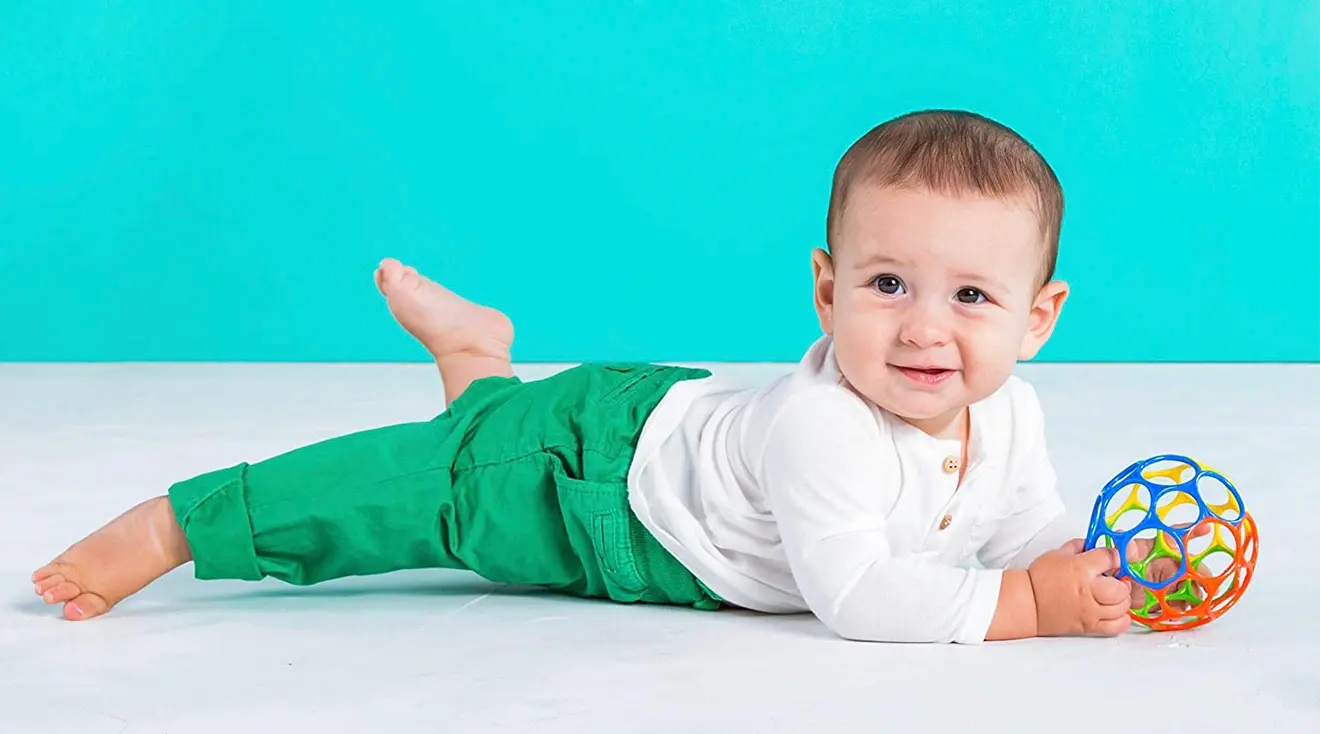
Babies typically begin playing with toys around 3 to 4 months old. At this stage, they start reaching and grasping objects. Toys that stimulate their senses help develop motor skills and hand-eye coordination.
What Types Of Toys Do Babies Prefer First?
Newborns enjoy soft, colorful, and textured toys. Rattles, teething rings, and plush toys are great options. These toys encourage sensory exploration and are safe for early play.
How Does Playing With Toys Benefit Babies?
Playing with toys boosts brain development and fine motor skills. It encourages problem-solving and creativity. Toys also help babies learn cause and effect through interaction.
When Should Babies Start Interactive Toy Play?
Interactive toy play often begins around 6 to 9 months. Babies respond well to toys with sounds, lights, or moving parts. These toys promote cognitive and sensory development.
Conclusion
Babies start playing with toys at different times. It depends on their development. Toys help with growth and learning. Parents should choose safe, age-appropriate toys. Observing your baby helps you understand their interests. Engage with them during playtime. This builds a strong bond.
Encourage exploration with a variety of toys. Remember, each baby is unique. Celebrate their milestones and cherish these moments. Play is essential for their growth and happiness. Keep them safe and enjoy the journey together.