
Do you want your dog to enjoy playtime with toys but don’t know where to start? Teaching your dog to play with toys can be fun and rewarding for both of you.
It strengthens your bond, keeps your dog active, and helps prevent boredom. In this guide, you’ll discover simple, effective steps to get your dog excited about toys. Keep reading, and soon you’ll see your furry friend happily chasing, fetching, and chewing their favorite playthings!
Credit: www.pets4homes.co.uk
Choosing The Right Toys
Picking the right toys helps your dog enjoy playtime more. The right toy keeps your dog safe and happy.
Different dogs like different toys. Choose toys that fit your dog’s needs and habits.
Safe And Durable Options
Choose toys made from strong materials. They last longer and do not break easily.
Avoid toys with small parts that can break off and cause choking. Look for non-toxic materials.
- Rubber balls and rings
- Hard nylon chew toys
- Rope toys with tight knots
- Toys labeled as non-toxic
Toys That Match Your Dog’s Size
Pick toys that fit your dog’s size. Small toys can be a choking hazard for big dogs.
Large toys may be hard for small dogs to carry or chew. Match the toy to your dog’s mouth size.
- Small dogs: soft plush toys or small balls
- Medium dogs: medium-sized balls and chew toys
- Large dogs: big, strong chew toys and large balls
Interactive Vs Chew Toys
Interactive toys keep your dog busy and mentally active. They often involve puzzles or treats.
Chew toys help dogs with teething and reduce boredom. They also clean teeth and strengthen jaws.
- Interactive toys: treat dispensers, puzzle feeders
- Chew toys: rubber bones, dental chews
- Use both types for balanced play
Introducing Toys To Your Dog
Teaching your dog to play with toys can be fun and rewarding. It helps keep your dog active and happy.
Start by gently introducing toys and making the experience enjoyable. This guide will help you get started.
Creating Positive Associations
Use toys during happy times so your dog links them to good feelings. Always stay calm and patient.
- Show the toy while giving your dog attention.
- Let your dog sniff and explore the toy freely.
- Use a happy voice to encourage interest.
- Play with the toy yourself to show it is safe.
Demonstrating Toy Use
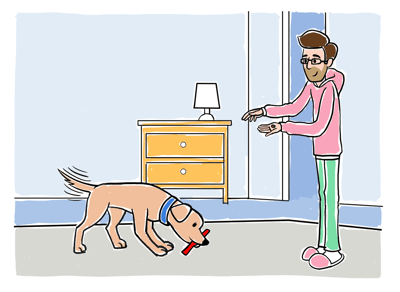
Help your dog understand how to play by showing how you use the toy. Use simple actions to teach.
Try these ideas:
- Toss the toy gently for your dog to chase.
- Make the toy move to catch your dog’s attention.
- Hold the toy and invite your dog to grab it.
Using Treats And Praise
Reward your dog with treats and kind words when they show interest or play with toys. This helps build good habits.
| Action | Reward |
| Sniffing the toy | Small treat and praise |
| Touching the toy with paw or mouth | Favorite treat and praise |
| Playing with the toy | Extra praise and playtime |
Encouraging Play Behavior
Teaching your dog to play with toys helps keep them active and happy. Play also strengthens your bond with your dog.
Encouraging play behavior takes patience and fun activities. Using the right approach makes playtime enjoyable for your dog.
Engaging In Tug-of-war
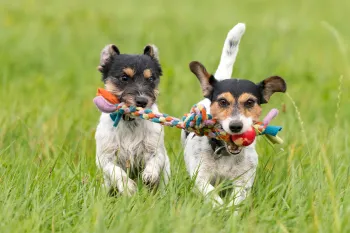
Tug-of-war is a great way to excite your dog and build their strength. Use a sturdy rope toy or a special tug toy made for dogs.
Let your dog grab one end and gently pull the other. Allow them to win sometimes to keep the game fun and fair.
- Choose a safe, strong toy for tugging
- Keep the game gentle, avoid rough play
- Stop if your dog shows signs of aggression
- Reward your dog with praise or treats
Teaching Fetch Basics
Fetch helps your dog learn to bring toys back to you. Start with a favorite ball or soft toy your dog likes.
Throw the toy a short distance and encourage your dog to get it. Use a happy voice and praise when they bring it back.
- Start indoors or in a small yard
- Throw the toy only a few feet away
- Use treats to reward your dog’s return
- Repeat often to build the habit
Incorporating Play Into Daily Routine
Make playtime a regular part of your dog’s day. Short, frequent sessions keep your dog interested and active.
Try to play before meals or walks to build excitement. Consistency helps your dog expect and enjoy playtime daily.
- Set specific times for play each day
- Use different toys to keep things fresh
- Mix play with training commands
- Watch your dog’s mood to adjust play length
Credit: www.humaneworld.org
Addressing Common Challenges
Training your dog to play with toys can be tricky. Some dogs show little interest, while others get too excited. Some may even become possessive about their toys.
Understanding these challenges helps you teach your dog to enjoy playtime safely and happily.
Dealing With Disinterest
Some dogs ignore toys because they do not find them fun or engaging. Try different types of toys to see what your dog likes best.
- Use toys that make noise or move
- Offer treats inside or near the toy
- Play together to show how fun toys can be
- Choose toys that match your dog’s size and breed
Managing Overexcitement
Some dogs get too excited and may bite or jump. Teach calm behavior before giving a toy.
- Ask your dog to sit before play
- Give the toy only when calm
- Take breaks if your dog gets too wild
- Praise gentle play and ignore rough behavior
Preventing Toy Aggression
Toy aggression happens when dogs guard toys. It can lead to fights and stress.
| Tip | How to Apply |
| Teach “drop it” | Use treats to trade for the toy |
| Share toys | Rotate toys to reduce guarding |
| Supervise play | Stop play if guarding starts |
| Use separate toys | Give each dog their own toy |
Maintaining Toy Interest
Keeping your dog interested in toys is important for their happiness and health. Dogs can get bored if they play with the same toy all the time.
Changing how your dog plays with toys helps keep playtime fun and exciting. Here are ways to keep your dog engaged with their toys.
Rotating Toys Regularly
Dogs lose interest if they see the same toys every day. Rotate toys by putting some away and giving others. This makes old toys feel new again.
- Put some toys in storage for a week or two.
- Bring out different toys each time you play.
- Watch which toys your dog prefers and keep those handy.
- Rotate soft toys, chew toys, and balls for variety.
Introducing New Games
Introducing new games keeps your dog mentally active. Try different ways to play with toys to make playtime more fun.
| Game Type | Description |
| Fetch | Throw a ball or toy and ask your dog to bring it back. |
| Tug-of-War | Use a rope toy and gently pull while your dog holds the other end. |
| Hide and Seek | Hide a toy and let your dog find it using smell and sight. |
| Training Tricks | Use toys as rewards when your dog follows commands. |
Rewarding Playtime Efforts
Reward your dog to encourage more play. Rewards help your dog enjoy toys and games even more.
Try these rewards during playtime:
- Give your dog treats after play sessions.
- Use praise and petting to show your dog you are happy.
- Let your dog take a favorite toy home after play.
- Offer breaks with water and rest to keep your dog fresh.

Credit: www.thesprucepets.com
Frequently Asked Questions
How Do I Introduce Toys To My Dog?
Start by showing the toy and encouraging gentle interaction. Use praise and treats to motivate interest. Keep sessions short and positive to build excitement.
What Are The Best Toys For Dog Training?
Choose durable, size-appropriate toys like rubber balls, tug ropes, and squeaky toys. Avoid small or easily breakable items to ensure safety.
How Long Should Training Sessions Last?
Keep training sessions between 5 to 15 minutes. Short, frequent sessions maintain your dog’s focus and prevent boredom.
How Can I Encourage My Dog To Play With Toys?
Use enthusiastic praise, treats, and playtime to reward toy interaction. Rotate toys regularly to keep them exciting and novel.
Conclusion
Training your dog to play with toys can be rewarding. It strengthens your bond and keeps your pet active. Start with simple toys that catch your dog’s interest. Patience is key. Celebrate small successes to keep your dog motivated. Consistency ensures better results over time.
Try different toys to find your dog’s favorites. Always supervise playtime for safety. These steps help your dog enjoy playtime more. A happy, playful dog is a joy to have. Enjoy the fun moments you create together. Your efforts lead to a happier, healthier pet.
Keep playing, and cherish the joy it brings.