

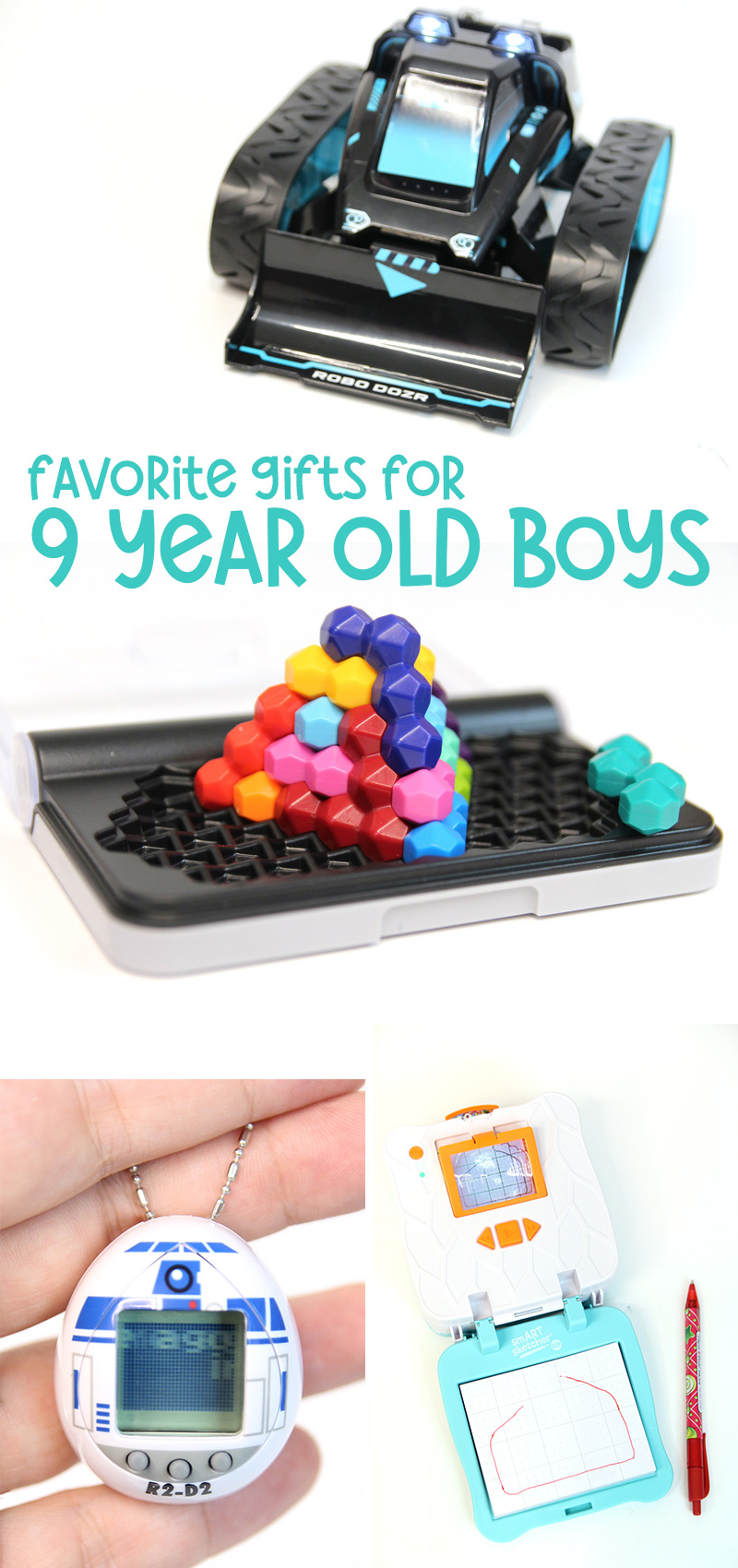
Have you ever wondered if 9 year olds still play with toys? You might think that by this age, kids are ready to leave toys behind.
But the truth might surprise you. Toys are not just for little kids—they can help your child learn, grow, and have fun in ways you didn’t expect. If you want to understand how toys fit into your 9-year-old’s life and why they matter, keep reading.
This could change the way you see playtime forever.

Credit: www.amazon.com
Toy Preferences At Age Nine
Nine-year-olds enjoy a wide range of toys. Their choices show growing interests and skills.
At this age, children look for toys that challenge their minds and allow creativity.
Popular Toy Categories
Many kids like building sets, puzzles, and action figures. These toys help develop problem-solving skills.
- Building blocks and construction kits
- Board games and puzzles
- Outdoor sports equipment
- Creative arts and craft kits
- Action figures and dolls
Gender Differences In Toy Choices
Boys and girls often pick different types of toys, but many enjoy similar activities.
| Gender | Common Toy Choices |
| Boys | Cars, building sets, sports toys |
| Girls | Dolls, craft kits, role-play sets |
| Both | Puzzles, board games, books |
Influence Of Trends And Media
TV shows, movies, and online videos often shape what toys kids want. Popular characters attract many buyers.
Common trend influences include:
- Popular movie characters
- Video game themes
- Social media toy reviews
- Seasonal toy releases
Benefits Of Playing With Toys
Toys are important tools for children to learn and grow. They help kids develop many skills while having fun.
Playing with toys supports a child’s mind and social abilities. It also sparks creativity and imagination.
Cognitive Development
Toys help improve thinking skills like problem solving and memory. Children learn cause and effect by playing.
- Puzzles teach logic and pattern recognition
- Building blocks help with spatial awareness
- Memory games improve recall and focus
- Board games encourage strategic thinking
Social Skills Enhancement
Playing with toys with others teaches sharing and cooperation. It helps children understand emotions and teamwork.
| Skill | How Toys Help |
| Sharing | Taking turns with toys |
| Communication | Talking during play |
| Empathy | Understanding others’ feelings |
| Teamwork | Working together on games |
Creativity And Imagination
Toys encourage children to invent stories and ideas. Imaginative play builds creative thinking and expression.
Examples of creative play with toys:
- Using dolls or action figures to create stories
- Building imaginary worlds with blocks or sand
- Drawing or crafting inspired by toy themes
How Playtime Changes At Nine
Nine-year-olds enjoy playtime differently than younger kids. Their interests and skills grow, changing how they play.
At this age, children start to explore new types of toys and activities. Play becomes more social and thoughtful.
Shift From Simple To Complex Toys
Toys for nine-year-olds are more detailed and challenging. They like puzzles, building sets, and strategy games.
This shift helps develop their problem-solving and fine motor skills. Toys with more parts and rules attract their attention.
- Building blocks with instructions
- Board games with strategy
- Science kits and craft sets
Preference For Group Play
Nine-year-olds enjoy playing with friends more. They like team games and activities that involve sharing ideas.
Group play helps them learn cooperation and communication. They often form small groups for sports or pretend play.
- Playing team sports like soccer or basketball
- Group board or card games
- Role-playing games with friends
Role Of Technology In Play
Technology becomes part of play at age nine. Kids use tablets, video games, and educational apps to have fun.
Technology can teach new skills and offer creative outlets. It also connects them with other children online.
- Interactive learning apps
- Video games with problem-solving tasks
- Online multiplayer games for social play

Credit: www.amazon.com
Parental Perspectives On Toys
Parents often wonder what kinds of toys are best for their 9-year-olds. Toys help children learn, grow, and have fun. Understanding what parents think about toys can guide better choices.
At this age, children start to develop new skills and interests. Parents want toys that support this growth while keeping their kids engaged.
Encouraging Play At This Age
Parents believe play is important for development. They like toys that inspire creativity and problem-solving. Play also helps children build social skills.
- Puzzles and building sets to boost thinking
- Art supplies to encourage creativity
- Outdoor toys for active play
- Board games to develop teamwork
Concerns About Screen Time
Many parents worry about how much time kids spend on screens. They want to limit devices but still allow some educational use. Finding a healthy balance is a common goal.
| Concern | Parent Action |
| Too much TV or tablet time | Set daily limits |
| Exposure to inappropriate content | Use parental controls |
| Lack of physical activity | Encourage outdoor play |
| Reduced social interaction | Promote group games |
Balancing Educational And Fun Toys
Parents want toys that teach and entertain. They look for items that mix learning with fun. This helps keep children interested and motivated.
Some parents use this simple checklist when choosing toys:
- Is the toy age-appropriate?
- Does it encourage creativity or learning?
- Is it safe and durable?
- Will the child enjoy playing with it?
Surprising Trends In Toy Usage
Nine-year-olds still enjoy toys, but their choices are changing. New trends show what kinds of toys they prefer.
Toys now include collectibles, crafts, and outdoor play items. These reflect kids’ growing interests and skills.
Rise Of Collectibles And Hobby Toys
Collectible toys have become very popular with 9-year-olds. They like small figures, cards, and models to collect and trade.
Hobby toys like model kits and puzzles help kids focus and enjoy building things step-by-step.
- Trading cards like Pokémon and sports cards
- Mini action figures and dolls
- Model cars, planes, and animals
- Puzzle sets and brain teasers
Diy And Craft-based Play
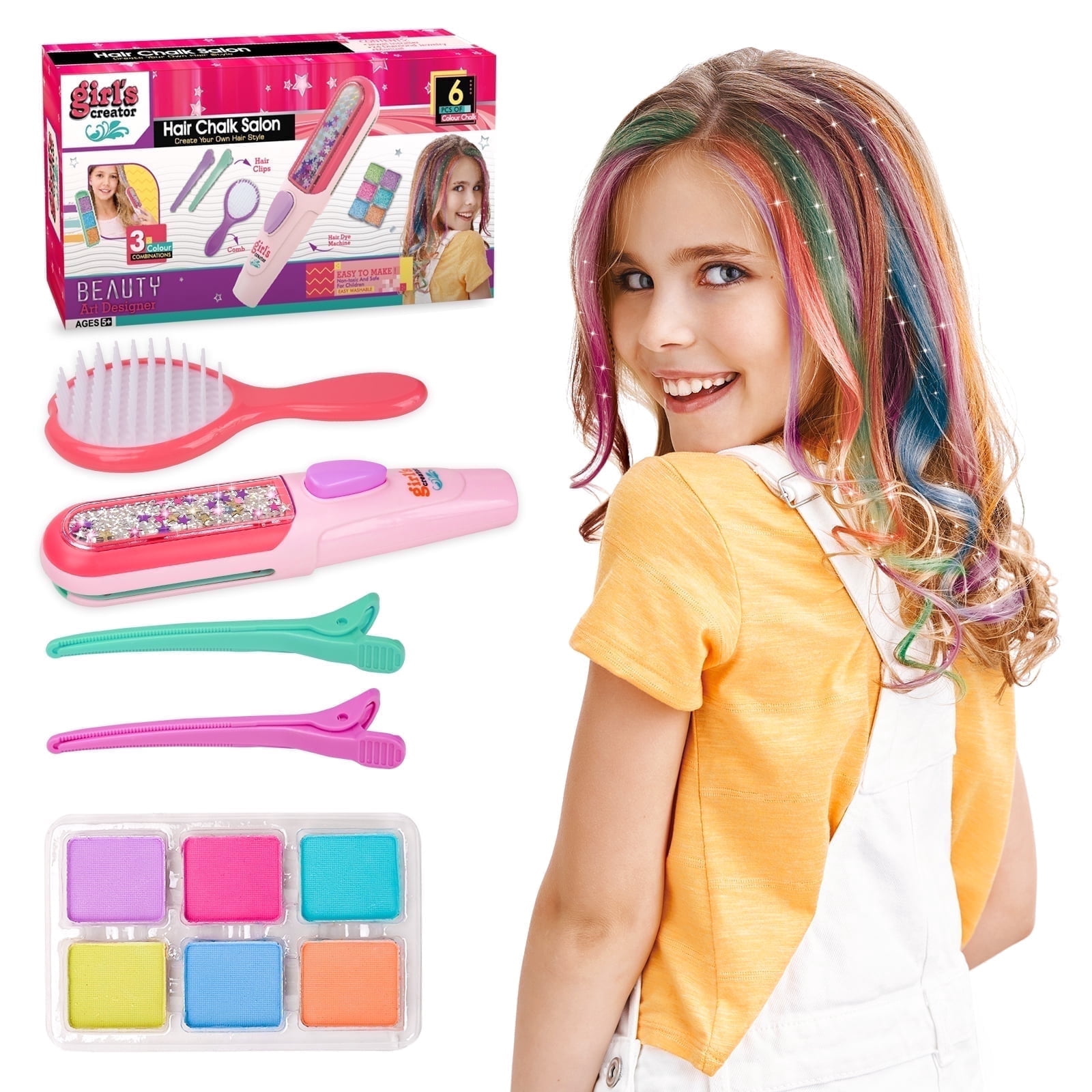
DIY and craft toys let kids create and build with their hands. These toys boost creativity and fine motor skills.
Popular craft toys include kits for making jewelry, painting, and simple science experiments.
- Bead and bracelet making sets
- Paint-by-numbers and coloring kits
- Simple science and chemistry kits
- Clay modeling and sculpting sets
Outdoor Vs. Indoor Toy Preferences
Many 9-year-olds enjoy both indoor and outdoor toys. Their choices depend on the season and space available.
Outdoor toys include sports gear and ride-on toys. Indoor toys often involve building blocks and board games.
- Outdoor: bicycles, soccer balls, jump ropes
- Indoor: LEGO sets, board games, puzzles
- Outdoor toys encourage exercise and social play
- Indoor toys support quiet and focused play
Credit: www.walmart.com
Frequently Asked Questions
Do 9 Year Olds Still Enjoy Playing With Toys?
Yes, many 9 year olds enjoy toys that challenge creativity and problem-solving. Toys like building sets, puzzles, and action figures remain popular.
What Types Of Toys Suit 9 Year Olds Best?
Educational toys, construction kits, board games, and interactive tech toys suit 9 year olds well. These toys support learning and social skills.
How Do Toys Benefit 9 Year Olds’ Development?
Toys enhance fine motor skills, creativity, and critical thinking. They also improve social interaction and emotional growth in 9 year olds.
Are Electronic Toys Appropriate For 9 Year Olds?
Yes, electronic toys with educational content can be beneficial. They promote learning but should be balanced with physical play.
Conclusion
Toys still interest many 9-year-olds. Their interests evolve with age. At this stage, creativity and social skills grow. Board games, building sets, and action figures remain popular. Parents can support these interests. Playing with toys offers learning opportunities. It helps in developing problem-solving skills.
Encourages imagination and teamwork. Toys foster healthy childhood development. They blend fun with learning. As kids grow, their playtime preferences change. But toys still hold a special place. They continue to entertain and educate. Understanding their needs can help choose suitable toys.
This ensures both enjoyment and growth. A win-win for everyone involved.