






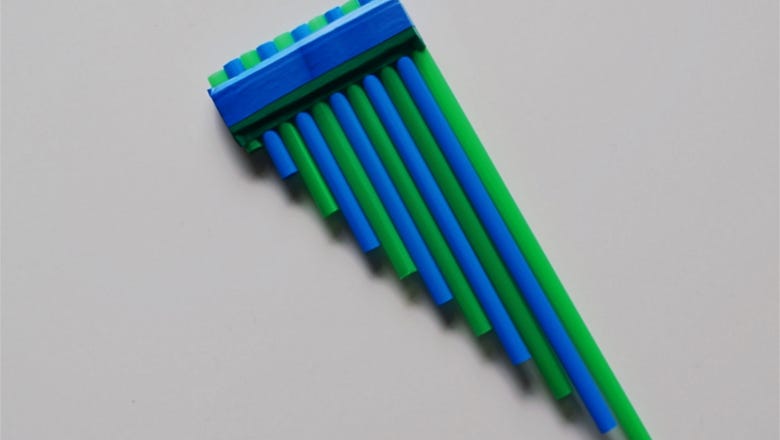
Have you ever picked up a toy flute and wondered how to make it sing? Learning to play the toy flute can be easier and more fun than you think.
Whether you want to impress your friends, relax with a simple tune, or explore a new hobby, this guide will show you exactly how to get started. By the end, you’ll be amazed at the sounds you can create with just a little practice.
Ready to discover the joy of playing your toy flute? Let’s dive in!
Credit: www.amazon.com
Choosing The Right Toy Flute
Playing a toy flute can be fun and easy for kids and beginners. Picking the right toy flute helps you learn faster.
It is important to find a flute that feels good and sounds nice. This guide helps you choose the best toy flute.
Types Of Toy Flutes
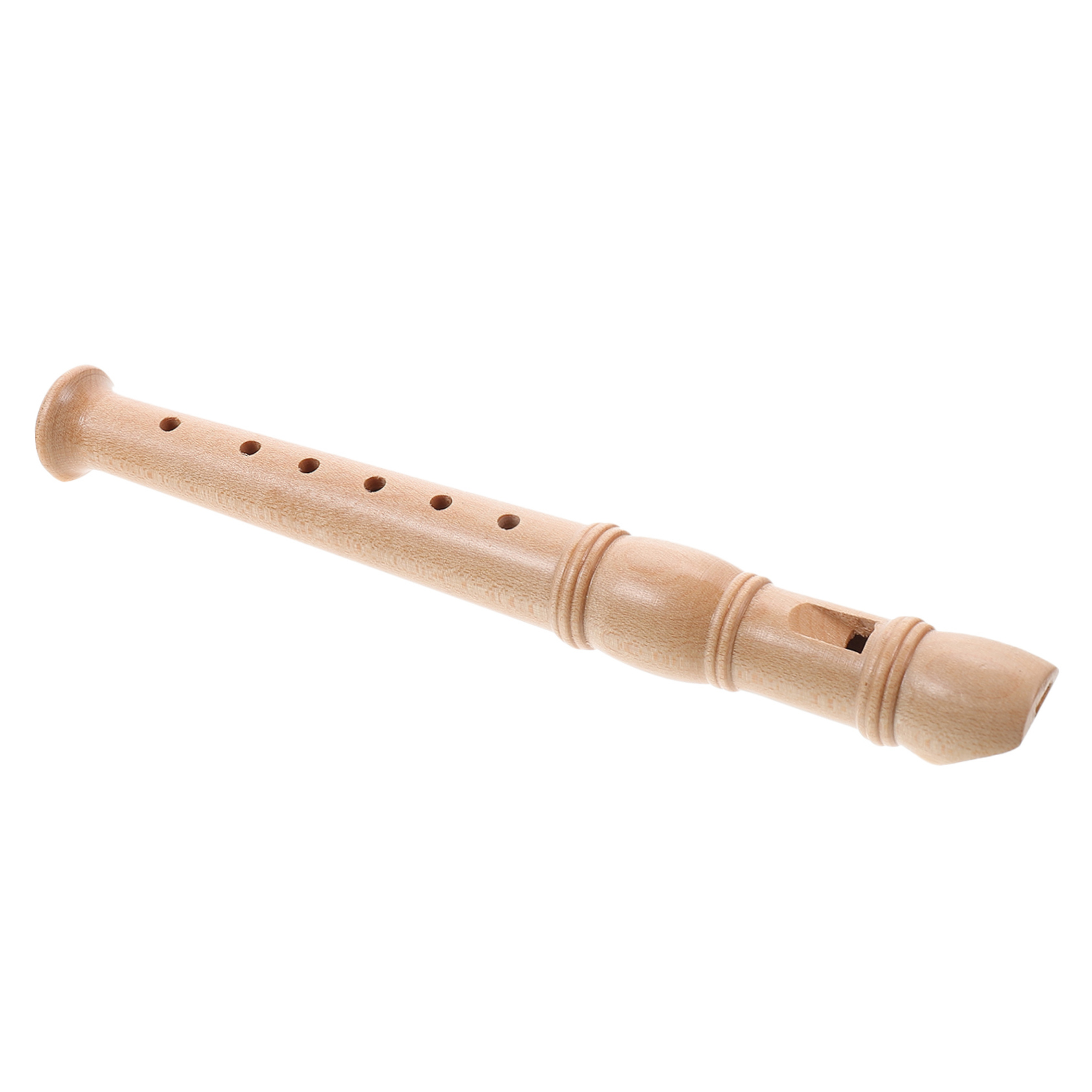
Toy flutes come in many styles. Some look like real flutes while others have simple designs. Each type has its own sound.
- Recorder-style flutes are easy to play and common.
- Whistle flutes produce a high-pitched sound.
- Plastic transverse flutes look like small versions of real flutes.
- Bubble flutes add fun by making bubbles as you play.
Material And Durability
Toy flutes are made from plastic, wood, or metal. Plastic flutes are light and safe for children.
Wood flutes sound warmer but need more care. Metal flutes are strong but can be heavy for kids.
- Plastic: Durable, safe, and easy to clean.
- Wood: Good sound, requires gentle handling.
- Metal: Strong, may be heavy for young players.
Size And Comfort
Choose a toy flute that fits your hands well. A comfortable size helps you hold and play better.
Smaller flutes are good for young children. Older kids and adults may prefer bigger flutes for better sound.
- Small flutes fit small hands easily.
- Medium flutes suit most beginners.
- Large flutes produce louder sounds.
- Check for smooth edges to avoid discomfort.

Credit: www.amazon.com
Basic Flute Holding Techniques
Playing the toy flute well starts with holding it correctly. Good technique helps you play clear sounds. It also avoids hand and finger strain.
This guide explains how to hold the flute, keep proper posture, and control your breath.
Proper Hand Position
Hold the flute gently with both hands. Use your left hand for the top holes and your right hand for the bottom holes. Keep your fingers curved and relaxed.
- Place your left thumb under the flute for support.
- Use your left index, middle, and ring fingers to cover the top holes.
- Your right thumb rests below the flute to balance it.
- Cover the bottom holes with your right fingers.
- Avoid pressing too hard to keep the flute steady.
Posture Tips
Good posture helps you breathe and play better. Sit or stand straight but relaxed. Keep your shoulders down and chest open.
| Posture Element | Tip |
| Head | Keep it straight, not tilted |
| Back | Straight but relaxed |
| Shoulders | Down and loose |
| Arms | Lifted slightly, not stiff |
| Feet | Flat on the ground for balance |
Breath Control Basics
Breathing is key to making good sounds. Use slow, steady breaths from your belly. Do not blow too hard or too softly.
Try this breath exercise:
- Take a deep breath in through your nose.
- Blow gently into the flute, keeping the airflow steady.
- Stop when the sound fades, then breathe again.
Producing Your First Sound
Playing the toy flute starts with making your first sound. This is the first step to enjoy the music it can make.
You need to learn how to blow air correctly and control it well. This guide will help you start with simple tips.
Blowing Techniques
Hold the toy flute gently but firmly. Place your lips on the mouthpiece without covering the holes.
Blow a steady, gentle stream of air across the opening. Do not blow too hard or too softly at first.
- Keep your lips relaxed and slightly rounded
- Blow air straight and steady across the hole
- Practice holding your breath steady before blowing
Common Mistakes To Avoid
Many beginners blow too hard or cover the holes. This stops the flute from making a clear sound.
Avoid biting the flute mouthpiece. This can block the air and damage the toy.
- Do not blow forcefully like blowing out candles
- Keep your fingers away from the holes unless playing notes
- Do not press the mouthpiece with your teeth
Adjusting Airflow
Control how much air you blow to get the right sound. Start with soft airflow and increase slowly.
If the sound is weak or airy, try blowing a little harder but not too strong. Find a balance.
- Soft air makes a faint sound
- Strong air makes a loud but unclear sound
- Moderate air gives a clear, steady tone
Learning Simple Notes
Playing the toy flute is fun and easy. You can start by learning simple notes first.
Simple notes form the base for playing songs later. Practice them often to get better.
Finger Placement Guide
Each note on the toy flute is made by covering different holes. Use your fingers to cover the holes fully.
Start with your left hand on the top holes and right hand on the bottom holes. Cover holes as shown below.
| Note | Holes Covered |
|---|---|
| C | All holes covered |
| D | Top five holes covered |
| E | Top four holes covered |
| F | Top three holes covered |
| G | Top two holes covered |
| A | Top one hole covered |
| B | No holes covered |
Practice Exercises
Practice playing each note slowly. Hold the flute steady and blow gently.
- Blow into the flute while covering all holes for note C.
- Lift one finger at a time to play D, E, F, G, A, and B.
- Repeat each note five times to build finger memory.
- Try playing simple tunes using these notes.
Recognizing Notes By Ear
Listening to notes helps you play better. Try to hear differences between notes.
Play one note and listen carefully. Then play another and compare the sound.
- Note C sounds deep and full.
- Note D is a little higher than C.
- Note E sounds brighter than D.
- Note F is higher and soft.
- Note G is clear and bright.
- Note A is sharp and high.
- Note B is the highest and light.
Playing Basic Melodies
Playing simple tunes on a toy flute can be fun and rewarding. Start with easy melodies to build your skills.
Focus on learning notes and rhythms step by step. This will help you play smoothly and confidently.
Easy Song Choices
Choose songs with few notes and slow tempo. This makes it easier to practice and enjoy playing.
- Mary Had a Little Lamb
- Twinkle Twinkle Little Star
- Row, Row, Row Your Boat
- Happy Birthday
- Old MacDonald Had a Farm
Combining Notes Smoothly
Moving from one note to another without breaks sounds better. Use your fingers gently and evenly to do this.
| Tip | How to Do It |
| Finger Placement | Cover holes fully and lift fingers slowly |
| Breath Control | Blow gently and steadily without pauses |
| Practice | Play scales slowly and repeat often |
Timing And Rhythm
Good timing makes songs sound lively. Count beats in your head while playing to keep steady rhythm.
Try this simple rhythm pattern:
- Blow and hold note for 1 beat
- Pause for half a beat
- Blow next note for 2 beats
- Pause for 1 beat
- Repeat
Advanced Tips For Better Sound
Playing a toy flute well takes practice and good technique. Advanced tips help you get a clearer and richer sound.
Focus on control and care. These tips will improve your playing and make the flute last longer.
Vibrato And Expression
Vibrato adds a gentle shake to your notes. It makes the sound more lively and interesting.
To create vibrato, quickly move your fingers or change your breath slightly. Practice slowly, then speed up.
- Try small finger movements on the holes
- Use your diaphragm to change air flow
- Keep your vibrato even and smooth
Increasing Breath Control
Good breath control helps you hold notes longer and play softer or louder. It improves your sound quality.
Practice breathing deeply and slowly. Use your diaphragm to push air steadily into the flute.
- Take deep breaths before you play
- Blow gently and steadily for soft notes
- Use stronger breath for louder notes
- Try holding notes longer each time
Cleaning And Maintenance
Keeping your toy flute clean helps it sound better and last longer. Dirt can block the holes or change the tone.
Wipe your flute after each use. Use a soft cloth and avoid water inside the flute to prevent damage.
- Use a dry cloth to clean the outside
- Blow air through the flute to clear moisture
- Store the flute in a dry place
- Check for cracks or damage regularly
Troubleshooting Common Issues
Playing a toy flute can be fun but sometimes problems happen. Fixing these issues helps you enjoy the flute more.
This guide covers common problems and easy ways to fix them. You will learn about air leaks, squeaky sounds, and part replacements.
Fixing Air Leaks
Air leaks stop the toy flute from making clear sounds. Check for holes or cracks in the flute’s body.
Seal small leaks with tape or glue made for plastic. Make sure the flute is dry before fixing it.
- Look closely for cracks or holes
- Clean and dry the flute before repair
- Use plastic tape or glue to seal leaks
- Test the flute after sealing to check sound
Handling Squeaky Sounds
Squeaky sounds come from wrong finger placement or dirty holes. Clean the holes with a soft cloth or cotton swab.
Try covering the holes fully with your fingers. Practice a steady breath to reduce squeaks.
- Clean holes regularly
- Cover holes completely with fingers
- Blow air gently and steadily
- Practice finger positions
Replacing Parts
Toy flutes may have parts that wear out or break. Replace mouthpieces or small pieces if they don’t work well.
Use parts from the same model for the best fit. Keep spare parts handy for quick repairs.
- Identify broken or worn parts
- Find matching replacement parts
- Follow instructions to remove old parts
- Install new parts carefully
- Test the flute after replacement

Credit: www.amazon.com
Frequently Asked Questions
How To Hold A Toy Flute Properly?
Holding a toy flute correctly is essential for playing. First, use your left hand to cover the top holes. Your right hand should cover the bottom holes. Ensure your fingers are relaxed to maintain a steady airflow. Practice holding it comfortably to improve your playing experience.
What Is The Best Way To Blow Into A Toy Flute?
Blowing into a toy flute requires controlled breath. Place your lips gently on the mouthpiece. Blow a steady, gentle stream of air. Start with a soft blow and gradually increase pressure. This helps produce clear, consistent notes. Practice regularly to improve your control over the sound.
How Do I Play Different Notes On A Toy Flute?
Playing different notes involves covering and uncovering holes. Each combination produces a unique pitch. Start by learning simple tunes. Gradually experiment with different finger positions. This will help you understand the relationship between holes and notes. Consistent practice will enhance your ability to play various melodies.
What Materials Are Toy Flutes Made Of?
Toy flutes are often made from plastic or wood. Plastic flutes are lightweight and durable, ideal for beginners. Wooden flutes offer a richer, warmer tone. Each material affects sound quality and durability differently. Choose based on your preference and playing goals.
Both types are great for learning.
Conclusion
Playing the toy flute can be fun and relaxing. Practice often to improve your sound and rhythm. Start with simple tunes and then try harder songs. Listen carefully to each note you play. Enjoy the process and be patient with yourself.
Playing music brings joy and helps your focus. Keep your toy flute clean and safe. Share your music with friends and family. Learning a new skill feels great. Keep playing and have fun every day!