




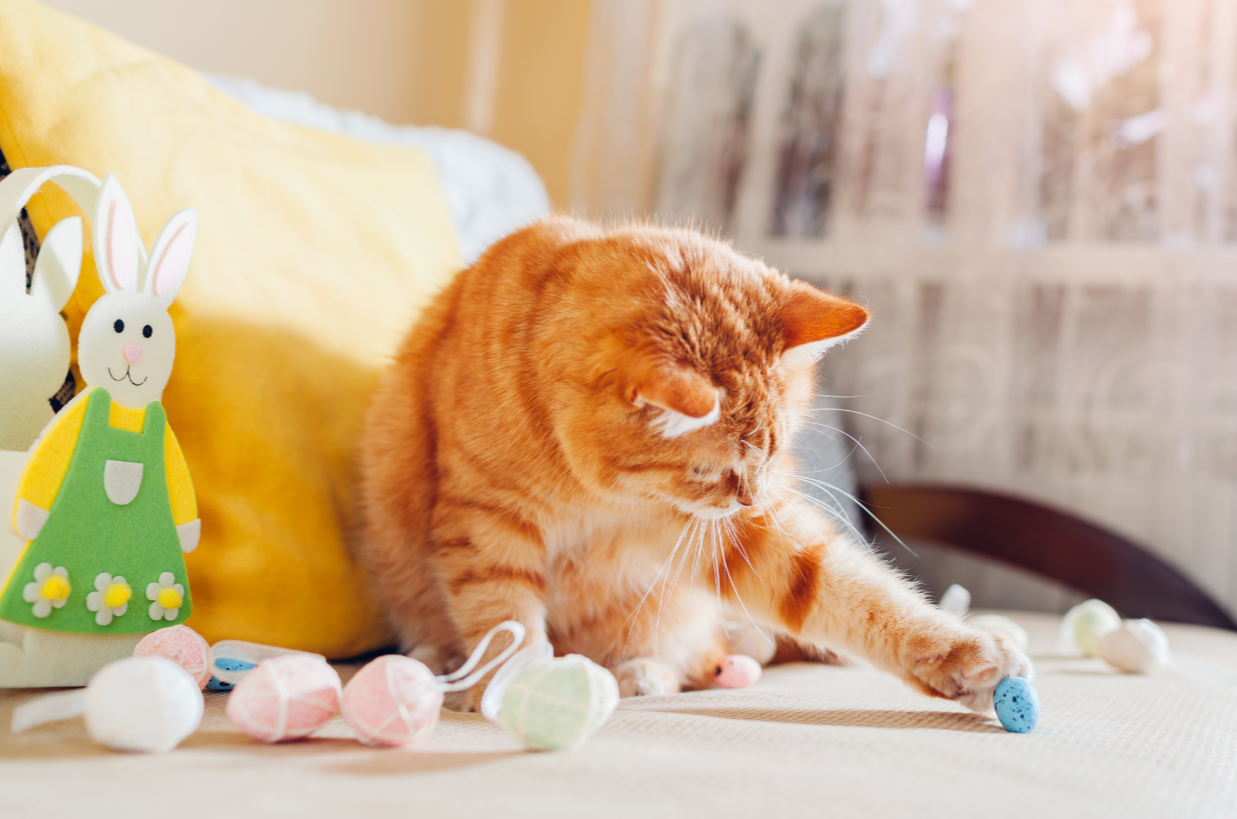
Do you ever wonder why your cat ignores the toys you buy? You’re not alone.
Getting your cat to play with toys can seem impossible, especially when they prefer lounging over chasing. But what if you could turn playtime into their favorite part of the day? Imagine your furry friend jumping, pouncing, and having fun, all while staying active and healthy.
You’ll discover simple, proven ways to spark your cat’s interest in toys—methods that work even for the most stubborn cats. Keep reading, and watch your cat’s playful side come alive.
Credit: www.petscare.com
Choosing The Right Toys
Getting your cat to play with toys starts with picking the right ones. Cats have different tastes in toys. Choosing toys they like makes playtime fun and healthy.
Knowing what types of toys cats prefer, the materials that are safe, and the difference between interactive and solo play helps you select the best toys.
Types Cats Prefer
Cats like toys that mimic their natural prey. Toys that move, make noise, or have interesting textures catch their attention. Different cats have different preferences.
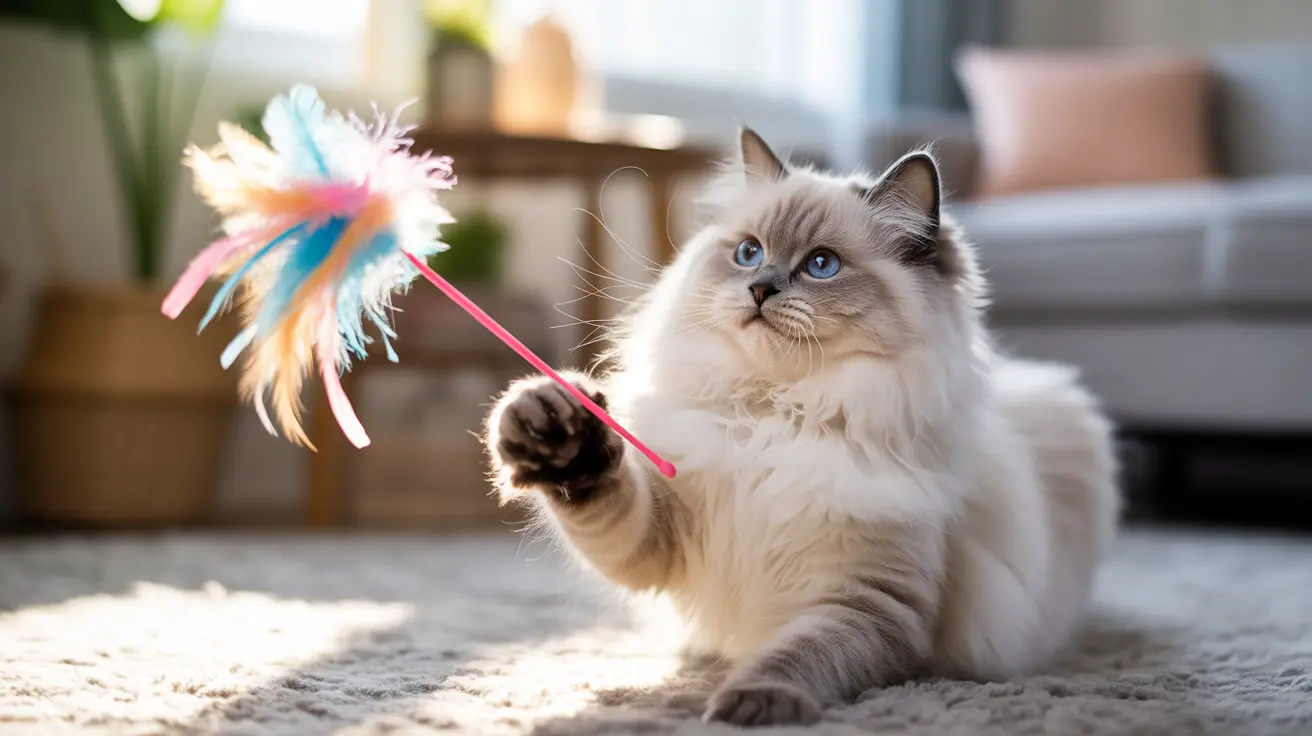
- Feather wands and teaser toys for chasing
- Small balls or mice that cats can bat around
- Catnip-filled toys that stimulate senses
- Crinkle toys that make a soft noise
Safe Materials
Choosing toys made from safe materials protects your cat from harm. Avoid toys with small parts that can be swallowed or materials that can break easily.
| Material | Safety Notes |
|---|---|
| Natural fibers | Durable and non-toxic |
| Soft rubber | Safe if free of small detachable parts |
| Plastic | Avoid brittle plastics that can break |
| Metal | Use only smooth, rust-free metals |
Interactive Vs Solo Play
Interactive toys need your involvement and help keep your cat active. Solo toys let cats play alone but may not hold their interest long.
- Interactive toys:feather wands, laser pointers, fishing pole toys
- Solo toys:balls, stuffed mice, catnip toys

Credit: www.reddit.com
Creating A Playful Environment
Getting your cat to play with toys needs the right setting. Cats enjoy spaces that feel safe and fun.
A playful environment helps your cat stay active and happy. You can guide their interest with simple changes.
Designated Play Areas
Set aside a special spot just for your cat’s playtime. This helps your cat know where to find toys and fun.
- Choose a quiet corner with good light
- Keep the area clean and free of hazards
- Use soft mats or blankets for comfort
- Place a variety of toys nearby
- Rotate toys often to keep interest
Removing Distractions
Too much noise or other pets can stop your cat from playing. Remove distractions to keep your cat focused.
| Distraction | How to Remove |
| Loud noises | Close windows and doors |
| Other pets | Use a separate room for play |
| Clutter | Clear the play area |
| Bright lights | Use soft lighting |
Using Catnip And Scents
Catnip and certain scents can make toys more fun. These smells attract cats and keep them interested.
Try these tips with catnip and scents:
- Sprinkle a little catnip on toys
- Use scent sprays made for cats
- Offer new scents slowly to avoid overwhelming
- Observe your cat’s reactions to different scents
Timing And Frequency
Playing with your cat at the right times helps keep them active. Regular play sessions make toys more fun for your cat.
Knowing when and how often to play can make your cat eager to join in. This guide covers the best times, session length, and consistency.
Best Times To Play
Cats are most active during dawn and dusk. These periods are perfect for play because your cat’s energy is high. Try to play with your cat during these times for better engagement.
- Early morning before breakfast
- Late afternoon before dinner
- Evening when your cat is alert
Short Sessions
Short play sessions keep your cat interested. Long sessions can make them tired or bored. Aim for quick bursts of activity that match their attention span.
| Session Length | Why It Works |
| 5 minutes | Keeps cat focused and active |
| 10 minutes | Good for energetic cats |
| 15 minutes | Too long, may cause boredom |
Consistency Matters
Play with your cat every day. Regular times help your cat expect and enjoy playtime. Consistency builds a strong habit and keeps your cat healthy.
Tips for consistent play:
- Set a daily play schedule
- Use the same toys to build interest
- Mix in new toys occasionally
- Pay attention to your cat’s mood
Encouraging Play Behavior
Getting your cat to play with toys helps keep them active and happy. Play also strengthens your bond with your cat.
Some cats need a little help to start playing. Using simple tricks can make toys more interesting for them.
Using Movement And Sounds
Cats love toys that move and make noise. These toys catch their attention and excite their hunting instincts.
Try dragging a toy across the floor or shaking it to make sounds. This will encourage your cat to chase and pounce.
- Use feather wands or string toys for movement
- Choose toys with bells or crinkles for sound
- Move toys slowly at first, then speed up
- Change toy movement to keep your cat interested
Positive Reinforcement
Reward your cat when they play with toys. This helps them learn that playing is fun and safe.
Use treats or gentle praise after your cat interacts with the toy. This encourages them to play more often.
- Give small treats after play sessions
- Use a soft voice to praise your cat
- Offer petting or cuddles as a reward
- Keep playtime short and positive
Involving Family Members
Ask family members to join in playtime. Cats enjoy attention from people they trust.
Different family members can use toys in their own way. This keeps playtime exciting and fun for your cat.
- Take turns using toys with your cat
- Let children gently play with the cat
- Watch how your cat reacts to each person
- Encourage quiet and calm play to avoid stress
Dealing With Reluctant Cats
Some cats do not show interest in toys at first. This can make playtime a challenge. Understanding why your cat is reluctant helps you encourage play gently.
Patience and observation are key. You can find ways to make toys more appealing by learning about your cat’s likes and dislikes.
Identifying Preferences
Every cat likes different types of toys. Some prefer soft toys, others chase balls or feathers. Watch how your cat reacts to different textures and movements.
- Try toys that mimic small animals
- Use toys with different sounds and textures
- Observe if your cat prefers chasing or batting
- Notice if your cat likes toys with catnip
Gradual Introduction
Introduce new toys slowly to avoid overwhelming your cat. Let them explore toys on their own time. Play in short sessions to keep interest high.
| Time | Activity |
| Day 1 | Place toy near cat’s resting area |
| Day 2 | Gently move toy while cat watches |
| Day 3 | Encourage cat to touch toy with paw |
| Day 4 | Engage in short play sessions with toy |
Avoiding Pressure
Do not force your cat to play. Pressure can cause stress and reduce interest. Let your cat come to the toy on their own terms.
Tips to avoid pressure:
- Keep toys accessible but not forced
- Use gentle encouragement, not chasing
- Respect your cat’s mood and energy levels
- Reward play with treats or praise
Maintaining Interest Over Time
Keeping your cat interested in toys takes effort and care. Cats can get bored if they see the same toy all the time. Changing how and what you use can keep playtime fun.
This guide shows ways to keep your cat excited about toys and playing for a long time.
Rotating Toys
Giving your cat the same toys every day can make them lose interest quickly. Rotating toys means you put away some toys for a while and then bring them back later. This makes old toys feel new again.
- Keep a small group of toys out for play.
- Store the rest in a box out of sight.
- Switch the toys every few days or weekly.
- Watch which toys your cat likes best.
- Bring back favorites after some time.
Introducing New Challenges
Cats enjoy toys that make them think or move in new ways. Introducing new challenges keeps their mind sharp and playtime exciting. You can try toys with different textures, sounds, or puzzles.
| Type of Challenge | Description |
| Puzzle Toys | Toys that hide treats or require solving. |
| Interactive Toys | Move or make noise when touched. |
| Chase Toys | Objects that mimic prey movement. |
| Textured Toys | Different materials for cats to explore. |
Monitoring Health And Energy
Your cat’s health and energy affect how much they want to play. Older cats or those with health issues may tire quickly. Pay attention to changes in activity and adjust playtime to fit their needs.
- Less interest in toys
- Slower movements or stiffness
- Shorter play sessions
- Changes in eating or sleeping patterns
If you notice these signs, consult a vet. Adjust play to keep your cat happy and healthy.

Credit: justcatsclinic.com
Frequently Asked Questions
Why Won’t My Cat Play With Toys?
Cats may not play due to boredom, illness, or dislike for the toy. Ensure the toys are engaging and mimic prey-like movements. Try different textures, sizes, and types to find what excites your cat. Regularly rotate toys to maintain interest and encourage playtime.
How Can I Make Cat Toys More Interesting?
To make toys more interesting, introduce variety and movement. Use toys with feathers or bells for added stimulation. Incorporate interactive play using wand toys or laser pointers. Hide treats inside puzzle toys to engage their hunting instincts. Changing the toy’s location can also spark curiosity.
What Are The Best Toys For Indoor Cats?
The best toys for indoor cats are interactive and mimic prey behavior. Wand toys, laser pointers, and feather teasers encourage active play. Puzzle toys with treats stimulate their minds. Soft balls or plush toys are great for solo play. Always ensure toys are safe and non-toxic.
How Often Should I Play With My Cat?
Play with your cat for at least 10-15 minutes twice daily. Consistent playtimes help maintain their physical and mental health. Vary the types of toys and activities to keep them engaged. Regular play strengthens your bond and can prevent behavioral issues.
Conclusion
Cats love to play, but sometimes they need a little help. Offer different toys to find what excites them most. Play with your cat often to keep their interest alive. Change toys regularly to avoid boredom. Patience and fun make playtime enjoyable for both of you.
Remember, each cat is unique and learns at its own pace. Keep trying, and soon your cat will enjoy toy time every day. Play brings joy and helps your cat stay happy and healthy.