






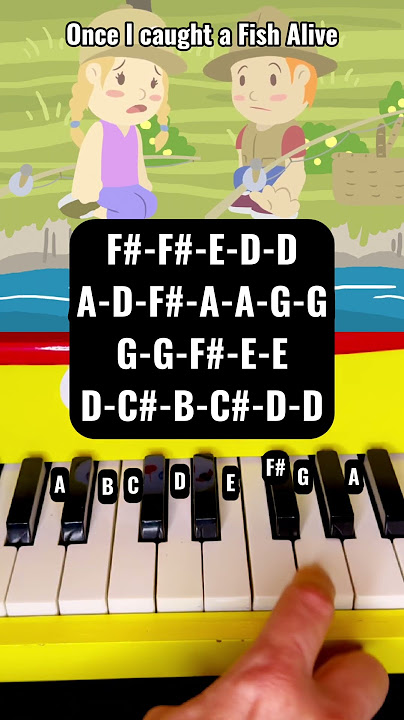
Have you ever wondered how to turn your toy piano into a real music machine? Playing songs on a toy piano might seem tricky at first, but with the right tips, you can create beautiful tunes in no time.
Whether you’re a beginner or just looking to have fun, this guide will help you unlock your piano’s full potential. Keep reading, and soon you’ll be impressing your friends with melodies that sound much bigger than your little instrument. Ready to make some music?
Let’s get started!
Choosing The Right Toy Piano
Playing songs on a toy piano can be fun and easy. Picking the right toy piano helps you learn faster.
There are many types of toy pianos. Some sound better and last longer than others.
Types Of Toy Pianos
Toy pianos come in different styles. Some have real metal strings, while others use digital sounds.
- Acoustic toy pianos: Small pianos with metal bars or strings.
- Digital toy pianos: Use electronic sounds and speakers.
- Miniature grand pianos: Look like real pianos but smaller and simpler.
Key Features To Look For
Good toy pianos should be easy to play and sound clear. Check the size and number of keys.
- Number of keys: More keys let you play more songs.
- Sound quality: Clear and pleasant tones are better for learning.
- Durability: Strong materials last longer, especially for kids.
- Size and weight: Choose one that is easy to carry and fits your space.
Budget Considerations
Toy pianos come in many price ranges. Set a budget before you start shopping.
Cheaper pianos may not last long or sound good. Higher prices usually mean better quality.
- Low budget: Basic models with fewer keys and simple sounds.
- Mid budget: Better sound and more keys for learning songs.
- High budget: Durable build, clear sound, and more features.
Basic Toy Piano Setup
A toy piano is a small, simple instrument that is fun to play. Setting it up correctly helps you enjoy making music.
This guide explains how to position your toy piano, keep it tuned, and learn the keys.
Positioning And Seating
Place your toy piano on a stable surface. Make sure it is at a comfortable height for playing.
Sit on a chair that supports good posture. Your arms should rest naturally on the piano keys.
- Use a table or desk to hold the piano
- Sit straight with feet flat on the floor
- Keep your elbows slightly above the keys
Tuning And Maintenance
Toy pianos can go out of tune over time. Regular tuning keeps the sound clear and pleasant.
Clean the piano gently to avoid dust buildup. Use a soft cloth and avoid liquids.
- Check tuning before each play session
- Use a small tuning tool if needed
- Wipe keys and body with a dry cloth
- Store the piano in a dry place
Familiarizing With The Keys
Learn the layout of the toy piano keys. They are usually smaller than a regular piano.
Practice pressing each key to hear its sound. This helps you remember the notes.
- Identify the white and black keys
- Notice the different sounds for each key
- Try simple songs to get used to the keys
Simple Notes And Scales
A toy piano is a fun way to learn music basics. It uses simple notes and scales to create songs.
Understanding notes and practicing scales help you play songs easily. Start with small steps.
Identifying Notes On The Toy Piano
The toy piano has fewer keys than a regular piano. Each key plays a different note.
Notes are usually named with letters from A to G. They repeat in a pattern across the keyboard.
- Look for labeled keys if your toy piano has them.
- Learn the order of notes: A, B, C, D, E, F, G.
- Try pressing each key and listen to the sound.
Playing Basic Scales
A scale is a sequence of notes played in order. The most common scale is the C major scale.
On a toy piano, play these notes one by one: C, D, E, F, G, A, B, C.
- Start slowly and play each note clearly.
- Repeat the scale going up and down.
- Use the same finger for one note at a time.
Practicing Finger Placement
Good finger placement helps you play smoothly. Use your thumb and fingers to reach the keys.
Keep your hand relaxed and curved over the keys. Move fingers one by one to press notes.
- Place your thumb on the C note to start.
- Use your index, middle, ring, and pinky fingers for next notes.
- Practice moving fingers without lifting your hand too much.
Learning Easy Songs
Playing songs on a toy piano is fun and simple. You can start with easy tunes that use few notes.
Learning easy songs helps you get used to the piano’s keys and sounds. It builds your confidence.
Popular Beginner Songs
Some songs are perfect for beginners on a toy piano. They use simple melodies and few notes.
- “Twinkle Twinkle Little Star”
- “Mary Had a Little Lamb”
- “Row, Row, Row Your Boat”
- “Happy Birthday”
- “Old MacDonald Had a Farm”
These songs help you practice finger movement and timing. They sound nice even when played slowly.
Step-by-step Song Breakdown
Break songs into small parts to learn them faster. Focus on one phrase at a time.
Play slowly and repeat each part until you feel comfortable. Then connect the parts together.
- Listen to the song first to know its rhythm.
- Learn the first few notes carefully.
- Practice the next few notes separately.
- Combine the sections slowly.
- Repeat until you can play smoothly.
Use your ear and fingers together. This helps you remember the song better.
Using Simple Sheet Music
Simple sheet music shows notes in an easy way. It uses big letters or numbers for each note.
Follow the notes step by step. It helps you know which key to press on your toy piano.
| Note | Key on Toy Piano | Example |
|---|---|---|
| C | First white key on the left | Play “Twinkle Twinkle” starting with C |
| D | Second white key | Use D for “Mary Had a Little Lamb” |
| E | Third white key | Common in many beginner songs |
Simple sheet music makes learning clear and less confusing. It helps you focus on playing the right notes.
Improving Playing Techniques
Playing songs on a toy piano can be fun and rewarding. Improving your technique helps you play more smoothly and confidently.
Focus on hand coordination, rhythm, and expression to make your music sound better and more lively.
Hand Coordination Tips
Good hand coordination lets you play notes clearly and in time. Practice using both hands separately first.
- Start slow and play simple songs
- Use fingers evenly to press keys
- Practice scales to improve finger strength
- Play with both hands together after separate practice
- Keep your hands relaxed to avoid tension
Rhythm And Timing
Playing with steady rhythm keeps the song flowing. Use a metronome to stay on beat.
| Tip | How to Practice |
| Count beats aloud | Say “1, 2, 3, 4” while playing |
| Use a metronome | Set slow speed and gradually increase |
| Tap your foot | Keep steady pulse while playing |
| Break difficult parts | Practice small sections at slower speed |
Adding Expression To Music
Expression makes music interesting and emotional. Use changes in volume and speed to add feeling.
Try these ideas to add expression:
- Play louder on important notes
- Slow down slightly at the end of phrases
- Use soft touch for gentle parts
- Pause briefly to create space in the music
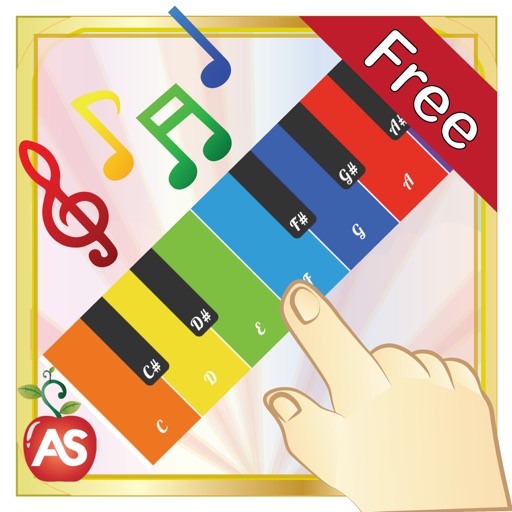
Credit: appadvice.com
Creative Play And Improvisation
Playing songs on a toy piano is a fun way to explore music. It encourages creativity and helps you try new ideas.
You do not need to follow strict rules. Improvisation lets you make music your own and enjoy the sounds.
Experimenting With Sounds
Toy pianos have a unique sound that invites you to play around. Try pressing keys softly or hard to hear different tones.
You can also tap the piano’s sides or use your fingers to create new effects. This helps you discover fun sounds.
- Play slowly and listen closely
- Mix soft and loud notes
- Try tapping the piano body
- Use different fingers for varied sounds
Making Your Own Tunes
Use the toy piano to create simple melodies. Start with easy notes that sound good together.
Repeat short patterns and change them a little each time. This way, you can build your own tunes step by step.
- Choose a few favorite notes
- Play short repeating patterns
- Change one note at a time
- Sing along to your tune
Combining Songs And Styles
Mix parts of different songs to create something new. You can blend fast and slow rhythms or happy and calm moods.
Try playing a melody from one song and add your own ending. This lets you explore many musical styles on your toy piano.
- Pick two songs you like
- Play a part from the first song
- Switch to a part from the second song
- Add your own twist at the end
Caring For Your Toy Piano
Caring for your toy piano helps it sound good and last longer. Simple care keeps your piano in great shape.
Learn how to clean, store, and fix common problems. This guide helps you protect your toy piano every day.
Cleaning And Storage
Keep your toy piano clean by wiping it gently with a soft cloth. Avoid water or harsh cleaners that can damage it.
Store the piano in a dry, cool place away from direct sunlight. Cover it with a cloth to keep dust off.
- Use a dry microfiber cloth for dusting
- Do not use sprays or wet cloths
- Keep away from heat and moisture
- Cover the piano when not in use
Troubleshooting Common Issues
If some keys stick or do not play, check for dirt or small objects inside. Clean carefully to fix this.
Loose parts can make noises or stop working. Tighten screws gently or seek help if unsure.
- Check keys for dust or debris
- Do not force stuck keys
- Tighten loose screws with care
- Ask an adult for help if needed
Extending Your Piano’s Lifespan
Play your toy piano often but gently. Avoid dropping or banging it to keep parts safe.
Regular care and careful use help your piano last for many years. Treat it like a real instrument.
- Handle the piano with clean hands
- Keep it on a stable surface while playing
- Avoid rough play or dropping
- Clean and store it properly after use

Credit: www.youtube.com

Credit: www.youtube.com
Frequently Asked Questions
How Do You Start Playing A Toy Piano?
Begin by familiarizing yourself with the keys. Start with simple tunes like “Twinkle, Twinkle, Little Star. ” Practice regularly to improve. Use online tutorials or songbooks designed for toy pianos to guide you. As you get comfortable, try more complex songs to enhance your skills.
What Songs Can Beginners Play On Toy Piano?
Beginners can start with nursery rhymes and simple melodies. Popular choices include “Mary Had a Little Lamb” and “Old MacDonald. ” These songs are easy to learn and help build confidence. As you progress, explore beginner-level sheet music available online for more song options.
How Is A Toy Piano Different From A Regular Piano?
A toy piano is smaller, with fewer keys and a distinct sound. It usually has 25 to 37 keys, compared to a standard piano’s 88 keys. The sound is created by striking metal rods instead of strings. It’s ideal for young children or as a fun, portable instrument.
Can Adults Learn To Play Toy Piano?
Yes, adults can learn to play a toy piano. It’s a great way to explore music without investing in a full-sized instrument. With practice, adults can play simple to intermediate-level songs. Online resources and sheet music make learning accessible and enjoyable for all ages.
Conclusion
Playing songs on a toy piano can be fun and simple. Start with easy tunes and practice little by little. Use your ears to listen and your hands to play. Don’t worry about mistakes; they help you learn. Keep trying and enjoy the sounds you create.
Soon, you will play your favorite songs with joy. Remember, the key is patience and practice every day. Toy piano music brings happiness to both players and listeners. So, grab your toy piano and make some music today!