


Have you ever wondered if there’s a right age to stop playing with toys? Maybe you feel a little unsure when you catch yourself enjoying a game or picking up a toy meant for kids.
You’re not alone. Toys aren’t just for children—they can bring joy, spark creativity, and even reduce stress no matter how old you are. But is there a point when playing with toys stops being okay? Keep reading, because understanding the role toys play in your life might change the way you see them forever.
Benefits Of Playing With Toys At Any Age
Playing with toys is not just for children. Adults also gain many benefits from playing. Toys can help keep the mind active and the body relaxed. They add fun and joy to daily life.
People should never feel too old to enjoy toys. Playing helps improve skills and brings happiness. It also supports mental and emotional health.
Cognitive Development And Creativity
Toys challenge the brain and help it grow. Puzzles and building blocks improve problem-solving skills. Playing encourages creative thinking and new ideas.
Adults can use toys to explore new hobbies or improve skills. Creativity often leads to better work and personal life. Toys keep the mind sharp and active.
Stress Relief And Emotional Health
Playing with toys helps reduce stress and calm the mind. It offers a break from daily worries and work pressure. This can improve mood and emotional balance.
Using toys like stress balls or fidget spinners can help focus and relax. Play also brings joy and laughter, which are good for emotional health. It helps people feel happier and less anxious.
Social Connections And Communication
Toys can bring people together. Board games and group activities help build social bonds. Playing with others improves communication and teamwork skills.
Sharing playtime creates memories and strengthens friendships. It also teaches patience and cooperation. Toys help people connect across all ages.
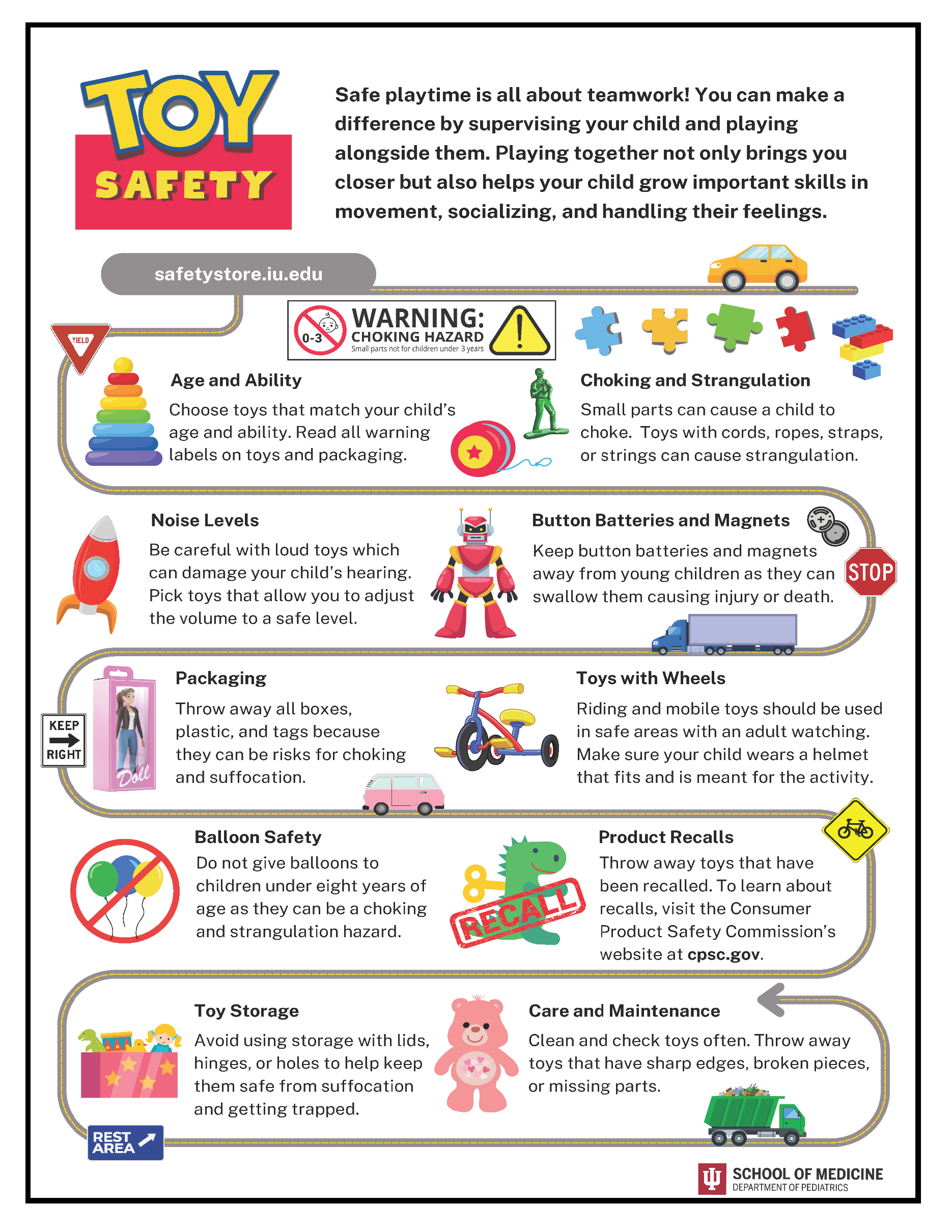
Credit: safetystore.iu.edu
Common Age-related Stereotypes
Many people wonder when it is appropriate to stop playing with toys. Society often sets invisible age limits. These limits affect how people view play at different ages.
Age-related stereotypes can shape the way children and adults enjoy toys. These ideas come from culture, gender expectations, and social norms.
Cultural Expectations Around Toy Play
Different cultures have unique views on when people should stop playing with toys. In some places, play is seen as only for young children. Other cultures encourage play for all ages.
- Some cultures expect children to play only until puberty.
- In other societies, adults keep playing as a way to relax and learn.
- Cultural stories and media often show adults without toys as mature.
- Religious and social traditions may set rules about age and play.
Gender And Age Norms
Gender also affects ideas about toy play and age. Boys and girls may face different pressures about what toys are okay at certain ages.
| Age Group | Common Toy Expectations for Boys | Common Toy Expectations for Girls |
| Early Childhood | Action figures, cars, building blocks | Dolls, kitchen sets, dress-up costumes |
| Pre-Teens | Sports equipment, video games | Craft kits, fashion dolls |
| Teens and Adults | Limited toy play, focus on gadgets | Minimal toy play, focus on social activities |
Impact Of Stereotypes On Play Habits
Age and gender stereotypes limit how people play. They can make some feel embarrassed to enjoy toys after a certain age.
Common effects of these stereotypes include:
- Adults hiding their toy collections to avoid judgment.
- Children stopping play early to fit in with peers.
- Reduced creativity and learning from play in older age.
- Pressure to conform to social norms rather than personal interest.
Adult Play: Embracing Toy Interaction
Toys are not just for children. Adults also enjoy playing with toys for fun and relaxation. Playing with toys can bring joy and creativity to adult life.
Many adults find toys help them express themselves and connect with others. There is no set age to stop playing with toys.
Collecting And Hobbyist Communities
Adults often collect toys as a hobby. They join groups to share their passion and knowledge. Collecting toys can be a social activity.
Hobbyists enjoy rare or vintage toys. They trade, display, and care for their collections carefully. This hobby creates friendships and builds communities.
- Action figures and dolls
- Model trains and cars
- Building blocks and puzzles
- Comic and movie memorabilia
Therapeutic Uses Of Toys
Toys can help adults manage stress and anxiety. Playing with simple toys can improve focus and calm the mind. Therapists use toys in many treatments.
Using toys helps adults express feelings and solve problems. This method supports mental health and emotional growth. Toys are tools for healing and learning.
- Stress balls for relaxation
- Fidget spinners for focus
- Art supplies for creativity
- Role-playing toys for therapy
Toys In Professional And Creative Fields
Many professionals use toys in creative work. Designers and artists use toys to inspire new ideas. Educators use toys to teach complex topics.
Toys also appear in architecture, film, and advertising. They help explain concepts or add fun elements to projects. Toys support innovation and imagination.
- Architectural models for design
- Stop-motion animation figures
- Educational kits in classrooms
- Marketing campaigns with toy mascots
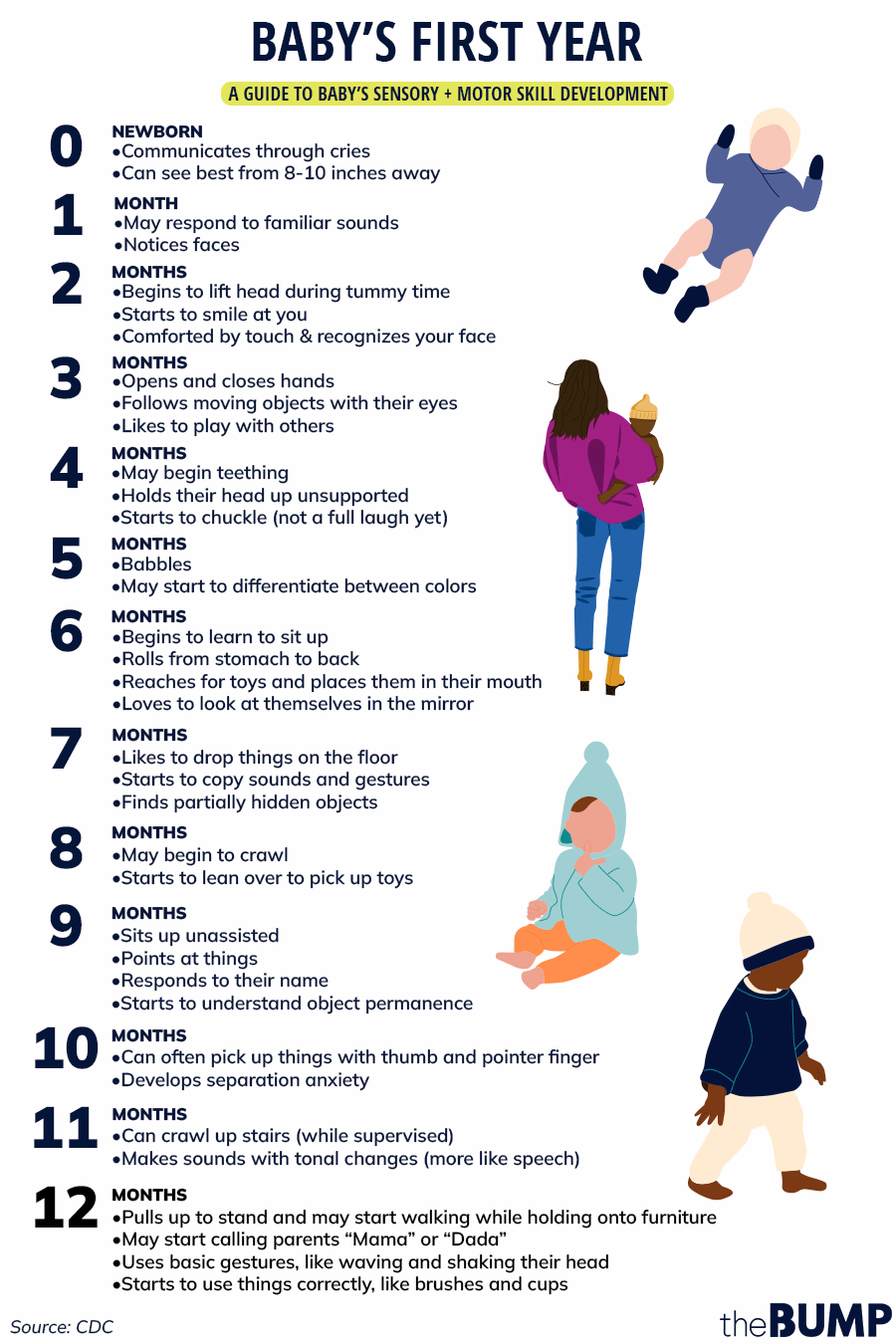
Credit: www.thebump.com
When Toy Play Might Need Adjustment
Playing with toys is fun and helps learning. But there are times when toy play needs to change.
Knowing when to adjust toy use is important for growing kids and their social life.
Balancing Responsibilities And Playtime
Kids must balance school, chores, and play. Too much toy play can affect duties.
- Set specific times for playing with toys.
- Finish homework before starting playtime.
- Use toy play as a reward for completed tasks.
- Keep playtime short on busy days.
Recognizing Social Contexts
Social settings can show if toy play is suitable. Some toys fit certain places and groups.
| Social Situation | Toy Play Suitability |
|---|---|
| School | Usually no toy play during class time |
| Playdates | Toys that all children enjoy are best |
| Public Places | Quiet or small toys preferred |
| Family Time | Toys that encourage sharing are good |
Signs To Reevaluate Toy Use
Watch for signs that toy play needs change. Not all play suits every stage of life.
- Loss of interest in toys or play.
- Difficulty focusing on schoolwork due to play.
- Social problems caused by toy habits.
- Using toys in unsafe ways.
- Feeling embarrassed about toy use with friends.
Tips For Integrating Toys Into Adult Life
Toys are not just for kids. Adults can enjoy play too. Playing can reduce stress and spark creativity.
Using toys in adult life needs some thought. Choose the right toys and find time to play. Sharing play can make it more fun.
Choosing Age-appropriate Toys
Select toys that fit your interests and lifestyle. Some toys suit adults better than others. Look for toys that challenge your mind or relax you.
- Puzzles and brain teasers for mental exercise
- Building sets like LEGO for creativity
- Model kits for focus and detail
- Board games for social play
- Stress balls or fidget toys for relaxation
Incorporating Play Into Daily Routine
Make play a part of your day. It can be short but regular. Play helps break up work and refresh your mind.
| Time of Day | Suggested Play Activity | Benefits |
| Morning | Brain teaser or puzzle | Wake up your mind |
| Lunch Break | Quick board game round | Relax and socialize |
| Evening | Building sets or model kits | Unwind and focus |
| Before Bed | Stress ball or fidget toy | Reduce tension |
Sharing Play With Others
Playing with others can increase fun and connection. It can be friends, family, or coworkers. Group play can improve teamwork and mood.
- Organize game nights with friends
- Join clubs for model building or puzzles
- Play board games during family time
- Use toys in team-building activities at work

Credit: www.reddit.com
Frequently Asked Questions
What Age Is Normal To Stop Playing With Toys?
There is no specific age to stop playing with toys. It varies based on individual preferences and developmental stages. Some children may lose interest as they grow older, while others continue to enjoy toys well into their teenage years. It’s important to respect personal choices and understand that play can be beneficial at any age.
Is It Okay For Teenagers To Play With Toys?
Yes, it’s perfectly okay for teenagers to play with toys. Toys can offer stress relief, encourage creativity, and provide a fun break from daily responsibilities. Many teens enjoy collectibles, model building, or board games. These activities can be both entertaining and educational, supporting cognitive and emotional development.
Can Adults Benefit From Playing With Toys?
Absolutely, adults can benefit from playing with toys. Toys like puzzles, model kits, or board games can improve cognitive skills. They also offer relaxation, stress relief, and a chance to reconnect with childhood joys. Playing with toys can enhance creativity and provide a valuable mental break from adult responsibilities.
Why Do Some Adults Collect Toys?
Many adults collect toys as a hobby or investment. Collecting can evoke nostalgia, reminding them of cherished childhood memories. It can also be a social activity, connecting enthusiasts with similar interests. Some collectors view their collections as valuable investments, appreciating in value over time due to rarity and demand.
Conclusion
Playing with toys has no strict age limit. It helps creativity and keeps the mind active. Adults can enjoy toys just like children do. Toys bring joy and reduce stress at any age. Choose toys that match your interests and lifestyle.
Let fun and learning guide your decision, not age alone. Remember, play is a part of life, always.