
Have you ever wondered if 10 year olds still play with toys? You might think that by this age, kids leave toys behind and focus only on gadgets or schoolwork.
But the truth might surprise you. Understanding why your child or a 10-year-old you know still enjoys toys can reveal a lot about their growth, creativity, and happiness. Keep reading to discover how toys fit into a 10-year-old’s world and why they matter more than you might expect.
Toys And Age Groups
Children play with different toys as they grow. Toys help develop skills and keep kids happy.
At age 10, kids still enjoy toys but their choices often change from younger years.
Common Toys For 10 Year Olds
Ten-year-olds like toys that challenge their minds and let them be creative. They enjoy building and collecting.
Popular toys include puzzles, action figures, and science kits. Many also like sports equipment and board games.
- Building sets like LEGO
- Science and experiment kits
- Action figures and dolls
- Sports gear like balls and jump ropes
- Board games and card games
- Art and craft supplies
How Interests Evolve With Age
As kids grow, their play changes. They want toys that match their new skills and interests.
Young children play mostly for fun. Older kids look for toys that make them think or help them learn.
- Toddlers like simple, colorful toys
- Preschoolers enjoy pretend play and building blocks
- Early school-age kids choose puzzles and action figures
- Older children prefer strategy games and sports
- Teenagers often shift to technology and hobbies
Benefits Of Toys At Age 10
Toys are not just for little kids. Ten-year-olds still gain a lot from playing with toys. Toys help children learn and grow in many ways.
Playing with toys can support learning, social skills, and creativity. These benefits help children develop important abilities for school and life.
Cognitive Development
Toys help ten-year-olds improve thinking and problem-solving skills. They encourage kids to plan, focus, and remember details.
Puzzles, building sets, and strategy games challenge the brain. These toys make children practice logic and reasoning.
- Improve memory and attention
- Enhance problem-solving skills
- Encourage logical thinking
Social Skills And Interaction
Toys encourage children to play with friends or family. This helps ten-year-olds learn to share, take turns, and cooperate.
Playing with others also teaches children how to communicate clearly and understand feelings. These skills build strong friendships.
- Practice sharing and teamwork
- Learn to communicate better
- Develop empathy and patience
Creativity And Imagination
Toys like art supplies, dolls, and building blocks let children express their ideas. They can create stories and build new worlds.
Creative play helps kids think outside the box and explore new possibilities. This kind of play supports emotional growth.
- Encourage original ideas
- Support storytelling and role play
- Boost emotional expression
Popular Toy Categories
Toys play an important role in a 10-year-old’s growth. They help develop skills and encourage creativity. Many children enjoy different types of toys as they explore their interests.
This guide looks at popular toy categories for 10-year-olds. Each type offers unique ways to play and learn.
Building Sets And Construction Toys
Building sets let kids create models using small pieces. These toys improve problem-solving and fine motor skills. Popular sets include blocks, bricks, and magnetic tiles.
Children enjoy making structures like houses, cars, and robots. These toys also encourage teamwork when played with friends.
Action Figures And Dolls
Action figures and dolls let children act out stories. They spark imagination and social skills. Kids often collect their favorite characters from movies or shows.
- Superheroes and fantasy characters
- Classic dolls and fashion dolls
- Animal figures and playsets
Board Games And Puzzles
Board games and puzzles challenge a child’s mind. They promote thinking, patience, and teamwork. These toys are great for family and friend activities.
| Game Type | Skills Developed | Examples |
| Board Games | Strategy, Social Skills | Checkers, Monopoly |
| Puzzles | Problem Solving, Focus | Jigsaw, Brain Teasers |
Tech And Electronic Toys
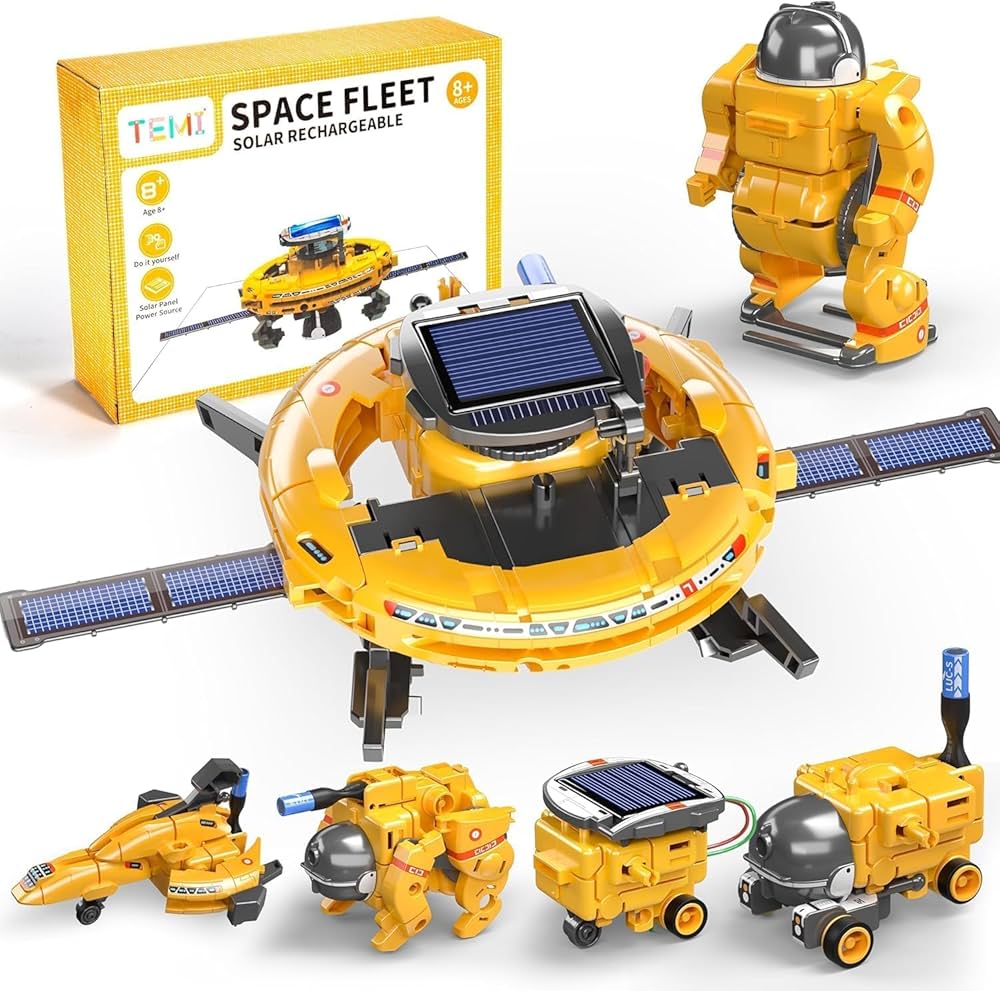
Tech toys introduce kids to new technology. They include gadgets, robots, and learning devices. These toys help with coding, creativity, and logical thinking.
Popular tech toys often have interactive features like lights and sounds. They keep children engaged while teaching useful skills.

Credit: www.amazon.in
Influence Of Technology
Technology shapes how 10 year olds spend their playtime. Digital devices offer new ways to learn and have fun.
Yet, physical toys still play a role in their daily activities. Both types affect children’s development in different ways.
Screen Time Vs Physical Toys
Kids often split their time between screens and traditional toys. Each has benefits and drawbacks for their growth.
- Screens can improve problem-solving skills through apps and videos.
- Physical toys help develop motor skills and imagination.
- Too much screen time might reduce physical activity.
- Playing with toys encourages social interaction with friends.
Educational Apps And Gadgets
Many educational apps teach math, reading, and science in fun ways. Gadgets can make learning interactive and exciting.
| Type | Examples | Benefits |
| Tablet Apps | Math games, reading stories | Builds knowledge and focus |
| Learning Robots | Programmable toys, coding bots | Improves logic and creativity |
| Interactive Books | Augmented reality books | Enhances engagement and curiosity |
Cultural And Social Factors
Children’s play habits change based on culture and society. These factors shape what toys kids like.
For 10 year olds, social groups and cultural background guide their toy choices and play styles.
Peer Influence On Toy Choices
Friends affect what toys children want. Kids often pick toys popular in their group.
Peer pressure can make children choose toys that help them fit in or feel accepted.
- Children copy friends’ toy choices to join in play activities.
- Popular toys in school or clubs shape what kids ask for.
- Children may avoid toys seen as unpopular by peers.
Gender And Toy Preferences
Boys and girls often like different toys due to social ideas about gender roles.
Cultural messages guide children to pick toys linked to their gender.
- Boys tend to choose action figures, cars, and building sets.
- Girls often prefer dolls, art supplies, and role-play toys.
- Some children enjoy toys outside traditional gender types.
Parental Role In Toy Selection
Parents play an important role in choosing toys for 10 year olds. Toys help children grow and enjoy free time.
Careful toy selection supports healthy play and learning. Parents guide children to pick safe and fun toys.
Encouraging Play
Parents should encourage play by offering toys that match their child’s interests. Play helps build creativity and skills.
Let children explore different toys. This helps them find what they enjoy most and stay active.
- Offer a variety of toys to spark curiosity
- Join in play to show interest and support
- Give space for independent play to build confidence
Balancing Fun And Learning
Toys should be both fun and educational. Parents can choose toys that teach new ideas while entertaining children.
This balance helps kids enjoy playtime and develop important skills for school and life.
- Select toys that challenge thinking and creativity
- Include toys that promote teamwork and problem solving
- Rotate toys to keep play fresh and interesting
Surprising Trends In Play
Toys are changing for kids around 10 years old. New trends show shifts in what children enjoy.
Adults play a big role in shaping the toy market. Also, toys meant for older kids attract this age group.
Adult Influence On Toy Markets
Parents and caregivers often decide which toys kids get. Their preferences affect the toy styles and themes.
- Adults prefer toys that are educational and safe.
- They tend to choose toys that last longer.
- Many adults look for toys that teach skills.
- Packaging and brand reputation influence adult choices.
- Adults also push for toys with less screen time.
Toys That Appeal To Older Children
Toys for older kids often include more complex features. These toys help with creativity and problem-solving.
| Toy Type | Appeal Factor | Example |
| Building Sets | Creative and hands-on | Advanced LEGO kits |
| Science Kits | Learning and fun | Chemistry sets |
| Strategy Games | Thinking and planning | Board games like Chess |
| Action Figures | Imaginative play | Superhero figures |
| Outdoor Toys | Physical activity | Sports gear and bikes |

Credit: www.bbc.co.uk
Credit: lovevery.com
Frequently Asked Questions
Do 10 Year Olds Still Play With Toys?
Yes, many 10 year olds still enjoy playing with toys. Toys can foster creativity, social skills, and problem-solving abilities. While their interests may shift to more complex toys or activities, they often still appreciate traditional toys. The key is finding toys that match their evolving interests and developmental stage.
What Toys Are Popular For 10 Year Olds?
Popular toys for 10 year olds include building sets, board games, and art kits. These toys encourage creativity and strategic thinking. Many kids also enjoy interactive and tech-based toys. It’s important to consider each child’s unique interests when choosing toys.
This ensures they remain engaged and entertained.
Are Educational Toys Suitable For 10 Year Olds?
Yes, educational toys are highly suitable for 10 year olds. These toys can enhance learning in a fun way. They often focus on STEM subjects, creativity, and critical thinking. Educational toys keep children engaged while reinforcing important skills. They provide a balance of entertainment and learning, making them ideal for this age group.
How To Choose The Best Toys For 10 Year Olds?
Choosing the best toys involves considering the child’s interests and development. Look for toys that challenge their creativity and cognitive skills. Consider options that encourage social interaction and physical activity. Ensure the toys are age-appropriate and safe. Reading reviews and seeking recommendations can also help in making the best choice.
Conclusion
Ten-year-olds still enjoy playing with toys. Toys help children learn and have fun. They support creativity and build social skills. Kids choose toys that match their interests. Playing also helps them relax and explore. Parents should encourage safe and age-appropriate toys.
Toys remain a part of childhood joy. Playtime keeps growing minds active and happy. So, toys matter even as kids grow older.