






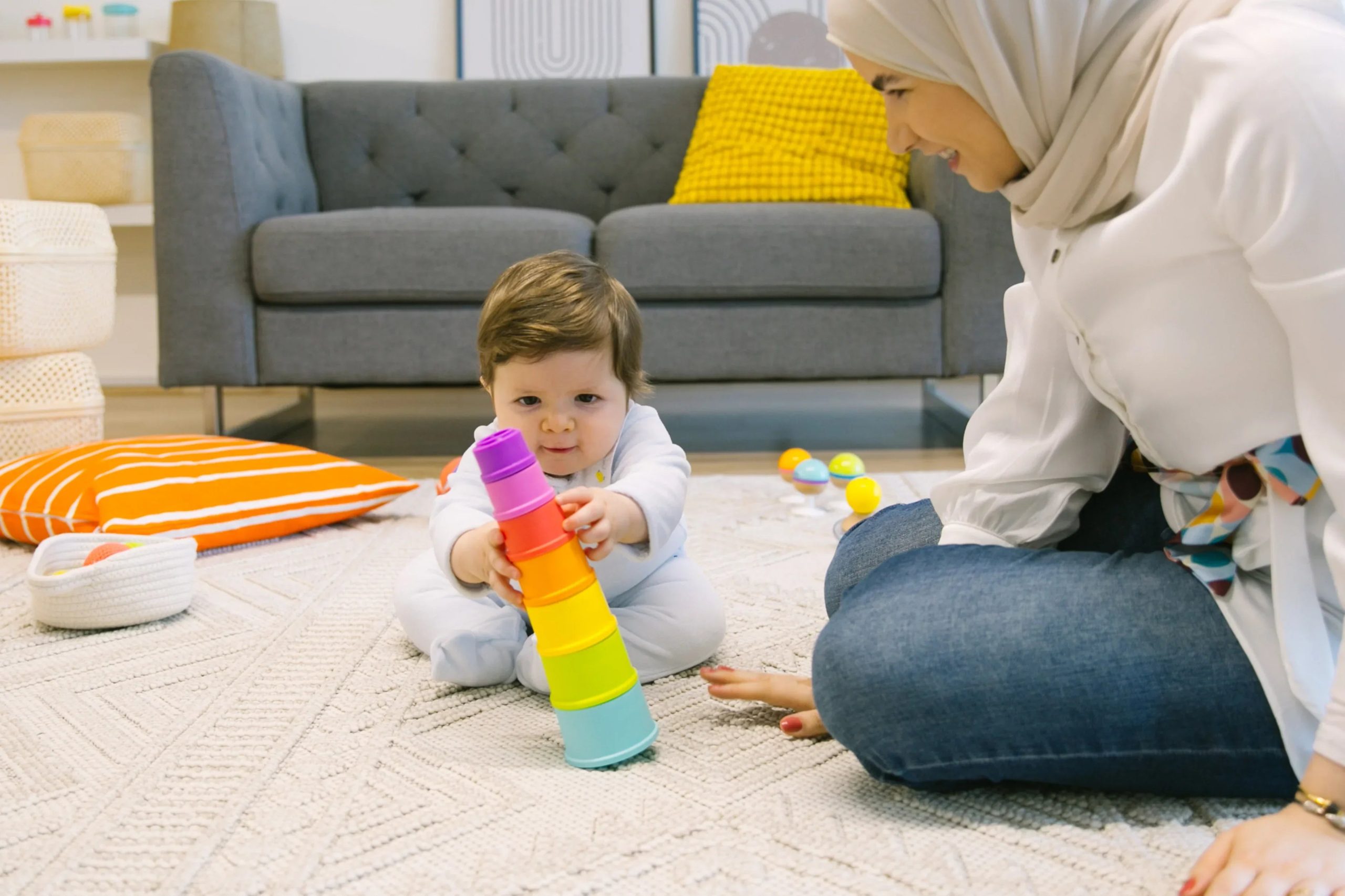
You’re probably wondering when your newborn is ready to start playing with toys. It’s a question many new parents ask because you want what’s best for your baby’s growth and happiness.
The right toys at the right time can help your little one’s development in amazing ways. But starting too early or choosing the wrong toys might not have the impact you hope for. Keep reading, and you’ll discover exactly when and how to introduce toys that will truly engage your baby and support their natural learning.
Your baby’s playtime is about to get exciting!
Credit: www.thebump.com
Toys For Newborns
Newborns start exploring the world through their senses. Toys help babies learn about touch, sight, and sound. Parents often wonder when to give toys to newborns.
It is safe to offer simple, soft toys soon after birth. These toys support early development and comfort for babies.
Safe Toy Materials
Choose toys made from non-toxic and safe materials. Babies put toys in their mouths, so materials must not harm them.
Natural fabrics, BPA-free plastics, and organic wood are good choices. Avoid toys with paint or coatings that can peel off.
- Soft cotton or organic fabric
- BPA-free and phthalate-free plastic
- Natural, untreated wood
- Non-toxic dyes and paints
Size And Shape Considerations
Toys for newborns should be easy to hold and safe to mouth. Small parts can cause choking and must be avoided.
Choose toys that are larger than the baby’s mouth and have smooth edges. Round shapes work well for little hands.
- At least 1.75 inches wide to prevent choking
- Rounded edges and no sharp points
- Lightweight and easy to grip
- No loose parts or detachable pieces
Tactile And Visual Stimulation
Newborns learn by touching and looking. Toys with different textures and colors help their senses grow.
Soft rattles, crinkly fabrics, and high-contrast patterns are great for early play. These toys keep babies interested and calm.
- Soft and crinkly fabrics for touch
- Black and white or bright color patterns
- Lightweight rattles that make gentle sounds
- Simple shapes to focus on visually
Developmental Milestones
Newborns grow quickly and reach many milestones in their first months. Playing with toys helps their development. It is important to know when babies are ready for different types of play.
This guide explains key skills newborns develop before they can enjoy toys. Understanding these stages helps parents choose the right toys at the right time.
Reflexes And Motor Skills
Newborns have natural reflexes that help them interact with their world. They start to gain control over their movements in the first weeks. Motor skills develop from simple to more complex actions.
- Grasp reflex: Babies hold objects placed in their hands.
- Rooting reflex: Babies turn their heads toward touch near the mouth.
- Improved muscle control: Babies begin to move arms and legs more purposely.
Hand-eye Coordination
Hand-eye coordination is the ability to use eyes and hands together. It develops as babies learn to see an object and reach for it. This skill improves over the first six months.
| Age | Milestone | Example Toy |
|---|---|---|
| 0-2 months | Looks at objects briefly | High-contrast cards |
| 3-4 months | Reaches and bats at toys | Soft rattles |
| 5-6 months | Grasps and holds objects | Teething rings |
Sensory Exploration
Babies learn about the world by using their senses. Toys that stimulate sight, touch, sound, and smell encourage sensory exploration. This helps brain growth and curiosity.
Types of sensory toys for newborns include:
- Soft fabrics for touch
- Bright colors and patterns for sight
- Gentle sounds like rattles or bells
- Safe objects with different textures
Ideal Age To Introduce Toys
Introducing toys to your newborn can be a joyful experience. Toys help babies explore and learn about the world.
Knowing the right time to give toys is important for safety and development. Babies grow fast, and their needs change.
First Few Weeks
In the first few weeks, babies mostly focus on feeding and sleeping. Their vision is blurry, and they prefer simple shapes and high contrast colors.
Toys at this stage should be soft and safe. Rattles or black and white cards are good choices. Keep toys simple and close to their face.
Around Two Months
By two months, babies start to track objects with their eyes. They show more interest in toys and may try to reach out.
- Soft toys with different textures
- Brightly colored rattles
- Mirrors made for babies
- Mobiles with moving parts
These toys encourage hand-eye coordination and sensory development. Always watch your baby while playing.
Signs Baby Is Ready
Every baby is different, but some signs show they are ready for toys. Watch for these clues to choose the right playthings.
| Sign | What It Means |
|---|---|
| Reaches for objects | Ready to explore with hands |
| Follows moving toys with eyes | Developing focus and tracking |
| Enjoys touching different textures | Building sensory skills |
| Shows curiosity or smiles at toys | Interested in play and learning |

Credit: www.youtube.com
Types Of Toys For Early Play
Newborns begin to explore the world with their senses. Toys help them learn about touch, sight, and sound. Choosing the right toys supports their growth and keeps them engaged.
This guide covers three popular toy types for early play. Each type helps babies develop different skills safely and enjoyably.
Soft Rattles And Teethers
Soft rattles make gentle sounds when shaken. They catch a baby’s attention and encourage hand movement. Teethers soothe sore gums during teething. Both toys are usually made of safe, soft materials.
- Easy to hold for small hands
- Safe to chew on
- Lightweight and colorful
- Help develop motor skills
High-contrast Toys
Newborns see high-contrast colors best. Black, white, and red patterns attract their eyes. High-contrast toys help improve focus and visual tracking. These toys often include simple shapes and bold designs.
| Color | Benefit |
| Black and White | Sharp contrast for newborn vision |
| Red | Bright color to hold attention |
| Simple Shapes | Easier for babies to recognize |
Tummy Time Accessories
Tummy time strengthens babies’ neck and shoulder muscles. Accessories make tummy time fun and comfortable. These toys encourage babies to lift their heads and move their arms.
Popular tummy time accessories include:
- Soft mats with bright patterns
- Mirrors safe for babies
- Plush toys placed just out of reach
- Support pillows for added comfort
Encouraging Play Safely
Introducing toys to newborns can help their growth. Playtime helps babies learn new skills.
Parents should ensure play is safe and fun. Following simple rules keeps babies protected.
Supervised Playtime
Always watch your newborn while they play. Supervision stops accidents and helps bonding.
Avoiding Choking Hazards
Babies put toys in their mouths. Small parts can block their throat and cause choking.
- Choose toys larger than the baby’s mouth.
- Avoid toys with small detachable pieces.
- Check toys for loose parts or breaks often.
- Use soft, non-toxic materials for safety.
Cleaning And Maintenance
| Task | How Often | Method |
| Wipe down surfaces | Daily | Use a damp cloth with mild soap |
| Wash fabric toys | Weekly | Machine wash on gentle cycle |
| Inspect for damage | Before each use | Look for cracks or loose parts |
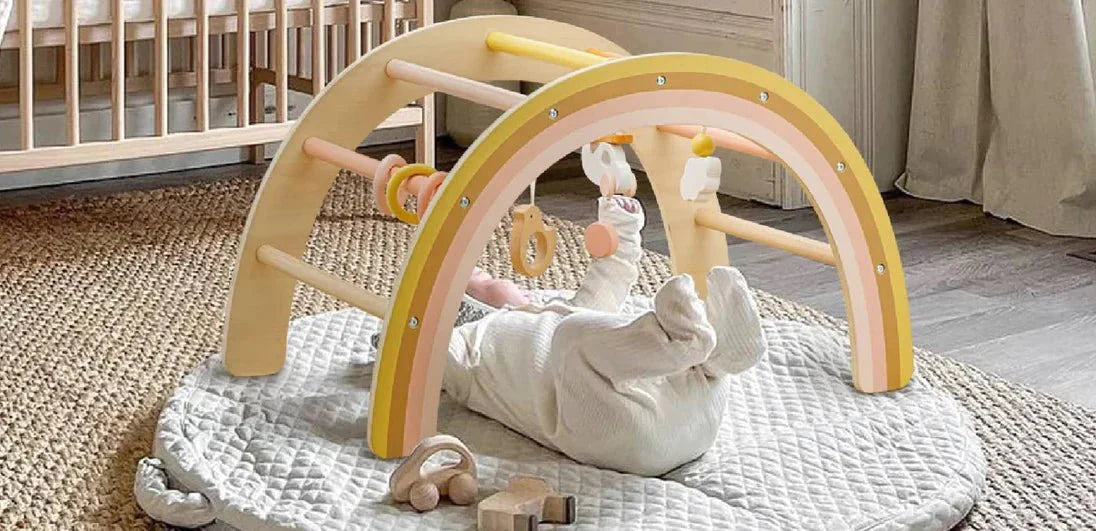
Credit: www.tinylandus.com
Benefits Of Early Play
Playing with toys helps newborns learn about the world. Early play starts their development in many ways.
Toys can support a baby’s brain, emotions, and body from a young age.
Cognitive Growth
Toys help babies think and understand new things. They learn cause and effect by pressing buttons or shaking rattles.
Playing with different shapes and colors improves memory and problem-solving skills.
- Recognize shapes and colors
- Learn how actions cause reactions
- Develop attention and focus
Emotional Bonding
Toys can bring parents and babies closer. Shared play builds trust and comfort.
Babies feel safe when parents join in play. This helps emotional growth and social skills.
- Create happy moments together
- Encourage smiles and laughter
- Build early social connections
Physical Development
Playing with toys helps babies move and grow stronger. Grasping toys improves hand muscles and coordination.
Reaching and shaking toys also support motor skills and body control.
- Strengthen fingers and hands
- Improve eye-hand coordination
- Encourage crawling and movement
Tips For Choosing The Right Toys
Choosing toys for newborns helps support their growth and learning. It is important to pick toys that are safe and suitable for their age.
Good toys encourage babies to explore and discover new things using their senses. This guide gives tips to help you select the best toys for your little one.
Age-appropriate Selection
Select toys that match your baby’s development stage. Toys that are too advanced may frustrate them. Simple shapes and bright colors work well for newborns.
- Soft rattles for grasping and shaking
- Textured teething toys for chewing
- High-contrast books for visual focus
- Mobiles with gentle movement
Engaging Multiple Senses
Toys that stimulate touch, sight, and hearing help babies learn faster. Look for toys that make sounds, have different textures, or show bright colors.
| Senses | Toy Examples |
| Touch | Soft stuffed animals, textured balls |
| Sight | Black and white cards, colorful blocks |
| Hearing | Rattles, crinkle toys, musical toys |
Rotating Toys To Maintain Interest
Babies get bored if they see the same toys every day. Rotate toys every few days to keep them curious and engaged.
Here are tips for rotating toys:
- Keep some toys out and store others away
- Swap toys every 3 to 5 days
- Observe which toys your baby likes most
- Introduce new toys gradually
Frequently Asked Questions
When Can Newborns Safely Start Playing With Toys?
Newborns can start playing with soft, sensory toys around 1 to 2 months old. At this stage, toys should be safe, non-toxic, and easy to grasp.
What Types Of Toys Suit Newborns Best?
Newborns benefit from high-contrast, soft, and textured toys. These stimulate their developing senses and encourage early motor skills and visual tracking.
How Do Toys Help Newborn Development?
Toys aid newborns by enhancing sensory experiences, improving hand-eye coordination, and fostering cognitive growth. Age-appropriate toys support early learning effectively.
Can Newborns Interact With Electronic Toys?
It’s best to avoid electronic toys for newborns. Simple, non-electronic toys encourage natural sensory exploration and reduce overstimulation risks.
Conclusion
Introducing toys to newborns enriches their early development. Start with soft, colorful items. These toys stimulate their senses and encourage exploration. Ensure toys are safe and suitable for newborns. Observing your baby’s reactions helps you choose the right toys. Interaction with toys fosters growth and learning.
Remember, every baby develops at their own pace. Be patient and enjoy these precious moments. As they grow, their interest in toys will evolve. Keep providing age-appropriate toys to support their curiosity. Always prioritize safety and comfort in their playtime.
This nurturing approach benefits your baby’s growth and happiness.