
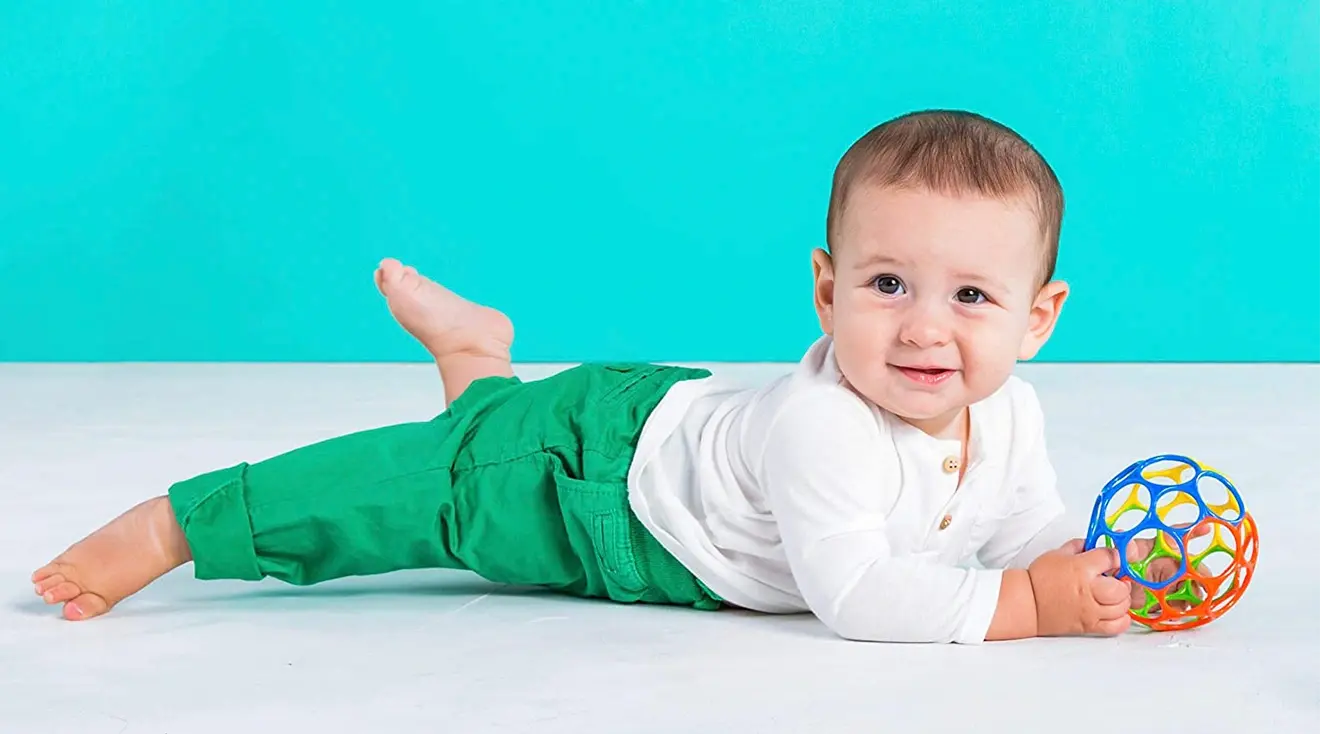
Have you ever wondered when your baby will start reaching for their first toy? Watching your little one explore the world through play is one of the most exciting moments for any parent.
But when exactly does this magical stage begin? Understanding when babies start to play with toys can help you choose the right items that support their growth and keep them happy. Keep reading to discover the signs to look for and how you can encourage your baby’s playtime at every step.

Credit: toyadvisorpro.com
Early Interest In Toys
Babies start showing interest in toys very early. Their curiosity helps them learn about the world.
Playing with toys supports their growth and development in many ways.
Recognizing Objects
At first, babies begin to recognize shapes, colors, and sizes of objects. This helps them understand their surroundings.
- They watch objects closely.
- They show interest in bright colors.
- They smile or reach out to toys.
Reaching And Grasping
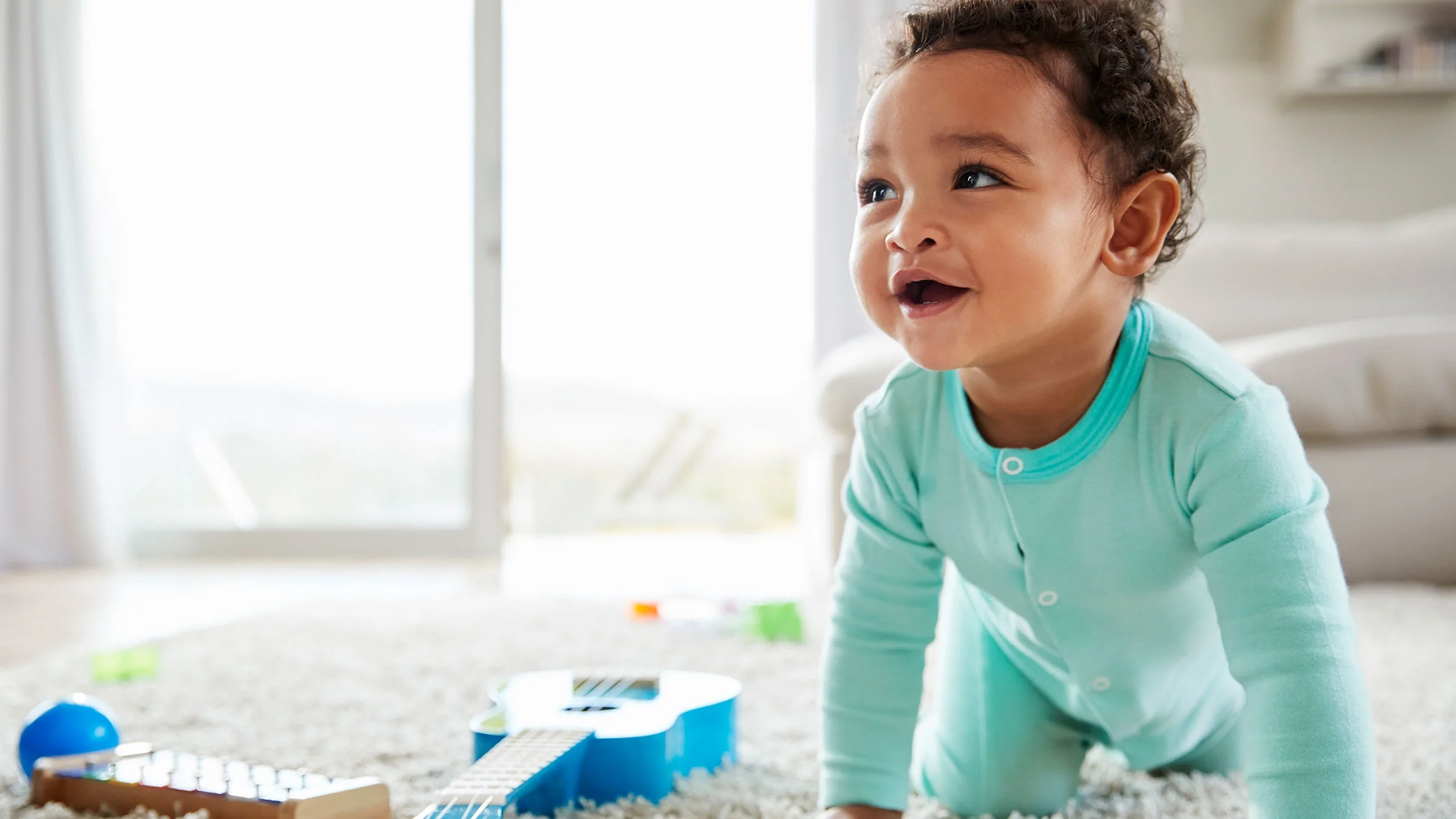
Babies soon start to reach for toys. Grasping helps improve their hand strength and coordination.
| Age | Milestone |
| 0-2 months | Reflexive grasping |
| 3-4 months | Voluntary reaching and holding |
| 5-6 months | Passing toys between hands |
Credit: toyadvisorpro.com
Exploring Toys Around 3 To 6 Months
Babies start to explore toys between 3 and 6 months old. This is an important time for their growth and learning.
At this age, babies develop new skills by touching and looking at toys. Parents can help by offering safe and colorful items.
Holding And Shaking
Between 3 and 6 months, babies learn to hold toys with their hands. They often shake toys to hear sounds or feel movement.
- Choose light toys that are easy to grip.
- Soft rattles help babies enjoy shaking sounds.
- Textured toys encourage touch and grip.
- Bright colors attract their attention.
Visual Tracking
Visual tracking means following a toy with the eyes. Babies practice this skill by watching moving toys.
| Visual Tracking Activity | How to Do It |
| Moving a Toy Side to Side | Hold a toy and move it slowly left to right. Let the baby follow it with their eyes. |
| Using Bright Colors | Use toys with strong colors to make tracking easier for babies. |
| High Contrast Patterns | Black and white or bold patterns help babies focus better. |
Toy Interaction At 6 To 9 Months
Between six and nine months, babies start exploring toys more actively. They use their hands and mouths to learn about objects.
This stage is important for developing hand-eye coordination and social skills through play.
Passing And Transferring Objects
At this age, babies begin passing toys from one hand to the other. This shows growing control over their movements.
They also enjoy giving toys to others and taking toys back. This helps them learn sharing and cause-effect.
- Grasp a toy with one hand
- Move it to the other hand smoothly
- Pass the toy to a parent or friend
- Take a toy back from someone
Imitating Actions
Babies start copying simple actions with toys. They watch adults and try to repeat what they see.
This imitation helps babies learn how to use toys and understand social play.
- Shake a rattle after seeing an adult shake it
- Bang two toys together
- Put a toy in a container and take it out
- Wave a toy like waving goodbye
Developing Play Skills From 9 To 12 Months
Babies start exploring toys more actively between 9 and 12 months. They learn new skills through play and interaction.
This stage is important for developing hand-eye coordination and understanding how things work.
Cause And Effect Play
Babies learn that actions can cause results during cause and effect play. They enjoy pushing buttons or shaking toys to see what happens.
This type of play helps babies understand their environment and builds curiosity.
- Toys with buttons that make sounds
- Pop-up toys that react to pressing
- Stacking cups that fall when knocked down
Simple Problem Solving
Babies begin to solve simple problems by trying different ways to use toys. They might try to fit shapes into matching holes or pull parts apart.
This stage encourages thinking and helps babies develop patience and focus.
- Shape sorters with different holes
- Stacking rings to put in order
- Pull-apart toys for practicing fine motor skills
Toys For Toddlers
Toddlers start to enjoy playing with toys as they grow. Toys help them learn new skills and have fun. Choosing the right toys can support their development.
Playing with toys gives toddlers chances to explore and try new things. It also helps them use their hands and minds in many ways.
Encouraging Creativity
Creative play lets toddlers use their imagination. Toys like blocks, crayons, and simple puzzles help children create and think. These activities boost their problem-solving skills and ideas.
- Building blocks for stacking and shaping
- Coloring books and crayons for drawing
- Simple puzzles to match shapes and colors
- Play dough for molding and shaping
Building Motor Skills
Playing with toys also helps toddlers develop motor skills. These skills include hand-eye coordination and movement control. Toys that require pushing, pulling, or grasping are good for this.
| Toy Type | Motor Skill Developed |
| Stacking Rings | Hand-eye coordination |
| Push and Pull Toys | Balance and walking |
| Shape Sorters | Fine motor skills |
| Large Crayons | Grip and control |
Choosing Age-appropriate Toys
Babies start to play with toys as they grow and learn new skills. Picking toys that fit their age helps them explore safely.
Age-appropriate toys support a baby’s development and keep playtime fun and safe.
Safety Considerations
Choosing safe toys is important to protect babies from choking or injury. Toys should not have small parts that babies can swallow.
- Check for non-toxic materials
- Avoid sharp edges or points
- Make sure toys are sturdy and well-made
- Look for toys with safety certifications
- Keep toys clean to prevent germs
Stimulating Development
Toys help babies learn new skills like grasping, crawling, and problem-solving. Different toys support different stages of growth.
| Age Range | Recommended Toy Types |
| 0-3 months | Soft rattles, textured cloth books |
| 3-6 months | Teething rings, colorful mobiles |
| 6-12 months | Stacking cups, activity centers |
| 12-18 months | Push toys, simple puzzles |
Tips To Encourage Toy Play
Babies start to show interest in toys around 3 to 6 months old. Playing with toys helps them learn and grow.
Encouraging toy play builds their skills and keeps them happy. Here are ways to support your baby’s playtime.
Engaging With Your Baby
Spend time playing with your baby using toys. Your attention makes the play more fun and meaningful.
Talk to your baby while showing how to use toys. Smile and cheer to keep them interested.
- Hold toys close so your baby can reach them.
- Use bright, colorful toys with different textures.
- Copy your baby’s sounds and movements during play.
- Give gentle praise when they touch or grab toys.
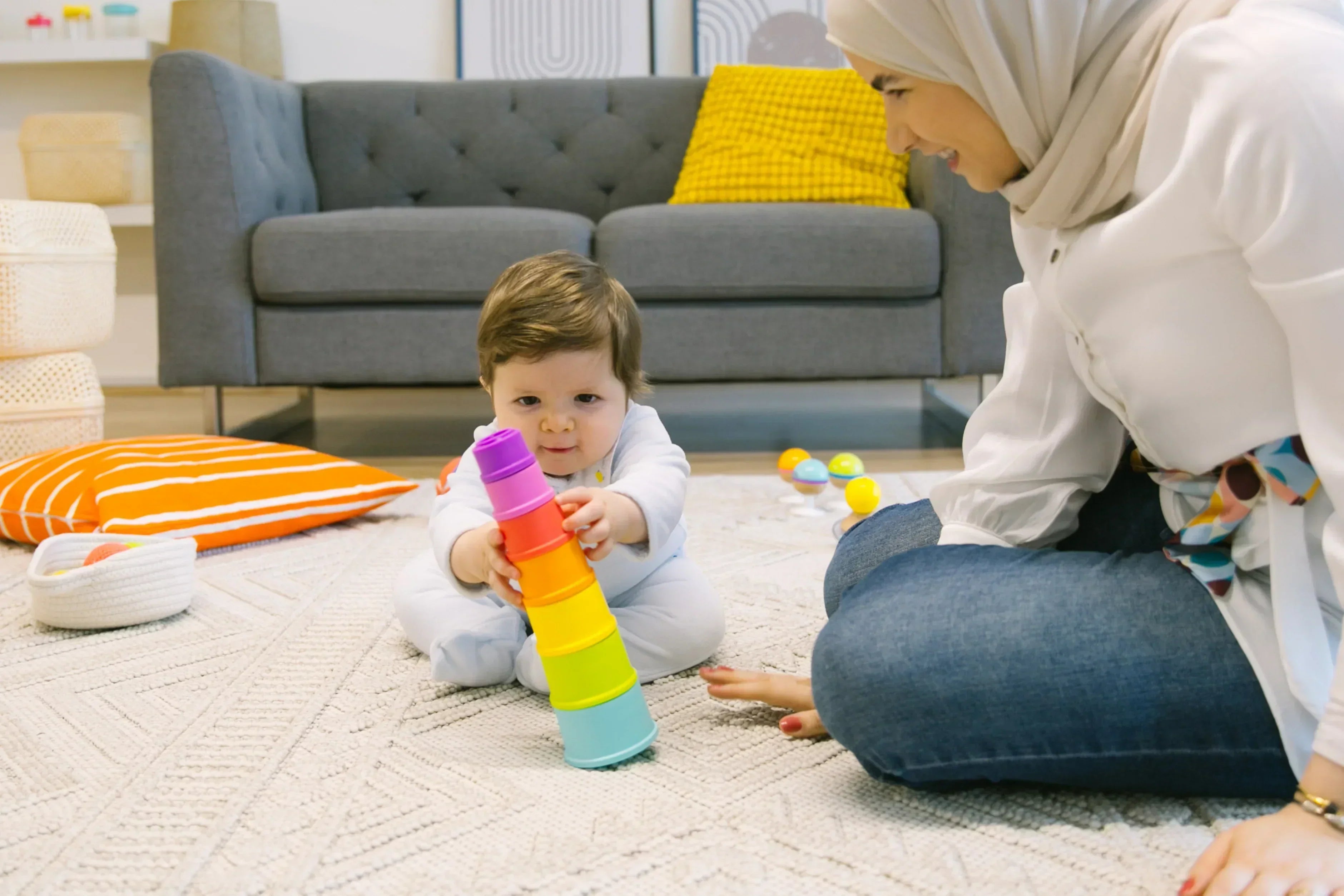
Creating A Playful Environment
Set up a safe and cozy space where your baby can explore toys freely. A calm area helps them focus on play.
Offer a variety of toys that suit your baby’s age and skills. Change toys often to keep play fresh and exciting.
- Use soft mats or blankets for a comfy play area.
- Place toys within easy reach but not crowded.
- Include toys that encourage grasping, shaking, and chewing.
- Keep the space tidy to avoid distractions.
Credit: monkibox.com
Frequently Asked Questions
When Do Babies Typically Start Playing With Toys?
Babies usually begin to play with toys around 3 to 6 months old. At this stage, they start grasping and exploring objects. This helps develop their motor skills and hand-eye coordination. Simple toys like rattles and soft blocks are great for early play.
What Types Of Toys Are Best For Infants?
Soft, colorful, and textured toys are ideal for infants. These toys stimulate their senses and encourage exploration. Rattles, teething rings, and plush toys are safe and engaging. Always choose age-appropriate toys that are non-toxic and easy to grasp.
How Can Parents Encourage Toy Play In Babies?
Parents can encourage play by offering toys during tummy time and daily routines. Interacting and showing how to use toys boosts interest. Praise and smiles reinforce positive play behavior. Rotate toys regularly to keep the baby curious and engaged.
When Should Babies Start Playing Independently With Toys?
Most babies start playing independently with toys around 6 to 9 months. By then, they develop better hand control and curiosity. Encourage safe, supervised solo play to foster independence and creativity. Always ensure toys are safe and suitable for their developmental stage.
Conclusion
Babies start playing with toys around three to four months old. At this age, they show curiosity and joy. Toys help develop their senses and motor skills. Rattles, soft toys, and colorful objects attract them. Playing with toys supports learning and growth.
Parents can engage babies with safe toys. Always supervise playtime for safety. Encourage exploration and interaction. Enjoy these precious moments of discovery with your baby. Remember, every baby is unique. They may start at different times. Celebrate each milestone with love and patience.