






Have you ever wondered when your child will stop playing with toys? It’s a question many parents ask but rarely find a clear answer to.
Toys are more than just fun—they help your child learn, grow, and explore the world around them. But as kids get older, their interests change, and so does the role of toys in their lives. Understanding when and why this shift happens can help you support your child’s development in the best way possible.
Keep reading to discover the surprising answers and what you can do to keep play meaningful at every age.
Credit: www.statesman.com
Age Trends In Toy Play
Toys are a big part of childhood. They help kids learn and have fun. But as children grow, their interest in toys changes.
This article looks at how kids’ play with toys changes from early childhood to teenage years. We explore the common age trends in toy play.
Early Childhood Play Patterns
Young children, from ages 1 to 5, play mainly with simple toys. They enjoy toys that help them explore and learn basic skills.
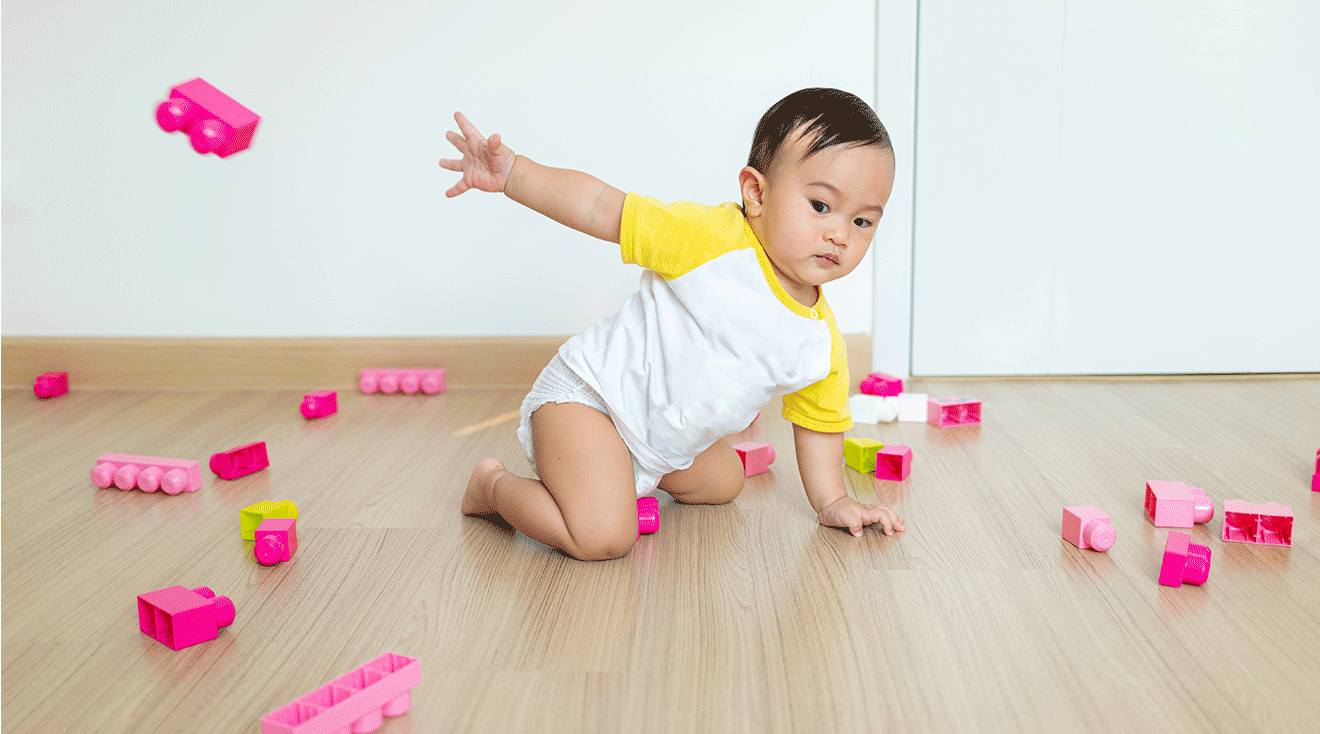
Toddlers like colorful blocks, dolls, and toy cars. These toys support their growing motor skills and imagination.
- Age 1-2: Soft toys, stacking blocks, and rattles
- Age 3-4: Building sets, pretend play dolls, and simple puzzles
- Age 5: More complex toys like action figures and craft kits
Middle Childhood Shifts
Children aged 6 to 11 start to prefer toys that challenge their thinking. They enjoy games that require strategy or creativity.
At this stage, kids often shift from simple toys to board games, construction sets, and electronic gadgets.
- Age 6-8: Board games, building blocks, and science kits
- Age 9-11: Video games, model kits, and sports equipment
Teenage Engagement With Toys
Teens, from ages 12 to 18, play less with traditional toys. Their interests move toward technology and hobbies.
Many teenagers enjoy video games, puzzles, and creative tools like art supplies or musical instruments.
- Age 12-14: Video games, board games, and sports gear
- Age 15-18: Tech gadgets, hobby kits, and creative tools
Factors Influencing Toy Play
Toys play an important role in childhood development. Kids enjoy toys differently as they grow.
Several factors affect when children stop playing with toys. These include their growth, friends, and technology.
Developmental Milestones
Children’s interest in toys changes as they reach new skills. Younger kids like simple toys, while older kids prefer complex ones.
- Infants enjoy soft and colorful toys for sensory learning.
- Toddlers like toys that help them move and explore.
- Preschoolers prefer toys that encourage imagination and role-play.
- School-age children seek puzzles and games that challenge their thinking.
- Teens often lose interest in toys as they focus on hobbies and social activities.
Social Influences
Friends and family shape how children play. Kids may stop playing with toys if peers find them boring.
| Social Factor | Effect on Toy Play |
|---|---|
| Peer Pressure | Children may choose toys that fit in with friends. |
| Family Habits | Parents’ views can limit or encourage toy use. |
| School Environment | Group activities may replace solo toy play. |
Technological Impact
Technology offers new ways to play. Many kids shift from physical toys to digital devices.
- Video games attract older kids more than traditional toys.
- Tablets and phones provide interactive play options.
- Online social games encourage group play without toys.
- Technology can reduce time spent on physical toy play.
Types Of Toys That Last
Kids stop playing with toys at different ages. Some toys keep their interest longer. These toys grow with the child and stay fun.
Choosing toys that last saves money and encourages learning. Here are some types of toys that children enjoy for many years.
Classic Toys And Their Appeal
Classic toys have simple designs but endless fun. They often use imagination and creativity. These toys never go out of style.
Examples include building blocks, dolls, and wooden trains. Kids of all ages like to play with these toys in different ways.
- Building blocks help with problem-solving and creativity
- Dolls encourage role-playing and social skills
- Wooden trains offer hands-on fun and motor skills practice
Educational Toys For Older Kids
Older kids enjoy toys that challenge their minds. Educational toys help with science, math, and reading skills. They keep learning fun.
Examples include science kits, puzzles, and coding toys. These toys grow with the child and offer new challenges over time.
- Science kits teach about experiments and discovery
- Puzzles improve logic and patience
- Coding toys introduce basic programming skills
Collectibles And Hobby Toys
Collectibles and hobby toys appeal to kids as they grow older. These toys often involve collecting or building sets. They can last for many years.
Examples are model kits, trading cards, and action figures. These toys offer a sense of achievement and personal interest.
- Model kits develop patience and fine motor skills
- Trading cards encourage collecting and strategy
- Action figures inspire storytelling and creativity
Psychological Benefits Of Playing
Playing with toys is more than just fun for kids. It helps their brain grow and develop important skills.
Even as kids grow older, play supports their thinking, feelings, and social skills in many ways.
Creativity And Imagination
Playing with toys lets kids use their imagination to create new stories and ideas. This helps them think in new ways.
When children imagine and build with toys, they learn to solve problems and explore possibilities.
Stress Relief And Emotional Health
Play helps children relax and feel safe. It gives them a way to express their feelings without words.
Through play, kids can manage stress and understand their emotions better.
Social Skills Development
Playing with others teaches children how to share, take turns, and cooperate. These skills are important for friendships.
Group play helps kids learn to communicate and solve conflicts in a positive way.
When Play Transforms
Children love to play with toys. But as they grow, their play changes. Toys may lose their charm over time.
Understanding when kids stop playing with toys helps us see how play evolves. Play is important at every age.
From Toys To Digital Games
Many kids start to prefer digital games over toys by age 8 to 12. Screens and apps offer new ways to play.
Digital play can be interactive and social. Kids enjoy challenges and rewards in games more than simple toys.
- Digital games provide variety and fast feedback.
- Toys may feel less exciting compared to screens.
- Some toys now combine with digital features.
Role Of Hobbies And Interests
As children grow, they develop hobbies. These hobbies often replace simple toy play.
Hobbies like sports, music, or art need different tools. These interests help kids learn and express themselves.
- Sports gear replaces dolls or action figures.
- Musical instruments become new play objects.
- Books and crafts spark creative play.
Adult Play And Nostalgia
Adults also enjoy play. Sometimes they return to toys from their childhood for fun.
Nostalgia brings comfort. Adults collect or play with old toys, video games, or puzzles.
- Board games and puzzles are popular adult play.
- Collectors keep vintage toys as memories.
- Some adults enjoy role-playing or creative hobbies.

Credit: parentspluskids.com
Encouraging Play At Any Age
Children never truly outgrow play. It helps their brain and body grow. Play can be fun and educational for all ages.
Parents and caregivers should support play at every stage of childhood. Choosing the right toys and activities matters.
Choosing Age-appropriate Toys
Select toys that match the child’s age and skills. This keeps play safe and interesting. Toys that are too hard or easy can cause frustration.
- Toddlers enjoy bright colors and large shapes to hold.
- Preschoolers like building blocks and simple puzzles.
- Older kids prefer complex games and creative kits.
- Teens may like tech gadgets or hobby supplies.
Balancing Screen Time And Play
Screens are part of many kids’ lives. Too much screen time can reduce active play. Balance is key for healthy growth.
| Age Group | Recommended Screen Time | Suggested Play Activities |
| 2-5 years | 1 hour or less | Outdoor play, puzzles, art |
| 6-12 years | 1-2 hours | Sports, board games, reading |
| 13-18 years | Up to 2 hours | Hobbies, social activities, fitness |
Fostering Lifelong Play Habits
Encourage kids to enjoy play at every age. Play helps reduce stress and build skills. Adults can join in to show it’s fun.
Tips for fostering lifelong play:
- Make time daily for fun activities.
- Offer a variety of play options.
- Support creativity and imagination.
- Respect the child’s interests and choices.
- Be a positive play role model.
Credit: lovevery.com
Frequently Asked Questions
What Age Do Kids Typically Stop Playing With Toys?
Children often start moving away from toys around ages 9 to 12. This shift happens as they develop new interests, like sports and technology. However, every child is different, and some may continue enjoying toys longer. Encouraging open-ended play can support their creativity and development during this transition.
Why Do Kids Lose Interest In Toys?
Kids lose interest in toys as they grow and their preferences change. As they develop cognitively, they seek more complex activities. Social interactions, sports, and technology often become more appealing. Encouraging diverse activities helps them explore new interests and skills, supporting their overall development.
How Can Parents Encourage Continued Play?
Parents can encourage play by providing diverse and age-appropriate options. Engaging in play with children can spark interest. Offering open-ended toys allows creativity and imagination to flourish. Encouraging group play helps develop social skills. Balancing technology and traditional toys can maintain interest and support overall growth.
Are There Benefits To Playing With Toys?
Yes, playing with toys offers numerous benefits. It enhances creativity, problem-solving, and social skills. Toys can also aid in cognitive development and emotional growth. Playing encourages imagination and provides stress relief. Engaging with toys helps children learn about the world and themselves in a fun way.
Conclusion
Kids stop playing with toys at different ages. Some enjoy toys well into their teens. Others shift to new hobbies or tech gadgets. Play helps children learn and grow every day. Toys change as children’s interests change. Parents can support by offering age-appropriate toys.
Remember, play is important for all ages. Keep encouraging creativity and fun in daily life. Toys may fade, but play’s value lasts forever.