




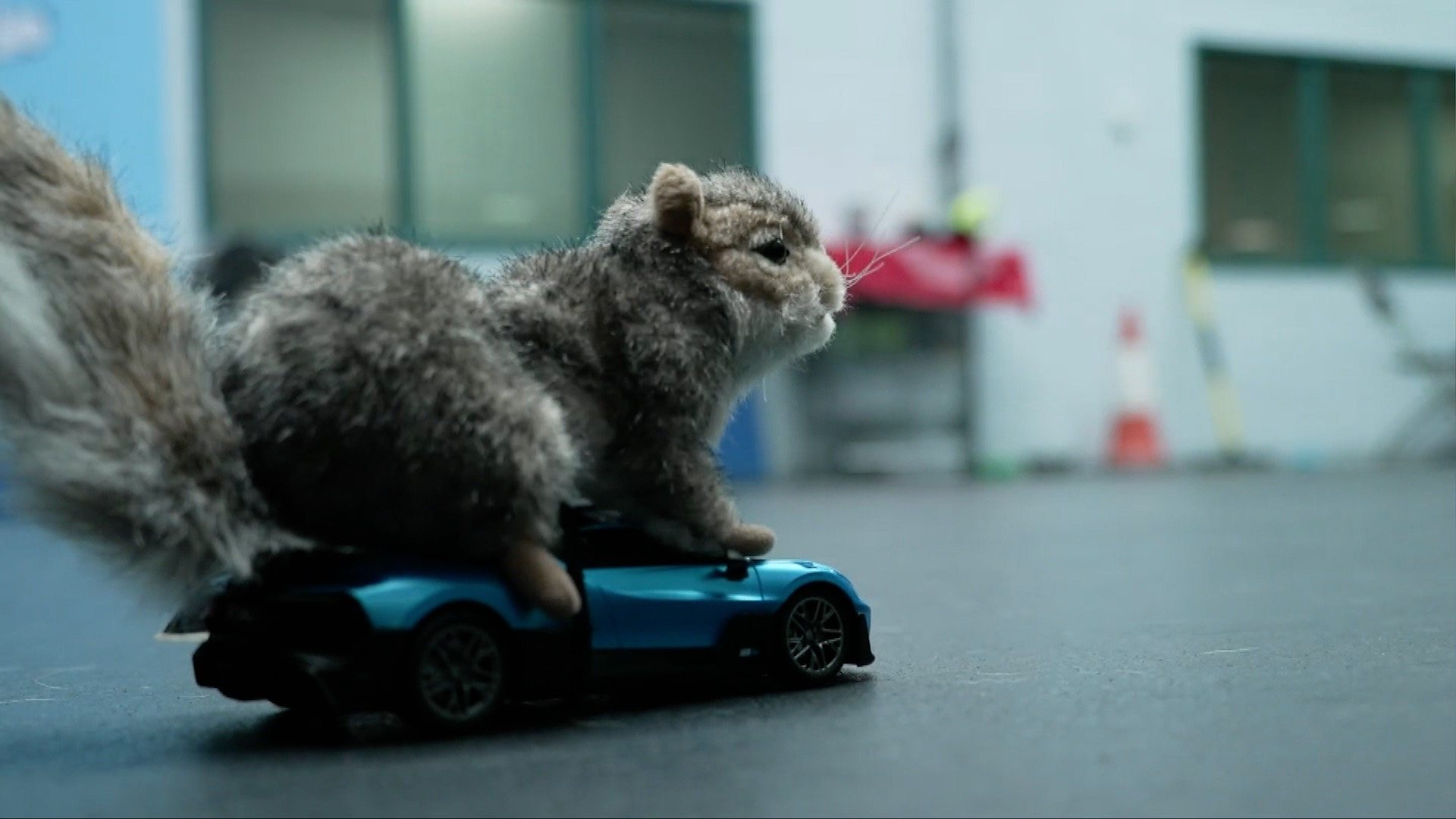
Have you ever watched a squirrel darting around and wondered if they enjoy playing like your pet does? You might be surprised to learn that squirrels do interact with objects in ways that look a lot like play.
Understanding whether squirrels play with toys can change how you see these lively creatures and even how you might engage with them. Keep reading, and you’ll discover fascinating facts about squirrel behavior that will make you smile and see your backyard visitors in a whole new light.

Credit: www.reddit.com
Squirrel Behavior Basics
Squirrels are lively animals that show many interesting behaviors. Understanding these behaviors helps us learn if they play with toys.
These small mammals use their natural instincts to explore and interact with their surroundings. Their actions are often playful and curious.
Natural Curiosity
Squirrels have a strong sense of curiosity. They explore new things in their environment carefully but with interest.
- They investigate objects they find unusual.
- Squirrels often sniff and touch new items.
- Curiosity helps them find food and safe places.
- They watch other animals and learn from them.
Playful Tendencies
Squirrels show playful actions especially when they are young. They jump, chase, and use objects around them to entertain themselves.
| Type of Play | Behavior Description |
| Chasing | Running after each other quickly |
| Object Manipulation | Moving sticks, leaves, or nuts with paws |
| Jumping | Leaping between branches or from the ground |
| Hide and Seek | Hiding and then revealing themselves to others |

Credit: www.reddit.com
Types Of Toys Squirrels Interact With
Squirrels are curious animals that enjoy playing with different objects. They do not only use natural items but also interact with toys made by humans.
This article looks at the types of toys squirrels like to play with. We will explore both human-made toys and natural objects they treat as toys.
Human-made Toys
Some people provide squirrels with toys to keep them active and entertained. These toys can be simple or designed specifically for animals.
- Small balls made of lightweight materials
- Plastic rings or hoops
- Wooden blocks or sticks
- Hanging toys that move with the wind
- Food puzzles that challenge squirrels
Squirrels enjoy toys that they can carry, toss, or chew. Toys that move or make noise attract their attention more.
Natural Objects As Toys
Squirrels also use many natural objects as toys. These items are easy to find in their environment and provide fun and exercise.
| Natural Object | How Squirrels Use It |
| Acorns | Roll, toss, and chew |
| Leaves | Play by tossing and hiding |
| Twigs | Chew and carry around |
| Pine cones | Roll and chew for fun |
| Small stones | Push or toss during play |
Why Squirrels Play
Squirrels are often seen running and chasing each other. They also interact with objects around them. Play is an important part of their daily life.
Playing helps squirrels in many ways. It supports their growth and keeps them healthy. Let’s look at why they play.
Learning And Development
Young squirrels learn skills by playing. They practice climbing, jumping, and hiding. These skills help them survive in the wild.
- Practice balance and coordination
- Learn to find food and avoid danger
- Build social skills with other squirrels
- Test their strength and speed
Stress Relief
Play also helps squirrels relax and reduce stress. It gives them a break from daily challenges. Moving and exploring keep their minds fresh.
| Benefit | How Play Helps |
| Calms the mind | Releases energy and tension |
| Improves mood | Increases happy brain chemicals |
| Boosts health | Encourages exercise and activity |
Credit: www.wild-fed.com
Observations From Wildlife Experts
Squirrels are curious animals often seen interacting with objects. Wildlife experts watch their behavior closely. They want to know if squirrels play with toys like pets do.
Studying squirrels helps us learn how they use their environment. Experts observe their actions to understand if play is part of their life.
Notable Studies
Researchers have studied squirrels in parks and forests. One study showed squirrels using sticks and leaves in playful ways. They tested objects by tossing or chewing them.
Another study found squirrels moving small items around, like stones or acorns. This behavior may be a form of play or practice for survival skills.
- Squirrels used sticks to dig or poke.
- They tossed leaves and small nuts repeatedly.
- Some squirrels dropped objects from heights.
- They carried toys in their mouths like treasures.
Common Behaviors Recorded
Experts often see squirrels exploring new items in their area. They touch, bite, and move objects around. This shows curiosity and possible play.
Some behaviors include chasing moving things or hiding objects. Squirrels also repeat actions that seem fun or useful. These actions look like play to experts.
- Chewing on non-food items for fun
- Rolling or tossing small objects
- Chasing after falling leaves or shadows
- Hiding and retrieving items repeatedly
How To Encourage Playful Behavior
Squirrels are curious and active animals. They enjoy playing and exploring their surroundings.
You can help squirrels play more by giving them safe toys and a fun space to explore.
Safe Toys For Backyard Squirrels
Choose toys that are non-toxic and easy to handle. Avoid small parts that squirrels can swallow.
Toys made from natural wood, rope, or untreated materials are best. They keep squirrels busy and safe.
- Wooden blocks or sticks
- Untreated pine cones
- Rope balls or knots
- Empty cardboard tubes
- Hanging birdseed feeders
Creating An Enriching Environment
Squirrels need a space that feels natural and fun. Add branches, leaves, and hiding spots.
Changing the layout often keeps squirrels curious and playful. Offer different items to explore.
- Place branches at different heights
- Scatter nuts or seeds for foraging
- Use safe containers for hiding food
- Provide water in shallow dishes
- Keep the area clean and safe from pets
Risks And Considerations
Squirrels sometimes play with toys, but there are risks to consider. Not all toys are safe for them.
Understanding these risks helps protect squirrels and keep their natural behavior safe.
Avoiding Harmful Items
Some toys can hurt squirrels if they swallow small parts or sharp edges. Toxic materials also cause health problems.
- Do not offer toys with small detachable pieces.
- Avoid plastics that contain harmful chemicals.
- Keep metal parts away to prevent cuts or injuries.
- Check toys regularly for wear and damage.
- Never use toys with paint or coatings that may be toxic.
Respecting Wildlife Boundaries
Squirrels are wild animals and need space to stay healthy. Playing with toys should not disturb their natural habits.
| Do | Don’t |
|---|---|
| Observe squirrels from a distance | Try to touch or hold wild squirrels |
| Use natural materials for toys | Force squirrels to interact with toys |
| Provide toys in safe outdoor areas | Bring squirrels indoors or confine them |
| Allow squirrels to choose to play or ignore toys | Leave toys unattended that attract predators |
Frequently Asked Questions
Do Squirrels Actually Play With Toys In The Wild?
Squirrels do interact with objects like sticks or nuts, which can resemble play. However, they don’t use toys like pets do. Their behavior mainly focuses on survival, not play for fun.
What Types Of Toys Do Squirrels Enjoy Playing With?
Squirrels like objects they can chew, toss, or hide. Items like small balls, puzzle feeders, or hanging treats attract their curiosity and simulate natural foraging behavior.
Can Playing With Toys Benefit Squirrels’ Mental Health?
Yes, toys stimulate squirrels mentally and physically. They encourage natural behaviors, reduce boredom, and improve problem-solving skills, which supports overall well-being in both wild and captive squirrels.
How Can I Safely Provide Toys For Backyard Squirrels?
Offer natural, non-toxic items like untreated wood or puzzle feeders with food. Avoid plastic or small parts that can be swallowed. Always supervise to ensure safety and prevent harm.
Conclusion
Squirrels and their play habits fascinate many of us. Observing them, we notice their curiosity and energy. Toys can offer enrichment and stimulate their playful instincts. Simple objects like sticks or leaves often become their playthings. This play helps them develop survival skills and keeps them active.
Squirrels show us the joy of simple pleasures. Watching them can remind us to enjoy life’s little moments. Next time you see a squirrel, imagine the fun they have with nature’s toys. It might just bring a smile to your face.