






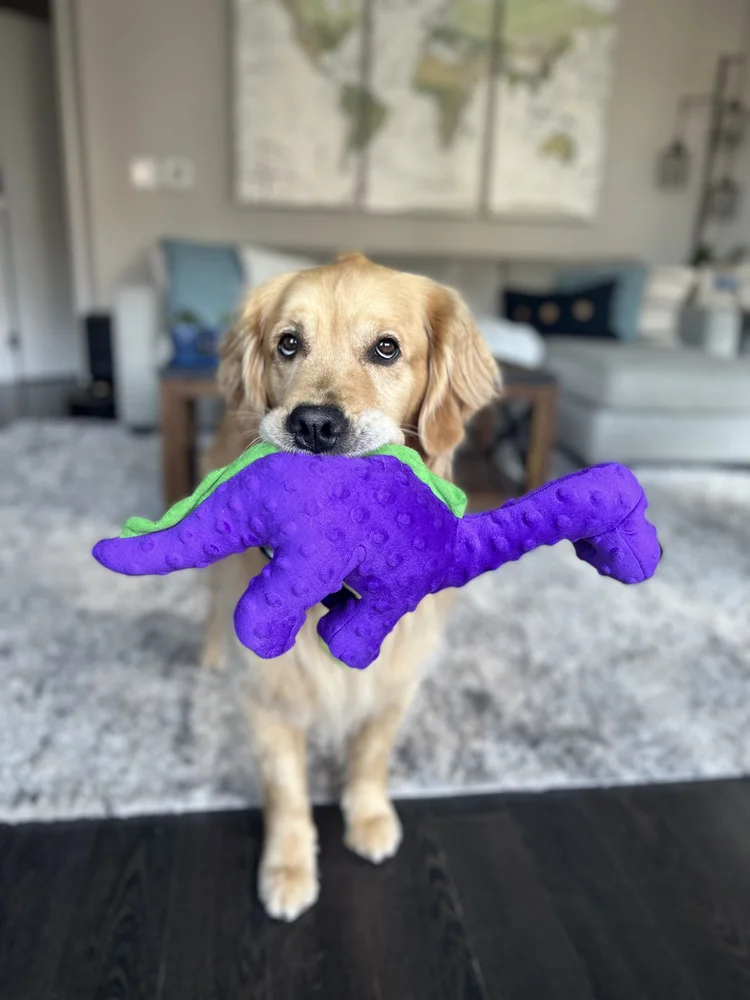
Are you wondering when your new puppy can start playing with toys? It’s a question many pet owners ask because you want to keep your furry friend safe and happy.
Choosing the right time to introduce toys can help your puppy develop strong teeth, stay active, and avoid boredom. But if you introduce toys too early or the wrong kind, it might cause problems. Keep reading to find out exactly when your puppy is ready to play, which toys are best, and how to make playtime fun and safe for your little buddy.
Your puppy’s happiness and health depend on it!

Credit: www.thesprucepets.com
Puppy Playtime Basics
Playtime is important for puppies. It helps them learn and grow strong.
Toys keep puppies busy and happy. They also teach good behavior.
When To Introduce Toys
Puppies can start playing with toys when they are about three weeks old. At this age, they begin to explore with their mouths.
Introduce soft and safe toys first. Watch your puppy’s reaction to see if they like the toy.
Choosing Age-appropriate Toys
Select toys that match your puppy’s size and chewing strength. Avoid small toys that can cause choking.
- Soft plush toys for young puppies
- Durable rubber toys for teething puppies
- Interactive toys to keep older puppies busy
Check toys often for damage. Replace broken toys to keep your puppy safe.

Credit: bark.co
Safe Toy Materials
Choosing safe toys is important for your puppy’s health and happiness. Some materials can harm puppies if chewed or swallowed.
Knowing which materials are safe helps you pick toys that last and protect your pup.
Non-toxic Options
Look for toys made from non-toxic materials. These do not contain harmful chemicals or dyes. Natural rubber, cotton, and untreated wood are good choices.
- Natural rubber is soft and safe for chewing.
- Cotton toys are gentle and free from plastic parts.
- Untreated wood can be safe if smooth and splinter-free.
- Avoid toys with lead paint or strong chemical smells.
Durability And Size Considerations
Choose toys that last and fit your puppy’s mouth. Toys that are too small can be swallowed. Weak toys break easily and cause choking risks.
| Factor | What to Look For | Why It Matters |
| Size | Toys should be bigger than the puppy’s mouth. | Prevents choking and swallowing hazards. |
| Material Strength | Choose tough, chew-resistant materials. | Lasts longer and reduces choking risks. |
| Shape | Rounded edges and no small parts. | Protects gums and teeth from injury. |
Supervising Play Sessions
Puppies need toys to learn and have fun. But they need help to play safely.
Supervising play sessions keeps puppies safe and happy while they explore toys.
Monitoring Puppy Behavior
Watch your puppy closely during play. Notice if they chew too hard or get tired.
Stopping play when your puppy is rough or upset helps prevent injuries.
- Look for signs of stress or frustration
- Make sure play stays gentle and fun
- Take breaks if your puppy seems tired
Preventing Choking Hazards
Choose toys that are too big to swallow. Avoid small parts that can break off.
Always check toys before and after play. Remove anything damaged to keep puppies safe.
- Pick sturdy toys made for puppies
- Remove toys with loose pieces
- Keep an eye on your puppy during chewing

Credit: www.youtube.com
Benefits Of Play For Puppies
Play is very important for puppies as they grow. It helps them learn and stay healthy.
Toys give puppies a chance to explore and have fun safely. This helps them develop good habits.
Physical Exercise
Playing with toys helps puppies move their bodies. This keeps their muscles strong and healthy.
Exercise helps puppies use their energy in a good way. It also supports healthy growth and weight.
Mental Stimulation
Puppies need toys that challenge their minds. Toys with different shapes and textures keep them curious.
Playing with toys teaches puppies to solve problems. This helps them learn new skills and stay sharp.
Bonding With Owners
Playing together helps puppies trust their owners. It builds a strong, happy relationship.
When owners play with puppies, it shows love and care. This makes puppies feel safe and loved.
Signs To Pause Or Change Toys
Puppies love playing with toys, but not all toys last forever. It is important to watch for signs that show a toy needs a break or replacement.
Knowing when to pause or change toys helps keep your puppy safe and happy during playtime.
Wear And Tear Indicators
Toys that are damaged or broken can hurt your puppy. Check toys often for any signs of damage.
- Frayed ropes or strings
- Cracks or holes in rubber toys
- Missing parts or stuffing coming out
- Sharp edges or broken pieces
- Loose or broken squeakers
Puppy Disinterest Or Aggression
Sometimes puppies stop liking a toy or act upset when playing with it. This can mean the toy is no longer right for them.
| Sign | Meaning |
| Ignoring the toy | The toy is boring or not fun anymore |
| Growling or snapping | The puppy feels stressed or protective |
| Chewing too hard | The toy may be frustrating or too tough |
| Hiding the toy | The puppy wants to keep it away from others |
Frequently Asked Questions
When Can Puppies Start Playing With Toys Safely?
Puppies can start playing with toys around 3 to 4 weeks old. At this age, they begin exploring their environment. Always choose soft, safe toys suitable for their small teeth and gentle play.
What Types Of Toys Are Best For Young Puppies?
Soft, chewable toys are ideal for young puppies. These toys soothe teething discomfort and prevent damage to their developing teeth. Avoid small or hard toys that can cause choking or injury.
How Often Should Puppies Play With Toys Daily?
Puppies should play with toys several times a day in short sessions. Frequent play supports their physical and mental development. Keep playtime fun but supervised to ensure safety.
Can Puppies Play With Toys Before Vaccination Completion?
Yes, puppies can play with toys before full vaccination, but with caution. Use clean, disinfected toys and avoid high-risk areas. Ensure all toys are safe to prevent infections during this vulnerable stage.
Conclusion
Puppies enjoy toys for fun and learning. Start with soft and safe options. Watch their playtime closely. Safety is key. As they grow, introduce new toys slowly. Keep it exciting and varied. Changing toys often helps maintain interest. Always ensure toys are the right size.
Too small can be a choking hazard. Remember, playtime builds bonds. It strengthens their trust in you. Happy puppies are healthy puppies. Enjoy these playful moments together. Your puppy will love every minute!