

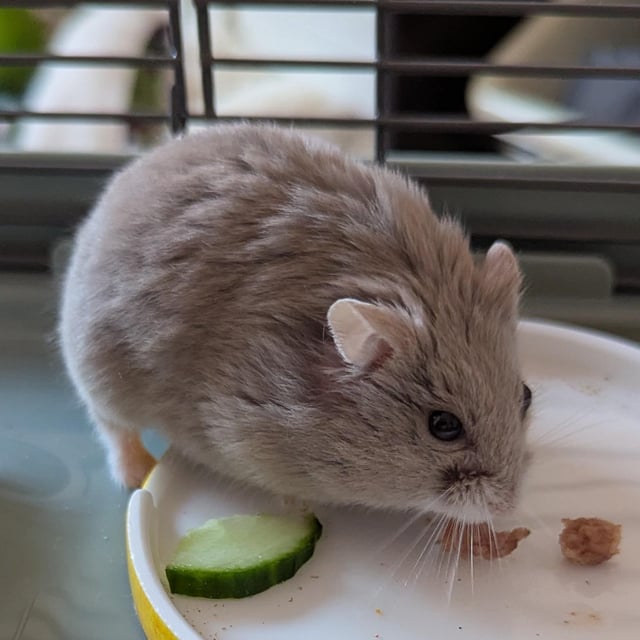
Have you ever wondered if your hamster actually enjoys playing with toys? If you’ve noticed your little furry friend sniffing around a wheel or chewing on a colorful block, you might be curious whether these toys truly make a difference.
Understanding how and why hamsters interact with toys can help you create a happier, healthier environment for your pet. Keep reading to discover surprising facts about hamster playtime and learn how the right toys can keep your tiny companion entertained and active every day.
Hamster Play Behavior
Hamsters are small animals that enjoy exploring their surroundings. Play helps them stay active and healthy.
Toys can add fun and mental exercise to a hamster’s daily life. They use toys to express natural behaviors.
Natural Instincts And Curiosity
Hamsters have strong instincts to dig, chew, and explore. Toys that mimic these activities attract their interest.
Curiosity drives hamsters to test new objects. They sniff, bite, and move toys to learn about them.
- Chewing helps keep their teeth healthy
- Digging satisfies their burrowing instincts
- Exploring toys reduces boredom
Signs Of Playfulness
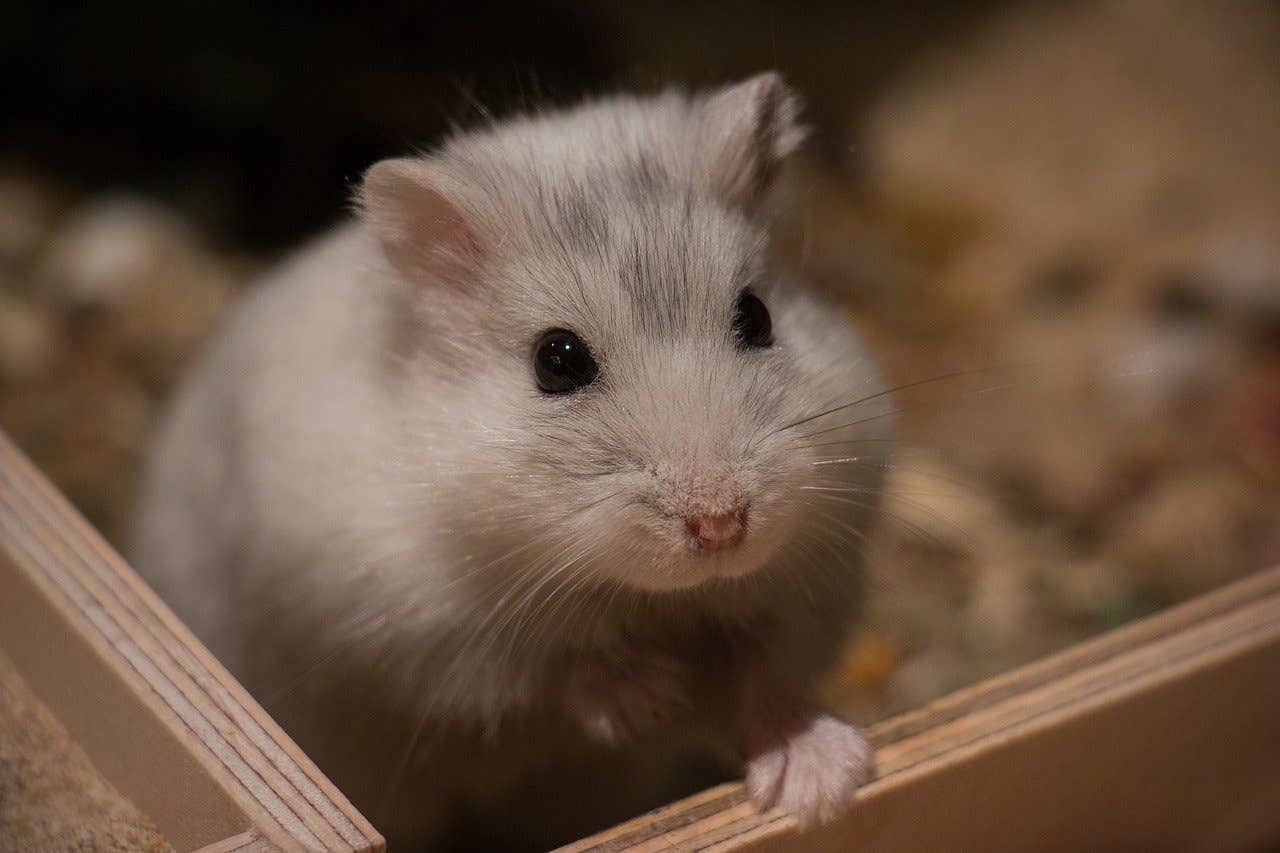
Playful hamsters show active and alert behaviors around their toys. They often interact with new items eagerly.
Common signs include running on wheels, tossing small objects, and climbing on tunnels or tubes.
- Quick movements and bursts of energy
- Repeated use of favorite toys
- Bright eyes and alert ears
- Chewing or nibbling on toys
Credit: pethelpful.com
Types Of Toys Hamsters Enjoy
Hamsters are active pets that love to explore and play. Providing the right toys helps keep them healthy and happy.
Different toys serve different purposes, such as chewing, exercising, or hiding. Let’s look at some popular types of hamster toys.
Chew Toys For Teeth Health
Hamsters’ teeth grow constantly. Chew toys help wear down their teeth and prevent pain. Wooden blocks, sticks, and mineral chews are good choices.
- Natural wood sticks free of chemicals
- Mineral chews with essential nutrients
- Cardboard tubes that are safe to gnaw
- Hard hay cubes for biting and shredding
Exercise Wheels And Balls
Hamsters need daily exercise to stay fit. Exercise wheels and balls give them a way to run and burn energy.
| Toy Type | Benefits |
| Exercise Wheel | Allows running in one place |
| Exercise Ball | Lets hamster explore safely outside cage |
| Silent Wheel | Runs quietly to avoid noise |
| Spoked Wheel | Good airflow to keep hamster cool |
Tunnels And Hideouts
Hamsters like to hide and explore small spaces. Tunnels and hideouts help them feel safe and active.
- Plastic tunnels connect different cage areas
- Wooden huts provide cozy sleeping spots
- Cardboard boxes offer places to chew and hide
- Fabric tents add soft and warm shelters
Benefits Of Toys For Hamsters
Toys are important for hamsters. They help keep hamsters happy and healthy.
Giving toys to hamsters supports their body and mind. It helps them stay active and less bored.
Physical Health Improvement
Toys like wheels and tunnels make hamsters move. This movement builds strong muscles.
- Running on wheels improves heart health
- Climbing toys develop coordination
- Chewing toys keep teeth healthy and strong
Mental Stimulation
Toys make hamsters think and explore. This keeps their brain active and sharp.
| Toy Type | Mental Benefit |
|---|---|
| Puzzle Feeders | Encourage problem solving |
| Tunnels | Promote exploration |
| Chew Toys | Stimulate natural habits |
Reducing Stress And Boredom
Toys keep hamsters busy. This stops them from feeling lonely or stressed.
- Chewing toys reduce anxiety
- Running wheels relieve extra energy
- Hideouts and tunnels provide safe spaces
Choosing Safe Toys
Hamsters enjoy playing with toys. Safe toys keep them happy and healthy.
Choose toys that do not harm your pet. Check materials and size carefully.
Material Safety Tips
Pick toys made from non-toxic materials. Avoid plastics that can break or splinter.
Wood and natural fibers are good choices. These materials are safe if chewed.
- Use untreated wood or paper-based toys
- Avoid painted or varnished items
- Check for sharp edges or small parts
Size And Durability Considerations
Choose toys that fit your hamster’s size. Too big or too small can be dangerous.
Durable toys last longer and prevent choking hazards. Replace broken toys quickly.
- Small toys can cause choking
- Large toys should not block hamster paths
- Check toys often for damage
Diy Toy Ideas For Hamsters
Hamsters love to play and explore new toys. Making toys at home is fun and saves money.
DIY toys keep your hamster active and happy. You can use simple items found around the house.
Common Household Items To Use
Many household items can become hamster toys. Cardboard, paper tubes, and wooden blocks work well.
Make sure items are safe and free from chemicals. Avoid anything sharp or toxic for your pet.
- Empty toilet paper rolls make tunnels
- Cardboard boxes become small hideouts
- Paper cups can be chew toys
- Old wooden spoons can be climbing tools
- Unpainted wooden blocks are good for gnawing
Easy Craft Projects
You can create fun toys with a few simple steps. Use safe glue and cut edges smoothly.
Try making a wheel, maze, or chew sticks with materials like wood and cardboard.
- Glue toilet paper rolls into a maze shape
- Make chew sticks by bundling untreated wood pieces
- Create a small cardboard wheel for running
- Build a hideout with folded cardboard boxes
- Use string to hang wooden toys inside the cage

Credit: www.thesprucepets.com
Monitoring Toy Interaction
Hamsters enjoy playing with toys that keep them active. Watching how they use toys helps understand their preferences. This observation also shows if toys stay safe and fun.
Regular checks on hamster toys can prevent accidents. It also allows owners to replace worn-out toys in time. Monitoring toy interaction keeps hamsters happy and healthy.
Recognizing Favorite Toys
Hamsters show clear signs when they like a toy. They often return to the same toy multiple times. Some toys encourage chewing, climbing, or running. Noticing these habits helps choose toys they enjoy most.
- Hamsters spend more time with preferred toys
- They carry or hide their favorite toys
- Excited movements happen near loved toys
- Toys that promote natural behaviors attract hamsters
Signs Of Toy Wear And Tear
Checking toys for damage is important. Worn toys can harm your hamster. Look for cracks, loose parts, or missing pieces. Replace toys that show these signs to keep your pet safe.
| Wear Sign | Why It Matters |
| Chewed edges | Can cause sharp points |
| Loose pieces | Risk of choking |
| Cracks or splits | May break during play |
| Faded color | May indicate material breakdown |

Credit: www.amazon.com
Frequently Asked Questions
Do Hamsters Need Toys For Entertainment?
Yes, hamsters need toys to stay entertained and active. Toys help prevent boredom and encourage natural behaviors. Providing a variety of toys also supports their physical and mental well-being. Regularly changing toys keeps their environment stimulating and engaging.
What Types Of Toys Do Hamsters Like?
Hamsters enjoy chew toys, tunnels, wheels, and climbing structures. These toys mimic their natural environment and encourage physical activity. Chew toys help keep their teeth healthy. Tunnels and wheels provide exercise, while climbing structures satisfy their curiosity.
How Often Should I Change Hamster Toys?
Change hamster toys every two weeks to keep them engaged. Rotating toys prevents boredom and maintains their interest. Regularly introducing new toys encourages exploration and mental stimulation. Always ensure toys are safe and appropriate for your hamster’s size and species.
Can Hamsters Play With Household Items?
Yes, hamsters can play with certain household items. Cardboard tubes, tissue boxes, and small boxes make great toys. Ensure items are free from harmful chemicals and small parts. Always supervise playtime with household items to ensure your hamster’s safety.
Conclusion
Hamsters enjoy playing with toys to stay active and happy. Toys help them explore and use their natural instincts. Simple items like tunnels, wheels, and chew toys keep them busy. Providing toys also reduces stress and boredom in hamsters. Watching them play can be fun and rewarding.
Giving your hamster toys shows you care for its well-being. Small efforts make a big difference in their daily life. Keep their environment lively and safe with the right toys. Playtime is important for a healthy, joyful hamster.