





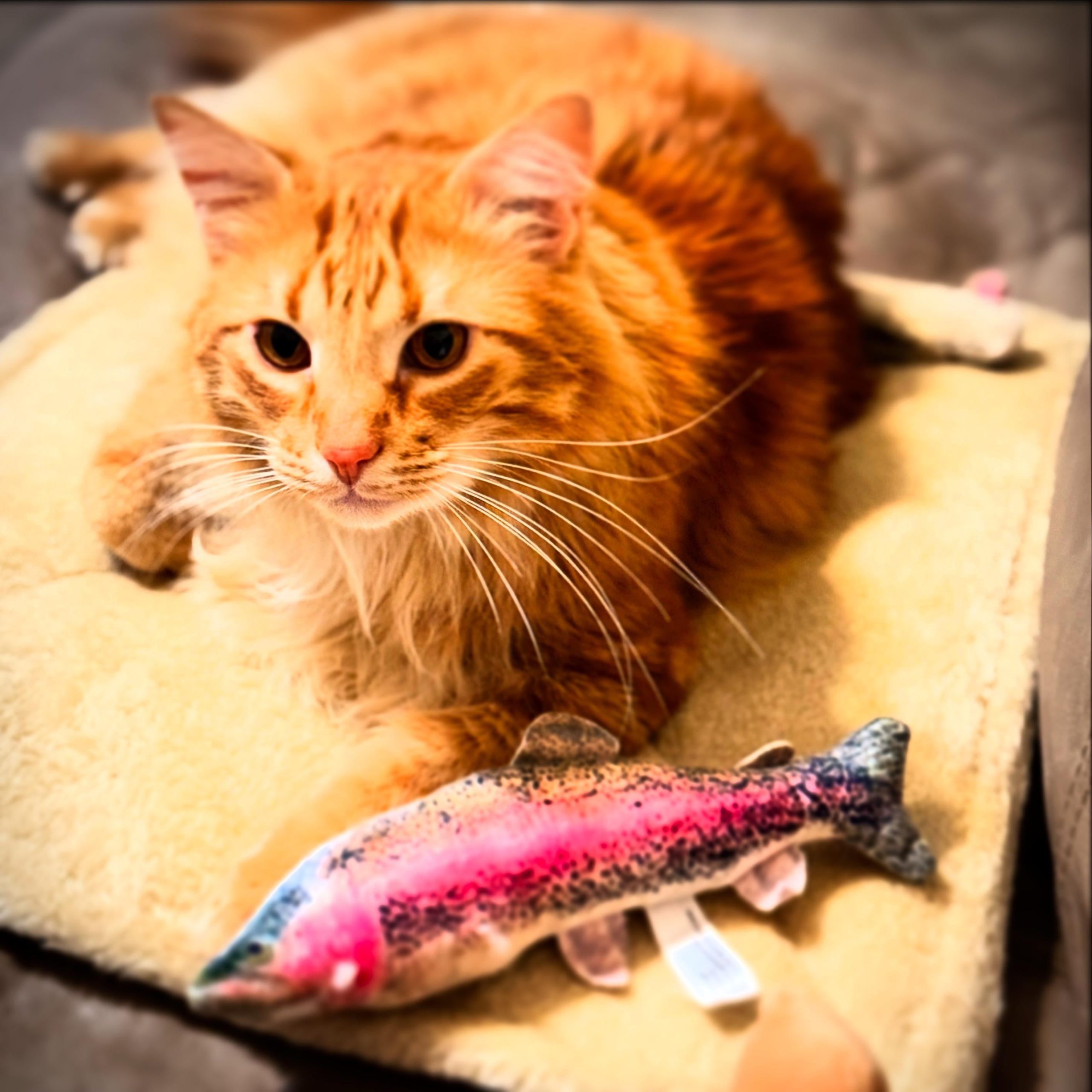
Do you ever wonder why your cat ignores the toys you buy? It can be frustrating when your furry friend just stares at a toy or walks away.
But getting your cat to play with toys isn’t as hard as it seems. With a few simple tricks, you can spark your cat’s curiosity and turn playtime into a fun, bonding experience. Keep reading, and you’ll discover easy ways to make your cat excited about toys—your cat will be chasing, pouncing, and having fun in no time!
Choosing The Right Toys
Getting your cat to play with toys starts with picking the right ones. Cats have different tastes, so choose toys that fit their style.
The right toys keep your cat active and happy. You should think about what your cat likes before buying toys.
Types Cats Prefer
Cats like toys that move or make noise. Toys that look like small animals catch their attention.
- Feather wands for chasing
- Small balls for batting around
- Soft mice that mimic prey
- Laser pointers for quick movement
Rotate toys often to keep your cat interested. Try different shapes and sounds to see what excites your cat.
Safe Materials
Choose toys made from non-toxic materials. Avoid toys with small parts that cats can swallow.
- Natural rubber or silicone
- Soft fabric without loose threads
- Durable plastic without sharp edges
- Wood free from harmful chemicals
Check toys regularly for damage. Replace toys if they break or become unsafe.
Size And Texture Matters
Pick toys that fit your cat’s size. Small toys can be a choking risk for big cats.
Texture helps cats enjoy their toys more. Soft toys are good for biting, while rough ones are fun to scratch.
- Small toys for kittens and small cats
- Larger toys for adult cats
- Soft textures for gentle play
- Rough textures for scratching and chewing

Credit: www.reddit.com
Creating An Inviting Play Area
Getting your cat to play with toys is easier with the right space. A special play area helps your cat feel safe and curious. This guide covers key parts of setting up a fun spot for your cat.
Focus on comfort, easy access to toys, and fun zones. These details encourage your cat to explore and enjoy playtime every day.
Quiet And Comfortable Spot
Choose a calm place away from loud noises and busy areas. Cats like soft surfaces to relax on before or after play. Add a cozy bed or blanket to make the spot inviting.
Make sure the area has good natural light and is not too hot or cold. This helps your cat feel safe and ready to play.
Accessible Toy Storage
Keep your cat’s toys in a spot easy to reach. This helps you switch toys often to keep your cat interested. Use a small box or basket close to the play area.
- Use bins or baskets that your cat cannot tip over
- Sort toys by type, like balls, feathers, or strings
- Rotate toys weekly to keep playtime fresh
- Place storage near the play area for quick access
Interactive Play Zones
Divide the play area into zones for different activities. This keeps your cat curious and active. Include spots for chasing, climbing, and resting.
| Zone | Purpose | Example |
| Chase | Encourages running and jumping | Laser pointer, toy mice |
| Climb | Supports natural climbing instincts | Cat tree, shelves |
| Rest | Offers a break after play | Soft bed, hammock |
| Hunt | Stimulates stalking behavior | Interactive puzzle toys |
Encouraging Play Behavior
Getting your cat to play with toys can improve its health and happiness. Play helps cats use their natural instincts and stay active.
Some cats need encouragement to enjoy toys. You can try different ways to make playtime fun and engaging.
Using Treats And Rewards
Treats can motivate your cat to interact with toys. Reward your cat when it shows interest or plays.
- Offer a small treat after a short play session
- Praise your cat gently while it plays
- Use treats to guide your cat to the toy
- Keep treats healthy and given in moderation
- Try different types of treats to find what your cat likes
Mimicking Prey Movements
Move toys like real prey to catch your cat’s attention. Quick, small movements work best.
| Movement Type | Example |
|---|---|
| Quick dart | Move the toy fast from side to side |
| Pause and pounce | Stop suddenly then move again |
| Slow creep | Drag the toy slowly across the floor |
| Jump and twitch | Lift the toy up and shake it lightly |
Playing At Peak Activity Times
Find out when your cat is most active. Play during these times to get the best response.
- Early morning is a good time for many cats
- Evening hours can also be very active
- Watch your cat’s behavior to learn its schedule
- Short, frequent play sessions work well
- Avoid play right before bedtime to help your cat relax

Credit: www.reddit.com
Overcoming Common Playtime Challenges
Getting your cat to play with toys can be fun but also tricky. Some cats face challenges during playtime. Understanding these problems helps you encourage your cat better.
Below are common challenges cats have with toys. Learn how to help your cat enjoy playtime more.
Dealing With Shyness
Shy cats may hide or avoid toys. They need time and patience to feel safe. Use calm voices and gentle movements to invite them to play.
Start with soft toys and place them near your cat’s resting spots. Let your cat explore toys without pressure.
- Use toys that move slowly
- Play in quiet, familiar rooms
- Offer treats near toys
- Give your cat space to approach
Handling Disinterest
Some cats may ignore toys because they find them boring. Try different types of toys to find what excites your cat.
Rotate toys often to keep things new. Use toys that mimic prey, like feather wands or small balls.
- Offer interactive toys
- Use toys with sounds or scents
- Play with your cat using the toys
- Observe which toys your cat likes
Addressing Overstimulation
Some cats play too hard and get tired or upset quickly. Watch your cat’s body language to spot signs of overstimulation.
Stop play sessions before your cat gets too excited. Short, calm playtimes work best for sensitive cats.
- Limit playtime to a few minutes
- Choose soft, slow-moving toys
- Give breaks during play
- Stop if your cat shows aggression
Maintaining Long-term Engagement
Keeping your cat interested in toys over time takes effort. Cats can get bored easily. Using simple tricks can help maintain their excitement.
Regular play keeps your cat active and happy. It also strengthens your bond. Try these ideas to keep playtime fresh and fun.
Rotating Toys Regularly
Switching your cat’s toys often helps keep them curious. Cats like new things, so putting away some toys and bringing them back later works well.
- Keep some toys in storage
- Change toys every few days
- Introduce different types like balls, feathers, or lasers
- Observe which toys your cat prefers
Involving Family Members
Playing with your cat is more fun when others join. Family members can help keep your cat engaged and active. It also makes playtime more varied.
| Family Member | Role in Play |
| Adults | Use toys to encourage chasing and pouncing |
| Kids | Offer gentle play and petting breaks |
| All | Take turns to keep the cat interested |
Setting Consistent Play Sessions
Having playtime at the same times each day helps your cat expect and enjoy it. Cats like routine, so try to set short, regular sessions.
Example Play Schedule:
- Morning: 10 minutes of active chasing games
- Afternoon: 5 minutes of gentle toy batting
- Evening: 10 minutes of interactive play with family

Credit: www.reddit.com
Frequently Asked Questions
Why Won’t My Cat Play With Toys?
Cats may not play with toys due to boredom or lack of interest. Try introducing new toys or rotating them. Ensure the toys mimic prey-like movements. Interactive toys can stimulate their natural hunting instincts, making playtime more engaging and enjoyable for your feline friend.
How Can I Make Cat Toys More Appealing?
To make cat toys more appealing, use catnip or treats to attract interest. Rotate toys regularly to maintain novelty. Interactive toys or those mimicking prey movements can increase engagement. Ensure the toys are safe and appropriate for your cat’s size and play style.
What Are The Best Toys For Cats?
The best toys for cats include interactive wands, balls with bells, and puzzle feeders. These toys stimulate their hunting instincts and provide mental enrichment. Catnip-filled toys and automated laser pointers can also be very engaging. Always choose toys that are safe and appropriate for your cat’s play style.
How Often Should I Play With My Cat?
Play with your cat at least 15-30 minutes daily, split into multiple sessions. This helps maintain their physical health and mental stimulation. Regular play strengthens your bond and reduces behavioral issues. Adjust playtime based on your cat’s age, energy level, and individual preferences.
Conclusion
Getting your cat to enjoy toys takes time and patience. Try different toys to see what excites your cat most. Play with your cat often to build trust and fun habits. Keep toys safe and clean for your cat’s health.
Watch your cat’s reactions to learn their favorite play style. Small steps lead to happy, active playtimes. Your cat will thank you with joyful purrs and energy. Keep trying, and enjoy the special moments together.