


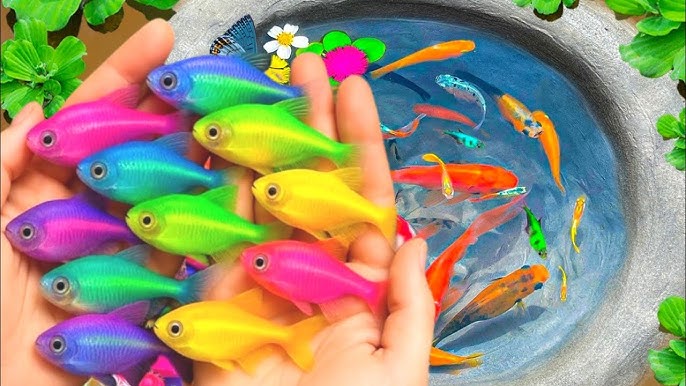
Have you ever wondered if fish can have fun like pets on land? You might be surprised to learn that your underwater friends may actually enjoy playing with toys.
Understanding this can change how you care for your fish and make your aquarium a more lively, happy place. Keep reading to discover the fascinating truth about fish and their playful side—you won’t want to miss what comes next!

Credit: www.youtube.com
Fish Behavior And Play
Fish are often seen as simple creatures. Yet, many show signs of curiosity and playfulness. Watching fish interact with their environment reveals interesting behavior.
Some fish seem to enjoy playing with objects in their tanks. This play helps them stay active and may reduce stress.
Signs Of Playfulness In Fish
Playful fish often display specific behaviors that show they enjoy interaction. These signs help identify if a fish is playing or just exploring.
- Chasing or nudging floating objects
- Repeating movements around toys or decorations
- Swimming quickly in bursts near objects
- Carrying or pushing items with their mouths
- Showing excitement when new items enter the tank
How Fish Interact With Objects
Fish use objects in many ways. They explore, hide, or even push items. Their interaction depends on species and personality.
| Type of Interaction | Description |
| Exploration | Fish touch or circle objects to learn about them |
| Manipulation | Some fish push or carry objects for fun or shelter |
| Hiding | Objects provide cover where fish can rest or feel safe |
| Play | Active use of toys or decorations as entertainment |

Credit: www.youtube.com
Types Of Toys For Fish
Fish enjoy toys that stimulate their senses and give them activity. Toys help keep fish active and prevent boredom. Different toys suit different types of fish.
Choosing the right toys for your fish can improve their well-being. Some toys are store-bought, while others you can make at home. Let’s explore common toys and easy DIY ideas.
Common Toys Used In Aquariums
Many aquarium toys encourage fish to explore and interact with their environment. These toys can be simple or complex. They often mimic natural features or provide objects to swim through.
- Floating Rings:Small hoops that float near the surface for fish to swim through.
- Mirrors:Reflective surfaces that create the illusion of another fish, encouraging interaction.
- Ping Pong Balls:Lightweight balls that float and move with water currents.
- Plastic Plants:Safe plants that fish can hide behind and swim through.
- Maze Toys:Structures with tunnels and paths for fish to explore.
Diy Toy Ideas For Fish
Making toys at home is easy and affordable. You can use safe, non-toxic materials that do not harm your fish or water quality. Here are simple DIY ideas you can try.
| DIY Toy | Description |
| Plastic Bottle Ring | Cut a ring from a clean plastic bottle. Float it on the water surface for fish to swim through. |
| String of Beads | Use large plastic beads on a string. Secure it across the tank as an obstacle for fish. |
| Ping Pong Ball | Use a clean ping pong ball to float on the water. Fish will chase and push it gently. |
| Clay Tunnel | Shape a small tunnel from fish-safe clay. Let it dry before placing it in the tank for hiding spots. |
| Leafy Plant Cuttings | Use safe plant cuttings tied together to create a floating raft or hiding place. |
Benefits Of Toys For Fish
Fish enjoy toys just like other pets do. Toys keep fish active and happy. They add fun and interest to the fish tank.
Providing toys helps fish live healthier and more natural lives. Toys also help fish avoid boredom and stress.
Mental Stimulation
Toys help fish think and explore. They can learn to interact with new objects. This keeps their mind sharp.
- Encourages natural curiosity
- Helps fish learn new behaviors
- Prevents boredom by offering new challenges
Physical Exercise
Toys encourage fish to swim and move. Exercise helps fish stay strong and healthy. Active fish have better muscle tone and stamina.
| Toy Type | Exercise Benefit |
| Floating balls | Chasing and pushing |
| Mirrors | Swimming around reflections |
| Caves and tunnels | Exploring and hiding |
Reducing Stress And Boredom
Toys help fish feel calm and safe. They provide distraction from stress. Fish that are not bored show fewer signs of illness.
Common toys that reduce stress:
- Colorful rings to swim through
- Small floating plants for hiding
- Soft sponges for gentle contact
Scientific Studies On Fish Play
Scientists have studied if fish can play with toys. They look at how fish act with objects in their tanks. These studies help us understand fish behavior.
Fish may show curiosity and interact with toys. Some scientists say this behavior looks like play. Let’s explore what research has found.
Research Findings
Research shows some fish enjoy interacting with objects. They may push, chase, or carry items. These actions are not just about food or safety.
Studies suggest fish use toys for fun or mental exercise. This shows fish have more complex brains than we thought. Play can help fish reduce stress.
- Fish explore new objects with interest
- Some fish repeat playful actions
- Play can improve fish learning and memory
Notable Experiments
One experiment used floating balls in a fish tank. The fish pushed the balls around for several minutes. This showed the fish enjoyed the activity.
Another study gave fish mirrors and toys. Fish swam near mirrors and touched toys often. This behavior suggested curiosity and playfulness.
- Fish moved floating balls repeatedly
- Fish interacted with mirrors and toys
- Fish showed excitement and repeated actions
Choosing Safe Toys
Fish can enjoy toys that stimulate their minds and bodies. Choosing safe toys is very important to keep them healthy. Unsafe toys can cause injuries or stress.
Always check toys carefully before adding them to your fish tank. Pick toys made from safe materials that do not harm fish or water quality.
Material Considerations
Choose toys made from non-toxic materials. Avoid items that can break down or release harmful chemicals into the water. Smooth surfaces help prevent fish from getting hurt.
- Use plastic or silicone toys labeled as safe for aquariums
- Glass or ceramic toys can be safe if they have no sharp edges
- Natural materials like untreated wood can be good but must be aquarium safe
- Avoid painted toys that may peel or chip
Avoiding Harmful Items
Steer clear of toys that can trap fish or cause injury. Small parts may break off and cause choking or blockages. Also, avoid toys that change water chemistry.
- No sharp edges or points on toys
- Avoid toys with small detachable pieces
- Do not use metal toys that can rust or leach harmful metals
- Skip items treated with chemicals or paint
- Check that toys do not alter pH or water hardness
Encouraging Play In Your Aquarium
Fish do show playful behavior and enjoy exploring new objects. Adding toys and decorations can make their tank more lively.
Encouraging play helps fish stay active and reduces stress. It can also make your aquarium more interesting to watch.
Setting Up An Engaging Environment
Create a space that invites fish to explore and interact. Use plants, rocks, and safe toys to add variety.
Change the tank layout sometimes to keep fish curious. Hiding spots and tunnels encourage natural play behavior.
- Include live or artificial plants
- Add smooth rocks or caves
- Use floating or sinking toys
- Arrange items to create tunnels and hideouts
- Keep water clean and temperature stable
Tips For Interaction
Spend time near the tank to help fish get used to you. Use toys that move slowly to catch their attention.
Offer treats during play to reward curiosity. Avoid sudden movements that may scare your fish.
- Use a mirror briefly to spark interest
- Try ping-pong balls or floating rings
- Feed small treats to encourage activity
- Move toys gently for safe interaction
- Watch fish reactions and adjust play items

Credit: www.youtube.com
Frequently Asked Questions
Do Fish Actually Enjoy Playing With Toys?
Yes, fish can enjoy playing with toys. Interactive environments stimulate their curiosity and reduce stress. Toys like mirrors, balls, and tunnels can engage their senses. Providing such enrichment can improve their well-being and mimic natural habitats. Always ensure toys are safe and suitable for the specific type of fish you have.
What Types Of Toys Are Best For Fish?
The best toys for fish include mirrors, floating balls, and tunnels. These toys encourage exploration and activity. Fish can also enjoy plants and decorations that offer hiding spots. Ensure all toys are non-toxic and appropriate for the size and type of fish.
Regularly change toys to keep them interested.
How Do Toys Benefit Fish Health?
Toys benefit fish health by reducing stress and promoting exercise. Engaging with toys can prevent boredom and improve their mental well-being. Active fish tend to have better physical health. Enrichment helps mimic their natural environment, providing a more fulfilling life.
Always monitor their interactions to ensure safety.
Can All Fish Species Play With Toys?
Not all fish species are interested in toys. Some species are more interactive and curious. Fish like bettas and goldfish often engage with toys. However, shy or solitary fish might not show interest. It’s important to know your fish’s behavior and preferences.
Introduce toys gradually and observe their response.
Conclusion
Fish do show interest in toys and objects in their tank. They explore, push, and sometimes chase these items. Toys can help keep fish active and curious. This activity may reduce boredom and stress in fish. Not all fish react the same way, though.
Observing your fish helps you know what they like. Adding simple toys can make their environment more fun. This small change can improve their well-being. Fish playing with toys proves they are more than just pets. They have personalities and enjoy interaction too.