
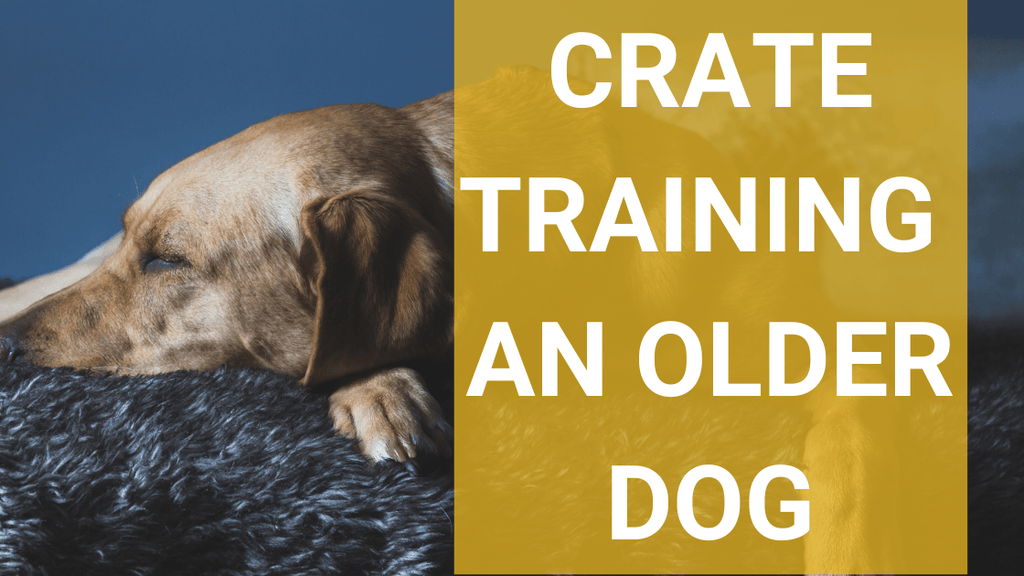
Have you ever wondered if your older dog can still learn new tricks? What about playing with toys?
It might seem like a challenge, but teaching your old dog to enjoy toys is easier than you think. Imagine the joy of seeing your furry friend excited and engaged again. You’ll discover simple, effective steps to bring fun and play back into your dog’s life.
Ready to strengthen your bond and make playtime a highlight of your day? Keep reading—you and your dog are about to have a lot more fun together.
Benefits Of Toy Play For Older Dogs
Playing with toys is good for older dogs. It keeps them happy and healthy. Toys help dogs stay active and alert.
Even if a dog is older, toy play can improve their life. It helps their mind, body, and feelings.
Mental Stimulation
Toys make older dogs think and solve problems. This keeps their brain sharp and active. Mental games can slow memory loss and confusion.
- Puzzle toys challenge their mind.
- Scent games engage their nose and brain.
- Interactive toys keep them focused.
Physical Exercise
Toys encourage older dogs to move gently. This helps their muscles and joints stay strong. Regular play can reduce stiffness and pain.
| Type of Toy | Exercise Benefit |
| Soft balls | Light running and fetching |
| Chew toys | Jaw strength and chewing |
| Rope toys | Gentle tugging and pulling |
Strengthening Bond
Playing with toys helps dogs and owners grow closer. It builds trust and love. Older dogs enjoy time spent with their person.
Ways to strengthen your bond:
- Play together daily.
- Use favorite toys to share fun.
- Give praise and gentle petting during play.
Choosing The Right Toys
Teaching an old dog to play with toys can be fun and rewarding. Picking the right toys is key to success.
Old dogs need toys that are gentle and easy to use. The right toy helps them enjoy playtime safely.
Soft And Safe Options
Choose soft toys that will not hurt your dog’s teeth or gums. Soft toys reduce the risk of injury during play.
Look for toys made of plush or soft rubber. Avoid hard or sharp toys that can cause discomfort.
- Plush stuffed animals designed for dogs
- Soft rubber balls
- Fabric chew toys
- Toys without small parts that can be swallowed
Interactive Toys
Interactive toys keep your dog engaged and mentally active. These toys encourage your dog to explore and play.
Choose toys that respond to your dog’s actions. Toys that move or make sounds can attract their attention.
- Treat-dispensing toys
- Toys that squeak or rattle
- Interactive puzzle toys
- Rolling or bouncing balls
Size And Texture Considerations
Pick toys in the right size for your dog. Toys that are too small can be choking hazards.
Texture matters because older dogs may have sensitive mouths. Soft or gentle textures work best.
- Choose medium or large toys for bigger dogs
- Smaller toys for small breeds
- Soft textures that are easy to chew
- Avoid rough or hard surfaces that hurt teeth
Introducing Toys Gradually
Teaching an old dog to play with toys takes patience. Start slowly to help your dog feel safe and curious.
Introducing toys step by step makes the process fun and stress-free. Your dog will learn to enjoy toys over time.
Creating A Positive Environment
Make the play area calm and quiet. Avoid loud noises or distractions that might scare your dog.
Let your dog explore the toys at their own pace. Stay close to offer comfort and encouragement.
Using Treats And Praise
Use treats to reward your dog when they show interest in toys. Praise them with a happy voice too.
This positive feedback helps your dog connect toys with good feelings. Keep treats small and healthy.
- Give a treat when your dog sniffs a toy
- Say “Good job!” or use a cheerful tone
- Offer pets or gentle strokes as praise
Starting With Short Play Sessions
Keep play sessions short, just a few minutes at first. This prevents your dog from feeling tired or stressed.
Gradually increase playtime as your dog becomes more comfortable. Always end sessions on a happy note.

Credit: www.caninesense.co.uk
Encouraging Play Behavior
Teaching an old dog to play with toys takes patience and care. Play helps keep your dog active and happy. It also strengthens your bond.
Encouraging play behavior can improve your dog’s mood and health. Use gentle methods to introduce toys and make play fun.
Demonstrating Toy Use
Show your dog how to use toys by playing with them yourself. Move the toy slowly to catch your dog’s attention. Let your dog watch and learn.
Use toys that make sounds or have interesting textures. This can make the toy more appealing to your dog. Praise your dog when it shows interest.
Incorporating Toys In Daily Routine
Make toys part of your dog’s daily life. Offer toys during walks, rest time, and meal breaks. This helps your dog expect play as a regular activity.
- Keep toys within your dog’s reach
- Rotate toys to keep them new and exciting
- Use toys to reward calm behavior
- Set short play sessions several times a day
Playing Together
Play with your dog to encourage interaction. Use gentle tugging or rolling games. Be patient and watch for signs your dog enjoys the play.
| Play Activity | Benefit |
| Fetch with soft ball | Improves movement and focus |
| Tug with rope toy | Builds strength and trust |
| Hide and seek with treats | Stimulates mind and senses |
Adapting To Your Dog’s Preferences
Teaching an old dog to play with toys takes patience and care. You need to adjust to what your dog likes and dislikes. This helps your dog enjoy playtime more.
Every dog has its own style. Some like soft toys, others prefer chew toys. Watching your dog closely helps you find the right toys.
Observing Reactions
Watch your dog’s face and body when you offer a toy. Signs like wagging tail or sniffing show interest. If your dog looks away or walks off, it may not like the toy.
- Notice if your dog is curious or scared
- Check if your dog tries to chew or carry the toy
- Look for signs of boredom or excitement
Trying Different Toys
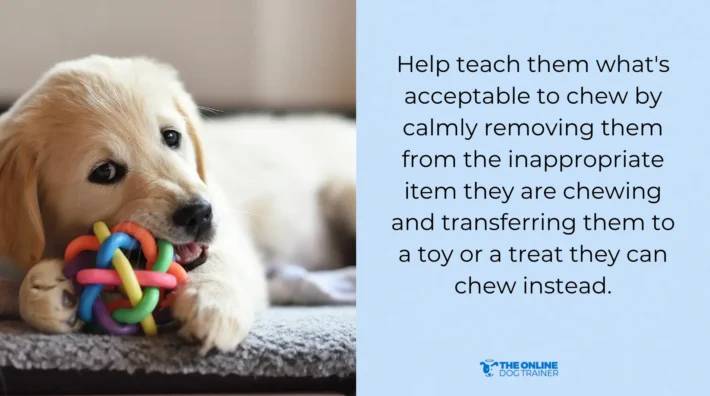
Give your dog several types of toys to find favorites. Some dogs like squeaky toys, others prefer balls or ropes. Keep trying new toys to keep playtime fun.
| Toy Type | Dog’s Reaction |
| Squeaky Toy | Excited, chased it |
| Rubber Ball | Sniffed, then ignored |
| Rope Toy | Chewed happily |
Respecting Limits
Older dogs may get tired or stressed easily. Let your dog rest if it seems tired. Never force play. Respect your dog’s mood and health.
Follow these tips to respect your dog’s limits:
- Keep play sessions short
- Watch for signs of tiredness
- Stop if your dog shows discomfort
- Offer water and breaks
Credit: theonlinedogtrainer.com
Addressing Common Challenges
Teaching an old dog to play with toys can be hard. Older dogs may not want to play like young dogs do.
Understanding common problems helps you find the best way to encourage play. Patience and care are key.
Overcoming Disinterest
Older dogs often lose interest in toys because they get bored or tired quickly. They may prefer resting over playing.
Try toys that match their favorite activities. Use soft toys or ones that make gentle sounds. Show excitement to catch their attention.
- Offer toys that smell like you or their favorite place
- Play in short, gentle sessions
- Use treats to reward interest
- Choose toys easy to carry and chew
Managing Health Issues
Health problems can limit an old dog’s ability to play. Joint pain or poor eyesight may make toys less fun or hard to use.
Check with a vet to know what is safe. Pick toys that are soft and easy to grab. Avoid toys that require fast movements or strong chewing.
- Use plush toys for gentle play
- Avoid small toys that could cause choking
- Keep playtime short to prevent tiredness
- Watch for signs of pain or discomfort
Avoiding Frustration
Both you and your dog can get frustrated when play does not go well. The dog might not understand new toys or tricks.
Stay calm and patient. Use clear signals and simple games. Praise your dog often to make play enjoyable and stress-free.
- Keep toys and games simple
- Use a happy voice and gentle touch
- Stop play if the dog shows stress
- Try different toys to find favorites
Maintaining Toy Play Over Time
Keeping an old dog interested in toys takes effort and care. You need to keep the playtime exciting and safe. This guide covers how to keep your dog enjoying toys for a long time.
By rotating toys, making play sessions fun, and watching for wear and safety, you help your dog stay active and happy.
Rotating Toys
Give your dog a few toys at a time. After a few days, swap them with others. This keeps the toys fresh and interesting. Dogs often lose interest if they see the same toy all the time.
- Keep a small group of toys out
- Store extra toys away
- Change the toys every few days
- Watch which toys your dog prefers
- Introduce new toys occasionally
Keeping Play Sessions Fun
Make playtime lively and short. Older dogs may get tired fast. Use soft voices and gentle movements. Change the way you play to keep your dog interested.
- Start with gentle play
- Use different toys for variety
- Give praise and pets during play
- End sessions before your dog gets tired
- Try new games that match your dog’s energy
Monitoring Wear And Safety
Check toys often for damage. Old or broken toys can hurt your dog. Remove toys that are unsafe. Keep your dog’s health in mind during playtime.
| Toy Condition | Action |
| Small tears or holes | Repair or replace soon |
| Loose parts or stuffing | Remove immediately |
| Hard or sharp edges | Discard toy |
| Worn-out texture | Consider replacing |

Credit: medium.com
Frequently Asked Questions
How Do I Start Teaching An Old Dog?
Begin by introducing toys slowly and positively. Use treats to build interest. Encourage interaction with gentle guidance. Start with short play sessions. Patience and consistency are key to success. Always reward any interest shown in the toys. This builds positive associations with playtime.
Why Is My Old Dog Not Interested In Toys?
Older dogs may lack interest due to unfamiliarity or lack of motivation. Health issues can also be a factor. Ensure your dog is comfortable and healthy. Use enticing toys and treats to build curiosity. Patience and gradual encouragement are essential in rekindling their interest.
Can Old Dogs Learn New Tricks With Toys?
Yes, old dogs can learn new tricks using toys. Start with simple commands and reward positive behavior. Use toys as motivation and engage in consistent practice. Patience and praise are crucial. Over time, your dog will associate toys with fun learning experiences.
Keep sessions short and enjoyable.
What Toys Are Best For Older Dogs?
Choose toys that are soft and easy on their teeth. Consider interactive toys that stimulate their mind. Squeaky or treat-dispensing toys can be highly engaging. Ensure the toys are safe and durable. Always supervise playtime to prevent any accidents. Adjust toy choices based on your dog’s preferences.
Conclusion
Teaching an old dog to play with toys takes time and patience. Start slow and use gentle encouragement. Choose toys your dog likes and feels comfortable with. Celebrate small successes and keep sessions short. Play can improve your dog’s mood and health.
It also strengthens the bond between you and your pet. Remember, every dog learns at their own pace. Stay kind and consistent. Enjoy the moments you share together. Playing is fun, no matter the dog’s age.