






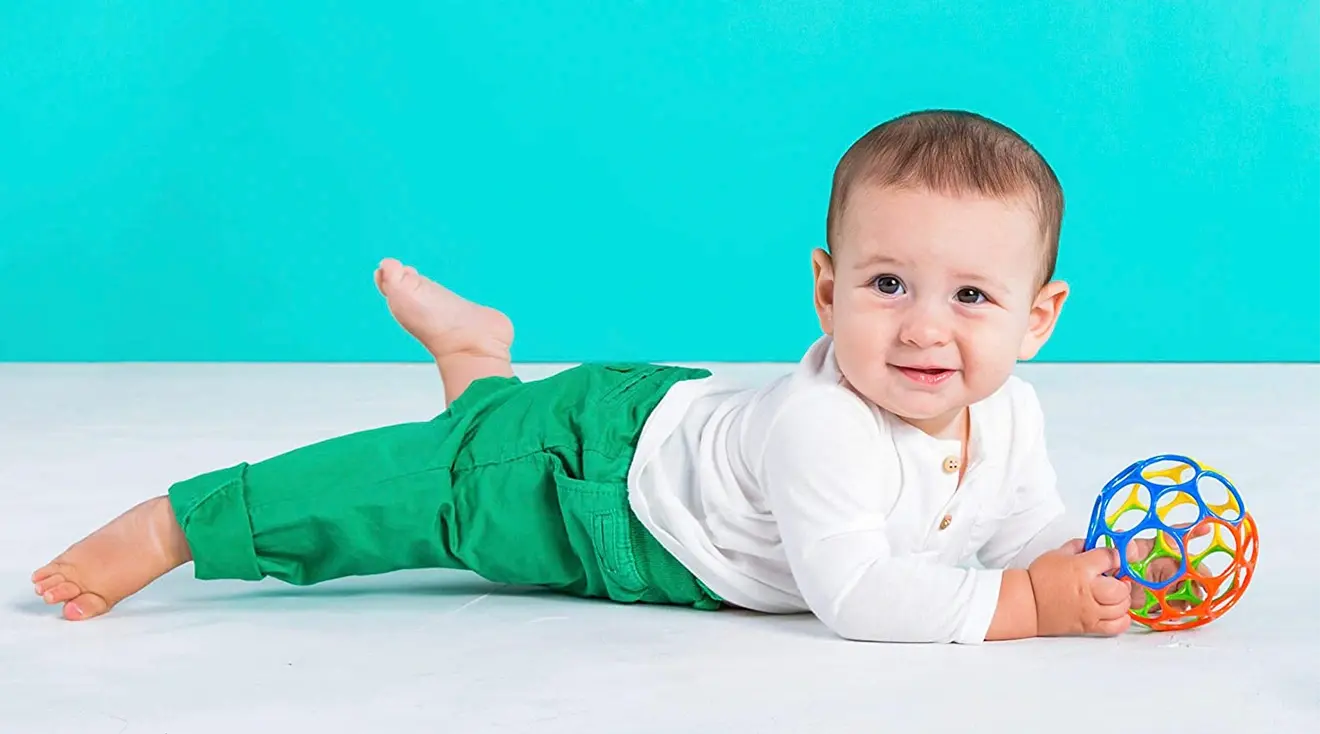
Are you wondering when your little one will start playing with toys? Watching your baby discover new things is one of the most exciting parts of parenthood.
But knowing the right time to introduce toys can help you support their growth and keep them happy. You’ll learn exactly what age babies begin to play with toys and how this simple activity boosts their development. Keep reading to find out how you can choose the best toys and encourage your baby’s playtime at just the right moment.

Credit: toyadvisorpro.com
When Babies Begin Toy Interaction
Babies start to explore the world around them soon after birth. Their interest in toys grows as they develop new skills. Understanding when babies begin to play helps caregivers support their growth.
Early toy interaction involves senses and movement. Toys that encourage touching, seeing, and hearing are great for newborns. As babies grow, they begin to grasp and hold objects.
Newborns And Sensory Exploration
Newborns use their senses to learn about toys. Bright colors, soft textures, and gentle sounds catch their attention. At this stage, babies mostly observe and touch toys without holding them tightly.
- Look at colorful patterns
- Listen to soft noises
- Feel different textures
- Watch moving objects
Tummy Time And Early Grasping
Tummy time helps babies build muscles to hold toys. During this time, babies start to reach and grab objects. Their hands learn to open and close, which leads to better toy play.
| Age | Toy Interaction Skill |
| 0-2 months | Visual and sensory exploration |
| 2-4 months | Reaching and swiping at toys |
| 4-6 months | Grasping and holding toys firmly |
Toy Preferences By Age
Babies start exploring toys as early as their first months. Their preferences change as they grow.
Choosing the right toys helps support their development and keeps them interested.
0 To 3 Months: Visual And Auditory Toys
Newborns are drawn to bright colors and simple shapes. They also respond well to sounds.
Toys with high contrast and gentle noises are best. These stimulate their senses safely.
- Black and white patterned cards
- Soft rattles that make light sounds
- Mobiles with moving shapes
4 To 6 Months: Teething And Grasping Toys
Babies start to use their hands more. They like to hold and chew on objects during teething.
Toys that are easy to grasp and safe to bite help soothe their gums and improve coordination.
- Soft silicone teethers
- Lightweight rattles with handles
- Textured balls and rings
7 To 12 Months: Interactive And Motor Skill Toys
Older babies enjoy toys that move and make sounds. These encourage crawling and standing.
Interactive toys help develop fine motor skills and problem-solving abilities.
- Push and pull toys
- Stacking cups and blocks
- Activity centers with buttons and levers
Choosing Safe Toys
Babies begin to play with toys at different ages. Choosing safe toys helps keep them healthy and happy. Parents should pick toys that fit a baby’s age and skills.
Safe toys support a baby’s growth and keep them from harm. Knowing what to look for makes choosing easier and safer.
Material And Size Considerations
Choose toys made from non-toxic materials. Babies often put toys in their mouths. Materials should be free from harmful chemicals.
Toys should be the right size for babies. Small toys can be swallowed or cause choking. Large toys are safer for young children.
- Look for BPA-free plastics or natural wood
- Check labels for non-toxic certifications
- Avoid toys with paint that can chip
- Pick toys bigger than a baby’s mouth
Avoiding Choking Hazards
Choking is a serious risk for babies. Toys with small parts can block their airways. Always check toys for loose pieces before giving them to babies.
Check toy labels for age recommendations. These guide safe use. Avoid toys with buttons, beads, or other small parts for babies under three years.
- Test toys by fitting parts into a small tube
- Discard broken toys immediately
- Supervise playtime with new toys
- Choose toys designed for babies under 12 months
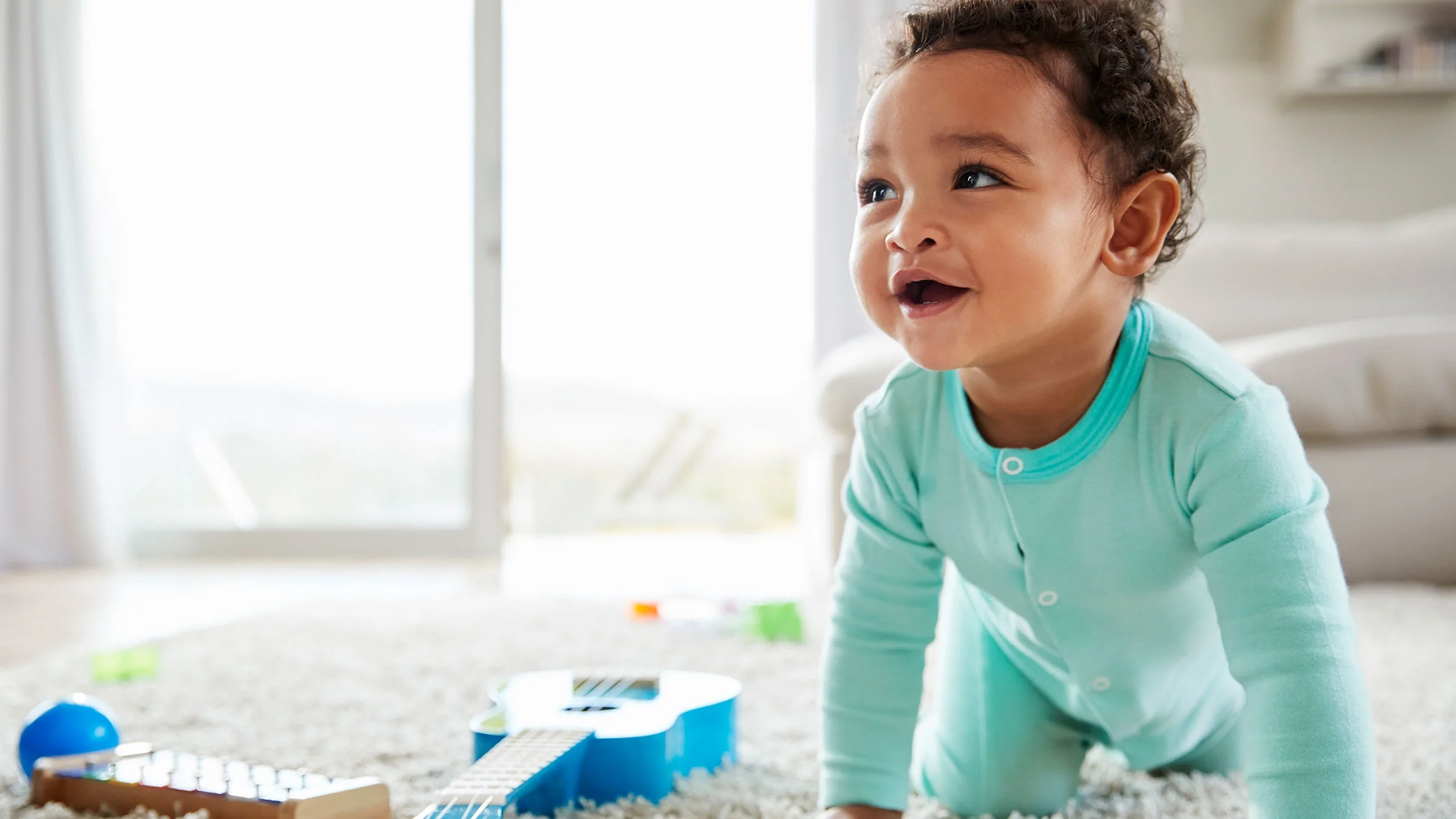
Credit: toyadvisorpro.com
Benefits Of Toy Play
Toys help babies learn about the world around them. Playing with toys supports their growth in many ways.
Toy play encourages babies to think, move, and feel. It helps them build important skills for life.
Cognitive Development
Playing with toys helps babies develop their thinking skills. They learn how things work and solve problems.
Through toy play, babies discover cause and effect. They begin to recognize shapes, colors, and sizes.
- Toys with different shapes improve recognition
- Cause and effect toys teach actions and results
- Sorting toys help with problem-solving
Motor Skills Enhancement
Playing with toys improves babies’ hand and finger movements. They learn to grab, hold, and release objects.
Movement with toys also helps babies develop coordination and balance. These skills prepare them for walking and other activities.
- Grasping toys strengthen finger muscles
- Rolling balls encourage crawling and reaching
- Stacking blocks improve hand-eye coordination
Emotional And Social Growth
Toy play allows babies to express feelings and build trust. It helps them feel happy and safe.
Playing with others using toys teaches sharing and cooperation. Babies learn how to interact with people.
- Comfort toys offer emotional security
- Interactive toys promote social skills
- Group play encourages sharing and turn-taking
Encouraging Playtime
Babies start playing with toys as early as a few months old. Play helps their growth and learning. It is important to encourage playtime every day.
Parents and caregivers can create fun and safe ways for babies to explore toys. This builds skills and keeps babies happy.
Creating A Stimulating Environment
Make a safe and colorful space for babies to play. Use soft mats and cushions to protect them. Bright toys with different shapes and textures attract their attention.
Keep toys within easy reach to encourage babies to grab and explore. Change toys regularly to keep playtime fresh and interesting.
- Use soft, colorful mats and cushions
- Offer toys with different shapes and textures
- Place toys within easy reach
- Rotate toys to maintain interest
- Ensure toys are safe and age-appropriate
Involving Caregivers In Play
Caregivers should join babies during playtime. Talking, singing, and smiling makes play more fun. It also helps babies learn words and emotions.
Use simple toys like rattles or blocks to show babies how to play. Respond to their sounds and movements to encourage more interaction.
- Talk and sing while playing
- Use simple toys to demonstrate play
- Watch and respond to baby’s sounds
- Smile and show excitement
- Encourage baby to explore safely

Credit: toybuddie.com
Signs Baby Is Ready For New Toys
Babies grow fast and their play needs change too. Knowing when to give new toys helps their development.
Watch for signs that your baby is ready for new toys. These signs show they are ready to explore more.
Increased Hand Coordination
Babies start to use their hands better as they grow. They can grab, hold, and move toys with more skill.
This shows they are ready for toys that require more hand movements and control.
- Reaches out to grab objects
- Can hold small toys for a few seconds
- Moves toys from one hand to another
Curiosity And Attention Span
Babies show curiosity by looking at and touching new things. They focus longer on toys that interest them.
This means they can enjoy toys that offer new sounds, shapes, or colors to explore.
- Looks at toys for several minutes
- Tries to explore toys by mouthing or tapping
- Shows interest in different textures and colors
Frequently Asked Questions
When Do Babies Start Showing Interest In Toys?
Babies typically begin showing interest in toys around 2 to 3 months old. At this age, they start to track objects visually and reach out to touch. Simple, colorful toys can attract their attention and encourage early play and exploration.
What Types Of Toys Are Best For Newborns?
Soft, lightweight, and high-contrast toys are best for newborns. These toys stimulate their developing senses and are safe for mouthing. Rattles, soft plush toys, and black-and-white patterned books are ideal choices for the first few months.
How Does Playing With Toys Benefit Baby Development?
Playing with toys supports motor skills, hand-eye coordination, and cognitive growth. It also encourages sensory exploration and social interaction. Early play helps babies learn cause and effect, develop focus, and build curiosity about their surroundings.
At What Age Do Babies Start Grasping Toys?
Babies usually start grasping toys around 3 to 4 months. Their hand muscles strengthen, allowing them to hold and shake objects. Offering easy-to-grip toys encourages this important developmental milestone and improves fine motor skills.
Conclusion
Babies start exploring toys around three to four months old. It’s a magical time. They discover colors, textures, and sounds. Toys help in their development. They learn to grasp and move. Each toy offers new experiences. Parents should choose age-appropriate toys.
Safety is important too. Watching babies play is rewarding. It shows their growth and curiosity. Parents get to enjoy these small milestones. Remember, every baby is unique. They play at their own pace. Encourage and cherish their playful moments. Playtime is a wonderful way to bond.
Enjoy this special time together.