






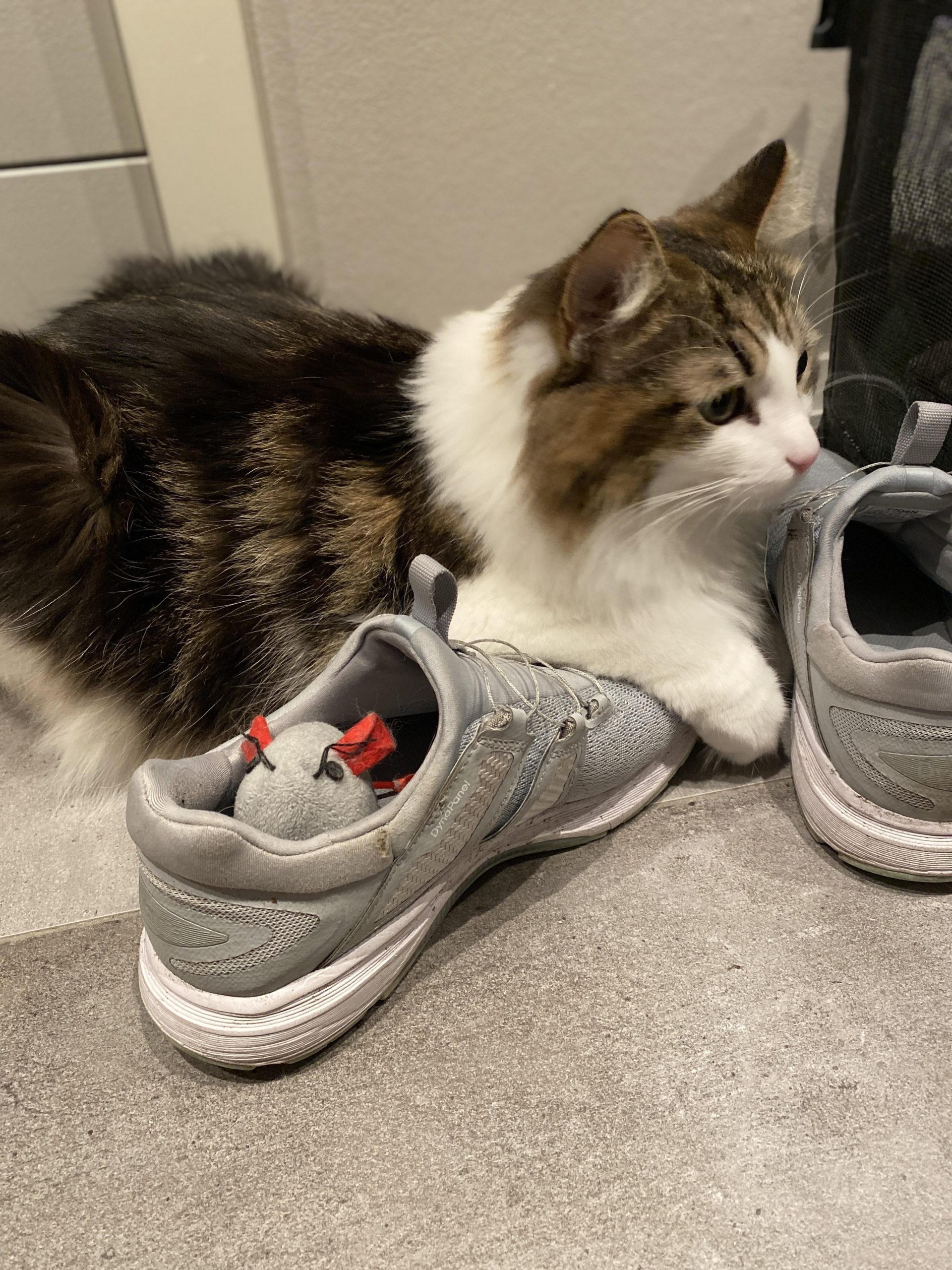
Have you ever noticed your cat meowing while she’s playing with her toys and wondered why? It’s a curious behavior that can leave you puzzled.
Is she trying to tell you something? Or is it just part of her fun? Understanding why your cat meows during playtime can help you connect with her better and ensure she’s happy and healthy. Keep reading to discover the surprising reasons behind those playful meows and what they mean for your furry friend.

Credit: www.reddit.com
Cat Vocalizations During Play
Cats often meow while playing with their toys. These sounds help express their feelings. Understanding these sounds can improve your bond with your cat.
During play, cats use different vocal sounds. These sounds show excitement, frustration, or surprise. Watching your cat’s sounds helps you know what they feel.
Types Of Meows Cats Use
Cats use many kinds of meows when they play. Some meows are short and quick. Others can be long and drawn out. Each meow means something different.
Common types include:
- Short meows show attention or excitement
- Repeated meows express eagerness to continue playing
- Low-pitched meows may show frustration if the toy is hard to catch
- High-pitched meows often happen when cats are surprised or excited
Meowing Vs Other Sounds
Besides meows, cats make other sounds during play. These include chirps, purrs, and growls. Each sound has a different meaning.
Chirps often show excitement. Purrs mean the cat is happy. Growls or hisses can mean the cat feels threatened or annoyed. Listening to these sounds helps you understand your cat better.
- Meowing: Communication and attention-seeking
- Chirping: Excitement or hunting instinct
- Purring: Contentment and comfort
- Growling or hissing: Warning or discomfort

Credit: www.kittyhelpdesk.com
Emotions Behind Meowing
Cats use meowing to express their feelings. When your cat plays, meowing shows her emotions.
Understanding these sounds helps you know what your cat feels during playtime.
Excitement And Joy
Meowing often signals your cat’s happiness and energy. She enjoys chasing toys and feels excited.
- High-pitched meows show eagerness.
- Quick meows happen during fast movements.
- Soft meows mean contentment.
Frustration Or Challenge
Your cat may meow when she finds a toy hard to catch. This sound shows her frustration.
Here is a table showing common meow types and their possible meanings during play:
| Meow Type | Meaning |
|---|---|
| Short, sharp meow | Frustration or challenge |
| Repeated meows | Persistence or trying harder |
| Low-pitched meow | Annoyance or impatience |
Seeking Attention
Sometimes, your cat meows to get your attention during play. She wants you to join or watch her.
- Meows increase if you ignore her.
- She may bring toys to you.
- Purring mixed with meowing means she wants affection.
Communication With Humans
Cats use meowing as a way to talk to humans. They do not meow much to other cats.
When your cat meows while playing, she is trying to tell you something. It is a form of communication.
Expressing Play Intentions
Your cat meows to show she wants to play. This helps you understand her mood and needs.
Meowing lets you know she is excited or interested in her toys. It shows she is ready for fun.
- Meows can mean “I want to chase this toy.”
- Different sounds may show how excited she feels.
- It signals that playing is important to her now.
Requesting Interaction
Sometimes your cat meows to get your attention during playtime. She wants you to join her.
This meow asks you to throw the toy or move it. It invites you to be part of her game.
- She may want you to play together.
- Meowing helps her ask for more fun.
- This shows she enjoys your company while playing.

Credit: www.reddit.com
Instincts And Hunting Behavior
Cats meow when playing with toys because of their natural instincts. These sounds help them act like hunters. Playing is a way to practice hunting skills.
Meowing during play shows how cats connect with their hunting behavior. It keeps them alert and ready to catch prey.
Mimicking Prey Sounds
Cats use meows to mimic noises made by prey. This helps them stay focused on their target. The sounds can attract or confuse their imaginary prey.
By copying these sounds, cats get closer to their natural hunting style. It makes playtime more realistic and fun for them.
Stimulation Of Predatory Instincts
Meowing activates a cat’s predatory instincts during play. It triggers excitement and sharpens their attention. This behavior helps cats stay mentally and physically active.
These sounds also show a cat’s readiness to pounce and catch. Meowing is part of their natural hunting routine, even with toys.
Environmental Factors
Cats often meow during playtime. Their surroundings can affect how much they vocalize. Understanding these factors helps explain their behavior.
Some cats react to noises or sights around them. Toy types and textures also influence their sounds during play.
Effect Of Surroundings On Vocalization
Cats may meow more if the environment is noisy or new. Loud sounds can make them feel excited or anxious. They use meows to communicate their feelings.
- Bright lights can make cats more alert and vocal.
- Other pets nearby may trigger more meowing.
- Strange smells might cause curiosity and sounds.
- Open windows let in sounds that catch their attention.
Impact Of Toy Type And Texture
Toys with different textures cause cats to react differently. Soft or crinkly toys often make cats meow more. They express excitement or surprise through sounds.
| Toy Type | Texture | Typical Cat Reaction |
| Feather Wand | Light, soft | High meowing and pouncing |
| Crinkle Ball | Crinkly, noisy | Curious meows and batting |
| Plush Mouse | Soft, smooth | Quiet play with occasional meows |
| Rubber Toy | Firm, bouncy | Less vocal, more chewing |
When To Be Concerned
Cats meow for many reasons when playing with toys. Most of the time, it is normal and shows excitement.
Sometimes, meowing can mean your cat is upset or in pain. You should watch closely for signs that worry you.
Signs Of Stress Or Pain
Meowing while playing can show stress or pain if your cat acts differently. Look for changes in behavior.
Signs include hiding, avoiding toys, or moving stiffly. Your cat may also meow loudly or more often.
- Hiding or avoiding playtime
- Stiff or slow movements
- Loud or distressed meows
- Swelling or limping
Changes In Meowing Patterns
Notice if your cat’s meows change while playing. New sounds or more meowing can signal issues.
If your cat usually meows softly but now cries loudly, it may feel pain or fear. Record these changes.
- More frequent meowing than usual
- Different tone or pitch
- Meowing stops suddenly
- Meowing only during play
Frequently Asked Questions
Why Does My Cat Meow During Playtime?
Cats meow during play to communicate excitement or to mimic hunting sounds. It’s their way of engaging with you or expressing joy while interacting with toys.
Is Meowing While Playing Normal Cat Behavior?
Yes, meowing while playing is normal. It shows your cat’s enthusiasm and can indicate they are mentally stimulated and enjoying the activity.
Can Meowing Mean My Cat Is Frustrated During Play?
Sometimes, meowing can signal frustration if a cat can’t catch a toy. It may express eagerness to hunt or a desire for more interactive play.
Does My Cat Meowing Mean She Wants Attention?
Yes, cats often meow during play to seek attention and interaction from their owners. It’s a way to invite you to join the fun.
Conclusion
Cats meow during play for various reasons. It expresses excitement and joy. Sometimes, it’s a call for attention or interaction. Playtime mimics hunting, making it thrilling for them. Each meow can mean something different. Understanding these sounds helps you bond better.
Pay attention to your cat’s cues. Responding appropriately strengthens your connection. Provide toys that stimulate and satisfy. This ensures a happy, healthy cat. Listening to your cat’s meows during play enriches both your lives. Enjoy these playful moments with your furry friend.
They are priceless.