




Are you thinking about setting up a metal building but unsure if cinder blocks can support it? You’re not alone.
Many people wonder if cinder blocks are a safe and reliable foundation choice for metal structures. The answer isn’t as simple as yes or no—it depends on several important factors that can affect the strength and stability of your building.
You’ll discover what you need to know before placing a metal building on cinder blocks. By the end, you’ll have the confidence to make the right decision for your project and avoid costly mistakes. Keep reading to find out how to protect your investment and ensure your metal building stands strong for years to come.

Credit: m.youtube.com
Suitability Of Cinder Blocks
Cinder blocks are a common material for building foundations. They are often used to support metal buildings. Understanding their suitability helps decide if they are right for your project.
This article looks at the strength, load capacity, and common uses of cinder blocks. These points show if cinder blocks can hold a metal building safely.
Strength And Stability
Cinder blocks are strong and stable when used properly. They resist pressure and can hold heavy loads without cracking. Their strength depends on how well they are installed.
Good mortar and proper stacking improve stability. Cinder blocks must be placed on firm soil or a concrete footing for best results. This prevents shifting or sinking.
Load-bearing Capacity
Cinder blocks can carry heavy weights but have limits. The load capacity depends on block size and quality. Usually, they support residential and light commercial buildings well.
Metal buildings are often heavy, so the blocks must be checked for load capacity. Using reinforced blocks or adding steel bars can increase strength.
- Standard cinder block size: 8x8x16 inches
- Typical load capacity: 1,900 to 2,500 pounds per block
- Reinforcement improves weight support
- Proper footing distributes load evenly
Common Uses In Construction
Cinder blocks are widely used for foundations, walls, and retaining structures. Builders choose them for their cost and ease of use. They fit well for metal building bases if installed correctly.
They provide a solid base that keeps buildings level and secure. Many metal buildings sit on cinder block foundations in residential and agricultural areas.
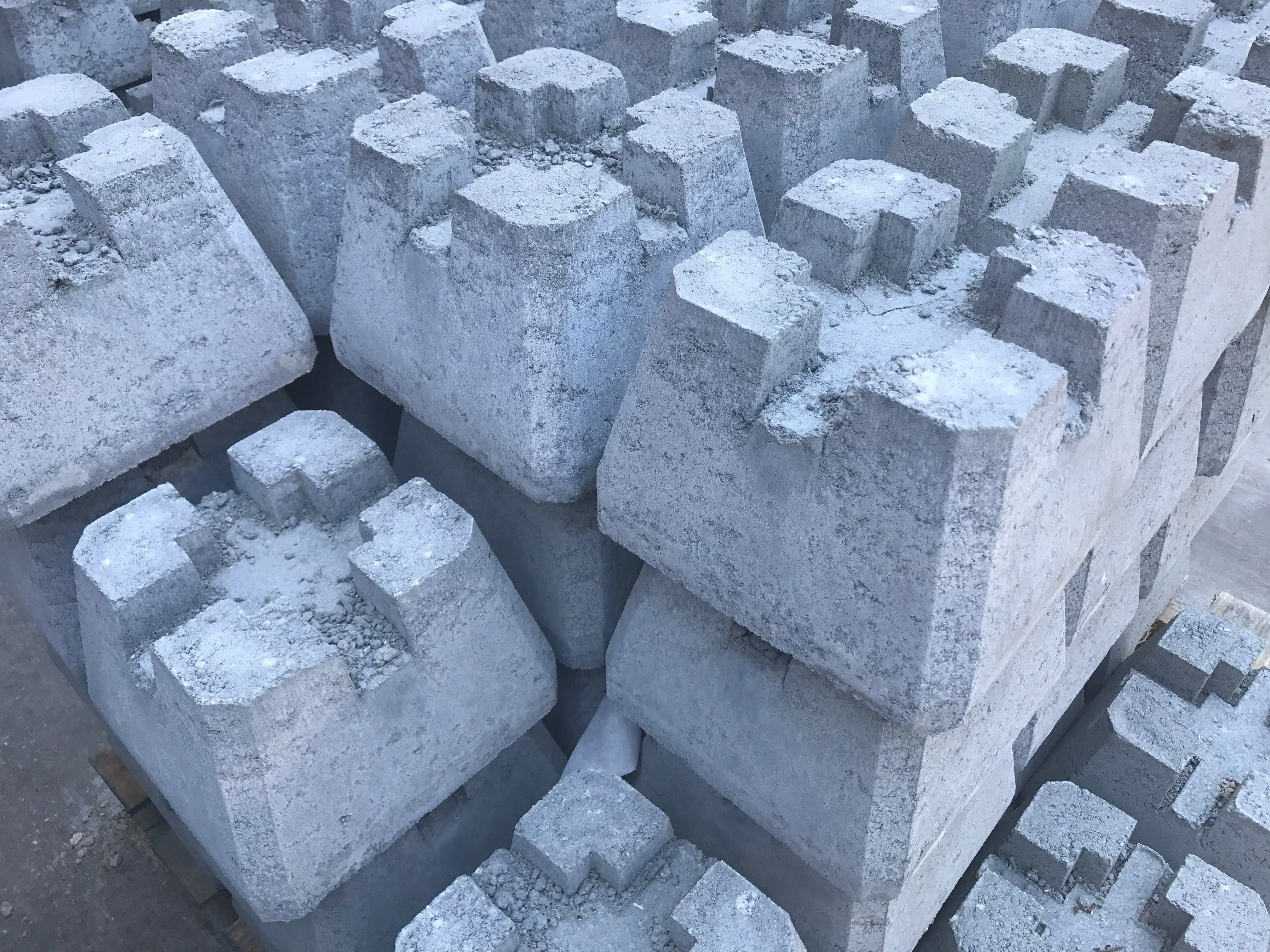
- Foundation walls for small buildings
- Support piers under metal frames
- Retaining walls for soil support
- Fire-resistant barriers in construction
Credit: www.decks.com
Types Of Metal Buildings
Metal buildings come in many types for different uses. They are strong and last a long time.
People use metal buildings for homes, businesses, and storage. Each type has special features.
Residential Options
Metal buildings for homes are popular. They can be made to look like regular houses.
These buildings are energy efficient and easy to keep. They can be strong against weather.
- Metal houses with insulated walls
- Metal cabins for small living spaces
- Metal garages attached to homes
Commercial Structures
Businesses use metal buildings for offices and shops. They can be big or small.
These buildings are easy to expand and change. They often have open floor plans.
- Metal warehouses for storage
- Metal retail shops
- Metal office buildings
Storage Sheds
Metal storage sheds protect tools and equipment. They are strong and resist pests.
These sheds come in many sizes. They are good for home or business use.
- Small metal sheds for gardens
- Large metal sheds for vehicles
- Custom metal sheds for special needs
Foundation Requirements
Building a metal structure requires a strong and stable foundation. The foundation holds the building and keeps it safe from shifting or sinking.
Choosing the right foundation depends on the soil, site, and the building size. Cinder blocks may not always be the best choice.
Ideal Foundation Types
Metal buildings need foundations that spread weight evenly. Concrete slabs and pier footings work well. These provide a solid base that lasts.
Cinder blocks can be used for small sheds or light buildings. They must be placed on firm ground and properly leveled to avoid problems.
Comparing Concrete Slabs And Cinder Blocks
Concrete slabs offer a flat, continuous surface. They support heavy loads and resist moisture well. Slabs are good for large metal buildings.
Cinder blocks are hollow and lighter. They can shift if soil moves or if not set on a proper footing. They work best for smaller buildings and light use.
- Concrete Slabs:Strong, durable, moisture-resistant
- Cinder Blocks:Less strong, need good footing, prone to shifting
- Weight Support:Slabs support more weight than cinder blocks
Soil And Site Considerations
The soil type affects foundation choices. Firm, compact soil holds blocks well. Loose or wet soil may cause settling or cracks.
Site slope and drainage also matter. Water should drain away from the foundation to avoid damage. Level ground helps keep foundations stable.
- Check soil firmness before building
- Ensure good drainage to protect foundation
- Level the site to prevent shifting
- Use footings under cinder blocks for extra support
Installing On Cinder Blocks
Placing a metal building on cinder blocks can be a good option. It raises the building off the ground and can save on concrete costs.
You must prepare well to ensure the building stays stable and dry. This guide covers important steps for installation.
Preparation Steps
Start by choosing strong, solid cinder blocks that can carry the building’s weight. Check the blocks for cracks or damage before use.
Make sure the ground is level and compacted. Uneven ground can cause the building to lean or shift over time.
- Pick good quality cinder blocks without cracks
- Level and compact the soil under the blocks
- Arrange blocks in a stable, even pattern
- Use a level tool to check for flatness
Anchoring Techniques
Metal buildings need to be firmly anchored to the cinder blocks. This keeps the building safe during wind or storms.
Use metal straps or anchor bolts to connect the building frame to the blocks. Make sure anchors fit tightly and do not move.
- Use anchor bolts drilled into cinder blocks
- Attach metal straps from frame to blocks
- Tighten all fasteners securely
- Check anchors regularly for wear or loosening
Moisture And Insulation Concerns
Cinder blocks can let moisture rise into the building. This can cause rust or mold inside your metal building.
To prevent this, use a moisture barrier between the blocks and the building frame. Also, add insulation to keep the building warm.
- Place a plastic sheet or membrane on blocks before building
- Seal gaps between blocks and frame
- Use insulation panels inside walls or roof
- Ventilate the building to reduce humidity
Potential Risks And Challenges
Placing a metal building on cinder blocks may seem simple. Many people wonder if it is safe and strong enough. There are some risks and challenges to consider before building this way.
The foundation needs to support the building well. If it does not, problems can happen over time. Understanding these risks can help you make better decisions.
Structural Integrity Issues
Cinder blocks might not support a metal building evenly. This can cause the structure to shift or settle. Uneven support leads to cracks and damage in the building frame.
The weight of the metal building is heavy. Cinder blocks alone may not handle the load well. This puts stress on the blocks and can make them break or crumble.
Weather Impact
Weather affects cinder blocks more than some foundations. Water can seep into the blocks and cause damage. Freeze and thaw cycles make cracks grow bigger over time.
Strong winds can also cause problems. If the blocks are not secured well, the building might move or tilt. This reduces safety and stability during storms.
Longevity And Maintenance
Metal buildings on cinder blocks may need more repairs. The blocks can wear down and weaken. This means extra maintenance costs and effort.
Regular checks help catch issues early. You should look for cracks, shifts, and water damage. Fixing these problems fast keeps the building safe longer.
- Inspect cinder blocks yearly for cracks
- Ensure proper drainage around the foundation
- Reinforce blocks if signs of wear appear
- Secure metal building frame to the foundation well
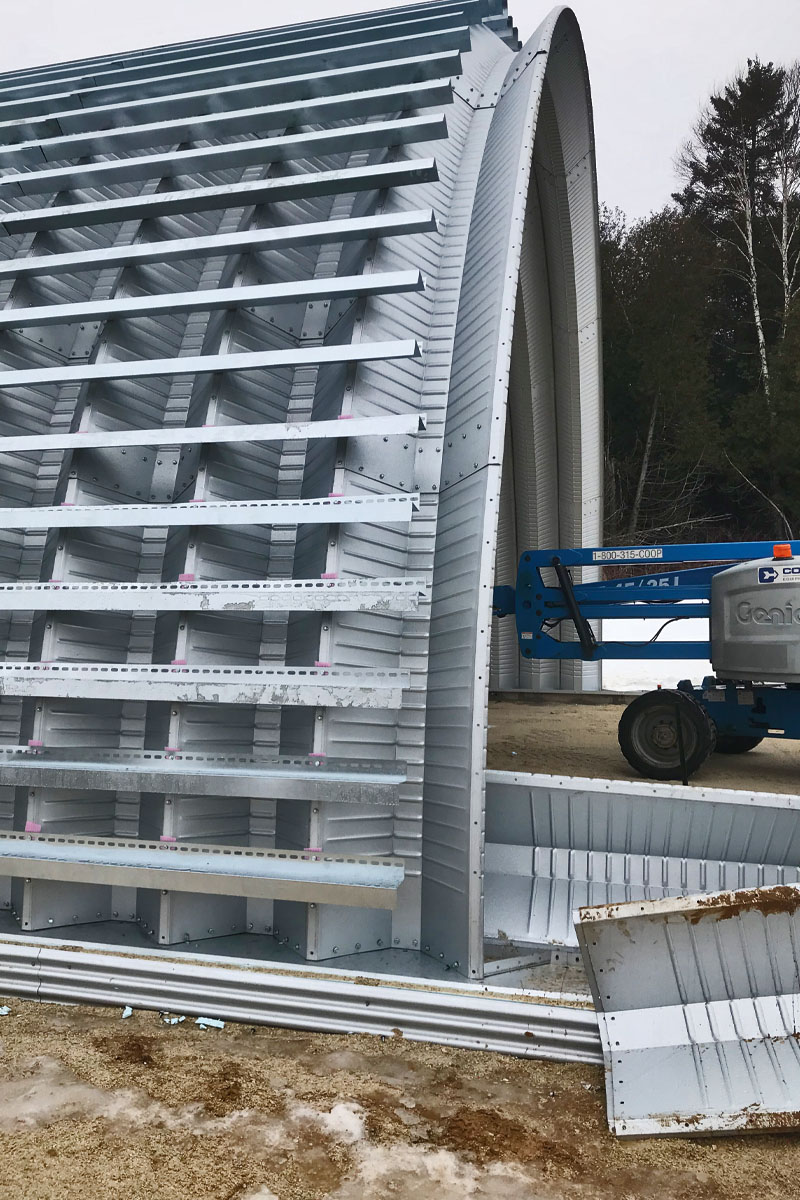
Credit: cottagelife.com
Expert Recommendations
Placing a metal building on cinder blocks is a common question for many builders. This guide shares expert advice on when to use cinder blocks and other support options.
Choosing the right foundation affects the building’s strength and lifespan. Follow these tips to make a smart decision.
When To Use Cinder Blocks
Cinder blocks can support light to medium metal buildings. They work well on flat, stable ground with good drainage.
Experts suggest using cinder blocks if you want a simple and cost-effective base. Make sure the blocks are level and properly aligned.
- Best for small sheds or workshops
- Not ideal for very heavy buildings
- Use on firm, dry soil to avoid sinking
Alternatives For Better Support
Stronger foundations improve safety and durability. Concrete slabs and poured footings give better support than cinder blocks.
These options distribute weight evenly and reduce risk of shifting or cracking over time.
- Concrete slab: solid and stable base
- Poured footings: deep support for heavy loads
- Steel piers: adjustable and strong
Hiring Professionals
Experts can help you choose the best foundation for your metal building. They ensure proper design and installation.
Professional builders avoid common mistakes that could cause problems later. They use the right tools and materials for safety.
- Get a site evaluation before building
- Ask for foundation design advice
- Hire licensed contractors for installation
Frequently Asked Questions
Can You Put A Metal Building On Cinder Blocks?
Yes, you can place a metal building on cinder blocks. Ensure the blocks are level, strong, and properly spaced. This foundation supports weight and prevents shifting. Always check local building codes before installation.
Are Cinder Blocks Strong Enough For Metal Buildings?
Cinder blocks can be strong enough if they are solid and properly reinforced. Use concrete-filled or reinforced blocks for added strength. Proper installation ensures stability and durability for metal structures.
What Are The Benefits Of Cinder Block Foundations?
Cinder block foundations are cost-effective, durable, and easy to install. They provide good ventilation and resist moisture damage. This makes them a popular choice for metal building foundations.
How To Prepare Cinder Blocks For Metal Building Installation?
Prepare cinder blocks by leveling the ground, setting blocks on a concrete footing, and ensuring alignment. Fill blocks with concrete for added strength. This creates a stable, long-lasting base for your metal building.
Conclusion
Placing a metal building on cinder blocks can work if done right. The blocks must be strong and level to support the weight. Proper spacing and secure anchoring matter a lot. Poor setup can cause shifting or damage over time.
Always check local rules before starting your project. Taking time to prepare ensures a safe, stable base. This approach saves money but needs care and planning. Think about your building’s size and use before choosing this method. Safety and durability come first.