

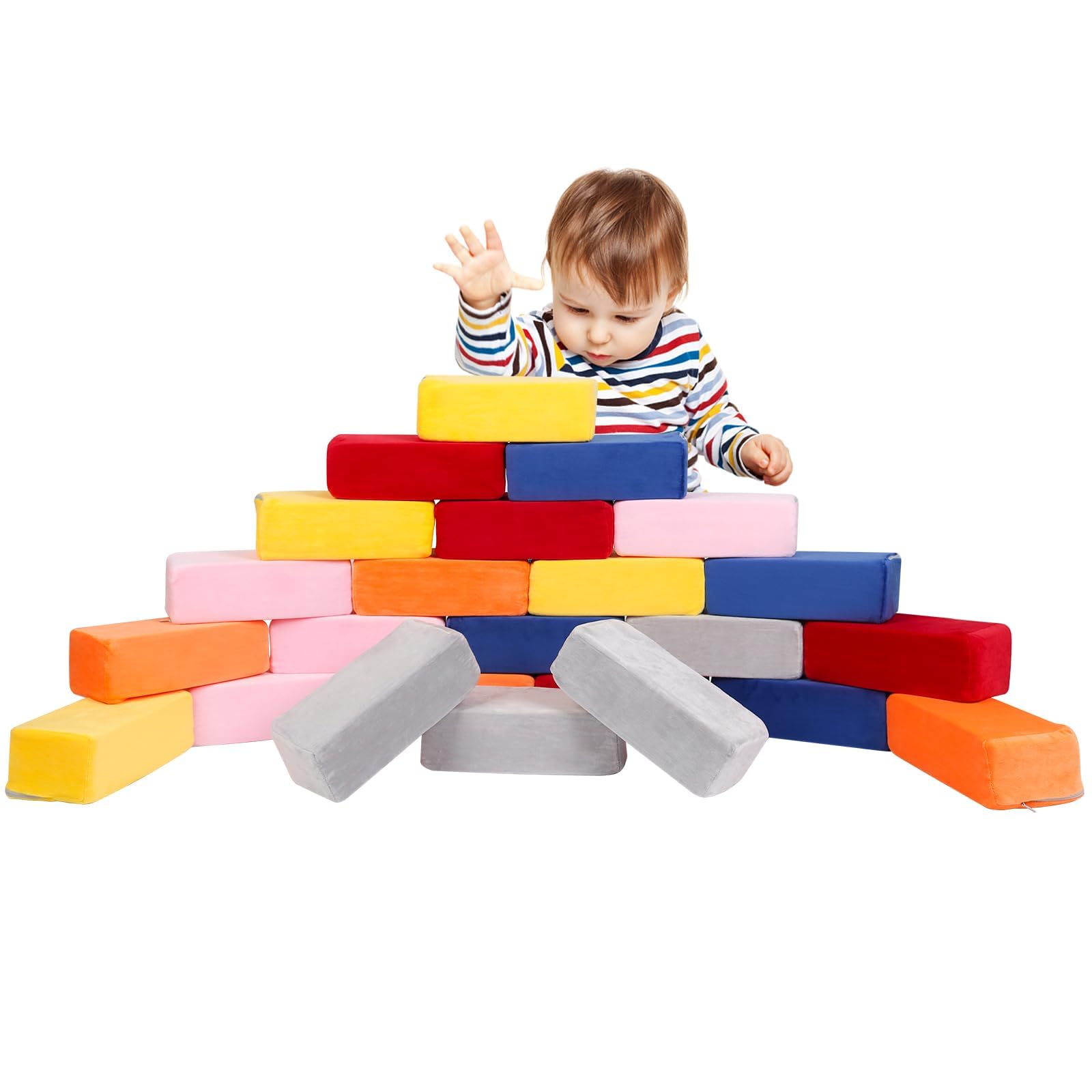
Are you wondering if foam block toys are the right choice for your child? Choosing the perfect toy can feel overwhelming, especially when safety and developmental benefits matter most.
Foam block toys are praised for being soft, colorful, and educational, but are they suitable for every age? Understanding which age group benefits most from these toys can help you make a confident decision. Keep reading to discover how foam block toys can support your child’s growth and which ages get the most out of playtime with them.

Credit: www.thebump.com
Benefits Of Foam Block Toys
Foam block toys are soft, colorful, and easy to handle. They are perfect for young children to play and learn.
These toys help kids grow skills and enjoy safe playtime. They suit many age groups, especially toddlers and preschoolers.
Enhancing Motor Skills
Foam blocks help children develop their hand-eye coordination. Picking up and stacking blocks improves fine motor skills.
Playing with these blocks also builds strength and control in small hand muscles. Kids learn to move with more precision.
- Grasping blocks strengthens fingers
- Stacking improves hand coordination
- Building towers teaches balance
Encouraging Creativity
Foam blocks come in many shapes and colors. Children can create anything they imagine using these blocks.
Free play with foam blocks sparks imagination. Kids build houses, animals, or new objects, exploring their ideas.
- Mix colors to create new patterns
- Combine shapes for unique designs
- Try different layouts and structures
Promoting Safe Play
Foam blocks are soft and lightweight. They reduce the risk of injuries during playtime compared to hard toys.
The material is safe for young children who might put toys in their mouths. Foam blocks are easy to clean too.
- Soft surface prevents cuts and bruises
- No small parts reduce choking hazards
- Lightweight design avoids heavy falls

Credit: www.amazon.com
Age Recommendations
Foam block toys are popular for many kids because they are soft and safe. Different ages enjoy them in different ways.
Choosing the right foam blocks depends on the child’s age and skill level. This helps keep play safe and fun.
Toddlers (1-3 Years)
Toddlers like foam blocks because they are easy to hold and light. These blocks help with hand-eye coordination.
Blocks with bright colors and simple shapes work best for toddlers. Soft foam keeps them safe during play.
- Large blocks reduce choking risk
- Simple shapes help learning
- Encourage stacking and sorting
Preschoolers (3-5 Years)
Preschoolers enjoy building bigger structures with foam blocks. They develop creativity and problem-solving skills.
Blocks with varied shapes and sizes are good for this age. Kids start to use their imagination more.
- Use blocks to create towers and houses
- Introduce basic shapes and colors
- Encourage group play and sharing
Early School Age (6-8 Years)
Children aged 6 to 8 enjoy complex building with foam blocks. They learn about balance and design.
Foam blocks can be combined with other toys for more creative play. This age likes challenges.
- Build bridges, castles, and vehicles
- Use blocks to explore patterns and symmetry
- Encourage storytelling with structures
Older Children (9+ Years)
Older kids use foam blocks for advanced projects and learning. They enjoy detailed and imaginative creations.
Foam blocks can support school projects and teamwork. These children use blocks to plan and solve problems.
- Create complex models and scenes
- Use blocks for group activities and games
- Incorporate foam blocks in STEM learning
Safety Considerations
Foam block toys are popular for young children. Choosing the right age group keeps playtime safe and fun.
This guide covers important safety points for foam block toys. Knowing these helps parents and caregivers.
Material Safety
Foam blocks should be made from non-toxic materials. This prevents harm if children put them in their mouths.
Look for blocks that are free from harmful chemicals. Soft and durable foam reduces injury risks during play.
Choking Hazards
Small foam pieces can cause choking in young children. Toys must be large enough to avoid this risk.
Check block sizes carefully before giving them to toddlers. Avoid toys with small detachable parts for kids under three.
- Blocks should be bigger than 1.75 inches in diameter
- Avoid foam pieces that can break into smaller parts
- Read age labels on toy packaging
Supervision Guidelines
Adults should watch children during foam block play. Supervision helps prevent accidents and unsafe behavior.
Supervising also encourages sharing and safe building. Always stay nearby with younger kids to react quickly if needed.

Credit: www.amazon.com
Choosing The Right Foam Blocks
Foam block toys are fun and safe for many kids. Picking the right blocks helps children enjoy playtime more.
Different ages need different sizes, shapes, and textures. This keeps play safe and interesting.
Size And Shape
Large foam blocks suit toddlers well. They are easy to hold and hard to swallow.
Smaller blocks fit older kids who like building detailed shapes. Rounded edges keep blocks safe.
- Big blocks for ages 1 to 3 years
- Medium blocks for ages 3 to 5 years
- Small blocks for ages 5 and up
Texture And Weight
Soft foam feels gentle on young kids’ hands. Light blocks are easier to carry and stack.
Older kids can handle firmer blocks. Heavier blocks help with strength and coordination.
- Soft and light for babies and toddlers
- Firm and moderate weight for preschoolers
- Sturdier blocks for school-age children
Educational Value
Blocks teach shapes, colors, and sizes. They help develop fine motor skills and creativity.
Choose blocks that match a child’s learning level. Simple blocks work best for young kids.
- Basic shapes and colors for toddlers
- Blocks with numbers and letters for preschoolers
- Complex sets for older children
Tips For Parents And Caregivers
Foam block toys suit many age groups but work best for young children. They help build skills while keeping kids safe.
Parents and caregivers can guide play to make foam blocks a fun learning tool. Here are some tips to get started.
Encouraging Interactive Play
Foam blocks invite kids to build and create with others. Interactive play helps children develop social skills and creativity.
Encourage children to share blocks and work together on projects. Ask open questions to spark their imagination.
- Play with your child using the blocks
- Suggest building simple shapes or towers
- Praise their ideas and teamwork
- Invite siblings or friends to join
Incorporating Foam Blocks In Learning
Foam blocks can teach colors, shapes, and counting. They also support fine motor skills and problem-solving.
Use blocks to make lessons hands-on and fun. This helps children remember new ideas better.
- Sort blocks by color or size
- Count blocks as you stack them
- Build shapes like squares and triangles
- Ask questions about what they build
Storage And Maintenance
Keep foam blocks clean and organized to make playtime easy and safe. Proper storage helps blocks last longer.
Check blocks for damage regularly. Clean them with mild soap and water to remove dirt and germs.
- Use a bin or basket for storage
- Wipe blocks with a damp cloth after use
- Air dry blocks before storing
- Remove broken or torn blocks
Frequently Asked Questions
What Age Is Best For Foam Block Toys?
Foam block toys are ideal for children aged 2 to 8 years. They promote creativity, motor skills, and safe play for toddlers and early learners.
Can Infants Play With Foam Block Toys Safely?
Infants under 2 should avoid foam blocks due to choking risks. Supervision is key once children start exploring toys independently.
How Do Foam Blocks Benefit Preschoolers?
Foam blocks enhance preschoolers’ fine motor skills, spatial awareness, and problem-solving. They encourage imaginative play and cognitive development through building activities.
Are Foam Block Toys Suitable For Older Children?
Older kids may find foam blocks less challenging but can use them for creative projects and sensory play. They remain safe and versatile.
Conclusion
Foam block toys suit many age groups, mainly toddlers and young kids. They help develop motor skills, creativity, and problem-solving. Safe, soft, and colorful blocks attract children’s attention. Parents should choose blocks based on size and safety for each age.
These toys offer fun learning through play. Perfect for early childhood growth and family time. Keep blocks clean and check for damage often. Children enjoy building, stacking, and exploring shapes. Foam block toys bring joy and learning together. Great for playrooms, classrooms, and homes alike.