



Have you ever noticed a small tear or sticky spot on your favorite silicone sex toy and wondered if it’s ruined for good? You’re not alone, and the good news is—many common issues can be fixed right at home.
Knowing how to repair silicone sex toys can save you money, extend the life of your toy, and keep your intimate moments safe and enjoyable. In this guide, you’ll discover simple, practical steps to bring your silicone toys back to life quickly and effectively.
Ready to learn how to protect your investment and keep the pleasure going? Let’s dive in.
Common Damage Types
Silicone sex toys are durable but not invincible. Over time, you might notice signs of wear and tear that affect their performance and safety. Recognizing common damage types is key to knowing how to fix them or when to replace them altogether.
Tears And Rips
Tears and rips are among the most obvious damages. They often happen if the toy is stretched too much or accidentally pulled against a sharp edge. Small tears can sometimes be repaired with a special silicone adhesive, but larger rips usually mean it’s time for a replacement.
Have you ever felt unsure about whether a tear is repairable? Inspect the depth carefully—if it goes through the silicone layers, patching may not be safe.
Surface Discoloration
Discoloration can make your toy look unappealing and might indicate chemical breakdown. It often happens from exposure to sunlight, certain lubricants, or improper cleaning agents. While discoloration doesn’t always mean the toy is unusable, it’s a good idea to test if the texture or smell has changed.
Try cleaning the toy with warm water and mild soap first. If the color remains or worsens, consider whether the toy’s material integrity is compromised before continuing use.
Sticky Residue Issues
Sticky residue often appears after cleaning or storage. It can result from the silicone breaking down or from leftover lubricant and dirt. This residue can attract bacteria and make the toy unpleasant to use.
A thorough cleaning with isopropyl alcohol can sometimes restore smoothness. However, if stickiness persists, it may be safer to retire the toy.
Loose Or Broken Parts
Some silicone toys have parts like batteries, motors, or attachments that can loosen or break. This damage affects both function and safety. If a motor housing cracks or a battery compartment opens unexpectedly, it’s best to stop using the toy immediately.
Check if parts can be tightened or replaced, but do not try to fix electrical components yourself unless you have the right tools and knowledge. Safety should always come first.
Credit: www.aliexpress.com
Tools And Materials Needed
Repairing silicone sex toys requires specific tools and materials. Having the right supplies ensures a strong, safe fix. The quality of these items impacts the toy’s durability and safety. Prepare everything before starting the repair process.
Silicone Adhesives
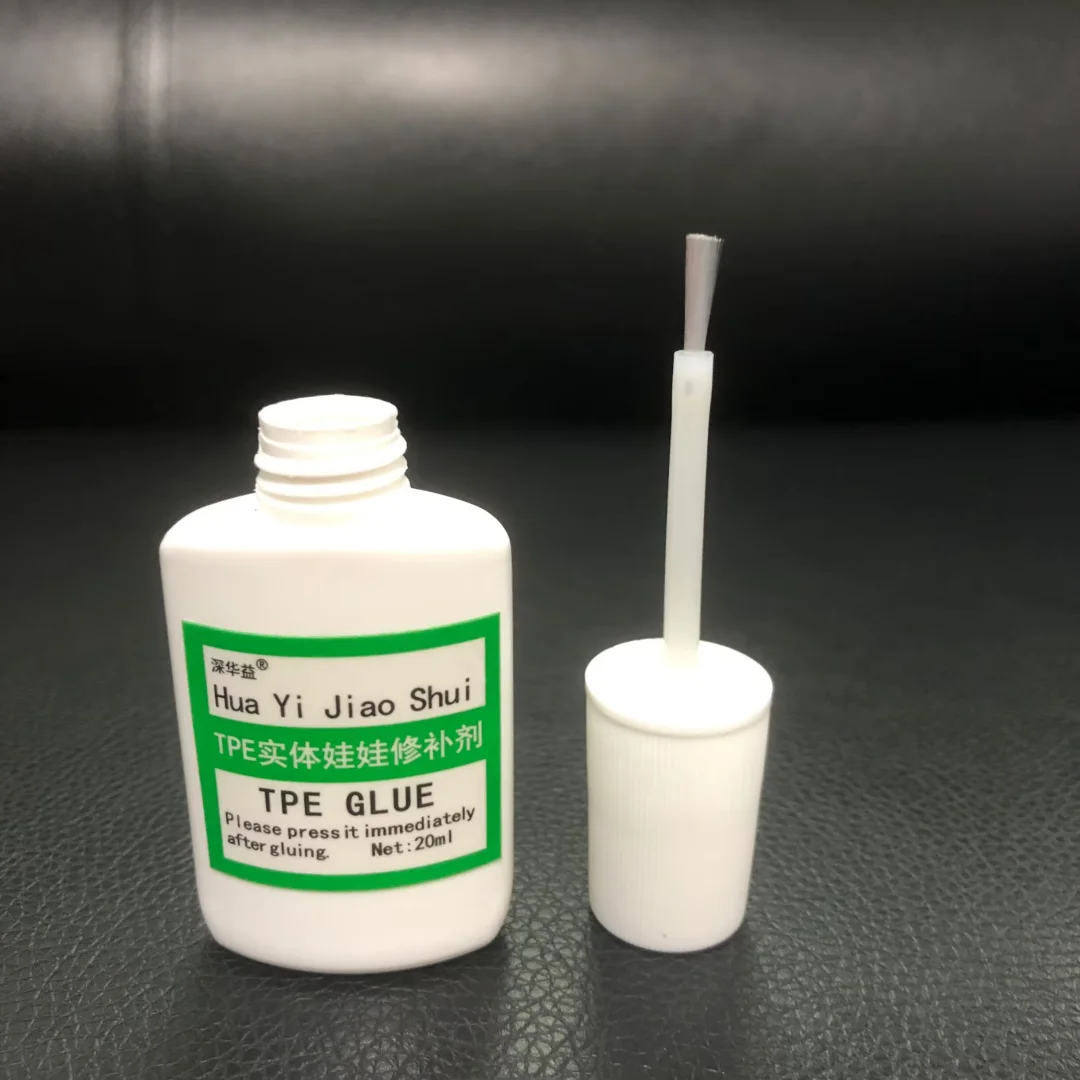
Choose adhesives made specifically for silicone repairs. These adhesives bond well with silicone surfaces. They remain flexible after drying, preventing cracks. Look for medical-grade or body-safe silicone glue. Avoid using super glue or household adhesives. These can damage the toy and cause irritation.
Cleaning Supplies
Clean the toy thoroughly before repairing. Use mild soap and warm water for initial cleaning. Alcohol wipes help remove oils and residues. Ensure the toy is dry before applying adhesive. Clean surfaces improve the glue’s effectiveness and bond strength.
Sandpaper And Buffers
Sandpaper helps smooth rough or torn edges. Use fine-grit sandpaper to avoid damage. Buffers polish the repaired area for a seamless finish. These tools prepare the surface for better adhesion. Work gently to preserve the toy’s shape.
Replacement Parts
Some toys have parts that can be replaced. Check if replacement pieces are available from the manufacturer. Common parts include batteries, motors, or silicone sleeves. Using original parts ensures safety and proper function. Keep spare parts on hand for quick fixes.
Preparing The Toy For Repair
Preparing your silicone sex toy for repair is an important first step. This process ensures the toy is safe and ready for any fixing. Proper preparation helps the repair last longer and keeps the toy hygienic.
Cleaning Thoroughly
Start by washing the toy with warm water and mild soap. Use a soft cloth or sponge to remove dirt and oils. Avoid harsh chemicals that can damage silicone. Clean every part carefully, especially cracks or damaged spots.
Drying Completely
After cleaning, dry the toy fully using a clean towel. Let it air dry to remove any moisture inside. Moisture can weaken the repair and cause bacteria growth. Ensure no water remains on or inside the toy before moving on.
Assessing Damage Extent
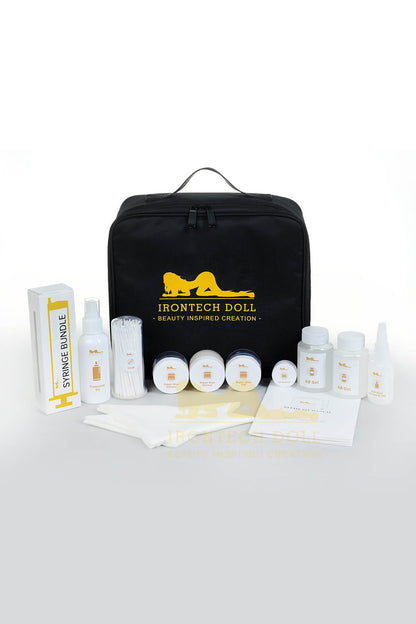
Look closely at the toy to find all damaged areas. Check for tears, holes, or deep scratches. Small damages might be easy to fix, but large tears could need special repair kits. Knowing the damage size helps choose the right repair method.
Credit: www.joylovedolls.com
Fixing Tears And Rips
Tears and rips can happen in silicone sex toys. Fixing them quickly keeps the toy safe and usable. Proper repair restores its shape and function. Using the right materials and techniques is key to lasting repairs.
Using Silicone Adhesive
Choose a high-quality silicone adhesive made for flexible materials. Clean the torn area with mild soap and water. Dry it completely before applying glue. Apply a thin layer of adhesive to both sides of the tear. Press the edges together carefully, aligning them perfectly. Avoid excess glue to prevent stiffness.
Clamping And Curing Time
Hold the torn parts firmly using clamps or heavy objects. Keep pressure consistent to ensure a strong bond. Let the adhesive cure for at least 24 hours. Follow the adhesive packaging for exact curing time. Avoid moving the toy during this period to prevent weak spots.
Testing Repair Strength
After curing, gently pull the repaired area to test strength. Check for any separation or softness. If the repair holds, the toy is ready to use. If it weakens, repeat the adhesive process. Proper testing avoids injury and ensures durability.
Removing Sticky Residue
Sticky residue on silicone sex toys can be frustrating and uncomfortable. It often results from improper storage or leftover lubricant. Removing this residue carefully will restore your toy’s smooth texture and ensure safe use.
Applying Isopropyl Alcohol
Isopropyl alcohol is excellent for breaking down sticky residue without damaging silicone. Dampen a soft cloth or cotton pad with 70% isopropyl alcohol and gently rub the affected areas. You’ll notice the residue lifting away quickly, making cleanup easy.
Be sure to rinse your toy thoroughly with warm water afterward to remove any alcohol traces. This prevents irritation during use. Have you tried this method before? You might be surprised how effective it is.
Using Cornstarch Or Talcum Powder
After cleaning, silicone toys sometimes feel tacky. Sprinkling a light layer of cornstarch or talcum powder can restore that silky, smooth finish. Simply dust your toy evenly and shake off any excess powder.
This trick also helps prevent the toy from attracting dust or lint during storage. It’s a simple step that keeps your toy feeling fresh and comfortable. Do you keep powder handy for your toys?
Avoiding Harsh Chemicals
Strong cleaners like bleach or acetone can degrade silicone and cause permanent damage. Avoid anything abrasive or harsh, as these substances break down the material’s surface. Stick to gentle, skin-safe options to maintain your toy’s integrity.
Think about the last time you used a harsh cleaner on a delicate item—was the result worth it? Treat your silicone toys with the care they deserve to extend their lifespan and keep them safe for use.
Restoring Surface Appearance
Restoring the surface appearance of your silicone sex toys can bring back their original smoothness and shine, making them more enjoyable and safe to use. Over time, silicone surfaces may develop minor scratches, dullness, or a slightly rough texture due to regular use and cleaning. Addressing these issues carefully can extend the life of your toy and keep it feeling like new.
Light Sanding Techniques
Start by gently sanding the surface with very fine-grit sandpaper, ideally 600 to 1000 grit. Use light, circular motions to avoid creating deeper scratches. Focus only on the damaged or rough areas to prevent over-sanding the entire surface.
Make sure the toy is clean and dry before sanding. If you notice any discoloration or deep damage, sanding might not be enough and could worsen the problem. Have you checked the texture after just a few seconds of sanding? This helps avoid accidentally removing too much material.
Polishing For Smoothness
After sanding, use a soft cloth and a small amount of silicone-safe polish or even plain water to buff the surface. Polishing restores the toy’s natural sheen and smooth feel. Avoid abrasive polishes that can irritate your skin or damage the silicone further.
Try polishing in gentle, circular strokes and see how the surface changes under different lighting. The smoother it feels, the better the experience. Do you notice a difference in how the toy glides during use after polishing?
Preventing Future Damage
To keep your silicone toy looking great, store it separately from other materials that might cause scratches, like other toys or jewelry. Use a clean pouch or dedicated box for protection. Regularly wash and dry your toy thoroughly to avoid buildup that dulls the surface.
Consider how you clean your toy—harsh chemicals and rough scrubbing can damage the finish over time. Are you using mild soap and a soft cloth? Small changes in care routines can make a big difference in maintaining that smooth surface you worked hard to restore.
Repairing Loose Or Broken Parts
Repairing loose or broken parts in silicone sex toys might seem like a challenge, but with the right approach, you can restore them to their former glory. Whether it’s a component that has come loose or a battery that needs replacing, the key is understanding the specific problem and tackling it with confidence. Let’s dive into the details of how you can effectively repair these parts to ensure your toy is safe and functional.
Reattaching Components
Loose components can be frustrating, but a little patience and the right adhesive can solve the problem. Ensure the toy is clean and dry before applying any glue. Use a silicone-safe adhesive, which you can find at most hardware stores, to reattach the loose part. Apply a small amount, press the parts together, and allow them to cure for the recommended time.
Have you ever tried using a different adhesive and found it didn’t work? That’s a common mistake. Always ensure the adhesive is compatible with silicone to avoid damaging your toy. If you’re unsure, test a small amount on an inconspicuous area first.
Replacing Batteries Or Motors
Many silicone sex toys have replaceable batteries or motors, and changing them can be straightforward. First, identify whether your toy’s battery compartment is accessible. If it is, simply open the compartment and replace the batteries with new ones.
If your toy has a motor that needs replacing, check the manufacturer’s website for guidance or consider contacting customer support for help. Sometimes, the solution is simpler than you think. Have you ever considered that a seemingly broken motor might just need a fresh charge or a new battery?
Ensuring Safety And Functionality
After making any repairs, it’s essential to test your toy’s functionality. Turn it on and go through its settings to ensure everything works as it should. Safety is paramount, so inspect the toy for any sharp edges or exposed parts that could cause injury.
Regular maintenance can prevent many issues. Clean your toy thoroughly after each use and store it properly. Did you know that proper storage can extend the life of your toy significantly? Keep it in a cool, dry place away from direct sunlight.
Repairing your silicone sex toy not only saves you money but also gives you the satisfaction of solving a problem yourself. Have you ever felt the joy of fixing something and bringing it back to life? It’s empowering. Take these steps, and you’ll be back to enjoying your toy in no time.
Maintenance Tips To Extend Life
Keep silicone sex toys clean by washing with mild soap and water after each use. Repair small tears with a non-toxic silicone adhesive to avoid further damage. Store toys in a cool, dry place to maintain their quality and safety.
Taking care of your silicone sex toys is crucial for ensuring they last as long as possible, providing you with a safe and enjoyable experience every time. Proper maintenance not only extends their life but also enhances your overall satisfaction. Below, we’ll explore some essential tips on how to keep your toys in top shape.
Proper Cleaning Practices
Cleaning your silicone toys right after use is vital for hygiene and longevity. Use warm water and a mild, unscented soap to wash them thoroughly. Avoid harsh chemicals, as they can degrade the silicone over time. For a deeper clean, consider boiling your non-motorized silicone toys for about three minutes. This method sterilizes them completely. If boiling isn’t an option, a 10% bleach solution can also do the trick, but make sure to rinse well.
Storage Recommendations
Storing your toys properly prevents damage and keeps them ready for action. Always make sure your toys are completely dry before storing them to avoid mold and mildew. Wrap each toy individually in a soft, lint-free cloth to protect against scratches. Store them in a cool, dry place away from direct sunlight. Extreme temperatures can cause silicone to warp or degrade. Designate a specific box or drawer for your toys to keep them organized and easily accessible.
Regular Inspection
Inspect your toys regularly to catch any signs of wear or damage early. Look for cracks, tears, or any change in texture, as these can harbor bacteria. If you notice any damage, it might be time to retire the toy and consider a replacement. Conduct a sniff test every now and then. If you notice any unusual odors, it could be a sign that the material is breaking down or that it wasn’t cleaned properly. Trust your instincts and prioritize your safety and pleasure by keeping your toys in optimal condition. By adopting these maintenance habits, you ensure not just the longevity of your toys but also a consistently safe and pleasurable experience. How do you currently care for your silicone toys, and what might you change to improve their lifespan?
When To Replace Instead
Knowing when to replace a silicone sex toy is important. Some damages cannot be fixed safely. Using a damaged toy can cause discomfort or health risks. Recognizing the signs helps protect your well-being. This section guides you on when replacement is the better choice.
Signs Of Irreparable Damage
- Deep cracks or tears in the silicone surface
- Discoloration that won’t wash off
- Sticky or gummy texture developing over time
- Loss of firmness or shape
- Unpleasant or unusual smell
- Loose parts or broken internal mechanisms
Such damage cannot be repaired safely. These signs show the toy is no longer reliable.
Health And Safety Considerations
Damaged toys can harbor bacteria or fungi. Cleaning may not remove all germs if cracks exist. Silicone that breaks down may irritate sensitive skin. Using broken toys raises risk of infections. Prioritize your health by avoiding unsafe products.
Choosing A New Toy
Pick toys made from high-quality, body-safe silicone. Check for seamless designs to avoid bacteria traps. Read customer reviews for durability and comfort. Select sizes and shapes that suit your preferences. Proper care extends toy life and safety.

Credit: tenderdolls.com
Frequently Asked Questions
How Can I Fix Small Tears In Silicone Sex Toys?
Small tears in silicone toys can be fixed using medical-grade silicone adhesive. Clean the area, apply the adhesive carefully, and let it cure fully. Avoid using superglue as it can damage the toy and cause irritation.
Is Silicone Repair Safe For Sex Toy Use?
Yes, using medical-grade silicone adhesive is safe and non-toxic. Ensure the product is body-safe and fully cured before use. Avoid harsh chemicals or non-approved adhesives to prevent allergic reactions or damage.
What Tools Do I Need To Repair Silicone Sex Toys?
You need medical-grade silicone adhesive, rubbing alcohol, a clean cloth, and gloves. These tools help clean the toy and apply the adhesive safely and effectively.
Can I Repair Internal Damage In Silicone Sex Toys?
Internal damage is difficult to repair safely. If the toy has internal cracks, it’s best to replace it to avoid hygiene or safety risks.
Conclusion
Repairing silicone sex toys takes care and patience. Use safe materials and gentle methods. Small tears or cracks can often be fixed at home. Always clean the toy before starting any repair. Avoid harsh chemicals or sharp tools. Proper repair extends the toy’s life and saves money.
Keep your toys in good shape for safe use. Regular checks help catch damage early. Enjoy your toys longer by treating them well. Simple repairs make a big difference.