
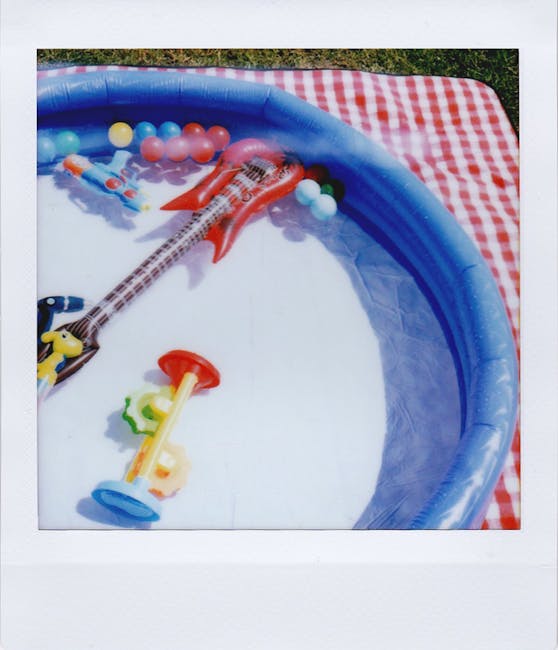
Are you ready to make your pool time more fun but don’t have an electric pump handy? Inflating pool toys can sometimes be a tiring task, especially when you’re relying on your breath alone.
What if you could save time and effort by using something you already have at home—a bike pump? You’ll discover simple, step-by-step tips to quickly and easily inflate your pool toys with a bike pump. Keep reading to learn how to turn your bike pump into the perfect tool for pool party fun!

Credit: medium.com
Choosing The Right Bike Pump
Choosing the right bike pump is key to inflating pool toys efficiently. Not every pump fits the job. Some pumps work better with large inflatables, while others suit smaller toys. Picking the right one saves time and effort.
Types Of Bike Pumps
Bike pumps vary by design and use. Here are common types:
- Floor Pumps:Large and stable, good for high volume air flow.
- Hand Pumps:Compact and portable, but slower inflation.
- Mini Pumps:Small and lightweight, best for quick fixes.
Floor pumps usually inflate pool toys faster due to their size. Hand and mini pumps work fine for small inflatables.
Pump Features For Inflation
Look for features that help inflate pool toys easily:
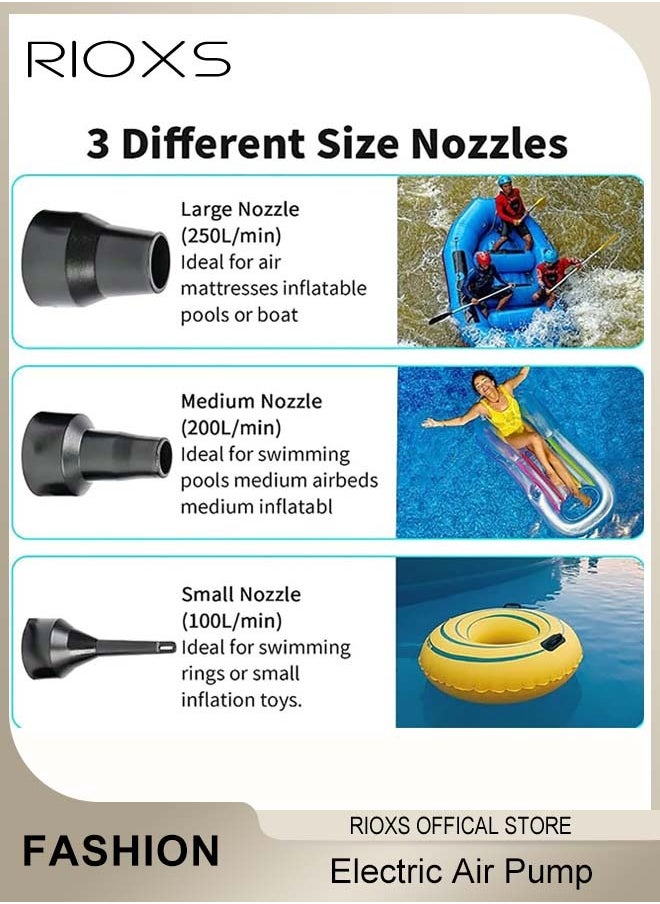
- Wide Nozzle Attachments:Fit large valve openings.
- High Air Volume:Moves more air per pump stroke.
- Pressure Gauge:Avoids over-inflation.
- Flexible Hose:Makes pumping comfortable.
These features improve speed and control during inflation.
Checking Pump Compatibility
Pool toys have different valve types. Common valves include:
- Boston Valve
- Pinch Valve
- Needle Valve
Ensure the pump nozzle matches the toy’s valve. Using adapters can help fit mismatched valves. Without proper fit, air leaks and slow inflation happen.

Credit: www.amazon.ca
Preparing Pool Toys For Inflation
Preparing pool toys for inflation ensures a smooth and quick process. Proper preparation helps avoid damage and keeps the toy airtight. Follow simple steps to get your pool toy ready for a bike pump.
Locating The Valve
Find the valve on your pool toy first. It is usually a small round opening with a cap. Check all sides carefully, as some toys have hidden valves. Knowing the valve location saves time during inflation.
Cleaning The Valve Area
Wipe the valve area with a damp cloth before inflating. Remove dirt, sand, or debris that may block the air flow. A clean valve helps the pump connect tightly, preventing air leaks.
Ensuring No Leaks
Check the valve for any cracks or holes. Press around the valve gently to feel for air escaping. Fix minor leaks with waterproof tape or sealant before pumping air in.
Adapting The Pump To The Valve
Adapting the bike pump to fit the pool toy valve is key for quick inflation. Most pool toys have different valve types, so using the correct adapter is important. A tight connection helps air flow smoothly from pump to toy. Small mistakes can cause air leaks, making the job harder.
Using Valve Adapters
Valve adapters connect the bike pump nozzle to the pool toy valve. Many pool toys use small or large valves. Some need a needle adapter or a cone-shaped one. These adapters fit on the pump and match the toy’s valve size. Having a set of common adapters makes inflation faster and easier.
Securing The Connection
Push the adapter gently but firmly into the valve. The connection should feel snug without forcing it. Use your fingers to hold the adapter steady while pumping air. A loose fit lets air escape and wastes effort. Check that the adapter does not wiggle or pull out during inflation.
Avoiding Air Loss
Air loss slows down inflation and wastes energy. To avoid this, keep the pump hose straight and the valve adapter tight. Close the valve flap on the pool toy after attaching the adapter if possible. Pump smoothly without stopping too long between pushes. Watch for hissing sounds, which signal leaks.
Step-by-step Inflation Process
Inflating pool toys with a bike pump can save you time and effort if done correctly. The process is straightforward but requires attention to detail to avoid over or under-inflation. Let’s break down each part so you can enjoy your pool toys fully inflated and ready for fun.
Setting Up The Pump
First, ensure your bike pump is clean and free from any debris that might damage the pool toy’s valve. Locate the inflation valve on your pool toy and check if it matches the pump’s nozzle. If not, you might need an adapter—these are often inexpensive and easy to find.
Attach the pump nozzle firmly to the valve. A loose connection can cause air leaks, making inflation frustrating. You’ll know it’s secure when you feel a tight seal and hear minimal air escape as you start pumping.
Pumping Techniques
Use steady, even strokes rather than quick, forceful pumps to avoid stressing the toy’s seams. It helps to keep your rhythm consistent—this prevents air from escaping between strokes. If your pump has a pressure gauge, watch it closely to gauge the amount of air inside.
Pause occasionally to check if the toy is filling evenly. Uneven inflation can cause weak spots and reduce the toy’s lifespan. You might notice certain parts inflating faster—apply extra attention to those areas by adjusting your pump angle or pressure.
Monitoring Inflation Levels
How do you know when your pool toy is perfectly inflated? It should feel firm but still have a little give when pressed. Over-inflation can cause seams to burst, while under-inflation makes the toy less buoyant and enjoyable.
Test the toy by gently pressing different sections. If it feels rock hard, release some air. If it’s too soft, pump a bit more. Getting this balance right takes a bit of practice, but it’s worth the effort to extend your toy’s life.
Troubleshooting Common Issues
Common problems include air leaks and slow inflation. Check the pump nozzle fits the toy valve tightly. Clean the valve area for better sealing and pump steadily to avoid damage.
Inflating pool toys with a bike pump can be convenient. Yet, sometimes, issues arise. These problems can slow down the fun. Understanding common issues helps in resolving them. Here’s a guide to tackle these challenges.Dealing With Slow Inflation
Slow inflation can be frustrating. Check the pump for any blockages. Ensure the nozzle fits the valve snugly. A loose fit can cause air loss. Pump steadily to maintain pressure. If the pump struggles, inspect the hose for cracks.Fixing Air Leaks
Air leaks are common with pool toys. First, listen for a hissing sound. Feel around for escaping air. Use soapy water to find tiny leaks. Bubbles will form where air escapes. Patch the leak with a repair kit. Ensure the area is dry before applying the patch.Handling Stubborn Valves
Valves can be tricky. Sometimes, they won’t open easily. Ensure the valve is clean. Dust or debris can block it. Use a bit of petroleum jelly to lubricate. If it’s stuck, gently wiggle it loose. Avoid using sharp objects to prevent damage.Safety Tips And Best Practices
Inflating pool toys with a bike pump is a simple task, but it requires some care to keep both the toys and the pump in good shape. Paying attention to safety tips and best practices can save you from frustrating mishaps and extend the life of your equipment. Let’s look at key points that will help you inflate your pool toys efficiently and safely.
Avoiding Overinflation
Overinflating pool toys can cause them to burst unexpectedly, ruining your fun and wasting your money. Always check the recommended inflation level printed on the toy or in its manual. If you don’t have this information, inflate slowly and pause often to test firmness by gently pressing the toy.
Feel the surface: it should be firm but still have some give. If it feels too tight or hard, stop pumping immediately. Have you ever had a pool toy pop just as you were about to jump in? It’s usually because of too much air pressure.
Storing Pump And Pool Toys
Proper storage protects your pump and toys from damage and keeps them ready for the next use. After deflating, dry your pool toys thoroughly to prevent mold and mildew. Fold them neatly and store in a cool, dry place away from sharp objects or direct sunlight.
Your bike pump also needs care—store it indoors in a dry spot to avoid rust or damage to its seals. Have you noticed how a neglected pump can suddenly stop working right when you need it most? Keeping it clean and dry prevents this hassle.
Maintaining Equipment
Regular maintenance ensures your pump works smoothly and your pool toys stay durable. Check the pump’s nozzle for cracks or dirt before each use, and clean it gently if needed. Lubricate moving parts with a small amount of silicone spray if the pump feels stiff.
Inspect your pool toys for tiny holes or weak seams before inflating. Fix minor leaks with patch kits designed for inflatables. Taking these small steps can save you from a soggy surprise during your pool day.
Credit: www.noon.com
Frequently Asked Questions
How Do I Use A Bike Pump For Pool Toys?
Attach the correct nozzle adapter to your bike pump. Insert it gently into the pool toy’s valve. Pump air steadily until the toy is firm but not overinflated. This method saves time and is effective for most inflatable pool toys.
What Adapter Fits Pool Toys And Bike Pumps?
Use a needle valve adapter or a small nozzle attachment. These adapters connect your bike pump to the pool toy valve securely. They help create an airtight seal to prevent air leaks. Adapters are usually inexpensive and widely available online or in stores.
Can A Bike Pump Damage My Pool Toy?
If used carefully, a bike pump won’t damage your pool toy. Avoid forcing the nozzle into the valve. Inflate slowly to prevent overexpansion. Overinflating can cause seams to burst, so monitor the toy’s firmness as you pump.
Is A Bike Pump Faster Than Manual Inflation?
Yes, a bike pump inflates pool toys faster than manual blowing. It reduces effort and saves time. Especially useful for large or multiple inflatables. Using the right adapter ensures efficient air transfer and convenience.
Conclusion
Inflating pool toys with a bike pump saves time and effort. It fits most valve types and keeps toys firm. You only need a few simple steps to follow. This method works well for summer fun and pool parties. Always check the toy for leaks before inflating.
Avoid over-inflating to keep your toy safe. Use your bike pump to enjoy pool days without hassle. Simple tools can make your summer better and easier.