


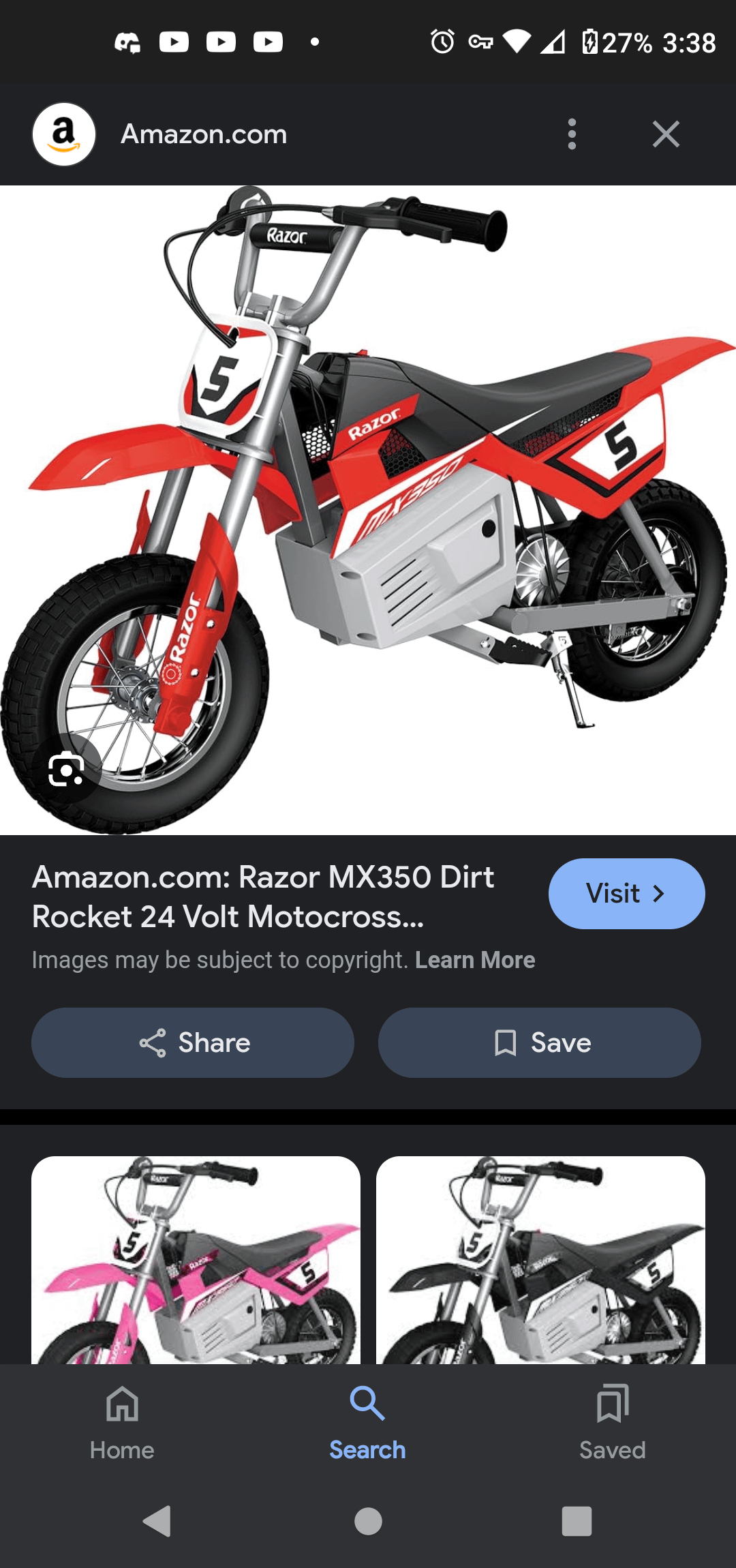
Are you thinking about getting a toy dirt bike for yourself or your kids but wondering if they are legal to ride? You’re not alone.
Many people have questions about where and how these small bikes can be used without running into trouble. Knowing the rules can save you from fines, accidents, or even more serious issues. You’ll discover what makes toy dirt bikes legal or illegal, the key laws you need to know, and how to enjoy your ride safely and responsibly.
Keep reading to make sure your fun doesn’t come with unexpected risks.
Legal Status Of Toy Dirt Bikes
Understanding the legal status of toy dirt bikes can save you from unexpected fines or safety issues. These mini machines may look harmless, but rules around them vary widely depending on where you live and how old the rider is. Let’s break down what you need to know to keep your fun both safe and legal.
Federal Regulations
The U.S. federal government sets some standards for toy dirt bikes, mainly focusing on safety rather than outright bans. Agencies like the Consumer Product Safety Commission (CPSC) require that toy dirt bikes meet specific safety criteria to protect children from hazards.
These rules often cover features like maximum speed limits, electrical safety, and labeling requirements. If a toy dirt bike doesn’t comply with these federal standards, it can be pulled from the market. Have you checked if your bike has the necessary safety certifications?
State And Local Laws
State and local governments can add their own layers of regulation, which might impact where you can ride a toy dirt bike. Some states treat these bikes like motorcycles, requiring registration or limiting their use to private property.
Other areas might ban riding toy dirt bikes on public roads, parks, or trails. If you live in a city or suburb, local ordinances might also restrict noise levels or riding hours. It’s a good idea to contact your local department of motor vehicles or city hall to get clear rules for your area.
Age Restrictions
Age limits are another crucial part of the legal landscape around toy dirt bikes. Many manufacturers and jurisdictions set minimum age requirements, often between 6 and 12 years old, to ensure riders have the coordination and judgment to operate safely.
Some areas require adult supervision or mandate protective gear like helmets and pads for younger riders. Before letting your child take a toy dirt bike for a spin, verify these age-related rules to avoid penalties and keep your child safe.
Common Misconceptions
Many people confuse toy dirt bikes with real dirt bikes, leading to misunderstandings about their legality. These misconceptions often arise from not knowing the differences in design, purpose, and safety regulations. Clearing up these misunderstandings helps you make informed decisions about owning or using toy dirt bikes.
Toy Vs. Real Dirt Bikes
Toy dirt bikes are designed primarily for children and beginners. They typically have limited speed and power, making them safer for young riders. Real dirt bikes, on the other hand, are built for more serious off-road riding and often require licenses or permits depending on your location.
One key difference is the engine size. Toy dirt bikes usually have small electric motors or low cc engines, whereas real dirt bikes have powerful engines that can reach high speeds. This distinction often affects legal rules; toy dirt bikes are usually treated more like toys or recreational vehicles rather than motor vehicles.
Safety Standards
Safety standards for toy dirt bikes differ significantly from those for real dirt bikes. Toy dirt bikes must meet strict safety regulations related to electrical components, battery safety, and speed limits. These standards are in place to protect children from serious injury.
Real dirt bikes, however, need to comply with more complex safety requirements, including emissions, noise regulations, and rider protection gear mandates. You might wonder if these strict rules on real dirt bikes mean toy dirt bikes slip under the radar legally. The truth is, toy dirt bikes are generally exempt from many motor vehicle laws but still require parental supervision and proper safety gear.
Safety Concerns And Risks
Toy dirt bikes can be fun but come with safety concerns. These small vehicles still pose risks, especially to children. Accidents can happen quickly without proper care. Understanding these risks helps parents and riders stay safe.
Injury Statistics
Many injuries occur each year from toy dirt bike accidents. Common injuries include:
- Broken bones
- Head injuries
- Sprains and cuts
- Bruises and fractures
Children under 14 are at higher risk due to less experience. Many accidents happen during unsupervised play. Safety measures can reduce these numbers significantly.
Protective Gear Requirements
Wearing protective gear is essential for toy dirt bike riders. Important gear includes:
- Helmet to protect the head
- Knee and elbow pads to prevent scrapes
- Gloves for better grip and hand protection
- Sturdy shoes or boots for foot safety
Proper gear lowers the chance of serious injury. Always check the fit and condition of the safety equipment. Parents should enforce gear use every time children ride.

Credit: riiroo.com
Where Toy Dirt Bikes Can Be Used
Toy dirt bikes can be used safely in private yards, parks, or designated off-road areas. Laws vary, so check local rules to avoid illegal use. Riding on public roads is often prohibited and may lead to fines.
Where can you ride toy dirt bikes? This question often puzzles enthusiasts. Understanding the right places ensures fun and safety. Let’s explore suitable locations for these mini machines.Private Property
Riding on private property offers freedom. Owners can set their own rules. This is ideal for families who own land. No need to worry about disturbing others. Riders should still wear safety gear. Always respect neighbors’ boundaries.Public Lands
Some public lands allow toy dirt bikes. Check local laws first. Parks and recreation areas often have specific rules. Riders should be courteous to hikers and others. Keep noise levels down. This helps maintain a good relationship with the community.Designated Off-road Areas
Off-road parks are perfect for toy dirt bikes. These areas are designed for all-terrain vehicles. Riders can enjoy varied terrains. Mud, sand, and rocky paths are common. Always adhere to park regulations. Respect the environment and other riders.Penalties For Illegal Use
Using toy dirt bikes illegally can lead to serious consequences that go beyond just a warning. Authorities enforce strict rules to keep riders safe and protect public spaces. If you ignore these laws, you could face penalties that impact your wallet and your freedom to ride.
Fines And Citations
One of the most common penalties for illegal use is receiving fines or citations. These can vary widely depending on where you live and the severity of the offense. You might be fined for riding in prohibited areas, ignoring age restrictions, or lacking proper safety gear.
Think about how a single citation could add up if you continue to break the rules. It’s not just a small fee; repeat offenses often bring higher fines. Have you considered how these fines might affect your budget or even your ability to buy a new bike?
Confiscation Of Bikes
In some cases, authorities may confiscate your toy dirt bike. This happens when riders repeatedly ignore regulations or cause safety hazards. Losing your bike means losing your ability to enjoy riding until you resolve the issue legally.
Confiscation can be a frustrating experience, especially if the bike is a gift or has sentimental value. Do you want to risk losing your bike because of avoidable mistakes? Knowing the rules can help you keep your bike safe and avoid this harsh penalty.
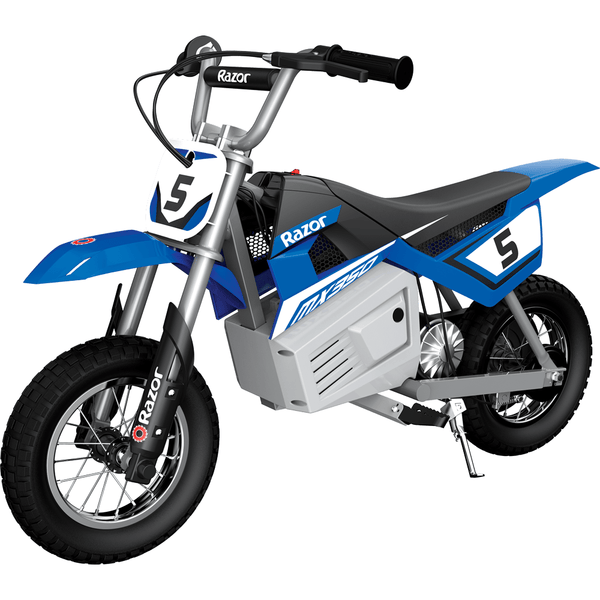
Credit: urbanbikesdirect.com
Tips For Legal And Safe Riding
Riding toy dirt bikes can be fun but requires care for safety and legality. Knowing some key tips helps keep riders safe and within the law. These tips make the experience enjoyable for kids and adults alike.
Choosing The Right Bike
Select a bike suitable for the rider’s age and skill. Smaller bikes fit young children better. Check the bike’s power and speed limits. A bike too fast can be dangerous. Look for models with safety features like speed governors or automatic shut-off.
Following Local Rules
Every area has different rules for riding toy dirt bikes. Check local laws about where riding is allowed. Riding on public roads is often illegal. Stick to private property or designated areas. Wear a helmet and protective gear as required by law. Obey all traffic signs and signals if applicable.
Supervision For Kids
Children should ride under adult supervision at all times. Adults can help prevent risky behavior. Teach kids how to use the bike safely. Keep an eye on the riding area for hazards like rocks or holes. Set clear rules on speed and riding zones. Supervision reduces accidents and ensures fun.

Credit: riiroo.com
Frequently Asked Questions
Are Toy Dirt Bikes Legal For Kids To Ride?
Toy dirt bikes are generally legal for kids on private property. Laws vary by location, so check local regulations before use. Public road use is often restricted or illegal for toy dirt bikes.
Do Toy Dirt Bikes Require Registration Or Insurance?
Most toy dirt bikes do not require registration or insurance. However, if they exceed certain power or speed limits, local laws may apply. Always verify with local authorities to ensure compliance.
Can Toy Dirt Bikes Be Used On Public Roads?
Toy dirt bikes are usually not allowed on public roads. They lack necessary safety features and legal approval for street use. Use them only in designated off-road areas or private properties.
Are There Age Restrictions For Riding Toy Dirt Bikes?
Yes, toy dirt bikes often have age recommendations set by manufacturers. Additionally, some regions impose legal age limits for operation. Always supervise young riders and follow safety guidelines.
Conclusion
Toy dirt bikes may or may not be illegal, depending on where you live. Rules differ by state and country. Some places allow small bikes on private property only. Others require registration, safety gear, or age limits. Always check local laws before riding.
Safety matters most for kids and adults alike. Enjoy riding, but follow the rules to avoid fines or trouble. Stay safe, respect the law, and have fun outdoors.