

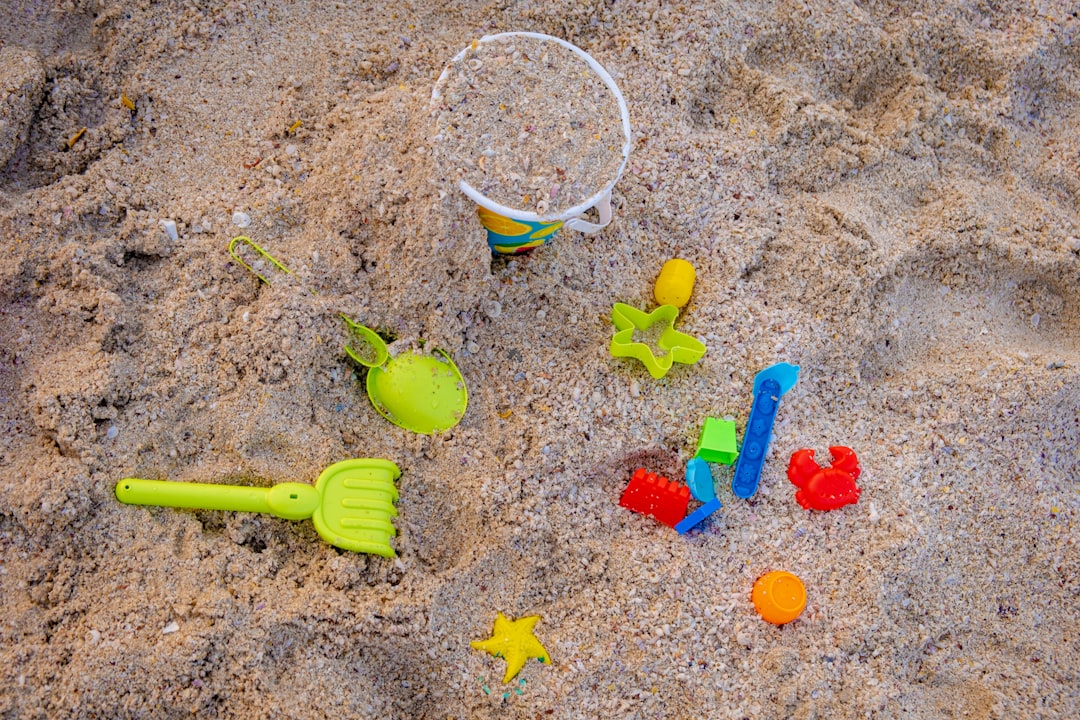
Have you ever wondered what makes your child’s sand toys so durable and colorful? The secret lies in the type of plastic used to create them.
Knowing what plastic sand toys are made of can help you choose safer, longer-lasting options for your little ones. You’ll discover the common plastics behind these fun beach essentials and why they matter for your family’s health and enjoyment. Keep reading to learn how to pick the best sand toys that stand up to endless playtimes!
Common Plastics In Sand Toys
Sand toys need to be tough, safe, and lightweight to make playtime fun and hassle-free. The plastics used in these toys meet these needs while keeping costs low. Understanding the common plastics helps you choose sand toys that last longer and stay safe for your kids.
Polypropylene (pp)
Polypropylene is a favorite for sand toys because it’s strong and flexible. It doesn’t crack easily when dropped or bent, which means the toys can handle rough play. Also, PP resists water and chemicals, so your toys won’t degrade quickly even if left in the sun or water.
Have you ever noticed how some sand toys stay vibrant after many beach trips? That’s often due to polypropylene’s excellent color retention. It’s lightweight too, making it easy for kids to carry around.
High-density Polyethylene (hdpe)
HDPE is another popular plastic in sand toys. It’s known for its durability and resistance to impact, perfect for digging and pounding in the sand. HDPE is also safe for children because it doesn’t contain harmful chemicals.
You might find HDPE toys with a smooth finish that feels nice to touch. Plus, HDPE is recyclable, so it’s a better choice if you want to be eco-friendly. Have you checked if your sand toys are made from HDPE?
Acrylonitrile Butadiene Styrene (abs)
ABS is tougher and more rigid than PP and HDPE, often used for parts of sand toys that need extra strength. It holds up well against scratches and impact, so it’s great for tools like shovels and buckets. ABS can also be molded into detailed shapes, which lets manufacturers design creative toys.
This plastic has a shiny finish that appeals to kids, making toys look new longer. However, ABS is heavier, so it’s usually combined with lighter plastics. Do you prefer toys that feel sturdy or lightweight when your kids play?
Safety Standards For Sand Toys
Choosing the right sand toys for your child means paying close attention to their safety. Not all plastics are created equal, especially when kids spend hours playing with these toys in the sand. Understanding the safety standards behind the materials helps you pick toys that protect your child’s health while offering endless fun.
Non-toxic Materials
Sand toys should be made from non-toxic plastics that won’t release harmful chemicals. This means the materials are safe even if your child puts the toys in their mouth, which often happens during play. Look for toys labeled as made from food-grade or child-safe plastics to avoid exposure to dangerous substances.
Think about the last time you watched a toddler exploring sand with their toys. The peace of mind that comes from knowing those toys won’t cause any harm is priceless. Don’t settle for cheap plastics that might contain lead or other toxins.
Bpa And Phthalate-free Plastics
BPA (Bisphenol A) and phthalates are chemicals often found in plastics that can affect hormone levels and overall health. Sand toys free from BPA and phthalates are safer choices for your child’s development. Many manufacturers now specifically advertise their products as free from these substances.
When shopping, check the packaging or product description for “BPA-free” and “phthalate-free” labels. These guarantees matter because children’s bodies are more sensitive to chemical exposure than adults. Have you ever thought about how many toys your child interacts with daily? Choosing BPA and phthalate-free options reduces the hidden risks.
Certifications To Look For
Certifications provide concrete proof that sand toys meet strict safety standards. Look for marks like ASTM F963, EN71, or the CE mark, which show the toys have been tested for harmful chemicals and mechanical safety. These certifications ensure the toy won’t easily break into sharp pieces or contain banned substances.
- ASTM F963:A widely recognized U.S. safety standard for toys.
- EN71:European safety certification focusing on chemical and physical safety.
- CE Mark:Indicates compliance with European health, safety, and environmental laws.
Next time you’re at the store or browsing online, take a moment to scan for these certifications. They are your best indicators that the sand toys you choose are safe for your child’s hands and mouth.
Durability Factors In Sand Toy Plastics
Sand toys must be tough to handle rough play and outdoor use. Durability is key for plastics used in these toys. The plastic needs to resist breaking, fading, and wearing out quickly. Understanding the main durability factors helps explain why some sand toys last longer than others.
Impact Resistance
Impact resistance means the plastic can absorb shocks without cracking. Kids drop and throw sand toys often. Plastics like high-density polyethylene (HDPE) handle hits well. This keeps toys intact during active play. Impact-resistant plastics also prevent sharp edges that could hurt children.
Uv Resistance
UV resistance protects toys from sun damage. Sunlight breaks down some plastics, making them brittle. UV-resistant plastics include additives that block harmful rays. This keeps toys colorful and strong after many hours outside. UV protection extends the toy’s life and safety.
Wear And Tear
Wear and tear means how plastics handle daily use and sand abrasion. Sand grains can scratch or erode surfaces. Durable plastics resist scratches and maintain shape. Toys made from polypropylene or HDPE often show less wear. This keeps toys looking good and working well for a long time.
Eco-friendly Plastic Alternatives
Eco-friendly plastic alternatives are gaining popularity for making sand toys. These materials reduce harm to the environment and promote sustainability. Choosing eco-friendly plastics helps protect nature while still offering durable and safe toys for children.
Biodegradable Plastics
Biodegradable plastics break down naturally in the environment. They are made from plant-based materials like corn starch or sugarcane. These plastics decompose faster than traditional plastics, leaving less waste behind. Sand toys made from biodegradable plastics are safe for soil and water.
Recycled Plastics
Recycled plastics come from reprocessed plastic waste. Using recycled materials reduces the need for new plastic production. This lowers energy use and cuts down pollution. Sand toys made from recycled plastics keep old plastics out of landfills and oceans.
Sustainable Manufacturing
Sustainable manufacturing uses eco-friendly methods and materials. Factories aim to reduce carbon emissions and water use. They also minimize waste during production. Sustainable practices ensure that sand toys have a smaller environmental footprint from start to finish.
Tips For Choosing Safe Sand Toys
Safe sand toys are usually made from BPA-free, non-toxic plastics like polypropylene or polyethylene. Choosing toys with these materials helps protect children from harmful chemicals while playing. Always check labels for safe plastic types before buying.
Choosing safe sand toys for children is crucial. These toys can provide hours of fun and creativity. Yet, safety must always come first. Parents should consider several factors before purchasing sand toys. Paying attention to material quality and design is key. Let’s explore some tips to help you make informed decisions.
Reading Labels
Reading labels can help you understand what materials are used. Safe sand toys often use non-toxic plastics like polypropylene or polyethylene. Check for labels that state “BPA-free” or “phthalate-free.” This ensures the toys are safer for little hands and mouths.
Brand Reputation
Brand reputation often reflects product quality and safety standards. Reputable brands usually adhere to strict safety guidelines. Research brands that are known for producing safe and durable toys. Reviews and testimonials can provide insights into the experiences of other parents.
Age Appropriateness
Age-appropriate toys reduce risks of choking and other hazards. Manufacturers usually provide age recommendations on toy packaging. Select toys that match your child’s age and development stage. This ensures the toy is both safe and enjoyable for your child.
Frequently Asked Questions
What Types Of Plastic Are Sand Toys Made From?
Sand toys are mainly made from durable plastics like polyethylene (PE) and polypropylene (PP). These plastics are safe, lightweight, and resistant to wear, making them ideal for outdoor play.
Are Sand Toys Made Of Eco-friendly Plastic Materials?
Most sand toys use conventional plastics, which are not biodegradable. However, some brands offer eco-friendly options made from recycled or biodegradable plastics to reduce environmental impact.
Why Is Polyethylene Common In Sand Toys?
Polyethylene is popular due to its toughness, flexibility, and resistance to moisture. It ensures sand toys last longer and remain safe for children during outdoor play.
Can Sand Toys Be Recycled After Use?
Yes, many sand toys made from recyclable plastics like PE and PP can be recycled. Check local recycling guidelines to dispose of them properly and support sustainability.
Conclusion
Sand toys are usually made from safe, durable plastics like polyethylene. These plastics resist breaking and can handle rough play. They also stay light and easy to carry to the beach. Choosing toys made from these materials helps ensure children’s safety.
Knowing the plastic type helps parents pick the right toys. It also supports better recycling and care. Next time you buy sand toys, remember what they are made of. This simple fact can make a big difference in fun and safety.