



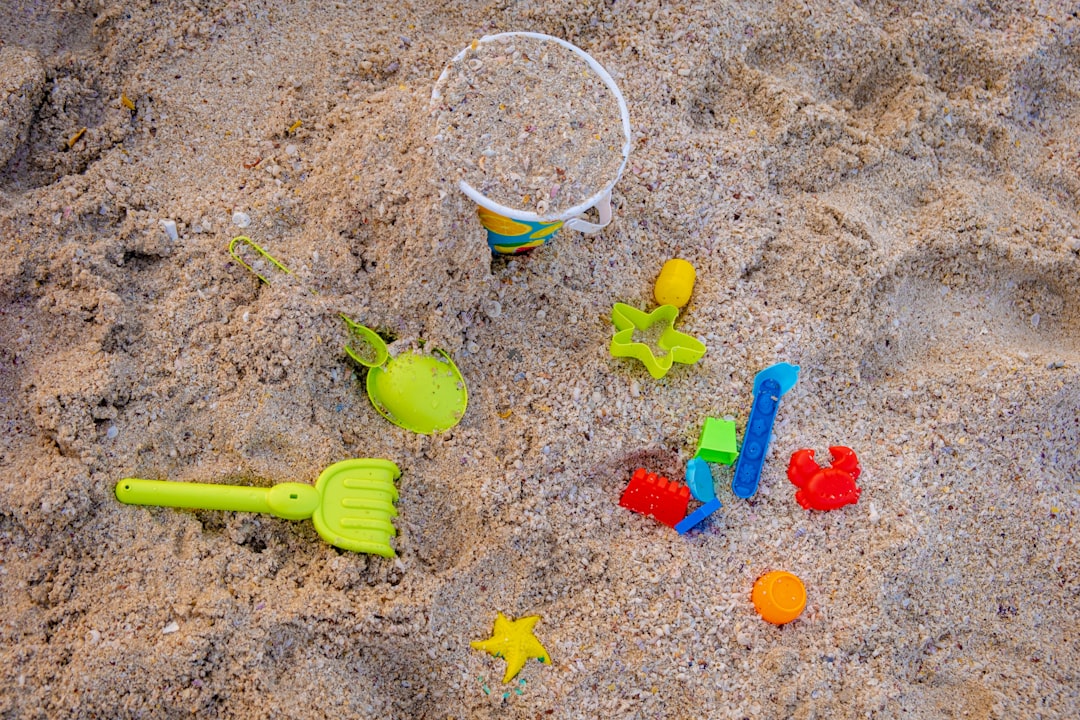
Your kids love playing with sand toys, but cleaning them afterward can feel like a hassle. You want to keep those toys safe and germ-free without spending hours scrubbing.
What if there was a simple way to clean your sand toys quickly and effectively? You’ll discover easy tips and tricks that make cleaning a breeze. By the end, you’ll have a fresh set of toys ready for the next adventure—without any dirt or grime holding you back.
Keep reading to find out how!
Why Clean Sand Toys
Cleaning sand toys is important for many reasons. Kids often play with these toys in dirt and sand. These places can have germs and bacteria. Toys can collect germs quickly. Dirty toys can cause sickness. Also, clean toys look better and last longer. Taking care of toys helps parents save money. It also keeps playtime safe and fun for children.
Health Risks Of Dirty Toys
Sand toys can carry harmful germs. Children put toys in their mouth often. Germs from dirty toys can cause infections. These infections include stomach bugs and skin rashes. Sand and dirt can hide bacteria and mold. Bacteria grow fast on wet toys. Cleaning toys stops germs from spreading. It protects children from getting sick.
Extending Toy Lifespan
Sand toys break down if not cleaned. Dirt and salt can cause damage over time. Clean toys last longer and stay safe. Removing sand stops scratches and cracks. Proper care prevents plastic from fading. Clean toys remain strong for many seasons. This saves money by avoiding frequent replacements. Clean toys are ready for play anytime.
Tools Needed
Before you start cleaning your kids’ sand toys, gather the right tools to make the process quick and effective. Having everything on hand saves frustration and encourages a thorough job. You don’t need fancy equipment—just simple items that you can find around the house.
Basic Cleaning Supplies
- Bucket or Basin:Use it to soak the toys in warm, soapy water. This helps loosen stuck-on sand and dirt.
- Mild Dish Soap:Gentle enough to clean without damaging plastic or painted surfaces.
- Soft Brush or Sponge:A toothbrush or small scrub brush works well to reach tight spots and crevices.
- Clean Towels or Cloths:For drying the toys thoroughly after washing to prevent mold growth.
- Water Source:Access to running water is essential for rinsing off soap and debris completely.
Have you ever noticed how sand can sneak into the smallest gaps? That’s why a soft brush is a must-have. It makes all the difference compared to just rinsing under water.
Optional Disinfectants
- White Vinegar:A natural disinfectant that can be added to the rinse water to kill bacteria without harsh chemicals.
- Bleach Solution:Use a very diluted mixture (about 1 tablespoon bleach per gallon of water) for deep sanitizing, especially if the toys have been outdoors for a long time.
- Disinfecting Wipes:Quick for spot cleaning or when you don’t have time for a full wash.
Think about how often your kids put these toys in their mouths. Would you want to skip disinfecting them? Choosing the right option depends on your comfort level with chemicals and how often the toys get dirty.
Simple Cleaning Methods
Keeping your sand toys clean is easier than you might think. Simple cleaning methods can quickly remove dirt and grime, making your toys safe and ready for the next play session. You don’t need special tools or harsh chemicals—just a little water and time.
Rinsing With Water
Start by rinsing your sand toys under running water. This helps wash away loose sand and dirt without much effort. If you have a garden hose, it works perfectly to blast off stubborn particles.
Try to use warm water if possible. It loosens grime better than cold water and speeds up the cleaning process. After rinsing, shake off excess water and let the toys air dry in the sun for a fresh finish.
Soaking For Stubborn Dirt
When rinsing isn’t enough, soaking your sand toys can help remove tough dirt. Fill a bucket or basin with warm water and add a little mild soap or dish detergent. Let the toys soak for 15 to 30 minutes.
After soaking, use a soft brush or cloth to scrub any remaining dirt gently. This method works wonders on toys with crevices where sand often hides. Do you notice how much easier it is to clean after soaking? That’s the power of patience.
Disinfecting Sand Toys
Sand toys are a child’s summer delight. They face dirt, germs, and bacteria daily. Regular cleaning is crucial to keep them safe for play. Disinfecting ensures harmful microbes are eliminated.
Safe Household Solutions
Household items can effectively disinfect sand toys. They are safe and non-toxic. Plus, you probably have them in your kitchen. Let’s explore these simple solutions.
Using Vinegar And Baking Soda
Vinegar is a natural disinfectant. It kills germs without harsh chemicals. Combine vinegar with baking soda for added cleaning power. This mixture bubbles away grime.
Here’s how to use them:
- Mix equal parts vinegar and water in a spray bottle.
- Spray the solution on the sand toys.
- Let it sit for 10 minutes to kill germs.
- Rinse toys with water thoroughly.
- Dry them in the sun to ensure no residue remains.
This simple method is both effective and eco-friendly. Your children can play safely again. Clean toys lead to happy, healthy playtime.
Drying And Storing
After washing your sand toys, drying and storing them properly is just as important to keep them clean and ready for the next play session. Moisture left on toys can lead to mold growth, while poor storage can invite dirt and pests. Let’s look at some simple ways to dry and store your toys effectively.
Proper Drying Techniques
Dry your sand toys thoroughly before storing. Use a clean towel to wipe off excess water, especially in small crevices where moisture tends to hide. Then, let them air dry completely in a sunny spot or a well-ventilated area.
Have you noticed how damp toys smell musty after a few days? That’s mold starting to form. Ensuring toys are fully dry can prevent this and keep them safe for your child.
If you’re short on time, consider using a fan to speed up drying. Just avoid putting plastic toys in direct sunlight for too long, as this can cause fading or warping over time.
Storage Tips To Prevent Dirt
Store your sand toys in a clean, dry container with a tight lid to keep dust and dirt out. Plastic bins with snap-on lids work great because they are easy to carry and protect toys from pests and moisture.
Try to keep the storage box in a cool, dry place like a closet or garage shelf. Avoid storing toys directly on the ground, where they can pick up dirt or get wet.
Do you have multiple sets of toys? Label your containers to make it easier to find what you need without digging through everything. This saves time and keeps the toys cleaner.
- Use mesh bags for toys that dry quickly and can air out while stored.
- Consider adding silica gel packets to absorb any leftover moisture inside the storage box.
- Regularly check stored toys for signs of dirt or moisture buildup and clean them promptly.
Preventing Future Mess
Keeping sand toys clean after each play session can save you a lot of trouble later. Preventing future mess isn’t just about cleaning up once; it’s about setting habits that make dirt and grime less likely to build up. You can create a cleaner play environment that lasts by adding simple routines and involving your kids in the process.
Routine Cleaning Schedule
Set a specific day or time each week to clean sand toys thoroughly. This regular attention stops sand and dirt from sticking around too long and making the toys harder to clean. You might find it helpful to keep a small tub of soapy water and a brush near the play area for quick wash-ups.
Think about how often your kids play with their sand toys. If it’s daily, a quick rinse after each use combined with a deeper clean weekly works well. This routine also helps you spot broken or worn-out toys before they become a bigger problem.
Encouraging Kids To Help
Getting kids involved in cleaning teaches responsibility and makes the task less overwhelming for you. Turn cleaning into a fun game or challenge, like who can rinse off the most toys in five minutes. You’ll be surprised how much they enjoy helping when it feels like play.
Ask your children questions like, “How can we keep the toys from getting so dirty next time?” This encourages them to think about their actions and the impact on cleanup. Making them partners in the process builds habits that keep the mess away before it starts.
Frequently Asked Questions
How Often Should I Clean Sand Toys?
Clean sand toys after every use to prevent bacteria buildup. Regular cleaning keeps toys safe and hygienic for children.
What Is The Best Way To Clean Sand Toys?
Use warm soapy water and a brush to scrub toys. Rinse thoroughly and let them air dry completely before storing.
Can I Use Bleach To Disinfect Sand Toys?
Yes, dilute bleach solution (1 tablespoon bleach per gallon water) works. Soak toys briefly, rinse well, and dry to disinfect effectively.
How Do I Remove Stubborn Sand From Toy Crevices?
Use a toothbrush or small brush to reach tight spots. Soak toys in water first to loosen sand before scrubbing.
Conclusion
Cleaning sand toys keeps them safe and fun for kids to use. Regular washing removes dirt, germs, and salt. Use mild soap and warm water for best results. Let toys dry completely before storing to avoid mold. Simple steps can make a big difference.
Clean toys help children enjoy playtime without worry. Keep this routine after every beach or sandbox visit. Easy care means toys last longer and stay fresh. A little effort keeps play safe and happy.