

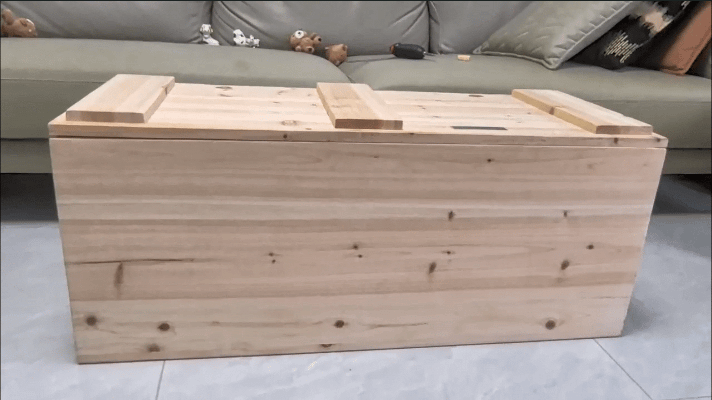
Are you struggling to open your toy chest without damaging it or spilling everything inside? Whether it’s stuck, locked, or just tricky to handle, knowing the right way to open your toy chest can save you time and frustration.
You’ll discover simple, effective tips that make opening your toy chest easier and safer. Keep reading, and you’ll never have to wrestle with that stubborn chest again!

Credit: www.reddit.com
Choosing The Right Toy Chest
Choosing the right toy chest can make a big difference in your child’s playroom or bedroom. It’s not just about finding a box to store toys; it’s about picking one that lasts, keeps your child safe, and fits perfectly in your space. Think about what matters most to you—whether it’s a chest that can withstand rough use, one with the right safety features, or one that holds all those toys without taking over the room.
Materials And Durability
Look closely at what the toy chest is made of. Solid wood is strong and lasts for years, but it can be heavy and expensive. Plastic chests are lighter and often colorful, but they might crack or wear out faster.
Metal chests are sturdy but can have sharp edges, so check how the corners are finished. Also, consider the finish or paint—non-toxic materials are safer for kids. Ask yourself: will this chest survive the kind of rough play your child loves?
Safety Features To Consider
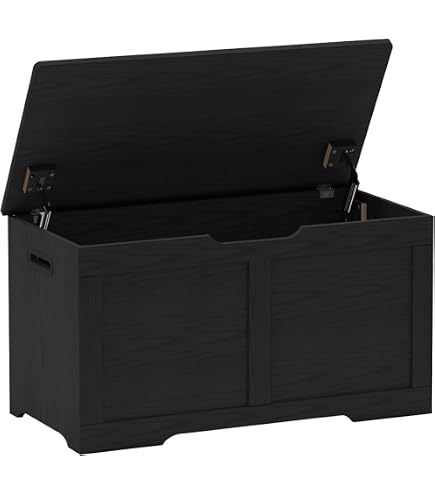
Safety should never be an afterthought. Look for chests with soft-close lids to prevent little fingers from getting pinched. Some toy chests come with ventilation holes to avoid suffocation hazards if a child climbs inside.
Check for smooth edges and corners. Does the chest have a lock? If so, make sure it’s child-friendly and can’t accidentally trap your child. Imagine your child playing around it—what could go wrong? Choose a design that minimizes risks.
Size And Storage Capacity
Think about how many toys you need to store and how much space you have. A large chest might seem perfect, but can it fit comfortably in your room without crowding? Smaller chests can be moved easily but might require more frequent tidying.
Measure your space before buying. Consider a chest with compartments or removable bins for better organization. Would a chest with extra storage on top or inside the lid make your life easier?

Credit: www.amazon.ca
Types Of Locks On Toy Chests
Toy chests often come with different types of locks designed to keep little ones safe or to add a layer of security to treasured toys. Understanding these lock types can help you open the chest without damage and decide which lock fits your needs best. Let’s look at some common lock styles you might encounter.
Latch And Padlock Systems
Latch and padlock systems are some of the simplest and most common locks on toy chests. They usually involve a metal latch that fits into a lockable loop where you can attach a padlock.
If you find a padlock on your toy chest, you’ll need the key or combination to open it. Without those, you might consider gently prying the latch or using bolt cutters, but always be cautious not to damage the chest.
Built-in Combination Locks
Some toy chests feature built-in combination locks that require a numeric code to open. These locks are great for parents who want to limit access without needing keys.
If you forget the combination, try common sequences like 0000, 1234, or the child’s birthday. Otherwise, check if the manufacturer provides a reset option or instructions for recovery.
Magnetic And Hidden Locks
Magnetic and hidden locks provide a sleek, child-safe way to secure a toy chest. These locks use magnets or concealed catches that can only be released by a special key or by pressing a certain spot.
Have you ever been puzzled by a toy chest that just won’t open? Magnetic locks can be tricky because they leave no visible sign of locking. Try using a strong magnet or locate the hidden release point to open the chest without force.
Quick Unlocking Techniques
Quick unlocking techniques help open a toy chest fast and with little effort. These tips work well for various locks. They save time and avoid damage to the chest or toys inside. Use easy tools and simple tricks to get started.
Using Simple Tools
Household tools can help open many toy chests. A flathead screwdriver or a butter knife fits well under the latch. Gently twist or lift the latch to release it. Small items like paper clips or hairpins can also press buttons or move parts inside the lock. Keep tools steady to avoid breaking the lock.
Manipulating Common Lock Mechanisms
Most toy chests use basic locks. These include sliding bolts, twist locks, or simple padlocks. Sliding bolts move sideways to unlock. Try pushing or pulling gently to shift them. Twist locks turn a knob or dial. Rotate slowly to find the right spot. Padlocks often open with a small key or combination. Test simple number patterns or common keys first.
Bypassing Childproof Locks Safely
Childproof locks protect toys but can be tricky to open. Many use pressure or squeeze points to lock. Pressing the right spot or squeezing in a certain way can release the lock. Avoid using force that might break the chest. Look for gaps or seams where the lock parts meet. Use gentle movements to unlock without harm.
Credit: www.amazon.com
Preventing Lock Jams And Damage
Preventing lock jams and damage in your toy chest is key to keeping it functional and safe for daily use. Locks can get stuck or break if they aren’t cared for properly, leading to frustration and costly repairs. Taking a few simple steps can save you time and protect your chest from unnecessary wear and tear.
Regular Maintenance Tips
Check your toy chest lock regularly for any signs of rust, dirt, or wear. Look closely at the keyhole and latch mechanism to spot any debris that could cause jamming. Doing this once a month can prevent most lock-related problems before they start.
Keep your keys in good condition too. Bent or damaged keys can harm the lock, so replace them if they show signs of wear. Have a spare key handy to avoid forcing the lock if the original key gets damaged.
Lubrication And Cleaning
Apply a small amount of graphite powder or a silicone-based lubricant to the lock to keep it smooth. Avoid oil-based lubricants like WD-40, which can attract dust and gum up the lock over time. A little lubricant every few months keeps the mechanism working effortlessly.
Cleaning the lock with a soft brush or compressed air helps remove dirt and grit trapped inside. This is especially important if your toy chest is stored in a dusty area or used outdoors. Clean and lubricate the lock before winter to prevent freezing and sticking in cold weather.
Avoiding Common Mistakes
Don’t force the key if it doesn’t turn easily. Forcing can bend the key or damage the lock’s internal parts. Instead, check for dirt or try gentle wiggling to ease it open.
Avoid overloading your toy chest or slamming the lid, which can misalign the lock and cause jams. Teach kids to open and close the chest gently to extend the lock’s lifespan. Have you noticed how a little rough use can quickly turn a smooth lock into a stubborn one?
Creative Alternatives To Locked Toy Chests
Many toy chests have tricky locks that can be tricky to open. Using household tools or gentle pressure often helps release the latch safely. Creative thinking and patience can make opening locked toy chests easier without damage.
Opening a toy chest shouldn’t feel like cracking a safe. If you’re tired of keys and locks, you’re not alone. Many parents are opting for creative alternatives that not only make access easier but also add charm to the playroom. Here are some practical and stylish solutions to consider.Using Soft Storage Solutions
Soft storage options are great for those who want a flexible and safe environment for their children. Think about using fabric bins, storage baskets, or even large tote bags. These can be easily moved around and are safe for little fingers to access without the risk of pinching or injury. Mesh bags or collapsible bins offer transparency, making it easy for kids to find their toys. Plus, they come in various colors and patterns, adding a splash of fun to the room. Have you ever noticed how kids love tossing toys into bins like a game? This might just make cleaning up a little more enjoyable for them.Decorative Open Shelving
Open shelving provides easy access to toys while doubling as a display for your child’s favorite items. By positioning shelves at child-friendly heights, you empower your kids to grab and return toys independently. This encourages responsibility and keeps clutter at bay. Choose shelves that match your home decor to create a seamless look. Adding baskets or small boxes can help organize smaller toys and craft supplies. Imagine how proud your child will be when they can show off their own curated collection of favorite toys or books.Multi-purpose Furniture Ideas
Furniture that serves more than one purpose can be a game-changer in a playroom. Consider benches with built-in storage or coffee tables with hidden compartments. These options not only save space but also keep toys out of sight when not in use. A window seat with pull-out drawers can become a cozy reading nook and storage solution all in one. Do you have an old trunk or chest? Repurpose it with a cushioned top to create a comfy seating area. With a little creativity, your furniture can work double-time, keeping the play area tidy without sacrificing style.Frequently Asked Questions
How Do You Safely Open A Toy Chest?
To safely open a toy chest, check for a slow-close hinge. Avoid slamming the lid to prevent injuries. Always lift the lid gently and keep fingers away from edges. Ensure the chest is stable before opening it fully.
What Tools Help Open A Stuck Toy Chest?
If a toy chest is stuck, use a flathead screwdriver to gently pry it open. Apply lubricant like WD-40 on hinges if they are rusty. Avoid forcing the lid to prevent damage. Check for hidden locks or latches before trying.
Can Toy Chests Have Safety Features?
Yes, many toy chests include safety features like slow-close lids and ventilation holes. These prevent finger injuries and suffocation risks. Always choose chests with certified safety standards. Regularly inspect safety mechanisms to keep them functional.
How To Open A Toy Chest Without A Key?
If your toy chest is locked and you lack the key, try using a paperclip or small flat tool to pick the lock gently. Alternatively, contact the manufacturer for a replacement key. Avoid forcing the lock to prevent damage.
Conclusion
Opening a toy chest is simple when you know the right steps. Always check for locks or safety features first. Use gentle force to avoid damage or injury. Remember to keep fingers clear from hinges. A little care makes the process safe and smooth.
Enjoy the fun of finding toys inside. Stay patient and follow these easy tips each time. This way, opening a toy chest becomes quick and worry-free.