
Have you ever watched a child carefully line up their toys in a perfect row and wondered why they do it? You might think it’s just play, but there’s more going on beneath the surface.
Understanding why kids line up toys can give you a glimpse into how their minds work and what they might be trying to express. If you want to discover the surprising reasons behind this behavior and what it means for your child’s development, keep reading.
This insight could change the way you see their playtime forever.
Common Toy-lining Behaviors
Kids lining up toys is a behavior many parents notice, but it often raises questions. Understanding the common ways children arrange their toys can shed light on their thinking and emotions. This behavior isn’t random; it often reflects how they see the world or try to make sense of it.
Types Of Toys Kids Line Up
Children tend to line up certain kinds of toys more than others. Small, similar items like cars, action figures, or blocks are popular choices. These toys are easy to organize and create visual order.
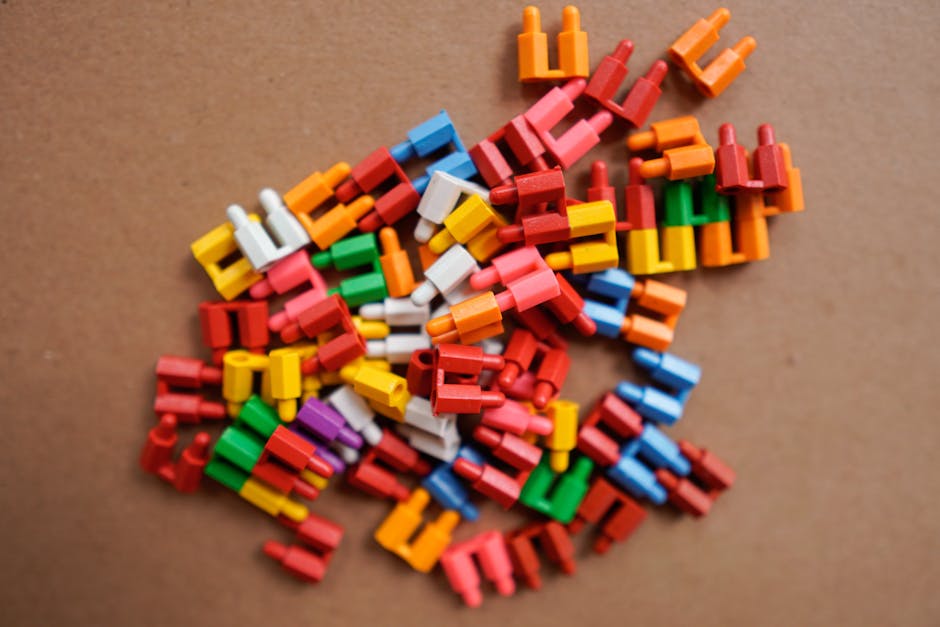
Stuffed animals or dolls might be lined up in a row, each facing the same way, showing a sense of control or care. Sometimes kids use puzzle pieces or building bricks, arranging them by color or size. Have you noticed your child lining up toys with a particular theme or story in mind?
Patterns And Arrangements
The way kids arrange their toys can reveal their thought process. Some follow simple straight lines, while others create complex patterns like circles or grids. These patterns might repeat, showing a preference for predictability.
Kids may also group toys by color, size, or type, reflecting early sorting skills. Watching how your child arranges toys might help you see how they organize their thoughts or manage emotions. What kind of pattern does your child prefer, and what could it mean about how they think?
Developmental Benefits
Lining up toys is more than just a fun activity for kids. It helps their growth in many ways. This simple act supports key skills that children use every day. It builds both their physical and mental abilities. Watching kids line up toys shows their progress in important developmental areas.
Enhancing Motor Skills
Lining up toys helps kids practice hand-eye coordination. They learn to place objects carefully and steadily. This activity improves fine motor skills, which are needed for writing and drawing. Kids also gain better control over their fingers and hands. These skills are essential for daily tasks like buttoning clothes or using utensils.
Boosting Cognitive Abilities
This activity encourages children to think and plan ahead. They sort toys by size, color, or shape, which strengthens their problem-solving skills. Lining up toys also teaches kids about patterns and sequences. It helps improve their focus and attention span. Such mental exercises prepare children for school and learning challenges.
Psychological Insights
Understanding why kids line up toys offers fascinating psychological insights. This behavior goes beyond simple play—it reflects how children make sense of the world. Watching a child carefully arrange cars or dolls can reveal their inner thoughts and feelings.
Seeking Order And Control
Children often line up toys to create a sense of order in their environment. This helps them feel more in control, especially when other parts of life seem unpredictable. You might notice your child organizing blocks or action figures to bring calmness and structure to their playtime.
Think about a time when your own day felt chaotic—did you find yourself tidying up or arranging things just to regain focus? Kids do something similar by lining up toys, which helps them process their experiences and reduce anxiety.
Expressing Emotions Through Play
Lining up toys can also be a way for kids to express feelings they don’t yet have words for. The arrangement might show how they feel about relationships, fairness, or even frustration. When your child lines up their toys, ask gentle questions like, “What story are your toys telling?” to connect with their emotions.
Sometimes, this activity acts as a safe outlet for emotions like anger or sadness. Instead of acting out, children organize their toys, which can help them cope and communicate without words. Observing these patterns can guide you to better understand and support your child’s emotional world.
Social And Communication Aspects
Kids line up toys to make sense of their world and practice social skills. This behavior helps them learn order, patience, and communication. It also creates a way to connect with others through shared play.
Sharing And Interaction
Lining up toys can be an invitation for others to join in. When a child arranges their toys in a line, they may be setting the stage for a shared play experience. Have you ever noticed how a child might look up, waiting for a sibling or friend to notice their neat row of cars or dolls? This is their way of saying, “Join me, let’s play together.” Through this simple act, kids learn to negotiate and cooperate. They might take turns in adding to the line or decide together the order of the toys. These interactions build foundational skills in sharing and collaboration. It’s a subtle yet powerful way they practice social skills.Nonverbal Communication
Children often communicate more through actions than words, especially at a young age. Lining up toys can convey their thoughts and feelings. It might be their way of expressing a need for order or making sense of the world around them. Observe a child lining up toys and you might notice they’re showing you their favorite toys first. Without speaking, they’re revealing what matters to them. Do you see how this becomes a conversation without words? It’s also a way for children to explore concepts of space and sequence. They might be figuring out what fits where, or which toy comes next. This nonverbal play is rich with communication. Are we attentive enough to listen to what they’re silently saying?Connections To Autism And Neurodiversity
Many children with autism or other neurodiverse traits line up toys. This behavior often puzzles parents and caregivers. Understanding why this happens helps us support these children better. Lining up toys is more than just play. It reflects how some children process the world around them.
Repetitive Behaviors Explained
Lining up toys is a type of repetitive behavior common in autism. These actions bring a sense of control and predictability. Children find comfort in repeating the same movements or patterns. Repetitive behaviors can reduce anxiety and stress. They help kids focus and organize their thoughts.
Sensory Preferences And Comfort
Some children line up toys to meet sensory needs. The touch, sight, or sound of toys arranged just right can be calming. Sensory input helps children feel safe and balanced. Lining up toys provides clear visual order that pleases their senses. This routine also creates a quiet, focused environment.
Encouraging Positive Toy-lining
Encouraging positive toy-lining means helping your child enjoy this behavior in a way that supports their growth and learning. Instead of stopping them, you can guide their actions so lining up becomes a creative and meaningful activity. This approach nurtures skills like organization, focus, and even early math concepts.
Guiding Creativity
Help your child see toy-lining as a form of art or storytelling. Suggest they create patterns or arrange toys by color, size, or theme. This turns a simple line into an imaginative project, sparking new ideas and encouraging them to think beyond just placing toys in a row.
Ask questions like, “What story do these toys tell when lined up this way?” or “Can you create a pattern using different shapes?” These prompts invite your child to experiment and express themselves through their arrangements.
Balancing Structure And Freedom
Set gentle limits around where and when toy-lining happens to keep it positive for everyone. For example, designate a specific play area or time for lining up toys to avoid frustration or mess. This balance gives your child freedom to explore while teaching respect for shared spaces.
Encourage your child to decide how to arrange their toys within these boundaries. Letting them take ownership over the activity builds confidence and keeps their interest alive. Have you noticed how kids thrive when given clear choices that still allow creativity?
Frequently Asked Questions
Why Do Kids Line Up Toys Repetitively?
Kids line up toys to create order and predictability. This behavior helps them feel secure and control their environment. It also aids in developing focus, fine motor skills, and understanding sequences, which are crucial for cognitive growth.
Is Lining Up Toys A Sign Of Creativity?
Yes, lining up toys can reflect creativity. Children experiment with patterns and organization, which stimulates imagination. This activity encourages problem-solving and visual thinking, fostering early learning and artistic expression.
Does Lining Up Toys Indicate Developmental Progress?
Absolutely, this behavior shows cognitive and motor skill development. It demonstrates attention to detail, hand-eye coordination, and the ability to categorize objects. Lining up toys is a positive sign of growing mental and physical abilities.
Can Lining Up Toys Be Linked To Autism?
Lining up toys alone isn’t a definitive autism sign. However, repetitive behaviors, including lining up, can be common in autism spectrum disorder. Context and other behaviors must be considered before drawing conclusions.
Conclusion
Kids line up toys to feel safe and in control. It helps them learn order and practice focus. This simple act shows their creativity and thinking skills. Watching this behavior can teach adults about children’s needs. Encouraging this habit supports growth and understanding.
Each line tells a small story from a child’s mind. Paying attention to these moments helps build stronger bonds. Toys in a row mean more than just play. They show how children explore their world every day.