


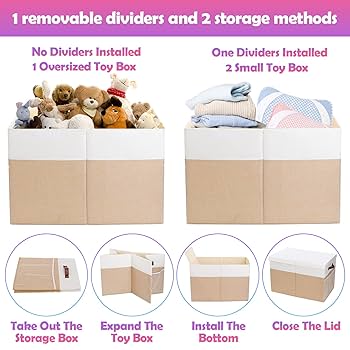
Choosing the right materials for your toy chest can make a big difference in how long it lasts and how safe it is for your child. You want something sturdy, easy to clean, and safe enough for little hands.
But with so many options out there, it’s easy to feel overwhelmed. This guide will help you understand the best materials to use, so you can pick the perfect toy chest that fits your needs and keeps your child happy.
Keep reading to discover what makes a toy chest both practical and durable for your home.
Credit: www.3sprouts.com
Durable Wood Options
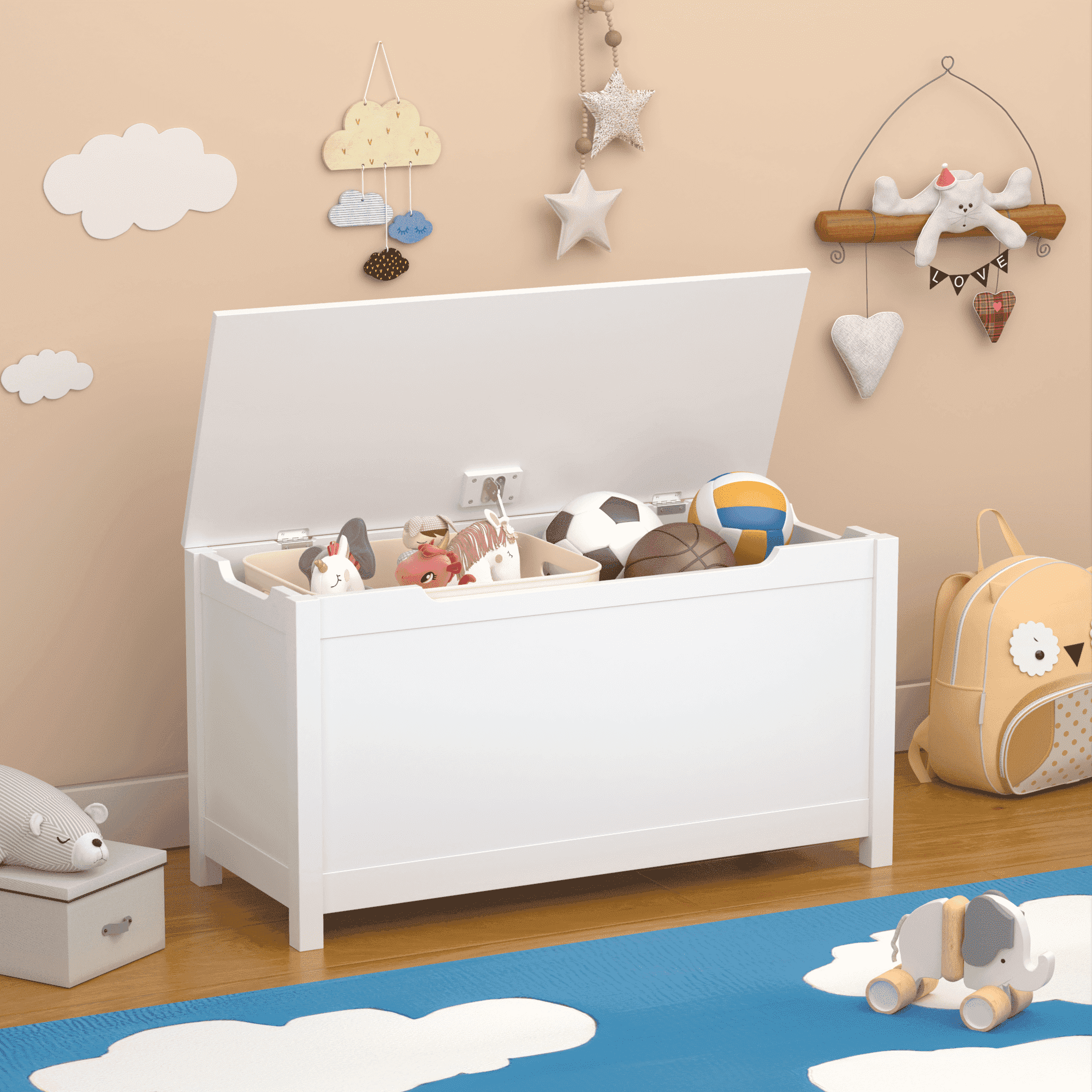
Choosing the right material for your toy chest is essential to ensure it lasts through years of play and storage. Durable wood options offer strength and a timeless look that plastic or metal often can’t match. Understanding the types of wood and their treatments can help you pick the best fit for your space and lifestyle.
Solid Hardwood Benefits
Solid hardwood like oak, maple, and cherry provide exceptional durability. These woods resist dents and scratches, making them ideal for rough-and-tumble playrooms. Plus, they age beautifully, often looking better as they develop a rich patina over time.
Have you noticed how some wooden furniture pieces become family heirlooms? That’s the power of solid hardwood. It’s tough enough to take daily use and still maintain its structural integrity.
Engineered Wood Varieties
Engineered wood options like plywood and MDF offer a budget-friendly alternative without sacrificing too much strength. Plywood, made from layers of wood veneer, holds up well against warping and splitting. MDF is smoother and easier to paint but might not be as strong as plywood for heavy loads.
If you want a balance between cost and durability, engineered wood can be a smart choice. Just ensure it has a good quality finish to protect it from moisture and wear.
Wood Finishes And Treatments
Applying the right finish can extend your toy chest’s life and keep it looking fresh. Water-based polyurethane is a safe, non-toxic option that protects against scratches and spills. Natural oils like tung or linseed oil enhance the wood grain while offering moderate protection.
Consider your child’s safety and allergies when choosing finishes. Do you want a glossy surface that’s easy to wipe or a matte finish that hides fingerprints better? Your choice here affects both maintenance and appearance.
Safe Plastic Materials
Choosing the right material for a toy chest is crucial, especially when safety is a top priority. Safe plastic materials offer a great balance of durability, ease of cleaning, and child-friendly design. Understanding which plastics are safe for children helps you make a smarter choice for your home.
Types Of Child-safe Plastics
Not all plastics are created equal when it comes to safety. Look for plastics labeled as food-gradeor those marked with recycling codes 2 (HDPE), 4 (LDPE), and 5 (PP). These types are less likely to contain harmful chemicals like BPA or phthalates.
High-Density Polyethylene (HDPE) is a popular choice because it’s tough and resistant to impacts. Polypropylene (PP) is another safe option, known for its heat resistance and durability. You can often find these plastics in well-made toy chests designed specifically for children.
Advantages Of Plastic Toy Chests
Plastic toy chests are lightweight, making them easy for kids to move around. They don’t splinter like wood, reducing the risk of injury. Plus, plastic is simple to clean—just a quick wipe with soap and water keeps it looking fresh.
Another benefit is the variety of colors and designs available. Plastic allows for fun, bright finishes that encourage kids to engage with their toy storage. Have you noticed how a colorful chest can brighten up a playroom instantly?
Environmental Considerations
While plastic offers many benefits, it’s important to think about its environmental impact. Choosing toy chests made from recyclable plastics can help reduce waste. Some manufacturers now use recycled plastic, which supports sustainability without compromising safety.
Consider how long the toy chest will last. A durable plastic chest that stays in use for years is better for the planet than a cheap one that breaks quickly. Could your next toy chest be a smarter buy not just for your child, but also for the environment?
Metal Toy Chest Choices
Choosing a metal toy chest can bring a modern and sturdy touch to your child’s playroom. Metal options often stand out for their sleek look and robustness. But what metals are typically used, and how do they hold up in terms of safety and durability?
Common Metals Used
Steel and aluminum are the most popular metals for toy chests. Steel offers excellent strength and a smooth finish, often coated with powder paint to prevent rust and add color. Aluminum is lighter and naturally resistant to corrosion, making it a good choice for easier mobility.
Some toy chests use tin or iron, but these are less common due to weight and rust concerns. Knowing the metal type helps you understand how much care and maintenance your chest will need.
Durability And Safety Features
Metal toy chests can last for years without warping or cracking, unlike some wooden options. They handle rough use well, which is important when kids toss toys inside. Many feature rounded edges and child-safe locks to prevent pinched fingers.
Look for chests with non-toxic, lead-free paint to keep your child safe. Additionally, check if the lid has a soft-close mechanism; it prevents accidental slamming and injuries.
Potential Drawbacks
One downside is that metal toy chests can get quite cold or hot to the touch depending on the room temperature. They may also dent if hit hard, which can affect their appearance. Some kids might find metal chests less inviting compared to colorful wooden ones.
Noise can be another issue, as metal surfaces tend to amplify sounds when toys drop inside. Do you think a metal toy chest will fit your child’s energy and style, or would something softer and quieter work better?
Credit: www.walmart.com
Fabric And Upholstered Options
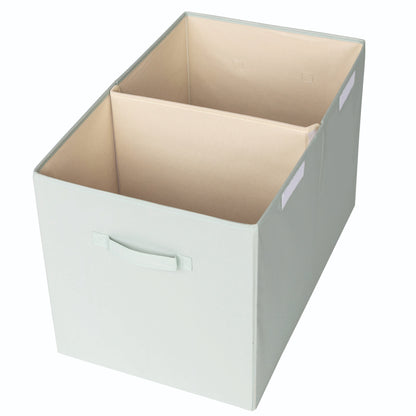
Fabric and upholstered toy chests add softness and style to any playroom. They can make storage more inviting and comfortable. These options offer a cozy feel and fit well in children’s spaces.
Choosing the right fabric is key for durability and look. Upholstered chests often combine wood or metal frames with fabric covers. This mix provides strength with a gentle touch.
Types Of Fabric Materials
- Cotton:Natural, breathable, and easy to clean. Ideal for light use.
- Polyester:Durable and resistant to stains. Good for heavy use.
- Velvet:Soft and luxurious but harder to clean. Best for decorative chests.
- Microfiber:Smooth, stain-resistant, and easy to maintain.
- Canvas:Strong and sturdy, perfect for rough play areas.
Safety Concerns And Precautions
Check for flame-retardant fabrics to meet safety standards. Avoid materials with loose fibers or sharp threads.
Ensure all upholstery is firmly attached to prevent choking hazards. Padding should be firm yet soft to avoid suffocation risks.
Watch out for toxic dyes or chemicals. Choose fabrics labeled as non-toxic and child-safe.
Cleaning And Maintenance
Use a vacuum with a soft brush to remove dust regularly. Spot clean spills immediately with mild soap and water.
For removable covers, follow washing instructions carefully. Avoid harsh chemicals that can damage fabric.
Check seams and padding often to keep the chest in good shape. Repair small tears quickly to prevent bigger damage.
Non-toxic Paints And Finishes
Non-toxic paints and finishes ensure a safe toy chest for children. Choose water-based paints with low VOCs for health safety. Natural oils like linseed or tung oil provide a protective finish.
Non-toxic paints and finishes are crucial for toy chests. They ensure the safety of children. Harmful chemicals in paints can affect health. Choosing safe options can prevent these risks. This guide will help you pick the right paints. Also, learn about sealing and tips for allergies.
Choosing Safe Paints
Select water-based paints for your toy chest. They contain fewer volatile organic compounds (VOCs). VOCs can cause headaches and dizziness. Look for labels like “non-toxic” or “low-VOC”. Check for certification by a reputable body. Certifications ensure safety standards are met. Consider brands known for eco-friendly products.
Sealing And Protection
A good sealant protects the paint. It also adds durability to the toy chest. Choose water-based sealants over oil-based ones. They emit fewer harmful fumes. Ensure the sealant is also non-toxic. Apply the sealant in a well-ventilated area. This reduces exposure to any lingering fumes. Allow the sealant to dry completely before use.
Allergy And Sensitivity Tips
Children with allergies need extra care. Choose paints free from common allergens. Avoid strong fragrances in paints and finishes. Fragrances can trigger sensitivities. Test a small area before painting the entire chest. This helps ensure the child does not react. Keep the painted chest in a ventilated space. This helps dissipate any odors quickly.
Additional Safety Features
Choosing the right materials for a toy chest involves more than durability and style. Safety features play a key role in protecting children during play and storage. These features help prevent accidents and ensure the chest is child-friendly. Below are some important safety aspects to consider.
Soft-close Hinges
Soft-close hinges stop the lid from slamming shut. This feature protects little fingers from getting pinched. It also reduces noise and wear on the chest. Soft-close hinges add smooth, safe operation to any toy chest.
Rounded Edges And Corners
Sharp edges can cause cuts and bruises. Rounded edges and corners soften the look and feel of the chest. This design lowers the risk of injury during playtime. Smooth corners are especially important in busy play areas.
Ventilation And Breathability
Good airflow prevents mold and keeps toys fresh. Ventilation holes or slats allow air to circulate inside the chest. Breathable materials help avoid dampness and odors. This feature is essential for maintaining a clean, healthy toy storage space.
Budget-friendly Material Choices
Choosing the right material for your toy chest doesn’t have to drain your wallet. There are plenty of budget-friendly options that balance cost with durability and style. Understanding these choices helps you pick materials that last, look great, and keep your child’s treasures safe.
Affordable Durable Options
Solid pine wood is a standout choice if you want something sturdy without a high price tag. It resists dents and scratches better than particleboard and can be easily sanded and refinished if needed.
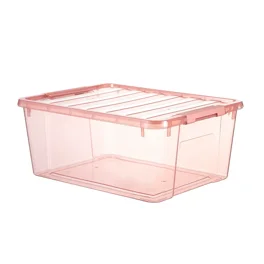
Plastic storage chests offer a lightweight, inexpensive alternative that’s easy to clean. Look for thick, BPA-free plastic to avoid wear and tear over time.
Another option is plywood with a laminate finish—it combines strength with a smooth surface that resists stains. It’s perfect if you want a clean, modern look on a budget.
Diy Material Ideas
If you enjoy hands-on projects, repurposing materials can save money and add a personal touch. Old wooden crates or pallets can be transformed into charming toy chests with just a bit of sanding and painting.
Consider using fabric-covered cardboard boxes for lightweight storage in smaller spaces. Adding colorful fabric and some decorative trim can make these inexpensive materials feel special.
Have leftover wood from other projects? Use it to build a custom chest tailored to your space and style. This approach lets you control costs and create something truly unique.
Long-term Investment Considerations
Buying cheap materials might save money upfront but can lead to replacements sooner than expected. Think about how long the toy chest needs to last and how much wear it will endure.
Durable woods like oak or maple cost more initially but often outlast softer woods and plastics by years. They also tend to hold their value if you decide to sell or pass the chest down.
Ask yourself: Would investing a bit more now prevent headaches and expenses later? Sometimes spending a little extra on quality materials pays off in the long run.
Credit: www.walmart.com
Frequently Asked Questions
What Are The Best Wood Types For A Toy Chest?
Pine, oak, and plywood are popular wood choices for toy chests. Pine is affordable and lightweight. Oak is durable and long-lasting. Plywood offers strength and smooth surfaces. These woods provide sturdy, safe, and attractive toy storage options.
Is Mdf A Good Material For Toy Chests?
MDF is smooth and budget-friendly, making it a common choice for toy chests. However, it is less durable than solid wood and can swell if exposed to moisture. It’s ideal for indoor use with proper sealing and finishing.
Can Plastic Be Used For Toy Chests?
Yes, plastic is lightweight, easy to clean, and often colorful. It’s ideal for kids’ rooms but may lack durability compared to wood. Choose BPA-free, non-toxic plastic to ensure safety for children.
Why Is Safety Important In Toy Chest Materials?
Safety ensures children avoid injuries from sharp edges or toxic finishes. Choose non-toxic paints, smooth surfaces, and rounded corners. Durable materials prevent breakage, reducing accident risks. Safety should always be a priority in toy chest design.
Conclusion
Choosing the right materials for a toy chest matters a lot. Wood offers strength and a classic look. Plastic can be light and easy to clean. Metal adds durability but may feel cold. Think about safety and how long it will last.
Also, consider the style that fits your space. A well-made toy chest keeps toys tidy and safe. It makes playtime more fun and organized. Pick materials that match your needs and budget. This way, the toy chest will serve your child for years.
Simple choices lead to happy, clutter-free homes.