


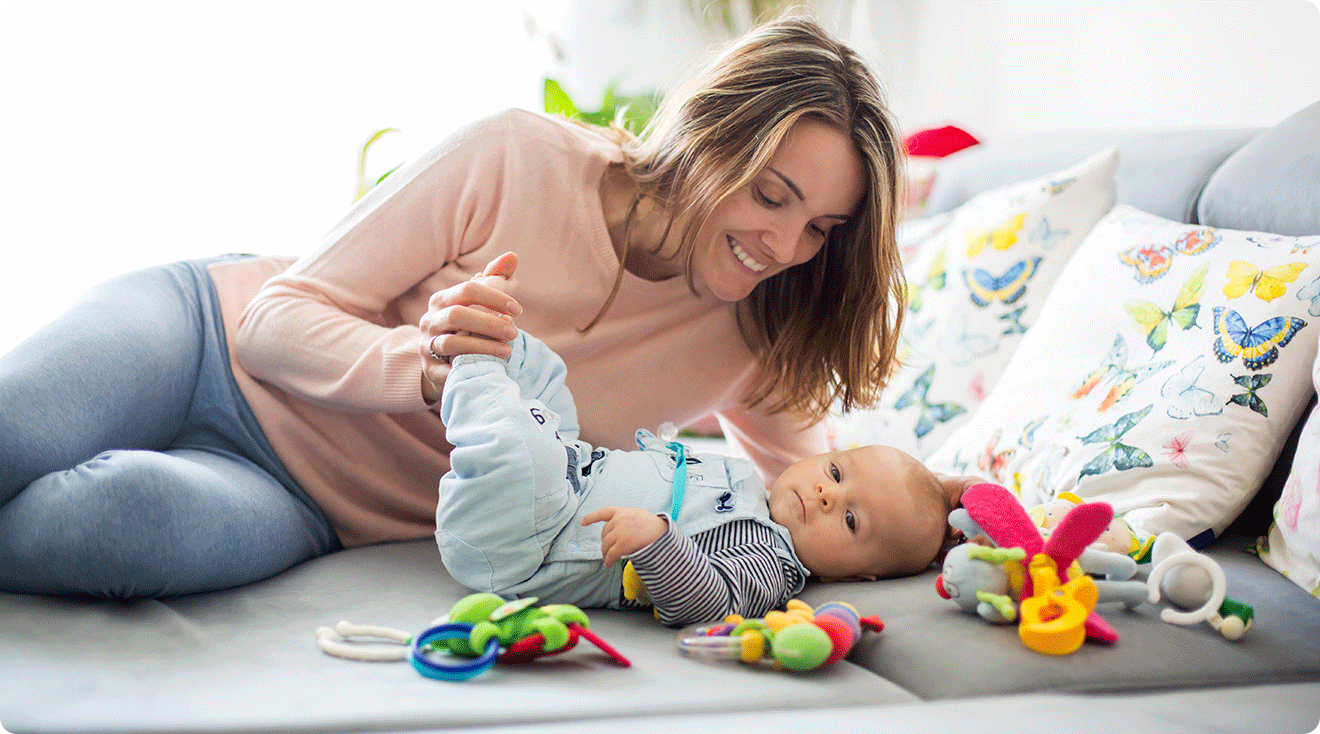
Your baby just turned one, and suddenly, the toy box looks overwhelming. You’re probably wondering which toys still make sense and which ones you can finally let go of.
Choosing what to keep and what to get rid of isn’t just about tidying up—it’s about making space for your little one’s growing skills and curiosity. If you want to create a safer, more engaging play area that truly supports your baby’s development, keep reading.
This guide will help you decide exactly what toys to part with as your baby reaches this exciting milestone.
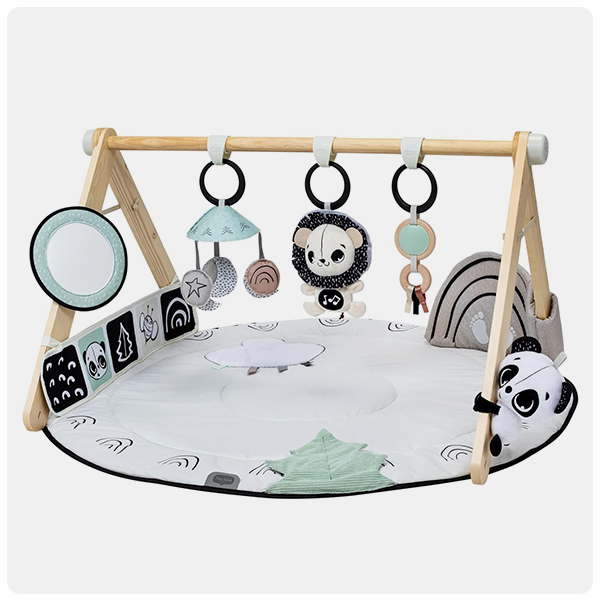
Credit: www.thebump.com
Signs Your Baby Outgrows Toys
When your baby turns one, their play habits change. Some toys that were fun before may no longer interest them.
Knowing when to remove old toys helps keep playtime safe and exciting. Watch for signs that your baby is ready for new challenges.
Reduced Interest
Your baby may stop playing with certain toys. They might ignore toys they used to enjoy a lot.
This loss of interest shows the toy no longer matches their skills or curiosity. It is time to clear these toys out.
- Toys left untouched for days
- No excitement or smiles during play
- Prefers new or different toys
Safety Concerns
As babies grow, some toys can become unsafe. Small parts might cause choking risks when they start putting things in their mouths.
Check toys for broken pieces or wear that can hurt your baby. Remove anything that looks damaged or too old.
- Loose or missing parts
- Sharp edges or cracks
- Toys meant for younger babies
Developmental Milestones
When your baby reaches new skills, some toys stop helping their growth. They need toys that match their current abilities.
Look for toys that challenge your baby to crawl, stand, or use their hands better. Keep toys that support these milestones.
- Toys that encourage walking or climbing
- Objects that develop hand-eye coordination
- Simple puzzles or building blocks
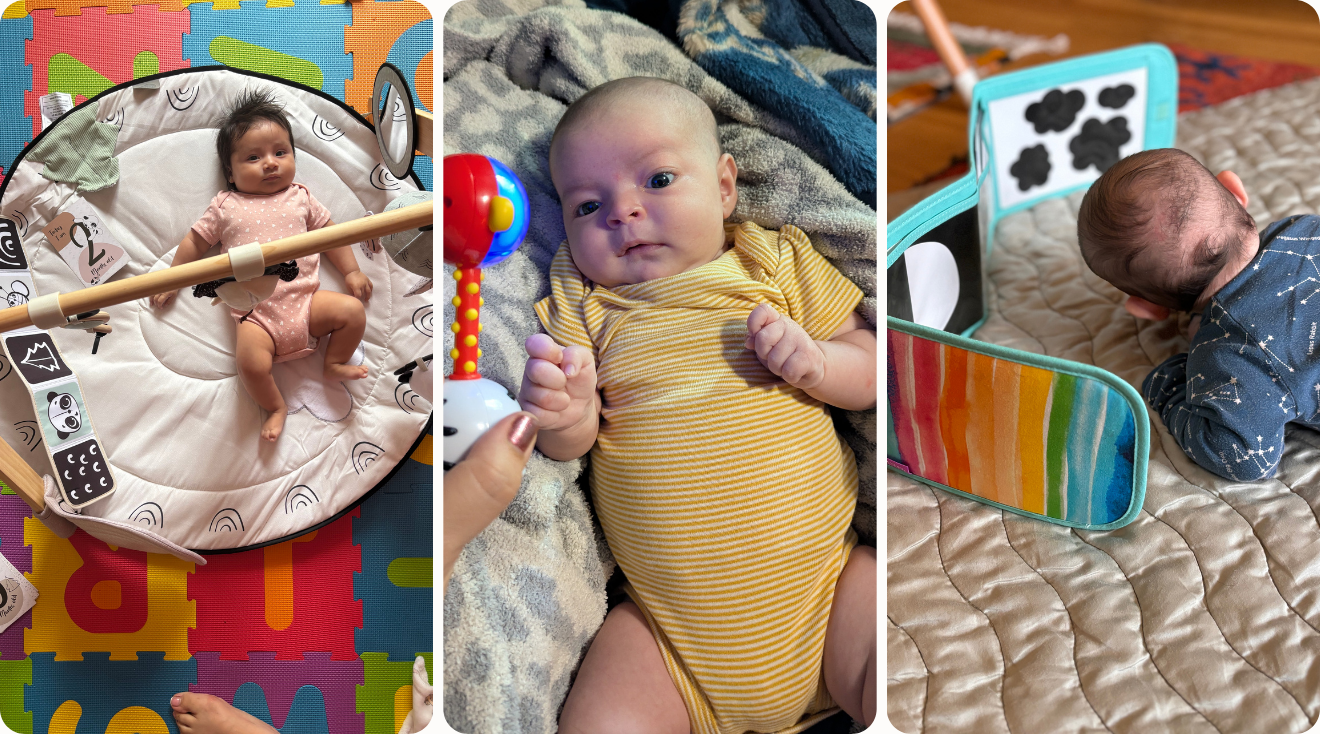
Credit: www.thebump.com
Toys To Avoid After One Year
As your baby turns one, their play needs change. Some toys that were safe and fun before may not be suitable now. It is important to remove toys that can cause harm or no longer support your child’s growth.
Choosing the right toys helps your child learn and stay safe. Watch out for toys with small parts, loud noises, or no educational value. These can be harmful or boring for your growing toddler.
Small Parts And Choking Hazards
Toddlers explore by putting things in their mouth. Toys with small pieces can cause choking. Avoid toys that break into tiny parts or have buttons, beads, or detachable pieces.
Check toys for labels about age recommendations. Remove anything that fits easily in a child’s mouth. Safety should always come first to prevent accidents.
- Small balls or marbles
- Loose buttons or beads
- Toys with easily removable parts
- Broken or damaged toys
Toys With Loud Noises
Toddlers have sensitive hearing. Toys that make loud, sudden sounds can scare or hurt their ears. Avoid toys that produce noise above safe levels.
Loud toys can also cause stress and irritability. Choose quieter toys that encourage calm play and focus instead of noise.
- Noise makers with high volume
- Toys with loud alarms or sirens
- Battery-operated toys with sharp sounds
Toys Lacking Educational Value
After one year, toddlers learn best through play that teaches skills. Toys without educational value may not support their growth. Avoid toys that only entertain without learning.
Pick toys that encourage thinking, problem-solving, and creativity. Remove toys that do not inspire your child or help build new skills.
- Toys with repetitive, non-interactive features
- Simple toys without any challenge
- Items that do not encourage movement or learning
Choosing Age-appropriate Toys
When your baby turns 1, it is time to review their toys. Some toys may no longer suit their age or safety needs.
Choosing toys that fit their current skills helps their growth and keeps them safe while playing.
Stimulating Motor Skills
Toys that encourage movement help babies improve their motor skills. At 1 year, babies start walking and exploring.
Choose toys that support standing, walking, and hand-eye coordination. Avoid toys that are too small or hard to handle.
- Push toys that help with balance
- Soft balls for grasping and throwing
- Stacking blocks to practice hand control
- Shape sorters to develop finger skills
Encouraging Cognitive Growth
Toys that challenge the mind support learning and thinking. Babies at 1 year enjoy figuring out new things.
Pick toys that offer simple problem-solving and cause-and-effect experiences. Remove toys that are too easy or too complex.
- Interactive books with textures and flaps
- Simple puzzles with large pieces
- Toys that make sounds when pressed
- Blocks that fit into matching holes
Promoting Social Interaction
Playing with others helps babies learn social skills. Toys that encourage sharing and interaction are good choices.
Select toys that invite group play or role-playing. Avoid toys meant only for solo use or that cause frustration.
- Soft dolls or stuffed animals for pretend play
- Musical instruments for group fun
- Large building blocks for cooperative play
- Simple board games with parents or siblings

Credit: www.goodhousekeeping.com
Organizing And Decluttering Toys
When your baby turns one, their needs and interests change. It is a good time to organize and declutter toys. Keeping only useful and safe toys helps create a clean space.
Sorting toys helps you decide which to keep, donate, or recycle. This process makes playtime more fun and less messy.
Sorting By Use And Condition
Check each toy to see if your baby still uses it. Look for toys that are broken or worn out. These should be removed to keep your baby safe.
Keep toys that match your baby’s current skills. Soft toys and simple puzzles are good for one-year-olds. Remove toys that are too advanced or not age-appropriate.
- Keep toys that are clean and safe
- Remove broken or damaged toys
- Keep toys your baby plays with often
- Remove toys that are too hard or too easy
Donation And Recycling Options
Donate toys your baby no longer uses but are in good shape. Many families and charities will appreciate them. This helps reduce waste and supports others.
Recycle toys that are broken or no longer safe. Check local recycling centers for toy recycling programs. Avoid throwing plastic toys in the trash when possible.
- Donate clean and gently used toys
- Find local charities or shelters to give toys
- Recycle broken plastic or metal toys
- Dispose of unsafe toys properly
Creating A Toy Rotation System
Use a toy rotation system to keep your baby interested. Store some toys away and swap them every few weeks. This keeps playtime fresh and less cluttered.
Divide toys into groups based on type or theme. Rotate these groups to avoid too many toys out at once. This helps your baby focus and enjoy each toy more.
- Sort toys into small groups
- Keep only one group out at a time
- Swap groups every few weeks
- Store unused toys in bins or boxes
Tips For Introducing New Toys
When your baby turns one, it is time to refresh their toys. New toys help your baby learn and grow in new ways.
Introducing new toys carefully keeps your baby interested and happy. Use simple steps to make it easy for both of you.
Observing Baby’s Preferences
Watch how your baby plays with toys. Notice which ones they like and which ones they ignore.
Use this information to pick new toys that match your baby’s interests and style of play. This keeps playtime fun and engaging.
Balancing Variety And Simplicity
Give your baby different kinds of toys, but do not overwhelm them. Too many toys can cause confusion.
- Choose toys with different shapes and colors
- Limit the number of toys to a small, manageable group
- Rotate toys to keep them fresh and exciting
Simple toys help your baby focus better and use their imagination more.
Incorporating Multi-sensory Play
Pick toys that use more than one sense. Toys that encourage touch, sight, and sound help your baby learn faster.
- Textured toys for feeling different surfaces
- Bright colors and patterns for visual interest
- Soft sounds or rattles to explore hearing
Multi-sensory toys keep playtime exciting and help your baby develop many skills at once.
Frequently Asked Questions
What Toys Should I Remove When Baby Turns 1?
Remove toys that are too small or have choking hazards. Avoid toys meant for infants under 6 months. Also, discard broken or unsafe toys to ensure your baby’s safety and encourage age-appropriate play.
Why Discard Rattles After Baby Turns One?
Rattles designed for newborns may no longer stimulate a one-year-old. Babies at this age need toys that promote walking, problem-solving, and fine motor skills. Keeping rattles can limit developmental growth and interest.
Are Electronic Toys Suitable For One-year-olds?
Limit electronic toys for one-year-olds. They should focus on physical and sensory play instead. Too much screen time or electronic stimulation can hinder natural development and creativity.
How To Choose New Toys For A One-year-old?
Select toys that encourage walking, stacking, and problem-solving. Look for large, colorful, and safe toys that support motor skills and cognitive growth. Avoid toys with small parts or complex instructions.
Conclusion
Sorting toys when your baby turns one helps keep their space safe. Remove small, broken, or outdated toys to avoid hazards. Choose toys that encourage movement and learning. This change supports your baby’s growth and curiosity. Keep only the best toys that suit their age.
A tidy play area makes playtime more fun and stress-free. Remember, quality matters more than quantity. Let your baby enjoy safe and suitable toys every day.