


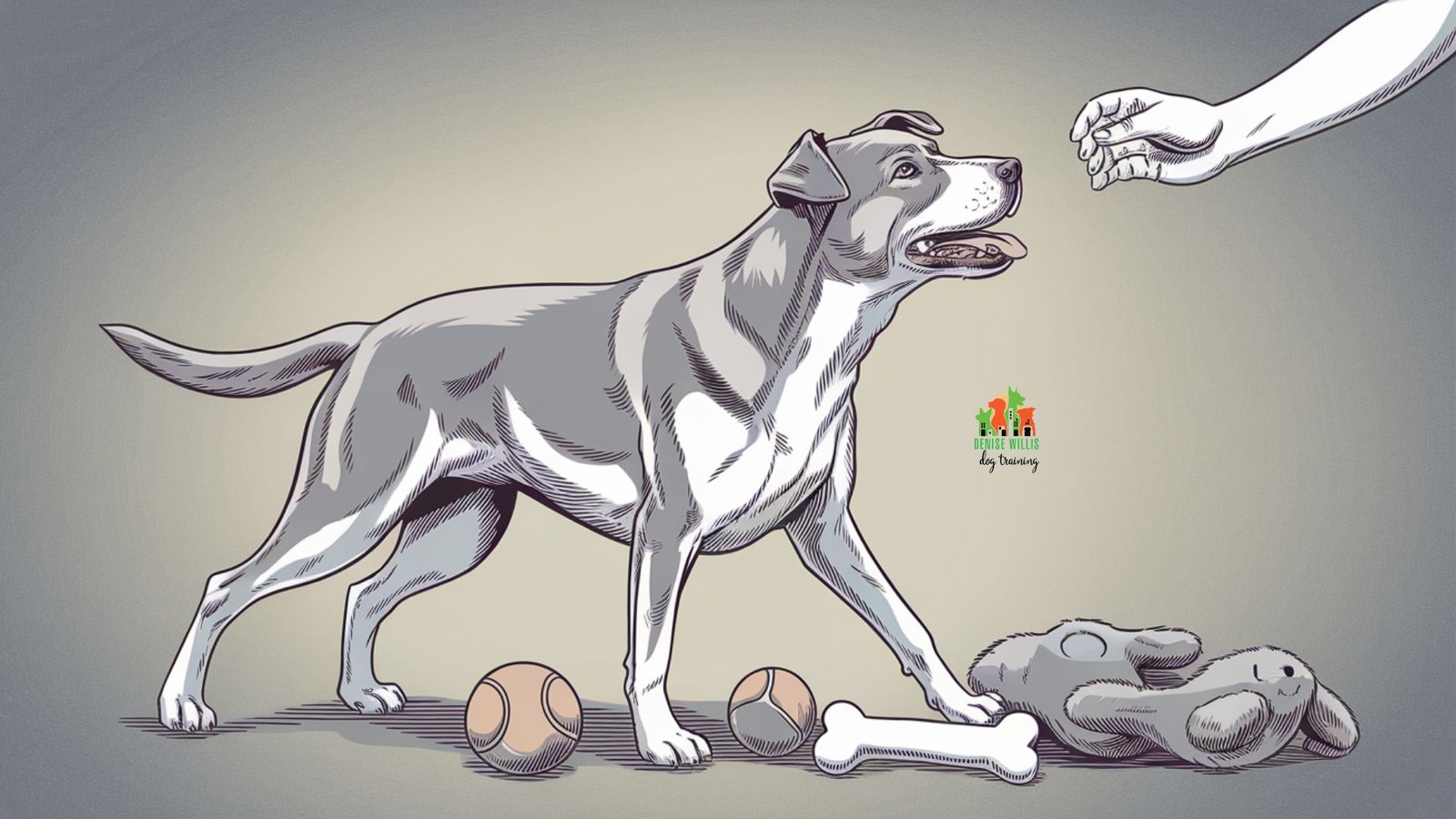
Does your dog growl, snap, or guard toys aggressively? Toy aggression can turn playtime into a stressful experience for both you and your furry friend.
But don’t worry—you can change this behavior. Understanding why your dog acts this way and learning simple, effective steps can help you bring back the joy of safe, happy play. Keep reading to discover how you can get rid of toy aggression and build a stronger, more trusting bond with your dog.

Credit: pupford.com
Causes Of Toy Aggression
Toy aggression in dogs happens when they act aggressively over toys. This behavior can lead to bites or fights.
Understanding the causes helps owners manage and reduce this aggression safely.
Resource Guarding Instinct
Dogs have a natural instinct to protect valuable items. Toys are seen as important resources.
This guarding behavior makes dogs growl or snap to keep others away from their toys.
- Protects food, toys, or resting places
- Develops from survival instincts
- Can appear in both puppies and adult dogs
Lack Of Socialization
Dogs that do not meet many other dogs or people may feel nervous around toys and others.
They may act aggressively to keep toys safe because they do not understand sharing.
- Limits learning good behavior
- Increases fear and anxiety
- Leads to poor interaction skills
Past Trauma Or Negative Experiences
Dogs with bad experiences around toys or people may become aggressive to avoid pain.
These past memories cause them to react strongly to protect their toys.
- History of being punished for toys
- Previous fights over possessions
- Fear caused by sudden or loud events
Credit: theonlinedogtrainer.com
Recognizing Toy Aggression Signs
Toy aggression happens when dogs become protective over their toys. They may act aggressively to keep others away.
It is important to spot the signs early. This helps prevent fights and keeps everyone safe.
Growling And Snapping
Dogs often growl when they feel threatened near their toys. Growling is a warning to back off.
Snapping is more serious. It means the dog may bite if someone comes too close to its toy.
- Low, deep growls near toys
- Snapping at hands or other dogs
- Showing teeth while guarding toys
Stiff Body Language
A stiff body shows the dog is tense and ready to protect its toy. The dog may stand very still.
Its tail might be raised and ears pointed forward. This signals the dog feels alert and defensive.
- Rigid posture near toys
- Tail held high or stiff
- Ears standing up and facing forward
Protective Behavior Around Toys
Dogs may guard toys by blocking access with their body. They might move away or hide the toy.
They can also refuse to give the toy when asked. This behavior shows strong attachment to the item.
- Blocking others from reaching the toy
- Hiding or burying toys
- Refusing to drop toys on command
Training Techniques To Reduce Aggression
Toy aggression in dogs is a common problem. It happens when a dog growls, snaps, or acts aggressive over toys.
Training can help reduce this behavior. Using calm and consistent methods will make your dog feel safe and relaxed.
Positive Reinforcement
Positive reinforcement means giving your dog a reward for good behavior. This teaches them that calm actions bring treats or praise.
When your dog shares a toy or stays calm near toys, immediately give a treat or kind words. This helps your dog want to behave well.
- Give treats when your dog plays gently.
- Use praise to reward calm behavior.
- Be consistent with rewards every time.
Trade And Exchange Games
Trade and exchange games teach your dog to give up toys safely. This lowers their need to guard toys aggressively.
Offer a better toy or treat in exchange for the toy they have. This helps your dog learn that giving toys leads to good things.
- Ask your dog to drop the toy.
- Offer a treat or another toy immediately.
- Repeat this often to build trust.
Desensitization And Counterconditioning
Desensitization means slowly exposing your dog to the toy without stress. Counterconditioning changes your dog’s feelings about the toy.
Start by showing the toy from a distance while giving treats. Gradually move closer over time, always rewarding calm behavior.
- Keep sessions short and positive.
- Watch your dog’s body language for stress.
- Stop if your dog becomes aggressive.
- Increase toy exposure slowly over days.
Managing Playtime Safely
Toy aggression in dogs can make playtime stressful. Managing play safely helps keep dogs calm and happy. It also protects you and other pets.
Using careful methods during play reduces aggressive behavior. Training and clear rules create a safe space for fun.
Supervised Play Sessions
Always watch your dog during play with toys. Supervision helps you stop rough behavior fast. You can teach your dog what is okay.
If your dog shows signs of aggression, pause the play. Calmly redirect their attention to a different activity.
- Stay close to your dog when they play
- Watch for growling or snapping
- Interrupt play if aggression appears
- Use calm voice to guide your dog
Choosing Appropriate Toys
Select toys that are safe and fit your dog’s size and strength. Avoid toys that encourage aggressive biting or tugging.
Toys that are soft or designed for gentle chewing help prevent fights. Rotate toys to keep your dog interested and less possessive.
- Pick durable toys made for your dog’s size
- Use soft toys for gentle play
- Remove toys that cause guarding behavior
- Switch toys often to reduce obsession
Setting Clear Boundaries
Teach your dog rules about toys and playtime. Use simple commands like “leave it” or “drop it” to manage behavior.
Consistent rules help your dog understand limits. Reward calm play and ignore aggressive actions to encourage good habits.
- Use clear commands during play
- Reward your dog for sharing toys
- Stop play if your dog gets too rough
- Be consistent with rules every time
Professional Help And When To Seek It
Toy aggression in dogs can be a serious issue. It causes stress for both dogs and owners. Sometimes, you need help from experts. Knowing when to ask for help is important.
This guide explains when to seek professional help. It covers veterinarians, trainers, and therapy options. Getting the right help can improve your dog’s behavior.
Consulting A Veterinarian
A veterinarian checks if health problems cause aggression. Pain or illness can make dogs act aggressively. The vet can find these issues and suggest treatments.
If your dog suddenly shows toy aggression, visit a vet. The vet may also recommend medicine or changes in diet. This can help calm your dog and reduce aggression.
Working With A Certified Trainer
A certified dog trainer knows how to handle aggressive behavior. They teach you ways to manage and reduce toy aggression. Trainers use positive methods to change behavior.
Trainers work with you and your dog. They show how to play safely and share toys. This builds trust and stops fights over toys. Getting a trainer early helps prevent problems.
- Trainer assesses your dog’s behavior
- Trainer creates a training plan
- You learn commands and control techniques
- Trainer guides safe play and sharing
Behavioral Therapy Options
Behavioral therapy helps dogs with serious aggression. A behaviorist studies your dog’s actions and triggers. They design a therapy plan to reduce aggression.
Therapy may include training, changes at home, and calming techniques. This approach takes time but gives lasting results. Seek therapy if aggression is strong or dangerous.
- Behaviorist evaluates your dog’s aggression
- Custom plans to change aggressive habits
- Use of reward and desensitization techniques
- Support for owners to handle tough situations
Credit: theonlinedogtrainer.com
Frequently Asked Questions
What Causes Toy Aggression In Dogs?
Toy aggression often stems from resource guarding or possessiveness. Dogs may fear losing their toy. It can also result from lack of training or socialization. Understanding the root cause helps in applying effective behavior modification techniques.
How Can I Stop My Dog’s Toy Aggression?
Use positive reinforcement to reward calm behavior around toys. Teach commands like “leave it” and “drop it. ” Avoid punishing the dog, as it can worsen aggression. Consistent training and patience are key to reducing toy aggression.
Is Toy Aggression Dangerous For My Dog?
Toy aggression can lead to bites or injuries. It may cause stress for both the dog and owner. Early intervention helps prevent escalation. Consulting a professional trainer or behaviorist is recommended for severe cases.
Can I Use Toys To Reduce My Dog’s Aggression?
Yes, interactive toys can redirect your dog’s focus. Use toys during training to encourage positive behavior. Rotate toys to maintain interest and reduce possessiveness. This approach helps in managing aggression safely.
Conclusion
Helping your dog with toy aggression improves your bond. Try using patience and consistency. Positive reinforcement works wonders. Praise good behavior. Redirect with alternative toys if needed. Always stay calm during training sessions. Observe your dog’s body language closely. Understand their triggers.
Create a safe environment free from stress. Consult a professional if challenges persist. Remember, every dog learns at their own pace. Celebrate small victories along the journey. Encourage good habits with love and understanding. Your dog feels more secure. Your home becomes more peaceful.
Happy training for a happier pup!