
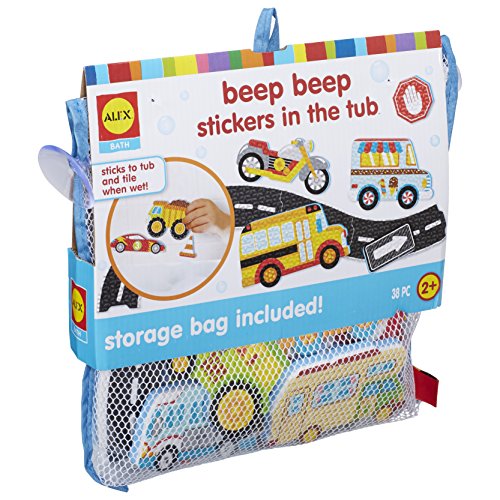


Are you tired of stepping on scattered toys every time you enter your child’s room? Your toy chest or box can be more than just a place to dump toys—it can be a powerful tool to keep your home organized and your child happy.
But what should you really do to toy chests and boxes to make them work best for you and your family? Keep reading, because the simple changes you make today can transform clutter into calm and make cleanup a breeze for both you and your kids.

Credit: www.housebeautiful.com
Choosing Safe Materials
Choosing safe materials for toy chests is essential to protect children from harm. Parents must focus on the quality and safety of the materials used. Safe materials reduce the risk of poisoning, injuries, and allergies. This section discusses key factors in selecting safe toy chests.
Non-toxic Finishes
Non-toxic finishes prevent harmful chemicals from affecting children. Look for water-based paints and finishes that are free from lead and VOCs. These finishes are safe if a child touches or chews the chest. Avoid chests with strong chemical smells. Always check labels for safety certifications.
Sturdy Construction
Sturdy construction ensures the chest lasts longer and stays safe. Choose chests made from solid wood or high-quality plastic. Avoid flimsy or thin materials that can break easily. Strong joints and secure hinges prevent accidents. Test the chest for stability before use.
Rounded Edges
Rounded edges reduce the chance of cuts and bruises. Sharp corners on toy chests can hurt active children. Choose chests with smooth, curved edges for safety. If the chest has sharp edges, add corner guards. This simple step protects kids during playtime.
Organizing Tips
Organizing toy chests and boxes can create a neat and easy-to-use space for children. Keeping toys tidy helps kids find their favorites fast. It also encourages them to clean up after playtime. Simple organizing tips can make a big difference in managing toy storage effectively.
Sorting By Toy Type
Group toys by type before placing them in boxes. Keep similar items like cars, dolls, or puzzles together. Sorting helps children know where to look for each toy. It also prevents mixing up different kinds of toys. This method saves time and keeps the toy chest orderly.
Labeling Boxes
Use clear labels on each box to show what is inside. Write simple words or add pictures for easier recognition. Labels guide children to the right box quickly. This reduces mess and encourages kids to return toys to their places. Labeling also helps parents maintain the system.
Using Dividers
Place dividers inside toy boxes to separate smaller items. Dividers keep toys from getting jumbled together. They create compartments for better organization and space use. Using dividers makes it easier to find toys fast. It also keeps the toy chest looking tidy.
Safety Measures
Safety is the top priority when dealing with toy chests. These storage boxes can pose risks if not handled correctly. Parents must take steps to protect their children from common dangers linked to toy chests. Simple changes can prevent accidents and keep play areas safe.
Avoiding Lid Traps
Lids that slam shut can cause serious injuries. Choose toy chests with soft-close hinges or stay-open lids. These features stop the lid from falling quickly. Teach children never to play with the lid. Always check the lid before opening or closing.
Ventilation For Airflow
Good airflow inside toy chests prevents mold and bad smells. Look for chests with small vents or holes. These allow air to circulate freely. Avoid airtight boxes that trap moisture. Proper ventilation keeps toys fresh and safe for use.
Securing Heavy Chests
Heavy toy chests can tip over and hurt kids. Anchor chests to the wall using safety straps or brackets. Place them on flat, stable surfaces. Keep the chest away from climbing spots. Secure chests reduce the risk of tipping accidents.
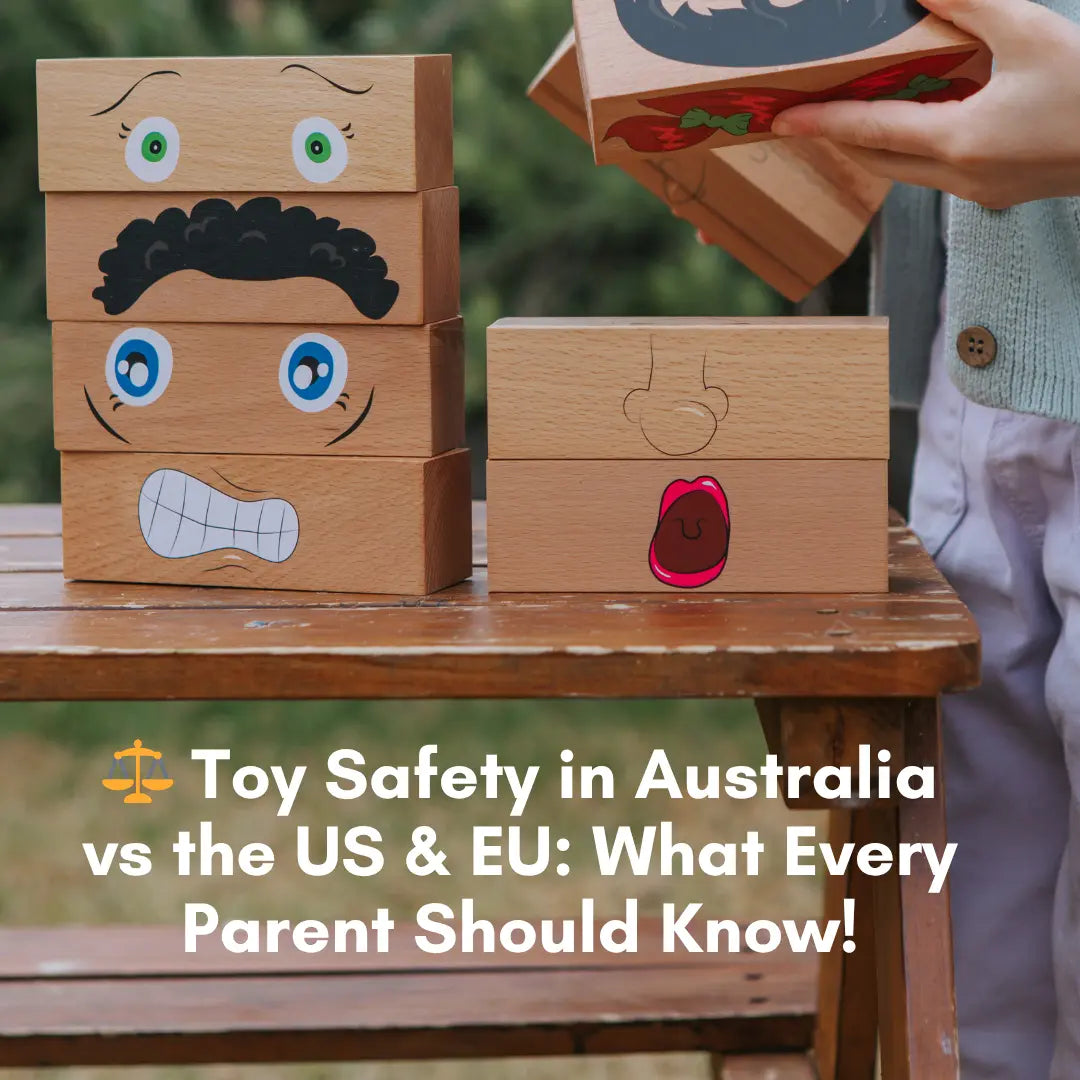
Credit: www.thecuratedparcel.com
Maintenance And Cleaning
Keeping your child’s toy chest clean and well-maintained ensures it stays safe and inviting for playtime. Maintenance and cleaning not only protect the toys inside but also extend the life of the chest itself. Let’s look at simple actions you can take to keep your toy chest in top shape.
Regular Cleaning Schedule
Set a regular time each week to clean the toy chest. Use a damp cloth to wipe down the surfaces and remove dust, dirt, and sticky residues. Don’t forget to clean inside the chest too—crumbs and small debris often collect there unnoticed.
Try using mild soap and water instead of harsh chemicals to keep the finish safe for children. You might find it helpful to line the inside with a washable mat or fabric to catch spills and make cleaning easier.
Inspecting For Damage
Check the toy chest carefully for any signs of damage, like cracks, splinters, or loose hinges. These can cause injuries or worsen over time if left unnoticed. Look closely at handles and corners where wear is most common.
Ask yourself: Is the chest still sturdy enough to hold the weight of toys? If you spot any sharp edges or broken parts, it’s time to act before someone gets hurt.
Repairing Wear And Tear
Small repairs can keep your toy chest safe and functional. Tighten any loose screws and replace broken hinges promptly. Sand down rough or splintered areas to prevent scratches and splinters.
Sometimes a fresh coat of child-safe paint or varnish can restore the chest’s look and add protection. Remember, repairing early saves you from bigger, costlier fixes later on.
Encouraging Kids To Use Toy Chests
Parents can make toy chests fun by letting kids choose and decorate them. Keeping toys organized helps children learn responsibility and enjoy tidier play spaces. Encouraging regular clean-up turns storage into a simple, positive habit.
Encouraging your kids to use toy chests can often feel like a daunting task. However, turning this into an engaging routine can make a world of difference in maintaining a tidy home while fostering responsibility in your little ones. By employing creative strategies, you can transform the cleanup process into a fun and rewarding experience for everyone involved.Making Cleanup Fun
Turning cleanup into a game can work wonders. Challenge your kids to a “race against the clock” where they try to beat their previous cleanup time. You could also create a treasure hunt by hiding small treats in the toy chest, encouraging them to put toys away in search of hidden rewards. Consider playing their favorite music during cleanup time. This can energize and motivate them to move quickly, making the chore feel less like work and more like a dance party. Remember, the goal is to make the process enjoyable, so be open to trying different approaches until you find what clicks.Setting Routine Times
Establish a regular cleanup schedule that fits your family’s lifestyle. Consistency is key, as it helps children understand expectations and develop good habits. You might find that a quick cleanup before bedtime or after school works best for your family. Make sure to clearly communicate these routine times to your kids. Use visual aids like a colorful chart or a simple checklist to remind them of their responsibilities. This not only provides structure but also gives children a sense of control and accomplishment.Reward Systems
Implementing a reward system can provide extra motivation for your kids. Consider setting up a sticker chart where they earn a sticker each time they complete their cleanup tasks. After collecting a certain number of stickers, they could earn a small prize or a special outing. Another idea is to offer extra screen time or a favorite activity as a reward. This gives them something to look forward to and reinforces positive behavior. Always tailor the rewards to your child’s interests, ensuring they remain excited and engaged in the process. Encouraging your kids to use toy chests is about more than just tidying up; it’s about teaching responsibility and making it a fun part of their routine. How will you inspire your kids to love cleanup time?
Credit: www.tyla.com
Frequently Asked Questions
How To Choose Safe Toy Chests For Kids?
Select toy chests with smooth edges and non-toxic finishes. Avoid heavy lids that can cause injury. Opt for chests with ventilation holes to prevent suffocation risks. Prioritize sturdy, child-friendly designs that support safe play and storage.
What Maintenance Do Toy Chests Require?
Regularly clean toy chests with mild soap and water. Check for loose screws or broken parts often. Ensure lids open and close smoothly to avoid accidents. Keep the chest dry to prevent mold and damage.
How To Organize Toys In A Chest Effectively?
Sort toys by type or size before storing. Use smaller bins inside the chest for easy access. Rotate toys regularly to keep children engaged. Label sections to encourage kids to tidy up independently.
Are Toy Chests Safe For Young Children?
Toy chests can be safe if designed with child safety features. Avoid chests with heavy or lockable lids that trap children inside. Always supervise young kids during playtime. Choose chests that comply with safety standards.
Conclusion
Parents play a key role in organizing toy chest boxes safely. Keep toys clean and sort them by size or type. Teach children to put toys back after use. Check the toy chest for sharp edges or loose parts. Use lids that close gently to avoid accidents.
Regularly remove broken or unused toys to save space. This helps keep play areas neat and safe. Simple steps make toy chests more useful and child-friendly. A tidy toy chest creates a happy and calm home environment.