

Have you ever wondered if autistic adults still play with toys? You might think toys are just for kids, but the truth is much more interesting.
For many autistic adults, toys aren’t just playthings—they can be tools for comfort, focus, and even creativity. If you want to understand how toys fit into the lives of autistic adults and why they matter, keep reading. This could change how you see play, adulthood, and autism forever.
Toys And Autism In Adulthood
Many people think toys are only for kids. Adults with autism also use toys in daily life. Toys can help with comfort and focus.
Toys may look different for adults. They include puzzles, fidget tools, or collections. These help in ways beyond just fun.
Common Misconceptions
Some believe autistic adults should stop playing with toys. They think this is childish or odd. This is not true. Many adults find toys helpful and calming.
- Toys are only for children.
- Adults playing with toys is immature.
- Autistic adults do not need sensory tools.
- Toys do not provide any real benefit to adults.
These ideas ignore how toys support mental health and focus. For many autistic adults, toys reduce stress and improve skills.
Role Of Play Beyond Childhood
Play is important at all ages. For autistic adults, play helps in many ways. It can aid learning, socializing, and relaxation.
| Play Type | Benefit |
| Fidget toys | Help focus and reduce anxiety |
| Puzzles | Improve problem-solving skills |
| Creative play (drawing, building) | Boosts self-expression and calm |
| Collecting objects | Provides routine and joy |

Credit: www.reddit.com
Types Of Toys Preferred
Many autistic adults enjoy playing with toys. Their choices often reflect their unique needs and interests. Toys can provide comfort, focus, and joy.
The types of toys preferred vary widely. Some like toys that engage their senses. Others enjoy collecting or building things.
Sensory And Fidget Toys
Sensory and fidget toys help with focus and calm feelings. These toys provide different textures, movements, or sounds.
Many autistic adults use these toys to reduce stress and stay calm. They can also improve attention during tasks.
- Stress balls and squishy toys
- Textured fabric or chewable items
- Fidget spinners and cubes
- Weighted blankets or lap pads
- Light-up or sound-making toys
Collectibles And Models
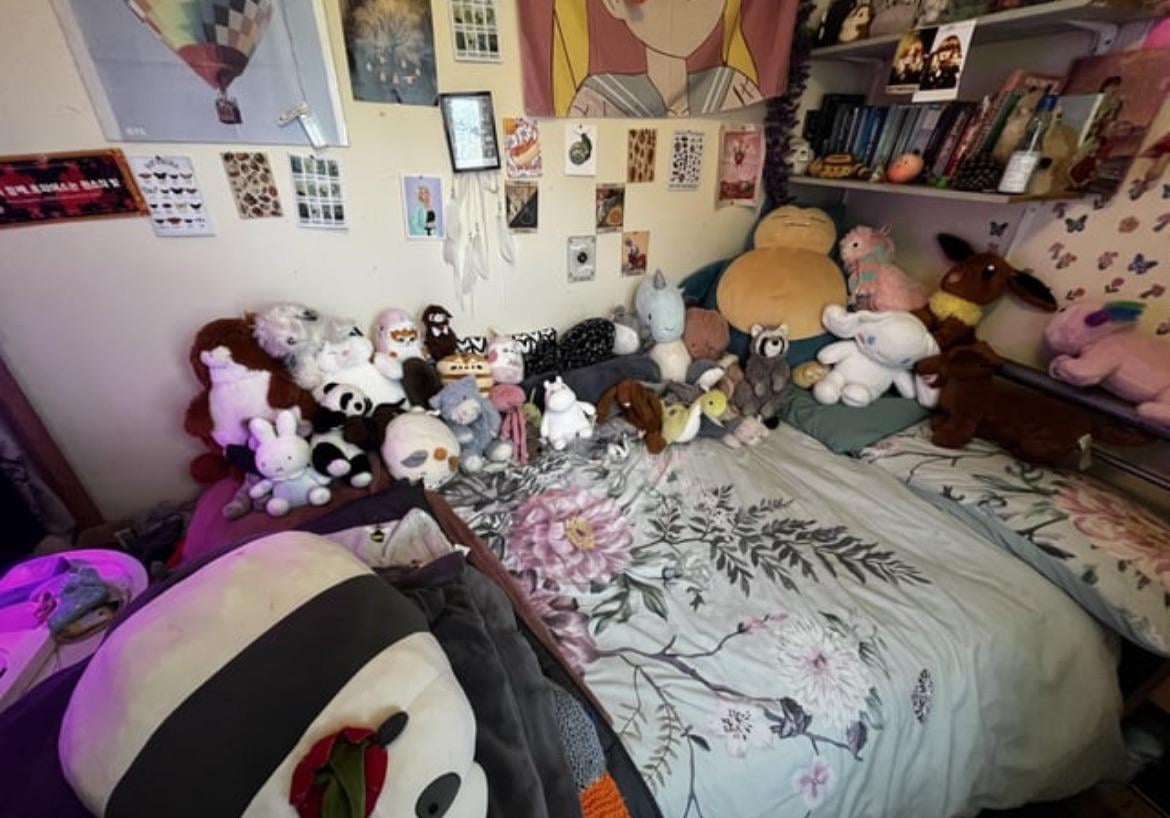
Collecting toys offers a sense of order and accomplishment. Many autistic adults enjoy organizing and displaying their collections.
Models of cars, animals, or characters can be fascinating. They allow for quiet and focused play that matches interests.
- Action figures and dolls
- Model cars, trains, or planes
- Stamps, coins, or card collections
- Figurines from favorite shows
- Miniature building sets
Creative And Constructive Toys
Creative toys encourage imagination and building skills. They help autistic adults express ideas and solve problems.
Constructive toys provide a hands-on experience. They are good for practicing focus and fine motor skills.
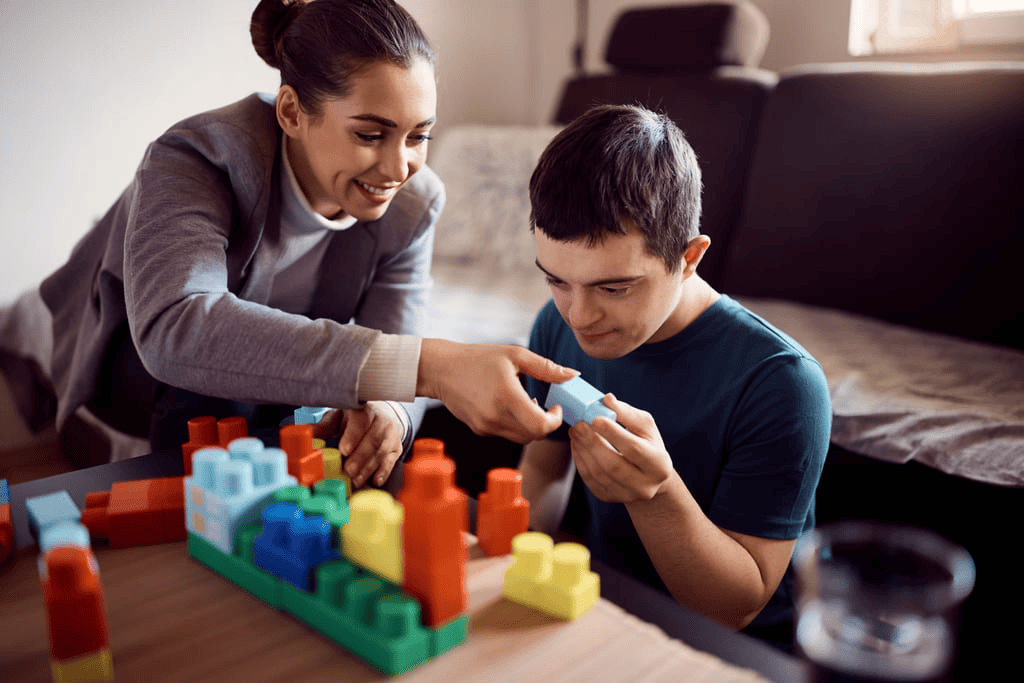
- Building blocks and LEGO sets
- Puzzle games and brain teasers
- Art supplies and craft kits
- Clay or modeling materials
- Magnetic tiles and shapes
Benefits Of Toy Play For Autistic Adults
Toys are not just for children. Many autistic adults enjoy playing with toys too. Toy play can offer many benefits that help improve daily life.
Playing with toys can support mental health, focus, and social skills. It provides a safe and fun way to express feelings and ideas.
Stress Relief And Relaxation
Toys help reduce stress by giving a calming effect. They allow autistic adults to relax and feel more peaceful.
Using sensory toys like stress balls or fidget spinners can lower anxiety and improve mood. This helps with emotional balance.
- Calms the mind during stressful times
- Provides a distraction from worries
- Improves feelings of safety and comfort
Enhancing Focus And Attention
Toy play can help autistic adults focus better. Toys like puzzles or building blocks require concentration and problem solving.
Playing with toys can train the brain to stay on tasks longer. This can improve work or study skills over time.
- Boosts attention span
- Improves hand-eye coordination
- Encourages logical thinking
Encouraging Social Interaction
Toys can help autistic adults connect with others. Group play with toys can create chances for socializing and teamwork.
Sharing toys or playing games can improve communication skills. It also helps build friendships and trust.
- Promotes sharing and cooperation
- Helps practice social rules
- Creates fun opportunities to interact

Credit: i-am-autism.org.uk
How Play Habits Differ
Autistic adults may play with toys, but their play habits often differ from others. These differences come from unique preferences and ways of interacting with the world.
Understanding these habits helps us respect and support their ways of enjoying play. Play is not just for kids; it can bring comfort and joy to adults too.
Individual Preferences
Each autistic adult has unique tastes when it comes to toys and play. Some may prefer certain types of toys, while others may not be interested at all.
Preferences can depend on interests, past experiences, and comfort levels. Toys related to special interests are often very popular.
- Some enjoy building blocks or puzzles
- Others like sensory toys like stress balls
- Some prefer electronic or tech-based toys
- Many may play quietly or alone
Routine And Repetitive Play
Repetition and routine are common in autistic play habits. Playing with the same toy in the same way can bring calm and focus.
Repetitive play helps with learning and managing emotions. It may look different from typical play but is meaningful.
- Repeating actions with toys or objects
- Following a set order while playing
- Using toys to create predictable patterns
- Enjoying familiar play routines daily
Impact Of Sensory Sensitivities
Sensory sensitivities shape how autistic adults interact with toys. Certain textures, sounds, or lights may be pleasant or overwhelming.
Choosing toys that suit sensory needs helps make play more enjoyable. Avoiding unpleasant sensory input is important.
- Soft or smooth textures may feel comforting
- Loud or high-pitched sounds can be upsetting
- Bright or flashing lights might cause discomfort
- Some prefer toys that provide gentle sensory feedback
Incorporating Toys Into Daily Life
Many autistic adults find comfort and joy in playing with toys. Toys can help with relaxation and focus. Including toys in daily routines supports well-being and creativity.
Using toys is not just for children. Adults can enjoy them too. It is important to find ways to add play into everyday life.
Choosing The Right Toys
Select toys that fit personal interests and sensory needs. Some may prefer soft textures, while others like bright colors or moving parts. Toys that calm or stimulate can both be helpful.
Look for toys that are easy to use and safe. Avoid toys that cause frustration or are hard to handle. The right toy feels inviting and fun.
- Sensory toys like fidget spinners or stress balls
- Puzzles and building blocks for focus and problem-solving
- Art supplies for creativity and expression
- Simple electronic toys with lights or sounds
Creating Play-friendly Environments
Set up spaces that encourage play without distractions. A quiet, comfortable area helps with focus and relaxation. Keep toys visible and within reach.
Organize toys neatly to make them easy to find. Use containers or shelves to keep things tidy. A clean space invites more play and less stress.
- Choose a well-lit, calm room or corner
- Use soft seating like cushions or bean bags
- Keep toys organized in labeled bins or shelves
- Limit background noise to reduce distractions
Balancing Play With Responsibilities
Playing with toys is important but should fit with daily tasks. Set specific times for play to keep a good balance. This helps manage work and relaxation well.
Use play as a break to recharge. Short play sessions can improve mood and focus. Plan ahead to enjoy both responsibilities and fun time.
- Schedule play breaks during work or chores
- Use timers to keep playtime balanced
- Include toy time in daily routines
- Recognize when play helps reduce stress
Voices From The Autistic Community
Many adults with autism enjoy playing with toys. Toys can bring comfort and joy. They also help with focus and creativity.
People outside the community often have wrong ideas about autistic adults and toys. Listening to real stories helps us understand better.
Personal Experiences
Some autistic adults say toys are a part of their daily life. They use toys to relax or express themselves. Others collect toys as a hobby.
- “I like fidget toys to calm my mind.”
- “Building blocks help me think clearly.”
- “My action figures remind me of happy memories.”
- “Playing with puzzles improves my problem-solving.”
Challenging Stereotypes
Many people think adults should stop playing with toys. This is not true for everyone. Autistic adults use toys in many positive ways.
| Common Stereotype | Reality from Autistic Voices |
| Toys are only for children | Adults use toys for comfort and focus |
| Autistic adults do not enjoy play | Many find joy and creativity through toys |
| Playing with toys is immature | Toys support mental health and learning |
Credit: catalystgrp.co.uk
Frequently Asked Questions
Do Autistic Adults Enjoy Playing With Toys?
Yes, many autistic adults enjoy playing with toys. Toys can provide comfort, sensory stimulation, and relaxation. Interests vary widely, so preferred toys differ from person to person. Engaging with toys can also support focus and creativity for autistic adults.
What Types Of Toys Do Autistic Adults Prefer?
Autistic adults often prefer sensory toys like fidget spinners, stress balls, or textured objects. Some enjoy puzzles, building blocks, or interactive gadgets. The choice depends on individual sensory needs and interests. Toys that support calming and focus are popular among autistic adults.
Can Playing With Toys Benefit Autistic Adults?
Playing with toys benefits autistic adults by reducing anxiety and improving focus. Toys can enhance fine motor skills and provide sensory input. They also offer a fun way to practice social interaction and communication. Overall, toys support emotional and cognitive well-being.
Is It Common For Autistic Adults To Collect Toys?
Yes, collecting toys is common among autistic adults. Collecting can provide structure, routine, and joy. It may also satisfy special interests or hobbies. This activity often helps with self-expression and stress relief, making it a meaningful pastime.
Conclusion
Toys hold value for autistic adults. They offer comfort and relaxation. These objects can improve focus and creativity. A toy becomes a tool for self-expression. Autistic adults often find joy in play. It supports emotional and sensory needs. Society should respect diverse interests and hobbies.
Encouraging play benefits mental well-being. Toys aren’t just for kids. They’re for everyone, regardless of age. Acceptance of this can enrich lives. Let’s embrace play and its possibilities.