



Have you ever wondered if your bearded dragon enjoys playing with toys? You might think they’re all about basking and eating, but there’s more to these curious reptiles than meets the eye.
Understanding whether your pet likes toys can help you create a happier, more engaging environment for them. Keep reading to discover surprising facts about bearded dragons and how you can enrich their daily life with simple playtime ideas. Your scaly friend might just thank you for it!
Bearded Dragons And Play Behavior
Bearded dragons are popular pet reptiles known for their calm nature. Many owners wonder if these lizards like to play with toys.
Understanding their play behavior helps keep them happy and healthy. Let’s explore how bearded dragons show curiosity and playfulness.
Natural Curiosity In Bearded Dragons
Bearded dragons are naturally curious animals. They explore their surroundings by looking, smelling, and gently biting objects.
This curiosity helps them learn about new things in their environment. Toys can attract their attention if they are safe and interesting.
- They like to watch moving objects
- They use their tongue to explore
- They can climb and dig around toys
Signs Of Playfulness
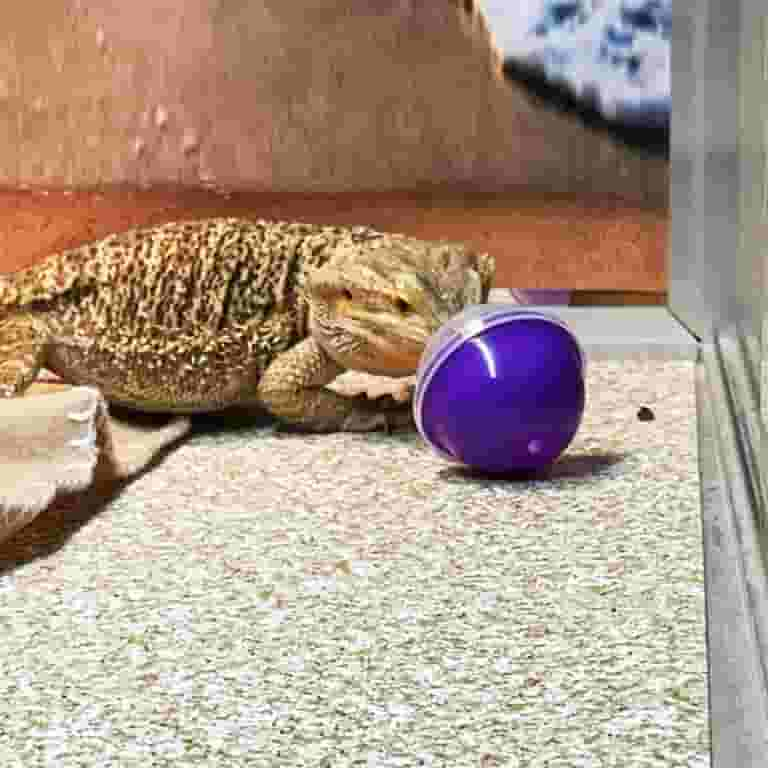
Bearded dragons show playfulness in simple ways. They may chase small objects or push toys with their paws.
Some signs of play include head bobbing, tail waving, or active movement around toys. These behaviors show they are engaged and interested.
- Chasing or nudging small toys
- Climbing on or inside objects
- Moving quickly when interested
- Changing color slightly when excited
Types Of Toys Bearded Dragons Enjoy
Bearded dragons are curious reptiles. They like to explore and interact with objects in their environment. Toys can help keep them active and happy.
Different toys suit different bearded dragons. Some like to climb, others enjoy playing with objects. Knowing which toys they like helps their well-being.
Interactive Toys
Interactive toys encourage bearded dragons to move and think. These toys stimulate their natural hunting and exploring instincts.
Examples include small balls, rolling toys, or objects that move slightly. These toys invite the lizard to push or chase them.
- Small lightweight balls
- Rolling toys with safe materials
- Objects that can be nudged or pushed
Climbing Structures
Bearded dragons love to climb. Climbing structures help them exercise and feel secure by being off the ground.
Safe branches, rocks, and platforms make great climbing toys. These also add variety to their enclosure.
- Wooden branches or logs
- Stacked rocks or ledges
- Commercial reptile climbing platforms
Safe Objects For Exploration
Bearded dragons enjoy exploring new objects. Safe toys let them use their sense of touch and smell.
Items like smooth stones, safe plants, or textured surfaces encourage natural curiosity without risk.
- Smooth, clean stones
- Non-toxic plants or leaves
- Textured surfaces like reptile mats
Benefits Of Toys For Bearded Dragons
Bearded dragons enjoy interacting with toys in their environment. Toys help keep them active and happy. Providing toys can improve their health and mood.
Toys can bring many benefits to your bearded dragon. They support physical activity and mental growth. Toys can also reduce stress in your pet.
Physical Exercise
Toys encourage bearded dragons to move around more. This exercise helps keep their muscles strong. Moving regularly also supports good digestion and overall health.
Active play lowers the risk of obesity and related problems. Simple toys like climbing branches or balls can increase their activity.
- Improves muscle strength
- Boosts digestion and metabolism
- Prevents weight gain
- Enhances overall fitness
Mental Stimulation
Toys give bearded dragons new things to explore. This keeps their brains active and healthy. Mental challenges help prevent boredom and frustration.
Interactive toys or puzzles can teach your pet to solve problems. This stimulation supports natural behaviors and curiosity.
- Encourages natural hunting instincts
- Reduces boredom and loneliness
- Supports brain development
- Improves focus and alertness
Reducing Stress
Toys can help lower stress levels in bearded dragons. Stress can cause health issues and behavior problems. Toys provide comfort and distraction.
Having safe items to explore helps your pet feel secure. Regular play with toys creates a calm and happy environment.
- Provides comfort and security
- Distracts from stress triggers
- Promotes calm behavior
- Supports emotional well-being

Credit: www.walmart.com
How To Introduce Toys To Your Bearded Dragon
Bearded dragons can enjoy toys just like pets. Toys help them stay active and curious.
Introducing toys slowly lets your dragon get used to new things safely.
Choosing The Right Toys
Pick toys that are safe and fit your bearded dragon’s size. Avoid small parts they can swallow.
- Soft balls made for reptiles
- Branches or climbing structures
- Mirrors to catch their attention
- Ramps and hideouts
Encouraging Interaction
Let your bearded dragon explore toys on its own time. Use gentle touches to guide their interest.
- Place toys in different parts of the tank.
- Show the toy by moving it slowly.
- Reward your dragon with treats near the toy.
- Watch for signs of curiosity or play.
Monitoring Safety
Keep an eye on your bearded dragon while playing. Check toys often for damage or dirt.
| Safety Tip | What to Do |
| Broken toys | Remove immediately to avoid choking |
| Sharp edges | Smooth or replace toys |
| Dirty toys | Clean with warm water regularly |
| Stress signs | Remove toys if your dragon seems scared |
Common Misconceptions About Bearded Dragons And Toys
Many people wonder if bearded dragons like to play with toys. There are some common misunderstandings about their needs. Knowing the facts helps keep these reptiles happy and healthy.
This article clears up false ideas about toys and what bearded dragons really need for enrichment.
Toys As Enrichment Vs. Necessity
Bearded dragons do not require toys to live well. They enjoy exploring and interacting with their environment, but toys are not a must-have. Toys can add variety but are not the main source of enrichment.
- Toys can provide stimulation but are not essential.
- Natural items like rocks and branches offer better enrichment.
- Bearded dragons prefer things they can climb or hide under.
- Simple environmental changes often work better than new toys.
Behavioral Expectations
People often expect bearded dragons to play like dogs or cats. This is not true. Their behavior focuses more on exploration and basking. Understanding this helps set the right expectations.
| Behavior | What to Expect |
| Playing with toys | Rare or uninterested |
| Climbing | Very common and enjoyable |
| Burrowing or hiding | Natural and frequent |
| Basking | Essential daily activity |

Credit: dragonsdiet.com

Credit: www.reddit.com
Frequently Asked Questions
Do Bearded Dragons Enjoy Playing With Toys?
Yes, bearded dragons can enjoy toys that stimulate their curiosity. Toys help with mental engagement and physical activity.
What Types Of Toys Do Bearded Dragons Like?
Bearded dragons prefer safe, non-toxic toys like balls, climbing branches, and tunnels. They enjoy objects they can explore or climb.
How Do Toys Benefit Bearded Dragons?
Toys reduce boredom, encourage exercise, and improve mental health. They also mimic natural behaviors, keeping dragons active and happy.
Can Toys Cause Harm To Bearded Dragons?
Toys should be safe and free of sharp edges. Avoid small parts that can be swallowed or toxic materials to prevent harm.
Conclusion
Toys can enrich a bearded dragon’s life. They offer mental stimulation and fun. Simple items like balls or tunnels work well. Every dragon has unique preferences. Observe your pet’s reactions to different toys. Playtime strengthens the bond between you and your dragon.
Always supervise play to ensure safety. Experiment with various toys to find favorites. Engaging play can improve your dragon’s well-being. Keep activities varied to maintain interest. Remember, a happy dragon is a healthy dragon. Enjoy exploring new playtime adventures together.