


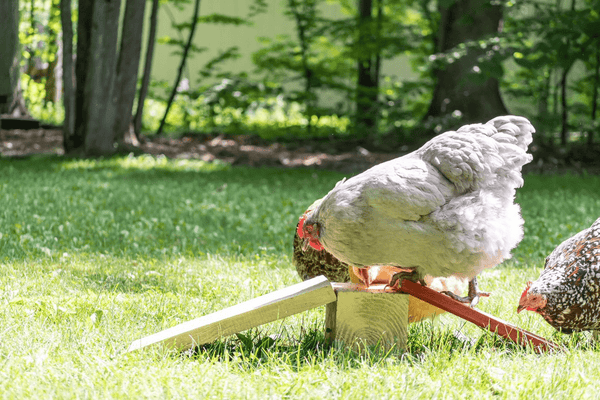
Have you ever wondered if your chickens get bored? Just like you, chickens need ways to stay entertained and happy.
But do they really need toys to play with? If you want to keep your flock healthy and lively, understanding their play needs is key. You’ll discover why toys might be more important than you think and how they can make a big difference in your chickens’ daily life.
Keep reading to find out how simple changes can bring joy and energy to your feathered friends!

Credit: moreleafymoments.com
Chickens And Play Behavior
Chickens are more than just farm animals. They show many behaviors that look like play.
Understanding their play helps us provide better care and enrich their lives.
Signs Of Playfulness In Chickens
Chickens show play by running, chasing, or even tossing objects. They may flap their wings or jump around excitedly.
- Running and darting suddenly
- Pecking or tossing small items
- Flapping wings without flying
- Chasing other chickens gently
- Exploring new objects or spaces
Natural Instincts And Curiosity
Chickens explore their world to satisfy natural curiosity. Their instincts push them to peck, scratch, and investigate.
| Instinct | Behavior | Purpose |
| Foraging | Scratching ground | Find food |
| Exploration | Pecking objects | Learn environment |
| Social | Chasing or following | Establish pecking order |
| Play | Running and wing flapping | Exercise and fun |
Credit: www.chickencoopcompany.com
Types Of Toys For Chickens
Chickens enjoy toys that keep them active and curious. Toys help reduce boredom and promote natural behaviors.
Choosing the right toys can improve your chickens’ happiness and health. There are many safe and fun options to try.
Safe And Engaging Options
Safe toys encourage chickens to peck, scratch, and explore. These toys must be made from non-toxic materials and be easy to clean.
- Hanging treat dispensers that make chickens work for food
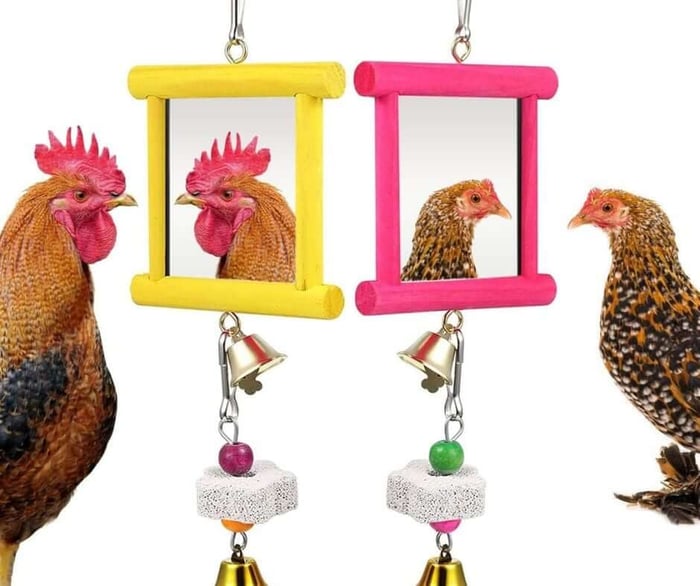
- Mirrors that catch their attention and stimulate curiosity
- Pecking blocks made from safe minerals or wood
- Small balls or lightweight objects to push around
- Perches with different shapes to climb on and rest
Diy Toys For Backyard Flocks
Making toys at home saves money and allows customization. Use simple materials to create fun and safe playthings.
| Toy | Materials Needed | How It Works |
| Treat Ball | Plastic ball with holes, treats | Roll the ball to release treats |
| Pecking Board | Wood board, seeds glued on | Peck seeds off for a snack |
| Hanging Cabbage | Cabbage, string | Peck leaves as a fresh treat |
| Cardboard Boxes | Empty boxes | Scratch and hide inside |
| DIY Swing | Wood plank, rope | Balance and perch on swing |
Benefits Of Toys For Chickens
Toys help chickens stay happy and healthy. They keep chickens busy and interested in their environment. Providing toys can improve their quality of life.
Chickens are smart animals. They enjoy exploring and playing with new objects. Toys add fun to their daily routine.
Mental Stimulation And Enrichment
Toys challenge chickens’ minds. They encourage natural behaviors like pecking and scratching. Mental activity stops chickens from getting bored.
- Toys can hide treats to find
- Mirrors or shiny objects catch their attention
- Swings and ladders add new experiences
Physical Health And Activity
Toys make chickens move more. Exercise helps keep their muscles strong and bones healthy. Active chickens have better overall health.
| Type of Toy | How It Helps |
| Perches and ladders | Encourage climbing and balance |
| Pecking blocks | Promote pecking and movement |
| Swings | Stimulate gentle exercise and fun |
Reducing Stress And Boredom
Toys help chickens feel calm. They reduce aggression and nervous behavior. A happy chicken is less likely to harm itself or others.
Common signs of stress in chickens include:
- Feather pecking
- Excessive noise
- Restlessness
- Loss of appetite
Providing toys can lower these behaviors by keeping chickens busy and relaxed.

Credit: www.amazon.com
How To Introduce Toys To Your Flock
Adding toys to your chicken coop can keep your birds busy and happy. Toys also help reduce boredom and bad habits. It is important to introduce toys the right way to avoid stress.
Introducing toys slowly helps chickens accept them better. Watch how your flock reacts and adjust as needed. Let’s look at some best practices.
Best Practices For Introduction
Start by choosing safe and simple toys. Place toys where chickens can easily reach them. Avoid putting too many toys all at once. Introduce one toy at a time to see how they react.
- Use toys made from natural or non-toxic materials
- Place toys on the ground or low perches
- Offer toys during active parts of the day
- Rotate toys every few days to keep interest
- Watch for signs of fear or aggression
Monitoring Chicken Interaction
Watch how your chickens use the toys. Check if they are playing or ignoring them. Look for any pecking fights or damage to the toys. Safe play means all birds get a turn.
| Behavior | What to Do |
| Chickens ignore toys | Try different toy types or move toys to new spots |
| One chicken dominates toy | Add more toys to reduce competition |
| Chickens peck aggressively | Remove toy and reintroduce later gently |
| All chickens play calmly | Keep toys and rotate often |
Common Mistakes To Avoid
Giving toys to chickens can keep them busy and happy. But some mistakes can harm their health or cause stress. It is important to know what to avoid.
This guide covers unsafe toys and materials, plus problems caused by overcrowding and sharing toys.
Unsafe Toys And Materials
Not all toys are safe for chickens. Some materials can hurt their beaks or feet. Others may be toxic if chewed or swallowed.
- Toys with sharp edges can cut chickens.
- Plastic items may break into small pieces and cause choking.
- Paints or dyes on toys might be poisonous.
- Strings or ribbons can tangle and trap chickens.
- Metal toys can rust and cause infections.
Overcrowding And Toy Sharing Issues
Too many chickens and too few toys lead to fights and stress. Sharing toys may cause bullying or injuries.
| Problem | Effect on Chickens |
|---|---|
| Overcrowding | Stress and increased fighting |
| Too few toys | Competition and aggression |
| Sharing toys | Bullying and injury risks |
| Ignoring toy condition | Broken toys cause harm |
Signs Your Chickens Enjoy Their Toys
Chickens need fun activities to stay happy and healthy. Toys can help keep them busy and active.
Watch your chickens closely to see if they like the toys you give them. Their behavior will show if the toys are fun.
Positive Behavioral Changes
When chickens enjoy toys, their behavior changes for the better. They may stop pecking at each other or acting bored.
- Less aggression towards other chickens
- More calm and relaxed actions
- Increased curiosity and exploration
- Improved social interactions
Increased Engagement And Activity
Chickens that like their toys spend more time playing and moving around. They stay active and healthy.
| Activity | Signs of Enjoyment |
| Pecking | Repeated pecking at toy with interest |
| Climbing | Using toys to climb or balance |
| Scratching | Scratching near or under toys |
| Following | Chasing or following moving toys |
| Vocalizing | Happy clucking while near toys |
Frequently Asked Questions
Do Chickens Benefit From Having Toys?
Yes, chickens benefit from having toys. Toys provide mental stimulation and prevent boredom. Engaging toys can improve their overall well-being and reduce stress. Chickens are intelligent animals that enjoy pecking and exploring. Providing toys encourages natural behaviors like foraging and helps maintain a healthy, active lifestyle.
What Types Of Toys Do Chickens Like?
Chickens enjoy a variety of toys. Hanging treats, mirrors, and colorful objects are popular. Toys that promote pecking and scratching are ideal. Additionally, they love items that mimic natural foraging activities. Providing diverse toys ensures chickens remain entertained and mentally stimulated, reducing the likelihood of negative behaviors.
How Often Should I Change Chicken Toys?
Changing chicken toys every few weeks is recommended. Regular rotation keeps their environment stimulating and prevents boredom. It also encourages exploration and curiosity. By introducing new toys or rearranging existing ones, you maintain their interest and contribute to their mental and physical well-being.
Can Toys Help Reduce Chicken Stress?
Yes, toys can help reduce chicken stress. Engaging toys provide mental stimulation and encourage natural behaviors. This reduces anxiety and promotes relaxation. By offering varied toys, chickens can stay entertained and less prone to stress-related behaviors, resulting in a happier and healthier flock.
Conclusion
Chickens enjoy toys because they stay active and curious. Toys help reduce boredom and stress in chickens. Happy chickens lay better eggs and stay healthier. Simple items like balls or mirrors can be great toys. Providing toys shows care for your chickens’ well-being.
Keep toys safe and clean to avoid problems. Watch your chickens to see which toys they like. Giving toys makes chicken keeping more fun for everyone. Try adding toys and see the positive changes yourself.