



Have you ever wondered if wolves, those fierce and wild creatures, actually play with toys? It might sound surprising, but just like your pet dog, wolves have their own way of having fun.
Understanding how wolves play can change the way you see these amazing animals. Keep reading, and you’ll discover fascinating facts that will make you look at wolves in a whole new light. Your curiosity is about to be rewarded!

Credit: medium.com
Wolves And Play Behavior
Wolves are wild animals known for their strong social bonds. Play is an important part of life in a wolf pack. It helps build relationships and skills.
Young and adult wolves both take part in play. They use play to practice hunting and learn how to work with others.
Play In Wolf Packs
Play in wolf packs often looks like wrestling and chasing. Wolves use play to test their strength and speed. This helps them prepare for real fights or hunts.
- Chasing each other around the pack
- Wrestling and gentle biting
- Mock fighting without hurting
- Playing with sticks or bones found nearby
Types Of Play Activities
Wolves play in different ways depending on their age and role. Puppies play more than adults. They often use toys like sticks or bones. Adults play to keep skills sharp and stay close to pack members.
| Type of Play | Description | Purpose |
| Social Play | Wrestling and chasing within the pack | Build bonds and practice cooperation |
| Object Play | Playing with sticks, bones, or other found items | Develop hunting and handling skills |
| Exploratory Play | Investigating new objects or areas | Learn about environment and dangers |
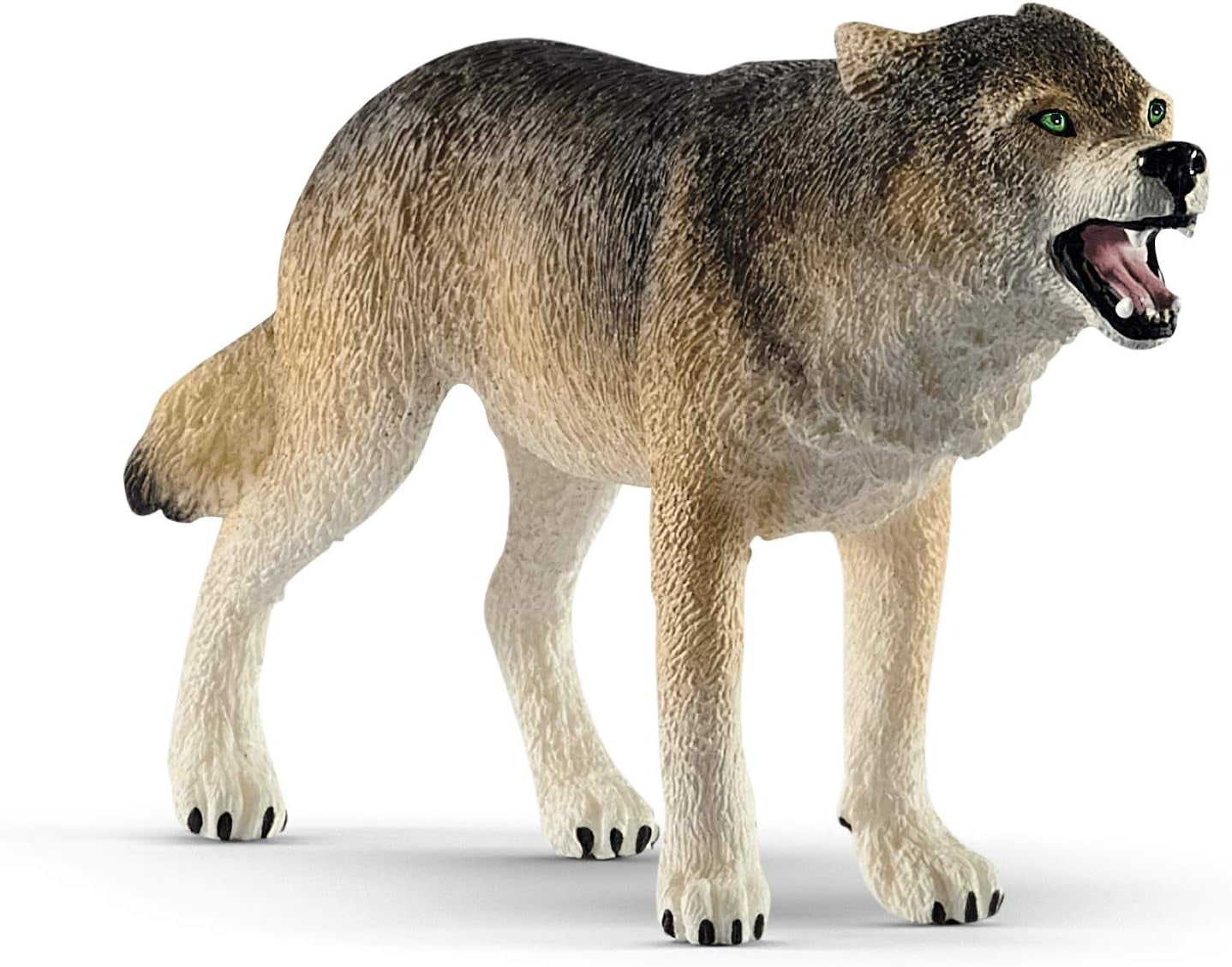
Credit: www.walmart.com
Evidence Of Wolves Using Toys
Wolves are wild animals known for their strength and hunting skills. Many wonder if wolves play with toys like domestic dogs do. Scientists have studied wolf behavior to find out if they use objects for play.
This article explores evidence of wolves using toys. It looks at what researchers have seen in the wild and in captivity.
Observations In The Wild
Wild wolves sometimes interact with natural objects like sticks or bones. They may carry these items in their mouths or toss them around. These actions suggest play, not just practical use.
Scientists have watched wolf pups chase and bite fallen branches. This behavior helps pups practice hunting skills. It also shows wolves use objects for fun and learning.
- Young wolves play with sticks and bones
- Wolves chase natural objects as part of play
- Playing helps develop hunting and social skills
Captive Wolves And Play Objects
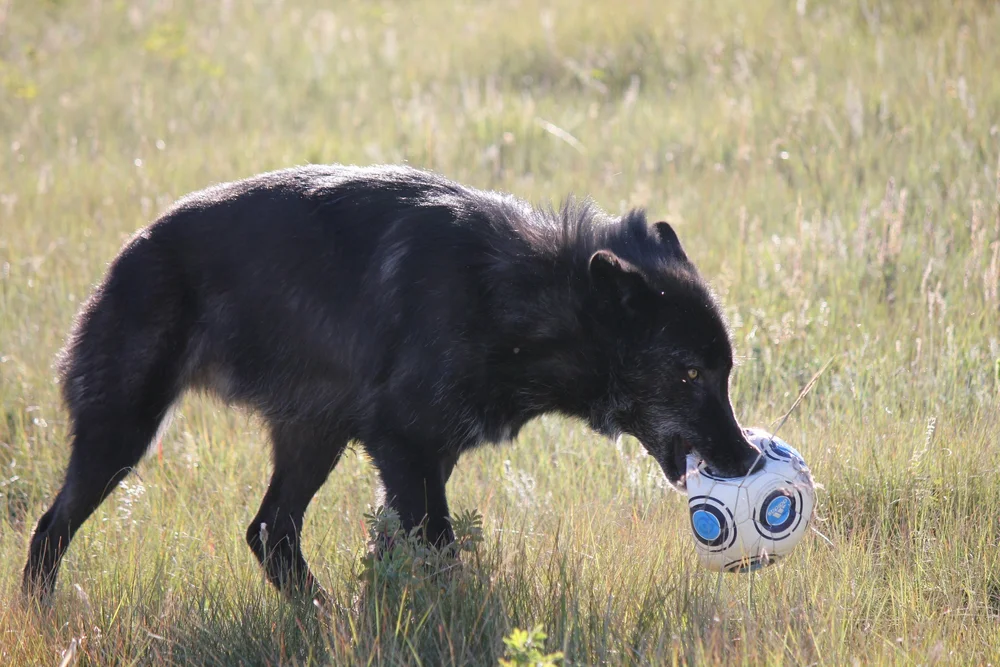
In captivity, wolves often get toys from caretakers. These include balls, ropes, and other safe objects. Wolves use these toys to play alone or with pack members.
Studies show captive wolves enjoy chewing and tossing toys. This keeps them active and mentally sharp. Playing with toys also reduces stress in captive wolves.
- Wolves play with balls, ropes, and chew toys
- Playing keeps captive wolves active and healthy
- Toys help reduce boredom and stress
Purpose Of Play In Wolves
Play is an important part of a wolf’s life. It helps young wolves learn and grow. Wolves also use play to build strong groups.
Understanding why wolves play shows how they survive and work together in the wild.
Social Bonding
Wolves play to create strong bonds with other pack members. Play helps reduce tension and builds trust. It makes the pack work better as a team.
- Play fights help wolves learn limits and respect.
- Chasing games increase connection between siblings.
- Playing with toys or objects can be a group activity.
- Social play keeps the pack peaceful and united.
Skill Development
Play helps wolves practice skills needed to hunt and survive. Young wolves learn how to chase, grab, and wrestle. These skills grow stronger through play.
| Skill | How Play Helps |
| Hunting | Chasing and pouncing on toys or packmates |
| Defense | Play fighting teaches how to protect themselves |
| Coordination | Running and jumping improve balance and speed |
| Communication | Body language and signals during play |
Comparing Wolves To Domestic Dogs
Wolves and domestic dogs share a common ancestor. Both animals play, but their play styles differ a lot.
Understanding how wolves and dogs play helps us learn more about their behavior. Toys are a big part of this.
Play Preferences
Wolves prefer rough and physical play that mimics hunting. They enjoy chasing and wrestling with pack members.
Dogs often like gentler play. They enjoy fetch, tug-of-war, and playing with humans. Their play is less about survival.
- Wolves use play to practice hunting skills.
- Dogs play to bond with humans and other dogs.
- Wolf play is more intense and competitive.
- Dog play is usually more relaxed and social.
Toy Interaction Differences
Wolves rarely use toys like dogs do. They may chew on bones or sticks but do not seek toys for fun.
Dogs enjoy many types of toys. They like soft toys, balls, and ropes. Toys help keep dogs active and happy.
- Wolves focus on natural objects, not manufactured toys.
- Dogs enjoy toys that humans provide for play.
- Dogs use toys to interact with people and other dogs.
- Wolves’ toy use is limited to survival needs, like bones.
How Environment Influences Play
Wolves show different play behaviors depending on where they live. Their environment shapes how and what they play with.
Both natural surroundings and human presence affect wolves’ interest in toys and play activities. Understanding this helps us learn about their habits.
Natural Habitat Impact
Wolves in the wild use play to build skills for hunting and social life. Their natural habitat offers objects like sticks and stones as toys.
- Forest wolves often play with branches and leaves.
- Tundra wolves might use bones or ice as play items.
- Mountain wolves find rocks and snow useful for play.
Human Influence On Play Behavior
Wolves near humans show different play patterns. They may use man-made toys or objects found around homes.
| Environment | Common Play Items | Play Behavior |
| Wild | Sticks, stones, bones | Skill-building, social bonding |
| Near Humans | Toys, garbage, ropes | Curious, exploratory, sometimes cautious |

Credit: www.reddit.com
Popular Toys For Captive Wolves
Captive wolves need toys to stay healthy and happy. Toys help them use their natural skills.
Toys provide fun and keep wolves active in zoos or sanctuaries. They also reduce stress.
Types Of Enrichment Toys
Different toys help wolves explore, hunt, and chew. Each toy type meets a special need.
- Chew toys:Made from tough rubber or bone, these help keep teeth strong.
- Puzzle feeders:Challenge wolves to find food inside a toy.
- Balls and ropes:Encourage play and exercise.
- Scent toys:Carry smells to stimulate a wolf’s nose and curiosity.
- Frozen treats:Offer cold food inside ice, good for hot days.
Benefits Of Toy Interaction
| Benefit | Description |
| Physical exercise | Wolves stay fit by chasing and biting toys. |
| Mental stimulation | Puzzles and scents keep their minds sharp. |
| Stress relief | Toys reduce boredom and anxiety. |
| Natural behaviors | Encourages hunting, chewing, and exploring. |
| Social interaction | Some toys promote play with other wolves. |
Frequently Asked Questions
Do Wolves Enjoy Playing With Toys Like Dogs?
Wolves do engage in play, but they rarely use toys like dogs. Their play focuses more on social interaction and practicing hunting skills.
What Types Of Objects Do Wolves Play With In The Wild?
Wolves often play with sticks, bones, and natural objects. These items help them develop coordination and strengthen pack bonds through playful behavior.
How Does Play Benefit Wolves In Their Natural Habitat?
Play improves wolves’ physical abilities and social skills. It prepares them for hunting and maintaining hierarchy within the pack, essential for survival.
Can Captive Wolves Develop Toy-playing Habits?
Yes, captive wolves sometimes play with toys provided by caretakers. These toys help reduce boredom and encourage mental and physical stimulation.
Conclusion
Wolves do play with toys, but not like pets do. They use sticks, bones, or stones to explore and have fun. Play helps them learn skills and bond with their pack. Watching wolves play shows their intelligence and social nature.
Toys are simple, natural objects from their environment. This behavior reminds us that animals enjoy play, too. It makes them stronger and happier. Understanding this helps us appreciate wolves more. Play is a key part of their wild lives.