
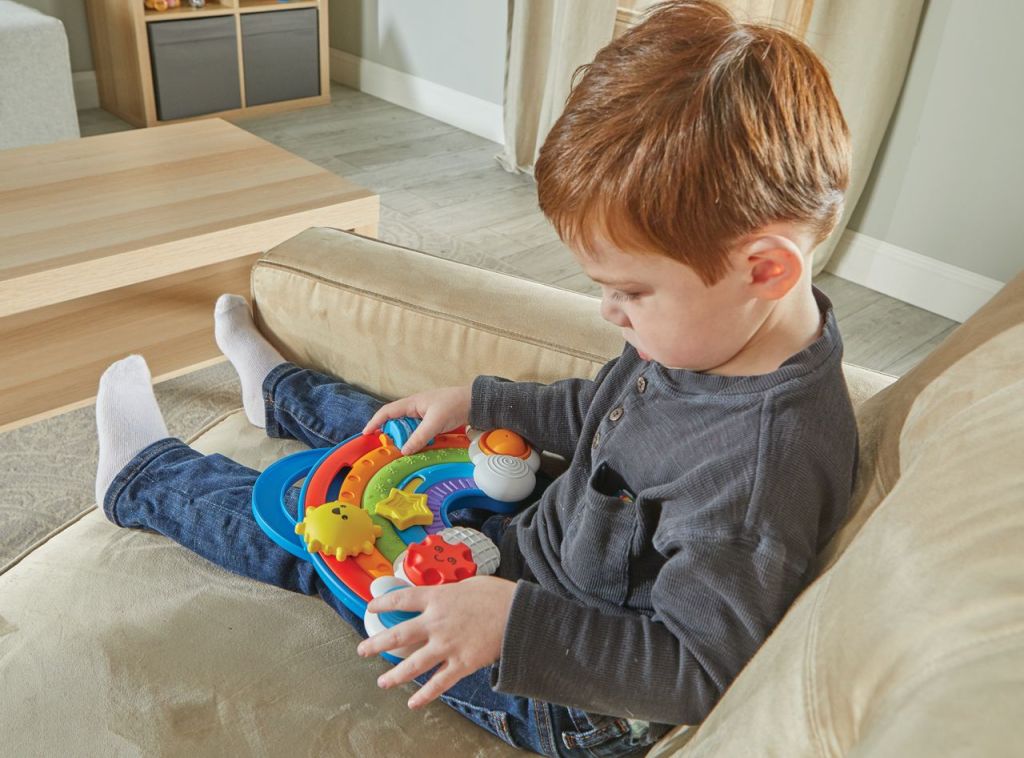
Have you ever wondered why children are so drawn to toys? It’s not just about fun and games—playing with toys plays a big role in your child’s growth.
When your child picks up a toy, they’re doing more than just passing time. They’re learning important skills that shape their mind, body, and emotions. If you want to see how simple play can boost your child’s development, keep reading.
You’ll discover surprising ways toys help your child learn, grow, and thrive every day.

Credit: apexot.com
Cognitive Growth Through Play
Playing with toys helps children learn and grow mentally. Play makes thinking skills stronger and improves brain function.
Through play, kids explore new ideas and solve problems. This builds a strong foundation for their future learning.
Boosting Problem-solving Skills
Toys encourage children to find answers on their own. They learn to think step-by-step to solve puzzles or build things.
Playing with blocks or simple games helps kids practice making decisions and testing ideas.
- Figuring out how pieces fit together
- Trying different ways to reach a goal
- Learning from mistakes and trying again
Enhancing Memory And Attention
Toys that require focus help children improve their attention span. Remembering rules or steps boosts memory skills.
Games that ask kids to recall patterns or sequences train their brain to hold and use information better.
- Following instructions in a game
- Remembering where pieces belong
- Watching closely to spot changes
Stimulating Creativity And Imagination
Toys let children create stories and new worlds in their minds. This play sparks imagination and creative thinking.
Using dolls, art supplies, or building sets, kids explore ideas and express themselves in unique ways.
- Inventing characters and stories
- Designing new shapes or patterns
- Mixing colors and materials freely
Emotional Development Benefits
Playing with toys helps children grow emotionally. It gives them chances to explore their feelings.
Toys create safe spaces for children to express emotions and learn important skills.
Building Self-confidence
Toys allow children to try new things on their own. This helps them feel proud of their skills.
When kids succeed in play, they build trust in their abilities. This boosts self-confidence.
Expressing Feelings Safely
Toys help children show their feelings without fear. They can act out emotions with dolls or figures.
This kind of play teaches kids how to talk about feelings in real life.
Learning Patience And Resilience
Playing with toys often needs waiting and trying again. Children learn to be patient and not give up.
This practice helps them cope with challenges and bounce back from failures.
Social Skills Building
Playing with toys helps children learn how to interact with others. It supports their social growth and confidence.
Through play, kids practice sharing, talking, and understanding feelings. These skills are key for making friends.
Encouraging Cooperation And Sharing
Toys often require children to take turns and work together. This builds cooperation and sharing habits early on.
- Taking turns with a toy teaches patience.
- Playing in groups helps children solve problems together.
- Sharing toys creates trust and kindness among peers.
Improving Communication Abilities
When kids play, they often talk about their toys and stories. This improves their speaking and listening skills.
| Communication Skill | How Toys Help |
| Vocabulary | Describing toys and actions builds new words. |
| Listening | Understanding others’ play ideas improves focus. |
| Expressing Feelings | Talking about play helps share emotions clearly. |
Understanding Empathy And Perspective
Playing with toys lets children imagine how others feel. This helps them understand different points of view.
Here are ways toys support empathy:
- Role-playing shows how others think and feel.
- Sharing toys shows care for friends’ happiness.
- Solving conflicts during play teaches respect.
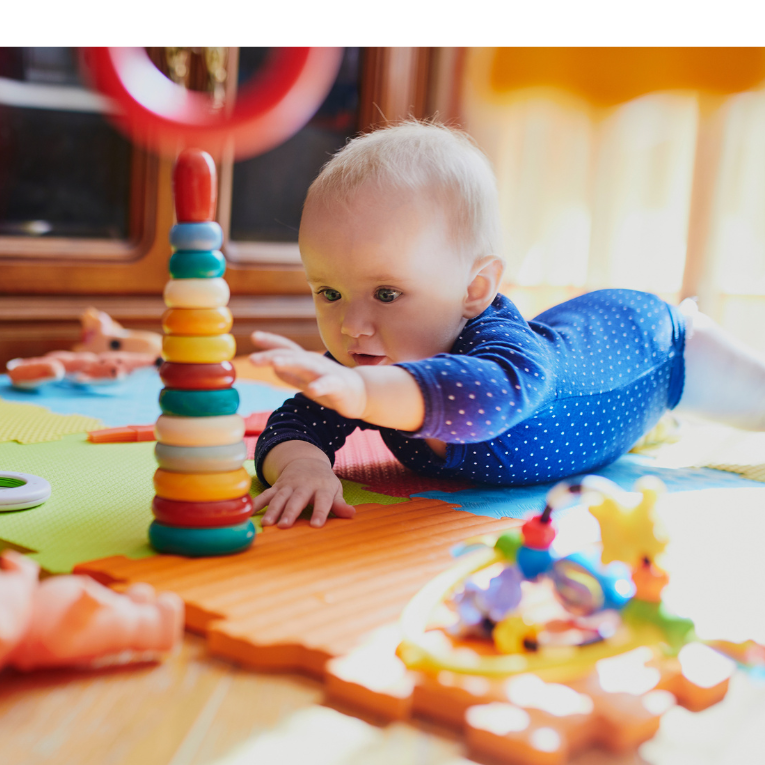
Credit: www.ucdbabylab.com
Physical Coordination And Motor Skills
Playing with toys helps children develop important physical skills. These skills are key for daily tasks and overall growth.
Through play, children improve control over their bodies and learn to move with purpose and balance.
Developing Fine Motor Skills
Fine motor skills involve small movements using the hands and fingers. Toys like puzzles, blocks, and drawing tools help children practice these skills.
- Picking up small objects
- Stacking blocks
- Using crayons or markers
- Buttoning and zipping clothes
Enhancing Gross Motor Abilities
Gross motor skills use large muscle groups for activities like running, jumping, and climbing. Toys such as balls, tricycles, and climbing frames support these skills.
| Activity | Skill Developed |
| Kicking a ball | Leg strength and balance |
| Riding a tricycle | Coordination and steering |
| Climbing playground | Muscle control and confidence |
Promoting Hand-eye Coordination
Hand-eye coordination is the ability to use the eyes and hands together smoothly. Toys that require aiming, catching, or building help develop this skill.
- Throwing and catching balls
- Stacking rings or blocks
- Building with toy bricks
- Playing with shape sorters
Choosing The Right Toys
Playing with toys plays a key role in child development. The right toys help kids learn new skills and stay active. Choosing toys carefully supports growth in many areas.
Selecting toys that match a child’s age and interests makes playtime fun and safe. Let’s look at how to pick the best toys for children.
Age-appropriate Toy Selection
Choosing toys that fit a child’s age keeps them safe and engaged. Toys too hard or too easy can cause frustration or boredom. Age recommendations on packaging guide you well.
- For babies, soft and colorful toys help develop senses.
- Toddlers enjoy toys that improve motor skills, like blocks.
- Preschoolers benefit from puzzles and simple games.
- Older children like toys that challenge their thinking and creativity.
Stimulating Educational Toys
Educational toys support learning in fun ways. They teach letters, numbers, shapes, and problem-solving. These toys encourage kids to think and explore new ideas.
| Toy Type | Skills Developed | Examples |
| Building Blocks | Fine motor, creativity | Wooden blocks, LEGO sets |
| Puzzles | Problem-solving, patience | Jigsaw puzzles, shape sorters |
| Books | Language, imagination | Picture books, alphabet books |
| Science Kits | Curiosity, logic | Simple experiments, nature kits |
Balancing Screen Time And Physical Play
Playing with toys helps balance screen time with active play. Kids need movement and social interaction for healthy growth. Limit screen hours and encourage outdoor or hands-on activities.
- Set a daily limit on screens for games or videos.
- Offer toys that promote running, jumping, and coordination.
- Encourage group play with friends or family.
- Use screen time as a reward after physical play.

Credit: connetixtiles.com
Frequently Asked Questions
How Do Toys Improve A Child’s Cognitive Skills?
Playing with toys stimulates thinking and problem-solving abilities. It enhances memory, attention, and creativity by encouraging exploration and learning through play.
What Role Do Toys Play In Emotional Development?
Toys help children express feelings and build empathy. They provide comfort and support emotional regulation during playtime and social interactions.
Can Playing With Toys Boost A Child’s Social Skills?
Yes, toys encourage sharing, cooperation, and communication. Group play with toys helps children develop teamwork and conflict-resolution skills.
How Do Toys Support Physical Development In Children?
Manipulating toys improves fine and gross motor skills. Active play with toys promotes coordination, strength, and overall physical health.
Conclusion
Playing with toys boosts a child’s development in many ways. It enhances creativity and problem-solving skills. Social skills grow through shared play experiences. Fine motor skills improve with hands-on activities. Toys encourage imagination and storytelling. Emotional expression becomes easier during play.
Cognitive development gets a strong foundation. Kids learn to navigate and understand the world. Parents see growth through simple play. It’s more than just fun. Toys are essential tools for learning. A child’s development thrives with playful exploration.