






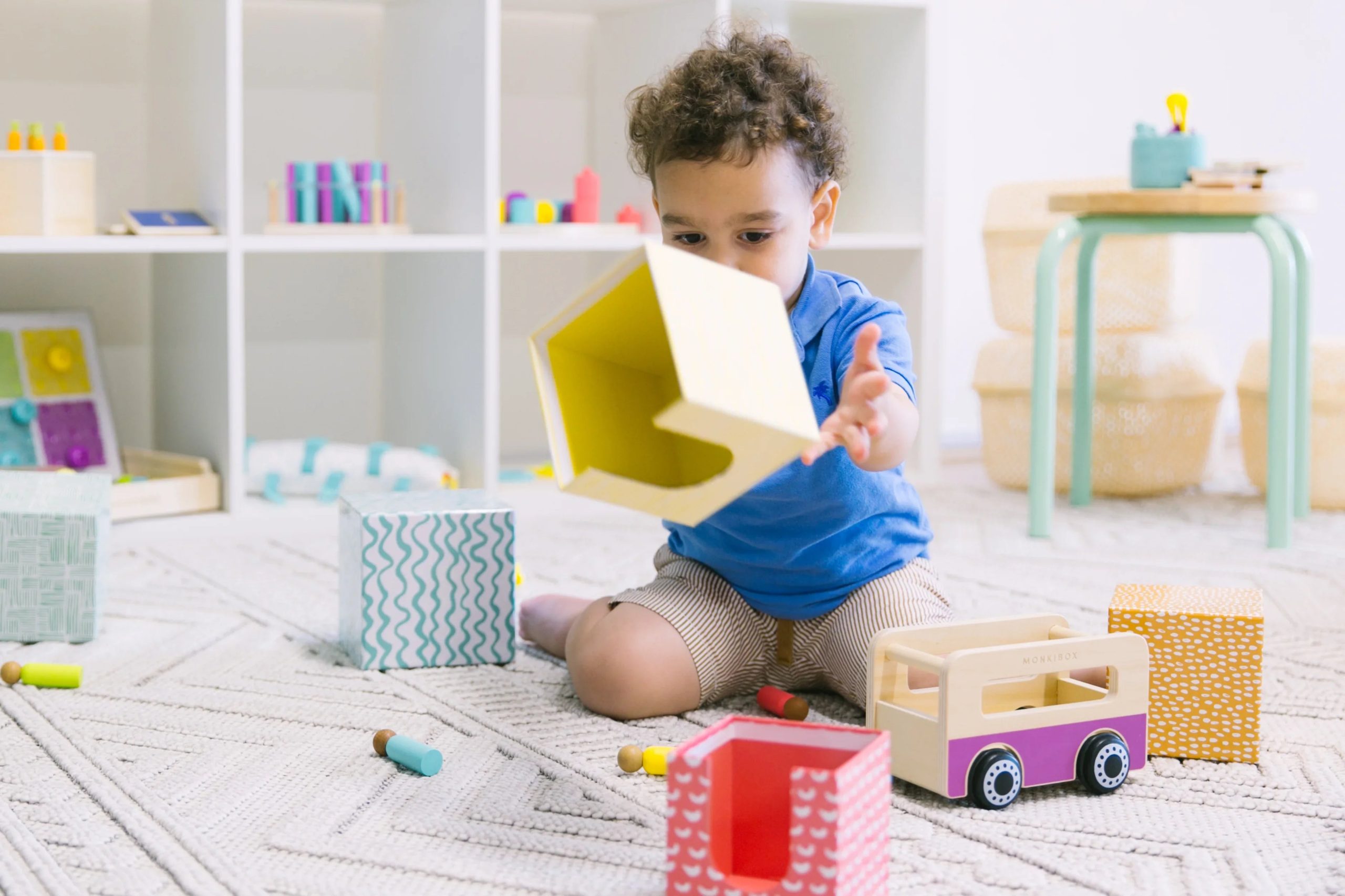
Have you ever wondered how long your child should play with a toy? It’s a question that many parents ask but rarely find a clear answer to.
You want your child to enjoy their toys, learn from them, and stay engaged—but how do you know when it’s time to move on? Getting this right can make a big difference in your child’s development and happiness. Keep reading, and you’ll discover simple, practical tips to help you decide the perfect playtime for your little one’s toys.
Benefits Of Playtime
Playtime is very important for a child’s growth. It helps children learn new skills and enjoy themselves.
Knowing how long a child should play with a toy can help parents support their child’s development well.
Cognitive Development
Playing with toys helps children think and solve problems. It improves their memory and attention.
Short play sessions with different toys keep the brain active and curious. This variety helps learning.
- Builds problem-solving skills
- Encourages creativity and imagination
- Improves focus and memory
Emotional Growth
Playtime helps children express their feelings. It teaches them to manage emotions like joy or frustration.
Playing with toys also builds confidence and helps children feel safe and happy.
- Teaches emotional expression
- Builds self-confidence
- Reduces stress and anxiety
Physical Activity
Playing with toys helps children move their bodies. It improves their strength and coordination.
Active play helps children stay healthy and burn energy, which is important for growth.
- Improves motor skills
- Builds strength and balance
- Keeps children healthy and active

Credit: www.todaysparent.com
Factors Influencing Play Duration
The time a child spends playing with a toy varies a lot. Different things affect how long play lasts.
Understanding these factors helps parents and caregivers support healthy play habits.
Child’s Age
Younger children usually play for shorter times. Their attention spans are shorter than older kids.
As children grow, they can focus longer and enjoy play for extended periods.
- Infants: a few minutes at a time
- Toddlers: 10 to 20 minutes per play session
- Preschoolers: 20 to 40 minutes or more
- School-age children: 30 minutes to several hours
Type Of Toy
Toys that are simple might hold a child’s attention less time. Complex toys often keep kids playing longer.
Interactive or educational toys usually encourage longer play than passive toys.
- Simple toys: a few minutes of play
- Building sets or puzzles: 20-40 minutes
- Interactive toys: 30 minutes or more
- Creative toys like art supplies: can last longer
Child’s Interest Level
Children play longer with toys they really like. Interest keeps them engaged and curious.
If a toy does not hold interest, a child may stop playing quickly.
- High interest: play can last for hours
- Moderate interest: 15 to 30 minutes
- Low interest: only a few minutes
Signs To Watch During Play
Watching a child play helps understand how they feel about a toy. It shows if they enjoy it or want to stop. Knowing these signs helps decide how long playtime should last.
Children express their feelings in different ways. You can see if they are bored, overstimulated, or deeply engaged. Each sign tells you if it’s time for a break or more play.
Signs Of Boredom
Boredom shows when a child loses interest in a toy. They may stop playing or look around for something else. This means the toy no longer excites them.
Common signs include fidgeting, sighing, or pushing the toy away. The child may also start playing with other objects or ask for a new toy.
- Short attention span
- Restlessness or fidgeting
- Looking away from the toy
- Trying to find other toys
- Expressing “I’m done” or similar phrases
Signs Of Overstimulation
Overstimulation happens when play is too intense or long. The child may feel tired or upset. This means the playtime is too much for them.
Look for signs like covering ears, rubbing eyes, or crying. They might also try to leave the play area or show frustration.
- Increased irritability or fussiness
- Covering ears or eyes
- Yawning or rubbing eyes
- Trying to move away from the toy
- Sudden crying or tantrums
Signs Of Deep Engagement
Deep engagement means the child is focused and happy with the toy. They play quietly and show curiosity. This shows the toy fits their interests well.
The child may talk to themselves, build or create, and explore different ways to use the toy. They lose track of time and enjoy learning.
- Long periods of focused play
- Exploring different uses of the toy
- Talking or narrating play
- Showing creativity and problem-solving
- Smiling and relaxed body language
Recommended Playtime By Age
Children learn and grow through play. The amount of time they spend playing with toys depends on their age.
Setting appropriate playtime helps keep children engaged and supports their development.
Toddlers
Toddlers are usually 1 to 3 years old. They have short attention spans and need frequent breaks.
Playing for 10 to 15 minutes at a time is enough. Toddlers often switch toys quickly as they explore.
- Limit playtime to 10–15 minutes per toy
- Encourage simple toys that develop motor skills
- Provide a variety of toys to keep interest
Preschoolers
Preschoolers are 3 to 5 years old. They can focus longer and enjoy pretend play.
Allow 15 to 30 minutes per toy or activity. This time helps build creativity and social skills.
- 15–30 minutes of focused play per toy
- Include toys that encourage imagination
- Mix active and quiet play options
School-age Children
School-age children are 6 to 12 years old. They enjoy longer play sessions and complex toys.
They can play 30 minutes to an hour with a toy. This helps develop problem-solving and fine motor skills.
- 30–60 minutes of play per toy or activity
- Choose toys that challenge their thinking
- Encourage group play to build teamwork
Balancing Screen And Non-screen Toys
Children enjoy playing with many types of toys. Some toys use screens, like tablets or video games. Others do not have screens, like blocks or dolls.
It is important to find a balance between screen and non-screen toys. This helps kids learn and grow in different ways.
How Long Should A Child Play With Screen Toys?
Screen time should be limited for children. Experts suggest no more than one hour per day for young kids. This helps protect their eyes and attention span.
Parents should watch what kind of screen games their child plays. Choose games that are educational and age-appropriate.
Benefits Of Non-screen Toys
Non-screen toys help children use their imagination. Toys like blocks, puzzles, or art supplies teach problem-solving and creativity.
Playing with non-screen toys also improves fine motor skills. It encourages social play when children share or build together.
Tips To Balance Playtime
Set clear rules about how long your child can use screen toys. Mix screen time with plenty of non-screen play each day.
- Limit screen play to 30-60 minutes daily
- Encourage at least one hour of non-screen play
- Join your child during non-screen play to support learning
- Offer a variety of toys to keep interest high
- Use screen toys that have educational value
Signs A Child Needs A Break From Toys
Watch for signs your child is tired or frustrated. This can happen with both screen and non-screen toys. Taking breaks helps them reset and enjoy play more.
Look for changes like restlessness, loss of interest, or irritability. Encourage other activities like outdoor play or reading to balance their day.

Credit: kidsbaron.com
Encouraging Quality Play
Children learn best through play. Playing with toys helps their growth and skills. The length of play matters less than how they play.
Quality play means focusing on fun, imagination, and learning. Adults can support this by setting the right environment.
Creating A Play-friendly Environment
A good play area invites children to explore toys freely. It should be safe and comfortable with enough space to move.
Keep toys organized and easy to reach. Let children choose what they want to play with. This helps them feel in control.
Joining In Play
Adults can join play to encourage children. This shows interest and helps guide learning without taking over.
Ask questions and follow the child’s lead. This keeps play fun and supports creativity. Avoid interrupting their ideas.
Rotating Toys
Rotating toys means changing the toys available regularly. This keeps play fresh and exciting for children.
- Store some toys away and swap them every few weeks
- Focus on toys that encourage imagination and problem-solving
- Limit the number of toys out at one time to reduce clutter
When To Introduce New Toys
Children enjoy playing with toys for different times. Knowing when to add new toys helps keep playtime fun.
Introducing toys at the right moment supports learning and stops boredom. It also helps avoid too many toys.
Signs Your Child Is Ready
Watch your child to see if they want new toys. They might lose interest in old toys or ask for new ones.
Other signs include finishing play quickly or using toys in new ways. These show they want fresh challenges.
- Shows less interest in current toys
- Plays with toys for shorter times
- Creates new games with toys
- Asks for different kinds of toys
Avoiding Toy Overload
Giving too many toys can make play confusing. Kids may not know what to choose or feel overwhelmed.
Keep only a few toys out at once. Rotate toys regularly to keep play interesting without clutter.
- Limit toys in play area to a small number
- Store extra toys and swap them weekly
- Choose toys that match your child’s age and interests
- Focus on toys that encourage creativity and learning
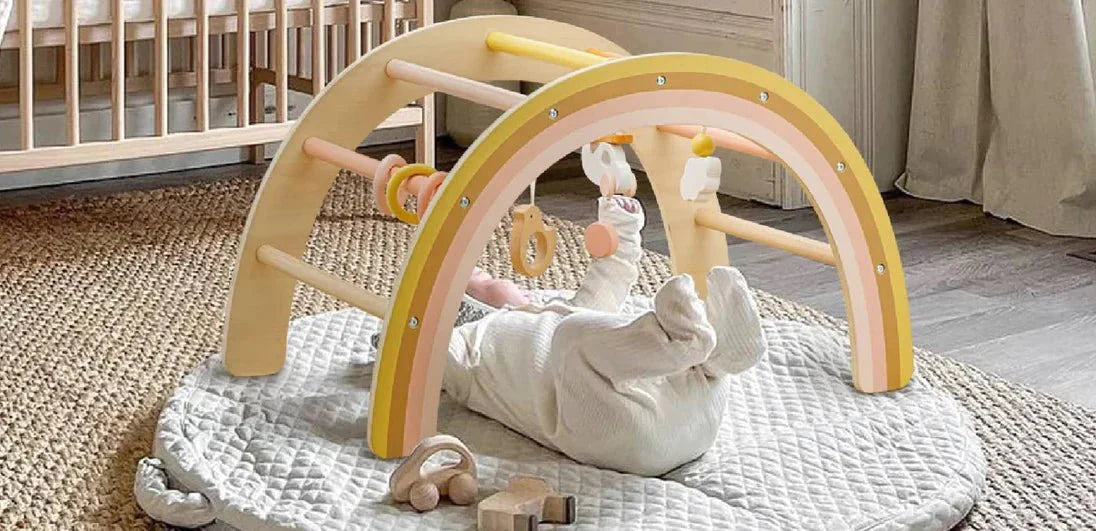
Credit: www.tinylandus.com
Frequently Asked Questions
How Long Should A Child Play With One Toy Daily?
A child should play with a toy for about 15 to 30 minutes. This duration keeps them engaged without losing interest. Short play sessions help develop focus and creativity. Adjust time based on the child’s age and attention span for best results.
Why Do Children Lose Interest In Toys Quickly?
Children lose interest when toys no longer challenge them. Their curiosity and learning needs grow rapidly. Introducing new or varied toys keeps playtime exciting. Rotating toys regularly helps maintain engagement and encourages developmental skills.
Can Playing Too Long With A Toy Be Harmful?
Yes, excessive play can cause boredom or frustration. It limits social interaction and physical activity. Balanced playtime encourages creativity and healthy development. Parents should monitor play to ensure it remains fun and beneficial.
How To Know When A Child Is Done Playing?
Look for signs like distraction, restlessness, or disinterest. When a child stops engaging actively, it’s time for a break. Allowing natural play pauses supports healthy attention spans. Offering different toys can renew interest and learning.
Conclusion
Finding the right playtime balance supports a child’s development. Toys offer fun and learning opportunities. It’s essential to observe your child’s interest in a toy. Notice when they seem bored or restless. Encourage breaks and varied activities. This helps keep playtime engaging and beneficial.
Each child is unique; their needs differ. Trust your instincts as a parent. A balanced play routine promotes growth and creativity. Keep it simple and enjoyable. Prioritize your child’s happiness and development. Adjust as needed. Make playtime a joyful and enriching experience for them.