





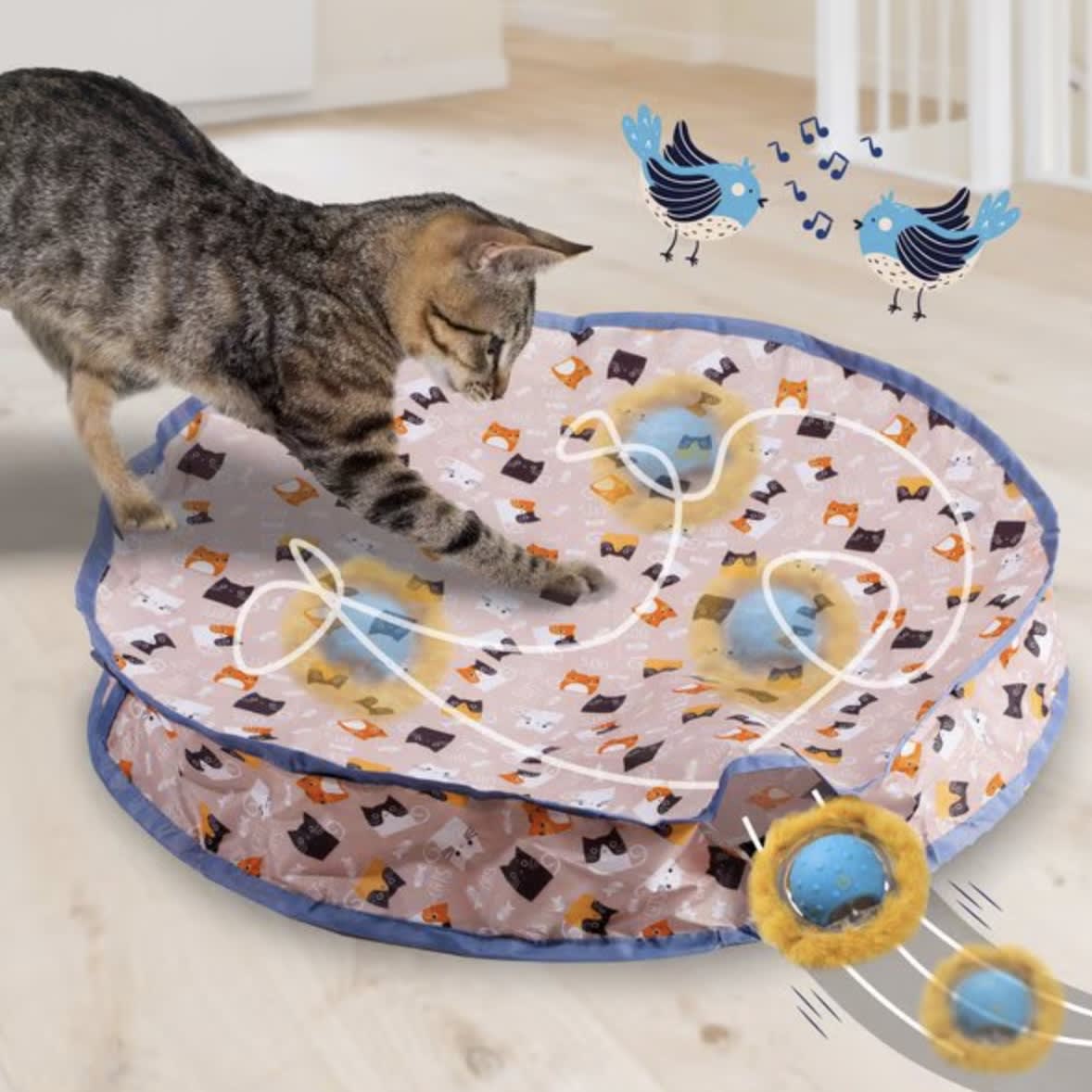
If you’ve ever tried to get your cat interested in toys, you know it’s not always easy. You want your furry friend to be active, happy, and entertained, but sometimes they just ignore the toys you bring out.
What if there was a simple way to make playtime exciting for your cat? You’ll discover easy and effective tips to spark your cat’s curiosity and get them playing with toys like never before. Keep reading—your cat’s new favorite game is just moments away!

Credit: www.reddit.com
Choosing The Right Toys
Getting your cat to play with toys can keep it healthy and happy. Choosing the right toys helps make playtime fun and safe.
This guide covers what types of toys cats like, what materials to pick, and the difference between interactive and solo play.
Types Cats Prefer
Cats like toys that move or make noise. They like to chase, pounce, and bat at small objects.
- Feather wands
- Small balls
- Laser pointers
- Catnip-filled toys
- Soft stuffed mice
Materials And Safety
Choose toys made from safe, non-toxic materials. Avoid small parts that can be swallowed or sharp edges that can hurt your cat.
| Material | Safety | Durability |
| Natural rubber | Non-toxic, soft | Good |
| Plastic | Safe if BPA-free | Varies |
| Fabric | Check for loose threads | Moderate |
| Feathers | Can shed, supervise use | Low |
Interactive Vs Solo Play
Interactive toys need your help. Solo toys your cat can use alone. Both types are important for your cat’s fun and exercise.
- Interactive:Feather wands, laser pointers, teaser toys
- Solo:Balls, catnip toys, scratching posts
- Use interactive toys to bond with your cat
- Leave solo toys available for play anytime
Creating A Playful Environment
Getting a cat to play with toys is easier when their space feels fun and safe. Cats like to explore and feel curious in their surroundings.
Setting up the right environment helps your cat enjoy playtime more often. Small changes can make a big difference.
Setting Up Play Areas
Create specific spots where your cat can play freely. These areas should be quiet and away from loud noises or busy rooms.
- Choose soft rugs or mats for comfort.
- Keep toys within easy reach.
- Use low shelves or tables to place toys.
- Make sure the area is safe and free from hazards.
Incorporating Climbing And Hiding Spots
Cats love to climb and hide. Adding these spots encourages natural play and exercise.
| Type | Benefits |
|---|---|
| Cat Trees | Help cats climb and perch safely |
| Boxes or Tunnels | Provide hiding places and cozy spots |
| Window Perches | Let cats watch outside and feel relaxed |
Using Catnip And Scents
Catnip and certain scents can attract cats to their toys and play areas. Use these to make playtime more exciting.
- Sprinkle dried catnip on toys or scratching posts.
- Try toys stuffed with catnip to encourage biting and batting.
- Use safe essential oils like lavender in diffusers, but never apply directly to cats.
- Rotate scents and catnip to keep your cat interested.
Encouraging Play Behavior
Getting a cat to play with toys helps keep them active and happy. Play also strengthens your bond with your cat.
Some cats need encouragement to enjoy toys. Understanding how to encourage play makes it easier for your cat to join in.
Using Movement And Sounds
Cats love toys that move like real prey. Wiggle toys or drag them on the floor to catch your cat’s eye.
Sounds can also attract your cat. Toys that make soft noises or crinkle can spark curiosity and invite play.
- Use feather wands or strings to mimic small animals
- Shake toys with bells or crinkles
- Move toys slowly at first, then faster to keep attention
Timing Play Sessions
Pick times when your cat is most active. Many cats like to play early morning or evening.
Keep sessions short but frequent. Ten to fifteen minutes a few times a day works best.
- Play before mealtime to encourage hunting instincts
- End sessions while your cat is still interested
- Watch for signs of tiredness and stop play then
Rewarding Playtime
Give your cat praise or treats after play. This helps them connect toys with positive feelings.
Use treats sparingly to keep your cat interested in toys, not just food.
- Offer a small treat after a play session
- Use gentle petting or verbal praise
- Change toys often to keep play fun and new
Overcoming Common Play Issues
Getting a cat to play with toys can sometimes be tricky. Some cats may seem shy or lazy, while others can be too rough. Understanding these behaviors helps you find the best way to encourage play.
Keeping your cat interested in toys over time also takes effort. This guide will help you handle common challenges and make playtime fun and safe.
Dealing With Shy Or Lazy Cats
Shy or lazy cats often need gentle encouragement to play. They might hide or ignore toys. Try to make play feel safe and fun without pressure.
- Start with soft, quiet toys like feathers or plush mice
- Play near your cat’s favorite resting spots to catch their interest
- Use slow, gentle movements to avoid startling them
- Offer treats after brief play sessions to create positive feelings
- Give your cat time to explore toys on their own
Handling Overly Aggressive Play
Some cats play too rough, biting or scratching. This can hurt you and may scare the cat. You can teach your cat to play gently with clear limits.
| Behavior | How to Handle |
| Biting | Stop play immediately and withdraw attention |
| Scratching | Offer scratching posts and redirect play |
| Chasing Fingers | Use toys instead of hands during play |
| Overexcitement | End play session if the cat gets too wild |
Keeping Interest Over Time
Cats can lose interest in toys if they stay the same. Try to keep play fresh by changing toys and how you play.
- Rotate toys weekly to keep them new and exciting
- Use different types of toys like balls, wands, and puzzle feeders
- Play in short, frequent sessions instead of long ones
- Include your cat’s natural hunting instincts with chase and pounce games
- Watch what your cat likes and focus on those styles of play
Involving Family And Friends
Getting a cat to play with toys can be more fun with family and friends. Their help can keep the cat interested and active.
When everyone joins in, playtime becomes a shared activity. This builds bonds between the cat and people around it.
Group Play Benefits
Playing with a group of people makes the cat more excited. Cats enjoy chasing toys when many hands move them.
Family and friends can take turns using different toys. This variety keeps the cat curious and willing to play longer.
- More energy to keep the game lively
- Different play styles attract the cat
- Cat learns to interact with many people
- Everyone shares the joy of playtime
Teaching Kids Safe Play Techniques
Kids should learn how to play safely with cats. This helps protect both the child and the cat during play.
Show children how to use toys gently. Teach them not to pull the cat’s fur or tail and to watch the cat’s mood.
- Use toys with strings or feathers, not hands
- Stop play if the cat seems scared or angry
- Keep play sessions short and calm
- Respect the cat’s space and rest times

Credit: www.reddit.com

Credit: cheerble.com
Frequently Asked Questions
Why Won’t My Cat Play With Toys?
Cats may not play with toys due to boredom, stress, or unfamiliarity. Try introducing different textures and sounds. Rotate toys regularly to keep them exciting. Ensure your cat feels safe and comfortable in its environment, and spend quality time encouraging play to spark its interest.
How Can I Make Cat Toys More Interesting?
To make cat toys more interesting, add variety by using different textures and scents. Interactive toys that mimic prey movements can capture your cat’s attention. Incorporate treats or catnip to entice them further. Regularly rotating toys prevents boredom and keeps playtime engaging for your feline friend.
What Are The Best Toys For Cats?
The best toys for cats include wand toys, balls, and interactive puzzles. Toys that mimic prey movements, like feather wands, can stimulate their hunting instincts. Catnip-infused toys can also be very enticing. Ensure toys are safe, durable, and appropriate for your cat’s size and play style.
How Often Should I Play With My Cat?
You should play with your cat at least once or twice daily. Each play session can last around 10 to 15 minutes. Regular play helps keep your cat mentally stimulated and physically active. Adjust the frequency and duration based on your cat’s energy levels and preferences.
Conclusion
Getting your cat to enjoy toys takes time and patience. Try different toys to see what excites your pet. Play in short sessions to keep your cat interested. Use treats and praise to encourage play. Watch your cat’s reactions to learn what it likes best.
Remember, every cat is unique and plays differently. Keep toys safe and clean for healthy fun. A happy cat is an active cat. Enjoy the bonding moments while playing together. Small efforts bring great joy to your furry friend.