
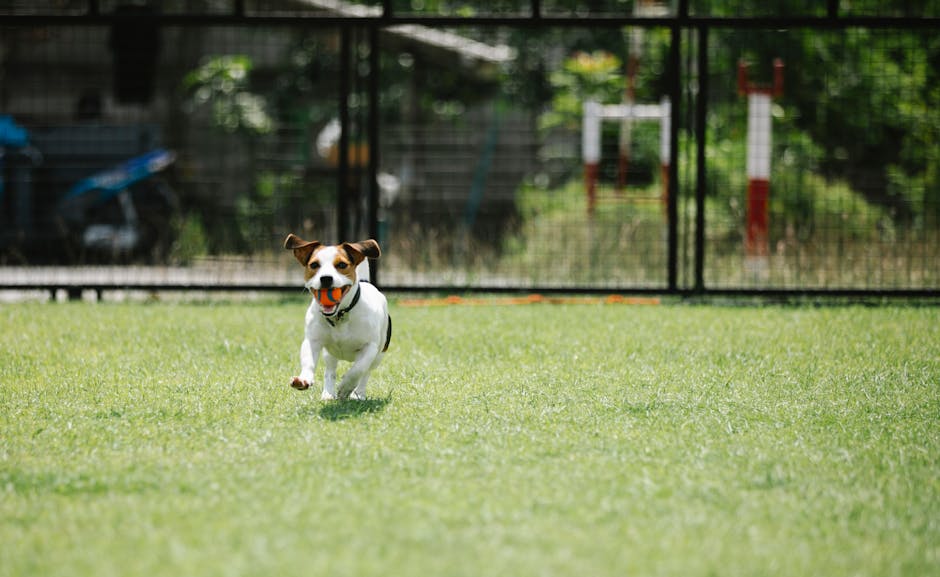
Getting your puppy to play with toys can sometimes feel like a challenge. You want your furry friend to have fun, stay active, and avoid chewing on your favorite shoes.
But how do you make those toys irresistible? If you’ve been wondering how to spark your puppy’s interest and turn playtime into a joyful habit, you’re in the right place. Keep reading, because the simple tips ahead will help you create a happy, playful bond with your puppy that lasts.

Credit: worldanimalfoundation.org
Choosing The Right Toys
Getting your puppy to play with toys starts with choosing the right ones. The right toys keep your puppy happy and safe while encouraging play.
Selecting toys depends on several factors like your puppy’s age, size, and interests. Picking carefully helps your puppy enjoy playtime more.
Consider Your Puppy’s Age And Size
Puppies grow fast and their needs change. Toys made for large dogs may be too big for small puppies. Small toys can be a choking hazard for big puppies.
- Choose soft toys for very young puppies.
- Pick medium-sized toys for growing puppies.
- Use tougher toys for older, bigger puppies.
Select Safe And Durable Materials
Toys must be safe and last through rough play. Avoid toys with small parts your puppy can swallow. Durable materials help toys last longer.
| Material | Safety | Durability |
| Rubber | Safe if non-toxic | Very durable |
| Plush | Soft but can tear | Less durable |
| Rope | Good for chewing | Moderately durable |
| Plastic | Check for safety | Durability varies |
Pick Toys That Match Your Puppy’s Interests
Puppies like different types of play. Some like to chew, others like to fetch or cuddle with toys. Match toys to your puppy’s favorite activities.
- Chew toys help with teething pain.
- Fetch toys encourage exercise and fun.
- Soft toys provide comfort and companionship.
Creating A Playful Environment
Getting a puppy to play with toys starts with a fun and safe space. Puppies explore with their senses. A playful environment helps them learn and enjoy.
Setting up the right place and conditions makes toys more interesting. It also helps your puppy focus on playing.
Designate A Play Area
Choose a quiet spot in your home for your puppy’s playtime. This area should be free from sharp objects and hazards. Use a soft mat or carpet so your puppy feels comfortable.
- Pick a corner or a small room
- Make sure it is easy to clean
- Use barriers to keep your puppy inside the area
- Include water nearby for breaks
Keep Toys Accessible
Store toys where your puppy can reach them easily. Rotate toys to keep their interest high. Let your puppy choose which toy to play with.
| Toy Type | Benefits |
| Chew Toys | Helps with teething and jaw strength |
| Soft Toys | Comfort and gentle play |
| Interactive Toys | Stimulates mind and problem-solving |
| Fetch Toys | Encourages running and exercise |
Remove Distractions
Limit noise and activity near the play area. Turn off TVs and radios. Put away other pets during playtime. This helps your puppy focus on toys.
Try this simple checklist to reduce distractions:
- Quiet room or corner
- No other animals nearby
- Minimal foot traffic
- Turn off loud devices
- Keep phone on silent
Introducing Toys To Your Puppy
Getting your puppy to play with toys is important for their growth. Toys help them learn and stay active.
Start by showing your puppy the toys gently. Let them explore at their own pace.
Show Excitement And Enthusiasm
Puppies notice your feelings. Show happiness when you bring out the toys.
Use a happy voice and smile. Play with the toy yourself to catch their attention.
Use Treats To Encourage Interest
Hold a treat near the toy to spark your puppy’s curiosity. Let them sniff and see the toy.
Give a small treat when your puppy touches or picks up the toy. This builds positive feelings.
Demonstrate How To Play
Show your puppy how to play by moving the toy gently. Use soft tugs or rolls to invite them.
Encourage your puppy to chase or bite the toy. Praise them when they join in the fun.
Building Playtime Habits
Getting your puppy to play with toys helps them stay active and happy. Playtime also builds a strong bond between you and your puppy.
Teaching your puppy to enjoy toys takes time and effort. Creating good habits will make playtime fun for both of you.
Set Regular Play Sessions
Schedule play sessions at the same time each day. Puppies like routine and will expect to play with toys during these times.
Keep play sessions short but frequent. This helps your puppy stay interested and not get tired or bored.
- Choose times when your puppy is alert and active
- Use a variety of toys to keep things fresh
- End sessions on a positive note to build excitement
Use Positive Reinforcement
Praise your puppy when they show interest in toys. Use treats and kind words to reward playful behavior.
This encourages your puppy to play with toys more often. They learn that playing with toys leads to happy moments.
- Give a treat when your puppy picks up a toy
- Use a happy voice to praise your puppy
- Offer gentle petting as a reward
Be Patient And Consistent
Some puppies take longer to enjoy toys. Stay patient and keep encouraging them without forcing play.
Consistency helps your puppy understand that playtime is a regular and fun part of life.
- Repeat play sessions daily
- Avoid giving up if your puppy ignores toys at first
- Stay calm and gentle during playtime
Making Toys More Appealing
Getting your puppy to play with toys can sometimes be a challenge. You need to make the toys fun and interesting for them.
Using simple tricks can help your puppy enjoy their toys more. This helps keep them happy and active.
Rotate Toys To Keep Interest Fresh
Keep a small selection of toys out at a time. Store the rest away and change them often. This makes old toys feel new again.
Rotating toys stops your puppy from getting bored. It also helps you see which toys they like best.
Add Scent Or Sound Elements
Puppies use smell and sound to explore. Adding scents or noises to toys can catch their attention.
You can rub a toy with a little peanut butter or use toys that squeak. These smells and sounds make playtime exciting.
Incorporate Interactive Games
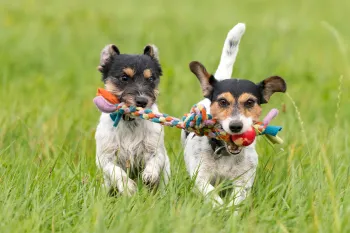
Play with your puppy using their toys. Toss the toy or hide it for them to find. This makes toys more fun and engaging.
- Throw toys for a game of fetch
- Hide toys under blankets or behind furniture
- Use tug toys for gentle pulling games
Credit: www.humaneworld.org
Dealing With Common Challenges
Getting a puppy to play with toys can sometimes be tricky. Some puppies show little interest, while others get too excited.
This guide covers ways to handle common problems when encouraging your puppy to enjoy toys.
Handling Lack Of Interest
If your puppy ignores toys, try to make playtime more fun. Choose toys that move or make sounds to catch their attention.
- Use treats to reward your puppy when they touch a toy
- Play with the toy yourself to show how fun it is
- Rotate toys so they feel new and exciting
- Spend short, frequent play sessions to build interest
Managing Overexcitement
Some puppies get too excited and may bite or jump during play. Teach calm behavior to keep play safe and fun.
Use these tips to manage overexcitement:
- Stop play if your puppy bites hard
- Give a calm command like “sit” or “stay”
- Reward calm behavior with gentle praise or treats
- Keep play sessions short and calm
Addressing Chewing And Destruction
Puppies often chew on toys and other items. It is normal but should be controlled to prevent damage.
| Cause | Solution |
|---|---|
| Teething pain | Provide soft chew toys designed for puppies |
| Boredom | Give interactive toys and more playtime |
| Wrong toys | Choose durable toys that match your puppy’s size |
| Unsupervised chewing | Keep toys and belongings out of reach when unsupervised |

Credit: pethelpful.com
Frequently Asked Questions
How Do I Introduce Toys To A New Puppy?
Start by showing the toy to your puppy gently. Use playful tones and encourage interaction. Reward your puppy with praise or treats when they touch or bite the toy. Keep sessions short and fun to build positive associations with toys.
What Types Of Toys Attract Puppies Most?
Puppies love toys that are soft, squeaky, or chewable. Look for plush toys, rubber chew toys, or balls. Toys with different textures keep puppies interested. Choose safe, non-toxic toys suitable for your puppy’s size and age.
How Can I Encourage My Puppy To Play Alone?
Place toys within your puppy’s reach and rotate them regularly. Praise your puppy when they play independently. Use interactive toys like treat-dispensing balls to keep them engaged. Avoid forcing play; patience helps puppies learn to enjoy toys alone.
When Should I Replace Puppy Toys?
Replace toys when they become damaged, worn, or have loose parts. Broken toys can be dangerous and cause choking. Check toys regularly for safety. Fresh toys maintain your puppy’s interest and encourage continuous play.
Conclusion
Playing with toys helps puppies grow and stay active. Use toys to bond with your puppy. Start with simple toys they can easily grab. Encourage them gently. Be patient and consistent. Each puppy is different and learns at its own pace.
Celebrate small wins together. Toys make playtime fun and exciting for both of you. Safe playtime builds trust and strengthens your bond. Enjoy watching your puppy explore and learn. Cherish these playful moments. They grow fast! Make every play session count.
Your puppy will thank you with wagging tails and happy barks.