

Getting a rescue dog to play with toys can feel like a real challenge. You want to see your new furry friend happy and engaged, but they might seem uninterested or unsure about toys.
The good news is, with a few simple steps, you can spark their curiosity and turn playtime into a joyful bonding experience. Keep reading, and you’ll discover easy ways to encourage your rescue dog to love their toys—and have fun doing it!
Choosing The Right Toys
Getting a rescue dog to play with toys can be a joyful experience. Choosing the right toys helps keep your dog safe and happy. It also encourages play and builds trust.
Each dog has different needs and preferences. Picking suitable toys is important for their comfort and fun.
Safe And Durable Options
Choose toys made from strong materials that won’t break easily. Avoid small parts that can be swallowed. Look for toys labeled as non-toxic and safe for dogs.
- Rubber chew toys
- Rope toys with tightly woven fibers
- Heavy-duty nylon bones
- Soft plush toys without loose stuffing
Toys That Match Your Dog’s Personality
Observe your dog’s behavior to pick toys they will like. Active dogs enjoy fetch toys. Shy dogs might prefer soft toys. Chewers need sturdy toys to satisfy their bite.
| Personality | Recommended Toy Type |
| Energetic | Balls, Frisbees |
| Gentle | Soft plush toys |
| Chewer | Durable rubber or nylon toys |
| Shy | Toys with treats inside |
Introducing New Toys Gradually
Give your dog one new toy at a time. Let them sniff and explore the toy at their own pace. Avoid overwhelming your dog with many toys at once.
- Show the toy gently and let your dog touch it.
- Play together using the toy to spark interest.
- Offer praise when your dog uses the toy.
- Rotate toys regularly to keep playtime fresh.

Credit: www.yahoo.com
Creating A Playful Environment
Getting a rescue dog to play with toys can help build a strong bond. A playful environment makes the dog feel safe and happy.
Setting up a good space and reducing distractions helps your dog enjoy playtime more. Trust grows as your dog learns to have fun.
Setting Up A Comfortable Space
Choose a quiet spot where your dog feels relaxed. Soft bedding and familiar scents can make the space inviting.
Keep toys within easy reach and in good condition. This encourages your dog to explore and play without stress.
Minimizing Distractions
Turn off loud noises like TVs or radios during playtime. A calm area helps your dog focus on the toys.
Limit the number of people around at first. Too many visitors can make a rescue dog anxious and less playful.
- Quiet room or corner
- Few people present
- No sudden noises
Using Playtime To Build Trust
Use gentle encouragement to help your dog try toys. Praise and treats build positive feelings about play.
Spend short, regular sessions playing together. This helps your dog feel safe and enjoy your company.
Encouraging Interest In Toys
Getting a rescue dog to play with toys can be a big help for their happiness. Toys keep them busy and help them learn trust. Some dogs need time to like toys.
Patience and gentle steps make a dog want to play. Using treats, praise, and fun play helps build their interest in toys.
Using Treats And Praise
Treats and praise teach your dog to like toys. Give a small treat when they touch or sniff a toy. Say kind words to show you are happy.
- Choose tasty treats your dog loves
- Give treats only when your dog interacts with a toy
- Use a happy voice to say “Good job!”
- Be patient and repeat often
- Stop if your dog seems scared or tired
Interactive Play Techniques
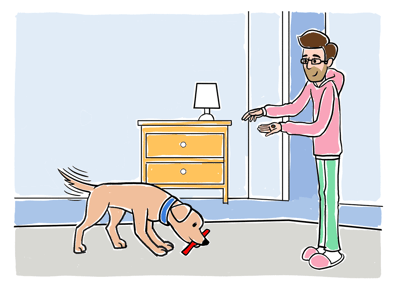
Playing with your dog helps them enjoy toys more. Use toys that move or make sounds. Join your dog in play to make it fun and safe.
| Play Technique | Description |
|---|---|
| Tug of War | Use a rope toy to gently pull with your dog. |
| Fetch | Throw a soft ball and encourage your dog to bring it back. |
| Hide and Seek | Hide a toy and let your dog find it with your help. |
| Squeaky Toys | Use toys that make sounds to catch your dog’s attention. |
Incorporating Toys Into Daily Routine
Make toys part of your dog’s day. Put toys where your dog can see them. Use toys during walks or rest times to keep things interesting.
- Keep toys in common areas
- Rotate toys to keep them new
- Play with toys before meals
- Use toys to calm your dog during quiet time
- Reward toy play with extra attention
Credit: www.preventivevet.com
Dealing With Hesitation And Fear
Rescue dogs may feel scared or unsure about playing with toys. They might have had bad experiences before.
Helping them feel safe is important. You can help your dog enjoy toys with patience and care.
Recognizing Signs Of Anxiety
Your rescue dog may show signs of fear when near toys. Watch their body language closely.
Common signs include avoiding toys, trembling, or hiding. Some dogs may growl or bark if scared.
- Avoiding eye contact
- Backing away from toys
- Trembling or shaking
- Hiding or cowering
- Whining or growling
Slow And Gentle Introductions
Introduce toys slowly to your rescue dog. Let them see and sniff the toy at their own pace.
Use soft voices and gentle movements. Give your dog time to feel comfortable before trying to play.
- Show the toy from a distance first
- Let the dog sniff without pressure
- Use calm, soothing tones
- Offer treats near the toy
- Stop if the dog shows fear
Patience And Consistency
Be patient with your rescue dog’s progress. Each dog learns and trusts at a different speed.
Keep a regular routine for playtime. Consistency helps build trust and reduces fear over time.
- Set a daily time for toy play
- Use the same toys each time
- Reward calm behavior with treats
- Avoid forcing the dog to play
- Celebrate small steps forward
Making Playtime Fun
Getting a rescue dog to play with toys can take time and patience. Playtime helps build trust and keeps your dog happy.
Using fun and gentle ways to encourage your dog makes playtime a great bonding experience. Let’s explore how to make play enjoyable.
Playing Together Vs. Solo Play
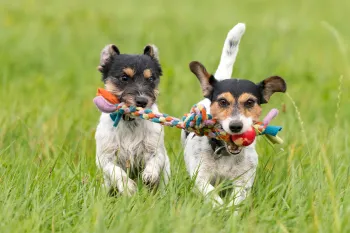
Playing together helps your rescue dog learn how to have fun. Your presence makes your dog feel safe and loved.
Solo play lets your dog enjoy toys on their own. It builds independence and keeps them busy when you are not around.
- Use toys that invite interaction, like tug ropes or balls
- Spend time throwing or rolling toys for your dog
- Give your dog time alone with chew toys or puzzles
- Switch between playing together and letting your dog play alone
Variety To Keep Engagement
Dogs get bored if they play with the same toy all the time. Offer different toys to keep things exciting.
Change the type, size, and texture of toys. This helps your dog find what they like best and stay interested.
- Soft toys for gentle play
- Chew toys for teething or chewing needs
- Interactive toys like treat puzzles
- Balls and frisbees for chasing
Rewarding Playful Behavior
Reward your rescue dog when they show interest in toys. This encourages them to play more often.
Use treats, praise, or petting as rewards. Positive feedback helps your dog feel happy and confident.
- Give a treat when your dog picks up a toy
- Use a happy voice to praise playful actions
- Offer gentle petting or belly rubs after play
- Be patient and consistent with rewards
Credit: www.humaneworld.org
Common Mistakes To Avoid
Getting a rescue dog to play with toys can be a slow process. Some mistakes can make it harder for your dog to enjoy playtime.
Understanding what to avoid helps your dog feel safe and excited about toys. This guide covers common errors to watch out for.
Forcing Interaction
Trying to force your dog to play can cause fear or stress. Dogs need time to trust their new environment and people.
- Do not push your dog’s face into a toy.
- Avoid grabbing the toy from your dog’s mouth.
- Let your dog approach toys at their own pace.
- Offer toys gently and watch your dog’s reactions.
Ignoring Dog’s Preferences
Every dog has unique likes and dislikes. Some toys may not interest your rescue dog at first.
| Toy Type | Why Some Dogs Reject It |
| Hard Rubber Toys | Too tough or noisy for sensitive mouths |
| Plush Toys | May feel unfamiliar or unsafe to some dogs |
| Rope Toys | Texture may be unpleasant for certain dogs |
| Balls | Size or bounce may frighten timid dogs |
Try different types to find what your dog enjoys. Observe their body language and preferences carefully.
Overstimulating During Play
Too much excitement can make your dog anxious or tired quickly. Calm and slow play is better for some rescue dogs.
Watch for these signs to avoid overstimulation:
- Heavy panting or drooling
- Whining or barking excessively
- Trying to leave the play area
- Shaking or cowering
- Sudden loss of interest in toys
Frequently Asked Questions
How Can I Encourage My Rescue Dog To Play?
Start by introducing toys gradually and observing your dog’s preferences. Use positive reinforcement, such as treats or praise, when your dog shows interest in a toy. Engage in interactive play sessions to make the experience enjoyable. Consistency and patience are key to helping your rescue dog become comfortable with toys.
What Types Of Toys Are Best For Rescue Dogs?
Choose durable toys that can withstand chewing and are safe for dogs. Opt for toys that stimulate different senses, like squeaky toys or those with varied textures. Puzzle toys can also be beneficial for mental stimulation. Consider your dog’s size, age, and play style when selecting toys.
Why Doesn’t My Rescue Dog Play With Toys?
Some rescue dogs may not have been exposed to toys before, leading to disinterest. They might also feel stressed in a new environment, affecting their playfulness. Gradually introduce toys and create a positive, stress-free atmosphere. With time and patience, your dog may begin to show interest.
How Do I Teach My Rescue Dog To Fetch?
Start by choosing a toy your dog likes. Encourage your dog to chase the toy by tossing it a short distance. Use treats and praise to reinforce retrieving the toy. Practice consistently and keep sessions short to maintain interest. Gradually increase the distance as your dog becomes more comfortable.
Conclusion
Getting a rescue dog to play with toys takes time and patience. Start slow and watch your dog’s reactions. Use soft, fun toys that feel safe. Praise your dog with gentle words and treats. Play together in a quiet, calm space.
Keep sessions short to avoid stress. Remember, every dog learns at their own pace. Enjoy small moments of joy and connection. Toys can help build trust and happiness. Keep trying, and your rescue dog will learn to enjoy playtime. Simple steps can make a big difference.