




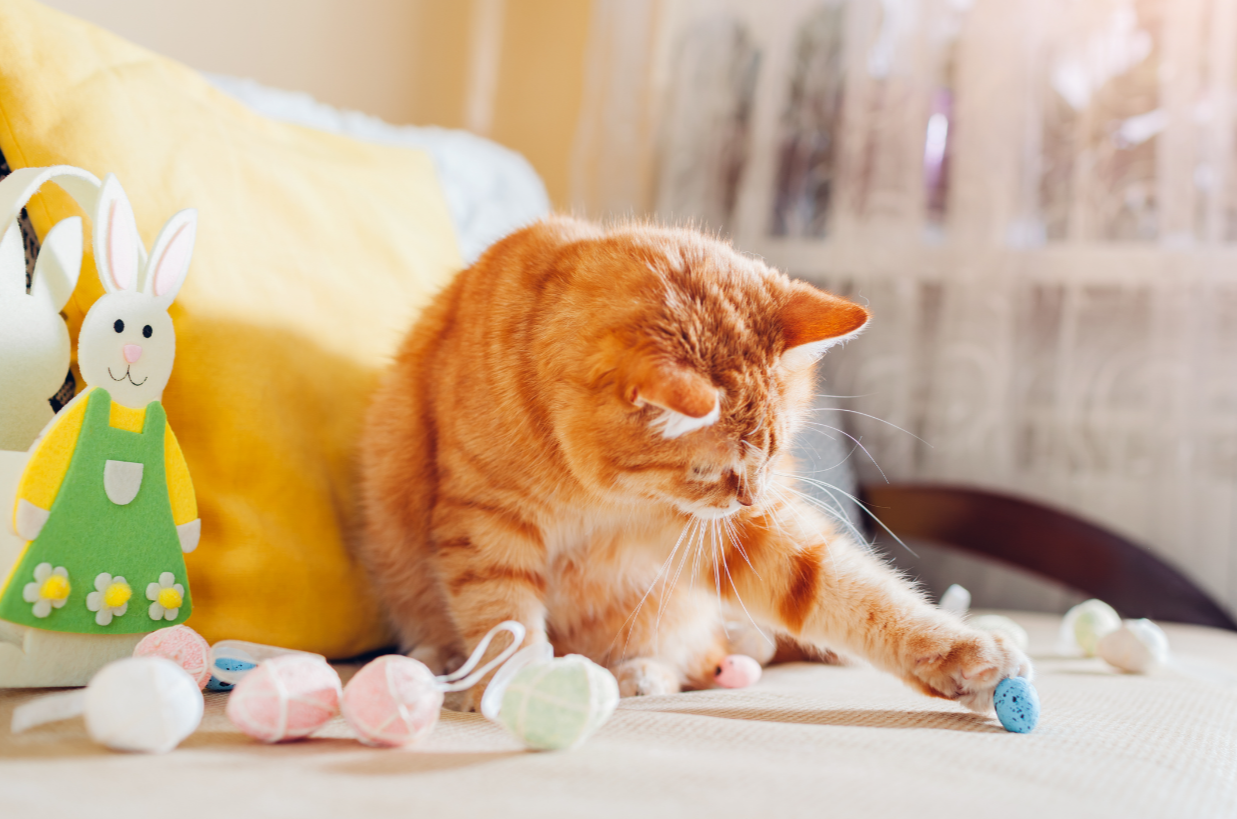
Do you ever wonder why your cat ignores the toys you buy? Getting your cat to play with toys can seem like a mystery.
But it doesn’t have to be. With a few simple tricks, you can turn playtime into your cat’s favorite part of the day. Imagine your furry friend chasing, pouncing, and having fun—all while staying active and healthy. Ready to discover how to make your cat excited about toys?
Keep reading, and you’ll learn easy, practical tips that really work.
Choosing The Right Toys
Picking the right toys helps your cat enjoy playtime. Toys keep cats active and happy. Knowing what to choose makes play more fun.
This guide covers the types of toys cats like, safe materials, and the best size and texture for toys.
Types Cats Prefer
Cats like toys that move and feel alive. Small toys that they can chase or bat around are best. Toys that mimic prey catch their interest.
- Feather wands to mimic birds
- Small balls for chasing
- Soft mice toys to carry
- Laser pointers for quick movement
- Interactive toys that move on their own
Safe Materials
Choose toys made from non-toxic and durable materials. Avoid toys with small parts that can break off. Safety is important to prevent choking or poisoning.
| Material | Safety Notes |
|---|---|
| Natural rubber | Durable and non-toxic |
| Cotton fabric | Soft and safe, no harmful dyes |
| Plastic | Use only hard, non-toxic types |
| Feathers | Natural, but check for loose parts |
Size And Texture
Toys should fit your cat’s mouth and paws. Textures that feel good to bite and claw keep cats interested. Avoid toys that are too hard or too soft.
- Small toys for kittens and small cats
- Medium size for adult cats
- Soft textures like plush or fabric
- Rough textures for chewing and scratching
- Avoid very hard plastic that can hurt teeth

Credit: www.reddit.com
Creating An Inviting Play Area
Getting your cat to play with toys starts with a good play space. Cats feel safe and curious in the right environment.
Setting up a special play area encourages your cat to enjoy toys more often. This area should be easy to access and fun.
Quiet And Comfortable Space
Choose a calm spot away from loud noises and busy rooms. Cats like soft surfaces like rugs or cushions to relax on.
Keep the lighting gentle and avoid direct sunlight to make the area cozy. A quiet place helps your cat focus on playing.
Accessible Toy Storage
Keep your cat’s toys in a spot that is easy for you to reach. This makes it simple to offer toys during playtime.
- Use a basket or box near the play area
- Sort toys by type for quick selection
- Rotate toys weekly to keep interest high
- Store small toys safely to avoid loss
Use Of Cat Furniture
Cat furniture like trees and tunnels adds fun places to climb and hide. These pieces make playtime more exciting.
| Furniture Type | Benefits |
|---|---|
| Cat Tree | Climbing, scratching, and resting spots |
| Tunnel | Hiding and chasing games |
| Scratching Post | Exercise and nail care |
Encouraging Play Behavior
Getting your cat to play with toys helps keep them active. Playtime is important for their health and happiness.
Some cats need a little encouragement to enjoy toys. You can use simple methods to spark their interest.
Interactive Play Sessions
Spend time playing with your cat using toys like feather wands or laser pointers. Move the toy slowly at first to catch their eye. Let your cat chase and pounce as much as they want.
Try to keep play sessions short but frequent. About 10 to 15 minutes several times a day works well. This keeps your cat interested without getting tired.
Using Treats And Rewards
Treats can motivate your cat to play with toys. Offer small treats when they touch or chase a toy. Rewards help your cat learn that playing is fun.
- Choose healthy treats your cat likes.
- Give treats right after the play action.
- Use treats to start play, then reduce them over time.
- Keep treats small to avoid overfeeding.
- Combine treats with praise and petting.
Mimicking Prey Movements
Move toys like real prey animals. Quick, small movements catch your cat’s attention. Pause often to let them stalk and pounce.
| Movement Type | How to Use |
|---|---|
| Slow crawl | Drag the toy slowly across the floor |
| Quick dart | Flick the toy quickly to one side |
| Pause | Stop moving and let the cat approach |
| Flutter | Shake a feather toy gently in the air |
Timing Play Sessions
Getting your cat to play with toys works best when you pick the right time. Cats have natural energy cycles that affect their mood.
Timing play sessions well helps your cat stay interested and active. This guide explains the best times to play.
Best Times Of Day
Cats are often most active at dawn and dusk. These times are when they naturally hunt and explore.
Try to schedule play sessions early in the morning or late in the evening. Your cat will be more eager to play then.
- Early morning before breakfast
- Late afternoon before dinner
- Evening before bedtime
Short And Frequent Sessions
Cats have short attention spans. Long playtimes can make them lose interest or get tired.
Keep play sessions short but do them often. This keeps your cat excited and ready to play more.
- Play for 5 to 10 minutes
- Repeat 2 to 3 times a day
- Use different toys to keep it fun
Involving Multiple Toys
Getting your cat to play with toys can be easier by using several toys together. Cats enjoy variety and new experiences. Using multiple toys keeps their interest alive and encourages more activity.
Playing with different toys also helps your cat use different skills. This keeps them healthy and happy for longer play sessions.
Rotating Toys Regularly
Instead of giving all toys at once, try rotating them. Put some toys away for a few days and then swap with others. This way, your cat sees each toy as new and exciting again.
- Keep only a few toys out each day
- Store other toys in a box or closet
- Change the toys every 3 to 5 days
- Watch which toys your cat prefers
- Use favorites more often but still rotate
Combining Different Toy Types
Use toys that offer different kinds of play. Some toys can be chased, while others are for biting or scratching. Mixing types keeps your cat interested and active.
| Toy Type | Example | Play Style |
| Interactive | Feather wand | Chasing and pouncing |
| Solo | Ball with bell | Batting and chasing |
| Chew | Soft mouse toy | Biting and carrying |
| Scratch | Cardboard scratcher | Scratching and clawing |

Credit: www.goodhousekeeping.com
Addressing Play Reluctance
Some cats do not like to play with toys right away. This can be due to fear, lack of interest, or other reasons. Understanding why your cat avoids toys helps you encourage play.
Patience and gentle steps can help your cat feel safe and enjoy playtime. Let’s look at ways to address play reluctance in cats.
Identifying Causes
Cats may avoid toys for many reasons. They might be scared, bored, or tired. Sometimes, health issues or age make them less active.
Knowing the cause helps you pick the right way to help your cat enjoy toys again.
- Fear of new objects or sounds
- Lack of interest in the type of toy
- Health problems or pain
- Older age and less energy
- Stress or changes in the home
Gradual Exposure Techniques
Start by showing toys without forcing your cat. Let your cat sniff or touch the toy gently. Use soft movements to avoid scaring them.
Try short play sessions with quiet toys. Slowly increase time and excitement as your cat feels more comfortable.
- Place toys near your cat’s resting spots
- Use toys that mimic prey, like feathers or small balls
- Move toys slowly at first, then faster if your cat reacts
- Offer treats or praise during play
- Keep sessions short and fun
Consulting A Veterinarian
If your cat still avoids toys, see a vet. Health issues can cause low energy or pain. The vet can check for problems and give advice.
Regular check-ups help keep your cat healthy and active. A vet can also suggest ways to improve your cat’s play habits.

Credit: www.goodhousekeeping.com
Frequently Asked Questions
How Can I Encourage My Cat To Play With Toys?
Use interactive toys to engage your cat’s interest. Play regularly in short sessions. Rotate toys to keep them novel. Praise your cat when it shows interest to reinforce play behavior.
What Types Of Toys Do Cats Prefer Most?
Cats usually enjoy toys that mimic prey. Feather wands, laser pointers, and small balls work well. Soft toys filled with catnip also attract many cats.
How Often Should I Play With My Cat Daily?
Aim for two to three play sessions daily. Each session should last about 10 to 15 minutes. Regular play keeps your cat active and mentally stimulated.
Why Does My Cat Ignore New Toys?
Cats may ignore toys if they seem unfamiliar or boring. Introduce toys gradually and use scent or treats to entice interest. Avoid overwhelming your cat with too many toys at once.
Conclusion
Cats love to play, but sometimes need encouragement. Try different toys to see what sparks interest. Rotate toys often to keep their curiosity alive. Interactive play strengthens your bond and keeps your cat active. Be patient. Every cat is unique, with its own preferences.
Observe and adjust your approach as needed. Safe play is essential, so choose toys wisely. Remove any damaged ones promptly. With time, your cat will enjoy playtime more. Keep it fun and stress-free for both of you. Happy playing!