
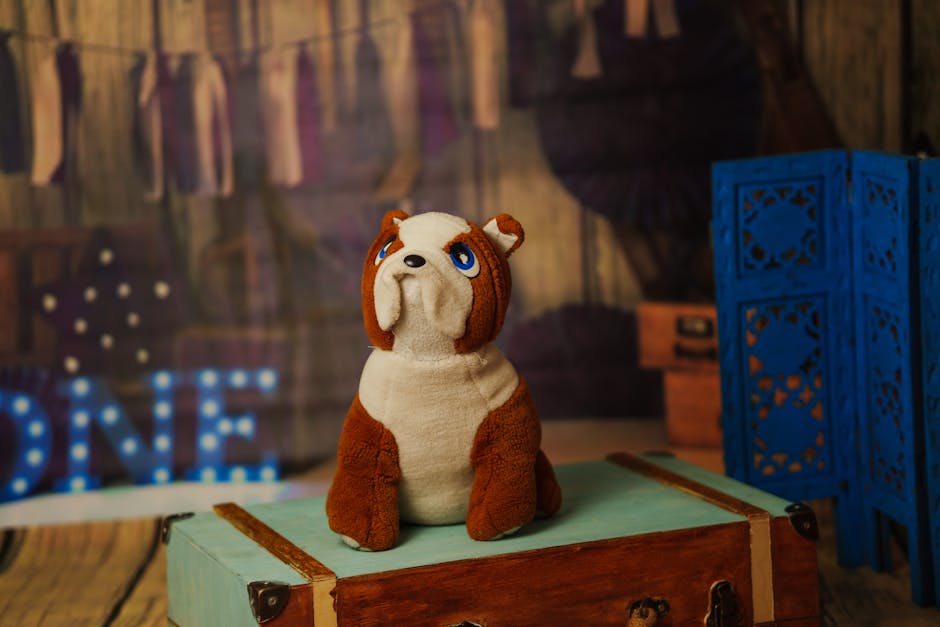
Getting your dog to play with toys can sometimes feel like an impossible task. You’ve bought all the latest chew toys, balls, and squeaky gadgets, but your furry friend just isn’t interested.
If you’re wondering how to spark that playful energy and keep your dog engaged, you’re in the right place. Imagine the joy of seeing your dog excited, active, and happily entertained with their toys. This guide will show you simple, practical steps to turn your pet into a playful companion, making your time together more fun and rewarding.
Keep reading—you’ll discover easy ways to make toys irresistible to your dog.
Choose The Right Toys
Getting your dog to play with toys starts with picking the right ones. Dogs enjoy different toys based on their size and texture preferences.
Choosing toys that match your dog’s play style and safety needs helps keep them interested and safe.
Consider Size And Texture
Pick toys that fit your dog’s size. Small toys can be a choking hazard for big dogs. Large toys may be hard for small dogs to carry.
Texture matters too. Soft toys are good for gentle chewers. Hard toys suit strong chewers who like to bite hard.
- Match toy size to your dog’s mouth
- Choose soft toys for light chewing
- Pick durable toys for heavy chewing
Pick Toys Based On Play Style
Dogs have different play styles. Some like to fetch, others like to chew or tug. Find toys that fit how your dog likes to play.
Fetch toys should be easy to throw and catch. Tug toys need to be strong and easy to hold. Chew toys should last long and be safe.
- Use balls or frisbees for fetch lovers
- Tug ropes for dogs that like pulling
- Chew toys for those who love biting
Safety First
Safety is key when choosing toys. Avoid small parts that can be swallowed. Check toys for sharp edges or loose pieces.
Replace damaged toys quickly. Always watch your dog during play to prevent accidents.
- Pick toys without small detachable parts
- Choose non-toxic materials
- Inspect toys regularly for damage
- Supervise your dog while playing
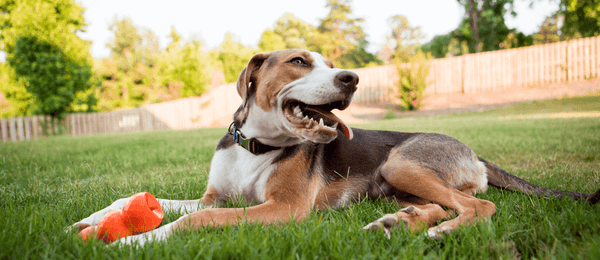
Credit: willyanddilly.com
Introduce Toys Creatively
Getting your dog to play with toys can be fun and rewarding. Introduce toys in a way that sparks curiosity and excitement.
Use different ideas to make toys interesting. This helps your dog enjoy playtime more.
Use Treats To Encourage Interest
Put small treats inside or near the toy to catch your dog’s attention. The smell and taste will make them want to explore the toy.
Show your dog how to get the treat from the toy. This teaches them the toy is fun and rewarding.
Rotate Toys Regularly
Keep your dog’s toys fresh by changing which ones are available. This stops boredom and keeps playtime exciting.
Store some toys away and swap them every few days. Your dog will feel like they have new toys all the time.
Incorporate Toys Into Daily Routine
Make toys part of your dog’s everyday activities. Use toys during walks, training, or rest time to build good habits.
Playing with toys at set times helps your dog expect fun. This encourages them to use toys more often.
Engage With Your Dog
Getting your dog to play with toys can be fun and easy. Dogs love to spend time with you.
Playing together helps build a strong bond. It also keeps your dog active and happy.
Demonstrate How To Play
Show your dog how to use the toy by playing with it yourself. Dogs learn by watching you.
Move the toy around to catch your dog’s attention. Use slow and clear movements.
- Shake a squeaky toy
- Roll a ball slowly
- Wave a rope gently
Use Playful Commands
Teach your dog simple words for playtime. Use happy tones and short phrases.
Commands like “fetch,” “catch,” or “bring” make play clear and fun. Repeat them often.
- Say “fetch” when you throw a ball
- Use “drop” when your dog holds a toy
- Try “go get it” to start chasing games
Spend Quality Playtime Together
Set aside special time each day to play with your dog. Make play a regular habit.
Choose quiet places without distractions. Focus only on your dog and the toys.
- Play in the backyard or living room
- Keep sessions short, around 10-15 minutes
- End playtime with praise and petting

Credit: www.preventivevet.com
Make Playtime Rewarding
Getting your dog to enjoy toys takes patience and care. Making playtime fun helps your dog want to play more.
Use rewards and positive experiences to encourage your dog. This builds a strong bond and makes toys exciting.
Praise And Reward Interaction
Always praise your dog when it shows interest in a toy. Use treats, gentle petting, or a happy voice as rewards.
- Give a treat after your dog touches the toy.
- Say “good job” with a cheerful tone.
- Play alongside your dog to show excitement.
- Use a favorite toy as a reward for playing.
Create Positive Associations
Help your dog link toys to fun and happiness. Use toys during calm, happy moments to build trust.
| Action | Effect |
| Play quietly with your dog | Builds comfort with the toy |
| Offer treats near the toy | Creates good memories |
| Use toys during walks or outside | Makes playtime exciting |
| Keep toys clean and fresh | Encourages your dog to explore |
Use Interactive Toys For Challenges
Choose toys that challenge your dog’s mind. These keep dogs busy and make playtime rewarding.
Try these interactive toy ideas:
- Puzzle feeders that hide treats
- Tug ropes for gentle play
- Balls that roll unpredictably
- Stuffed toys with squeakers
Interactive toys help your dog feel proud and happy after solving a challenge.
Address Common Play Issues
Getting your dog to play with toys can sometimes be tricky. Some dogs may not like toys or show different behaviors around them. Understanding these common play issues helps you encourage better play habits.
This guide covers ways to overcome toy fear or disinterest, manage aggression around toys, and encourage sharing in homes with multiple dogs.
Overcome Toy Fear Or Disinterest
Some dogs are afraid of toys or simply not interested in them. Start by introducing toys slowly and gently. Let your dog explore the toy at their own pace without pressure.
Use toys that make soft noises or have a familiar smell. Reward your dog with treats or praise when they show interest. Change toys often to keep things fresh and exciting.
- Introduce one toy at a time
- Use toys with different textures and sounds
- Reward any interaction with the toy
- Keep play sessions short and positive
Manage Aggression Around Toys
Some dogs may become aggressive when playing with toys. This can cause fights or fear. Watch your dog’s behavior closely and separate dogs if needed.
Teach your dog to drop toys on command. Praise calm behavior and avoid forcing them to share. Provide plenty of toys to reduce competition.
- Use commands like “drop it” or “leave it”
- Separate dogs during play if needed
- Give each dog their own toys
- Offer treats for calm play
Encourage Sharing In Multi-dog Homes
Dogs living together may fight over toys. Encourage sharing by giving each dog their own toys first. Slowly allow them to play near each other with toys.
Teach your dogs to wait their turn and reward polite behavior. Supervise playtime to prevent fights and keep play fun for everyone.
- Provide multiple toys for each dog
- Practice sharing commands like “wait” and “give”
- Supervise all group play sessions
- Reward calm and patient behavior

Credit: www.newsbreak.com
Frequently Asked Questions
Why Won’t My Dog Play With Toys?
Dogs might not play with toys due to lack of interest, unfamiliarity, or boredom. Introduce toys slowly, using treats or playtime to create positive associations. Rotate toys regularly to keep them interesting. Consider toys with different textures, sounds, or movements to capture your dog’s attention and stimulate their senses.
How Can I Make Toys More Appealing?
Make toys appealing by using them during playtime or adding treats inside. Choose toys with various textures or sounds to intrigue your dog. Rotate toys frequently to maintain novelty. Engage in interactive play sessions with your dog to strengthen your bond and make toys more exciting.
What Types Of Toys Are Best For Dogs?
Choose toys based on your dog’s size, breed, and preferences. Consider chew toys for teething puppies or interactive toys for mental stimulation. Puzzle toys can challenge intelligent breeds, while fetch toys suit active dogs. Ensure toys are durable, safe, and appropriate for your dog’s chewing habits.
How Often Should I Rotate Dog Toys?
Rotate your dog’s toys every week to maintain their interest. Regularly introducing new or forgotten toys can make playtime more exciting. This prevents boredom and encourages your dog to explore different toys. Observe which toys your dog favors, and keep them in the rotation for continued engagement.
Conclusion
Getting your dog to play with toys takes time and patience. Start with toys that match their size and interest. Use praise and treats to encourage them. Change toys often to keep things fresh and fun. Play together to build a strong bond.
Watch your dog’s reactions to find what they like best. Keep sessions short and positive. With love and consistency, your dog will enjoy playtime more. Toys can bring joy and help your dog stay healthy and happy. Keep trying, and enjoy the fun moments ahead.