






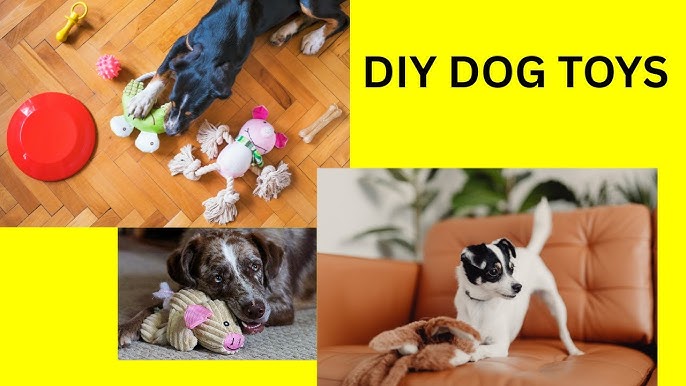
Do you ever wonder why your dog seems uninterested in toys while other pups can’t get enough of them? Getting your furry friend to play with toys can be a game-changer for their happiness and health.
Imagine the joy of watching your dog excitedly chase a ball or tug a rope, all while burning off energy and staying sharp. In this guide, you’ll discover simple, effective ways to spark your dog’s interest in toys and turn playtime into a fun, bonding experience.
Keep reading, and you’ll learn the secrets to making play irresistible for your dog.

Credit: smart.dhgate.com
Choosing The Right Toys
Picking the right toys helps your dog enjoy playtime more. It also keeps them safe and interested.
Different dogs like different toys. Think about your dog’s size, chewing habits, and energy level.
Material And Durability
Select toys made from strong materials. Dogs that chew hard need tough toys to avoid breaking them.
Soft toys suit gentle chewers. Avoid toys with small parts that can break off and cause choking.
- Rubber toys are durable and safe for chewers
- Plush toys are good for light chewers
- Rope toys help clean teeth but can fray
- Avoid toys with toxic paints or chemicals
Size And Shape
Choose toys that fit your dog’s mouth and size. Too small toys can be swallowed and cause harm.
Different shapes keep dogs interested. Balls, bones, and rings offer variety and fun in play.
- Small toys for small dogs
- Large toys for big dogs
- Avoid toys with sharp edges
- Round shapes are easy to carry and chase
Interactive Vs. Solo Play
Interactive toys need you to play with your dog. They help build your bond and keep your dog active.
Solo toys let your dog play alone. These are good when you are busy or away for short times.
- Interactive toys include fetch balls and tug ropes
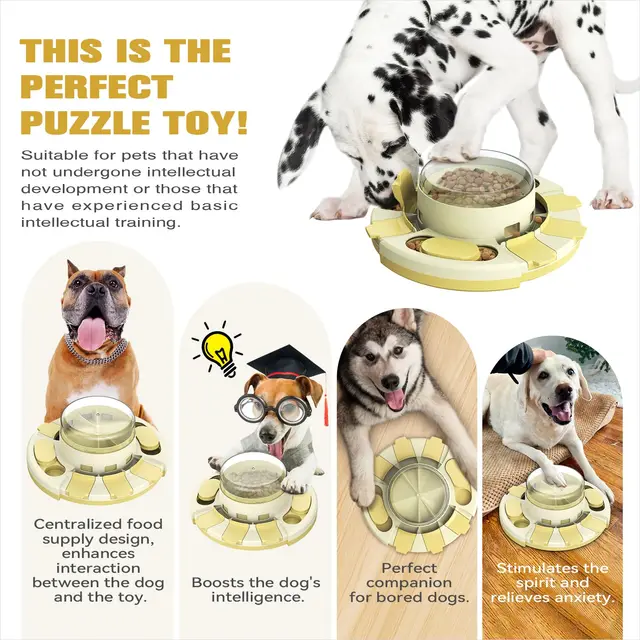
- Solo toys include chew bones and puzzle feeders
- Rotate toys to keep your dog interested
- Supervise play to ensure safety
Credit: toyadvisorpro.com
Introducing Toys To Your Dog
Getting your dog to play with toys can be fun for both of you. Toys help keep dogs active and happy.
Some dogs may not know how to play with toys at first. You can help them learn by introducing toys the right way.
Creating Positive Associations
Make your dog feel good about the toy. Let them sniff and explore the toy without pressure.
Use a calm and happy voice when you show the toy. This helps your dog link the toy with nice feelings.
Using Treats And Praise
Give your dog a treat when they touch or play with the toy. This rewards good behavior.
Say kind words like “Good job!” or “Well done!” to encourage your dog. Praise helps them want to play more.
- Offer a small treat after each playtime
- Use a cheerful tone to praise
- Keep rewards consistent for best results
Timing Play Sessions
Choose a time when your dog is calm but awake. Avoid playtime right after meals or naps.
Keep play sessions short at first. Five to ten minutes is enough to keep your dog interested.
- Play before or after walks
- End sessions before your dog gets tired
- Use regular playtimes every day
Encouraging Play Behavior
Dogs need play to stay happy and healthy. Encouraging them to play with toys helps with exercise and bonding.
Some dogs may be shy or uninterested in toys at first. Using the right techniques can spark their interest and make playtime fun.
Using Movement To Attract Attention
Dogs love moving objects. Moving a toy quickly can catch their eye and make them curious.
Wave or drag the toy on the ground to mimic small animals. This encourages your dog to chase and pounce on it.
- Use toys that move easily, like balls or plush toys
- Keep movements small and quick to keep attention
- Change direction to keep your dog guessing
Incorporating Fetch And Tug Games
Fetch is a simple way to get your dog excited about toys. Throw the toy and encourage your dog to bring it back.
Tug games also build interest. Use a strong toy and gently pull while your dog holds the other end.
- Start with short throws or gentle tugs
- Use praise when your dog returns the toy
- Keep sessions short to avoid tiring your dog
Rotating Toys For Interest
Dogs can get bored if they see the same toys every day. Rotate toys to keep playtime fresh and exciting.
Put some toys away and bring new ones out after a few days. This makes old toys seem new again.
- Keep toys in a box or basket
- Switch toys every 3-5 days
- Watch which toys your dog likes best

Credit: pfoten.net
Overcoming Common Challenges
Getting your dog to play with toys can be tricky. Some dogs do not show interest right away. Others may feel scared or too excited to play properly.
This guide will help you handle these common challenges. You can help your dog enjoy toys safely and happily.
Dealing With Disinterest
Some dogs ignore toys because they do not find them fun. Try different types of toys to see what your dog likes.
Use toys with different textures, sounds, or smells. Play with the toy yourself to show your dog it is fun.
- Choose toys that move or make noise
- Use treats to encourage interest
- Play with the toy to attract your dog
- Give your dog time to explore the toy
Addressing Fear Or Anxiety
Some dogs may feel scared of new toys. They might hide or avoid playtime. Give your dog space and go slow.
Introduce toys gently and let your dog sniff or touch them at their own pace. Praise your dog for calm behavior around toys.
- Start with soft, quiet toys
- Let your dog explore toys without pressure
- Offer treats when your dog approaches a toy
- Keep playtime short and positive
Managing Overexcitement
Some dogs get too excited with toys. They may jump, bark, or grab too hard. This can make play unsafe.
Teach your dog to play gently. Use calm voices and stop play if your dog gets too wild. Reward calm play to encourage good behavior.
- Use calm commands like “gentle” or “easy”
- Pause play if your dog is too rough
- Reward quiet and gentle play
- Give your dog breaks to calm down
Maintaining Safe Play
Playing with toys is fun for dogs. It helps them stay active and happy. Safety is very important during playtime.
Safe play keeps your dog from getting hurt. It also protects your home from damage. Use these tips to keep playtime safe and enjoyable.
Supervising Playtime
Always watch your dog while they play with toys. This helps you stop any unsafe behavior fast. Some toys can break or cause choking.
Stay close to your dog during play. If the toy breaks, take it away right away. Supervision helps prevent accidents and injuries.
Regular Toy Inspection
Check your dog’s toys often for damage. Torn or broken toys can hurt your dog. Remove any toys that have sharp edges or loose parts.
- Look for cracks, holes, or tears
- Check for small pieces that can break off
- Throw away worn-out or damaged toys
- Replace toys regularly to keep play safe
Choosing Non-toxic Materials
Pick toys made from non-toxic materials. Some plastics and paints can be harmful to dogs. Natural rubber and cloth are safer choices.
Read labels before buying toys. Avoid toys with strong smells or unknown chemicals. Safe materials keep your dog healthy during play.
Frequently Asked Questions
How Do I Encourage My Dog To Play?
Start with toys that squeak or move to grab their attention. Engage in play sessions regularly, using positive reinforcement. Rotate toys to keep them interesting. Praise and reward your dog when they interact with toys. This helps build a positive association with playtime.
Why Won’t My Dog Play With Toys?
Your dog may be bored or uninterested in the toys available. Try introducing new toys with different textures and sounds. Ensure toys are appropriate for their size and breed. Sometimes, dogs need a little motivation, so participate in playtime. Use treats and praise to encourage play.
What Are The Best Toys For Dogs?
Choose toys based on your dog’s size, breed, and play style. Some popular options include squeaky toys, rubber balls, and rope toys. Puzzle toys are great for mental stimulation. Avoid toys that can be easily swallowed or broken. Regularly inspect toys for wear and tear to ensure safety.
How Often Should I Play With My Dog?
Aim for at least 30 minutes of playtime daily. This can be split into multiple sessions. Engaging in regular play helps strengthen your bond and keeps your dog active. Adjust playtime based on your dog’s age, breed, and energy levels.
Remember, mental stimulation is as important as physical exercise.
Conclusion
Getting your dog to enjoy toys takes patience and fun. Try different toys to find what excites your pet. Play together often to build good habits and trust. Praise your dog when it shows interest in toys. Keep playtime short and sweet to hold attention.
Soon, your dog will happily play with toys on its own. Enjoy the bonding moments and watch your dog stay active and happy. Play is a simple way to keep your dog healthy and joyful.