
Do you want your dog to have more fun and stay active? Getting your dog to play with toys can boost their happiness and keep them healthy.
But sometimes, dogs just aren’t interested in toys. If you’ve been struggling to get your furry friend to pick up a toy, you’re not alone. The good news is, with a few simple tricks, you can turn playtime into your dog’s favorite part of the day.
Keep reading to discover easy ways to make your dog excited about toys and enjoy every moment together.
Choosing The Right Toys
Picking the right toys helps your dog stay happy and active. Toys keep dogs busy and encourage play.
Not all toys suit every dog. Choose toys that fit your dog’s needs and preferences.
Types Of Toys Dogs Love
Dogs enjoy different kinds of toys. Some like to chew, others like to fetch or tug.
- Chew toys help with teeth and gums.
- Fetch toys encourage running and exercise.
- Tug toys build strength and bonding.
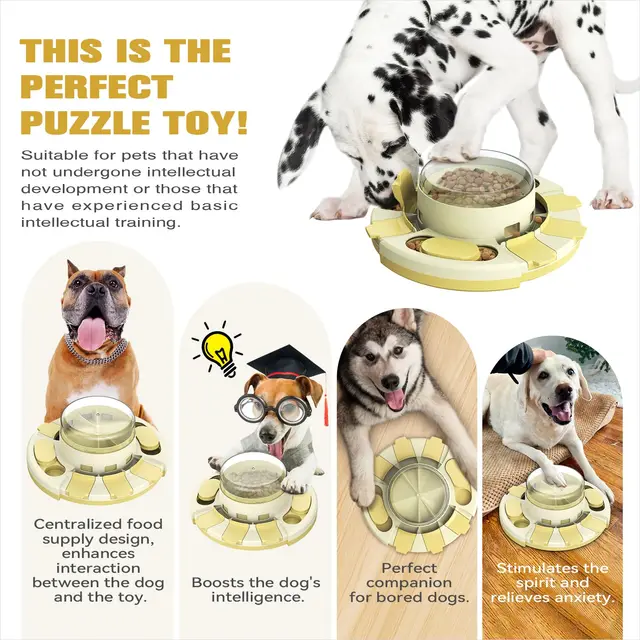
- Puzzle toys challenge the dog’s mind.
Selecting Toys Based On Dog Size And Breed
Choose toys that fit your dog’s size to avoid choking risks. Large dogs need bigger, tougher toys.
| Dog Size | Recommended Toy Type | Notes |
| Small Breeds | Small chew and soft toys | Lightweight and easy to carry |
| Medium Breeds | Durable fetch and tug toys | Strong but not too heavy |
| Large Breeds | Heavy-duty chew and tug toys | Extra tough to prevent damage |
| Active Breeds | Fetch and puzzle toys | Keep them busy and fit |
Safe Materials For Dog Toys
Use toys made of safe materials to protect your dog’s health. Avoid toys with sharp edges or toxic substances.
- Natural rubber is flexible and safe for chewing.
- Non-toxic nylon lasts long and is hard to destroy.
- Cotton ropes are good for tugging but watch for fraying.
- Avoid toys with small parts that can break off.

Credit: www.smartbark.co.uk
Introducing Toys To Your Dog
Introducing toys to your dog can make playtime fun. Toys help your dog stay active and happy.
Some dogs take time to like new toys. Be patient and gentle when offering toys for the first time.
Creating A Positive First Experience
Let your dog see and smell the toy before touching it. This helps your dog feel safe and curious.
Choose a quiet place without distractions. Sit with your dog and show excitement about the toy.
Using Treats To Encourage Interest
Use treats to make the toy more interesting. Place small treats near or on the toy to attract your dog.
Give your dog a treat when they touch or sniff the toy. This helps your dog connect the toy with good things.
- Put treats inside a toy with holes
- Hide treats under a soft toy
- Reward your dog after playing with the toy
Demonstrating How To Play
Show your dog how to use the toy. Move the toy slowly and make sounds to get their attention.
Play with the toy yourself to teach your dog. Let your dog watch and then try to join in the play.
- Toss a ball gently to encourage chasing
- Shake a squeaky toy to create noise
- Roll a toy on the floor to invite interaction
Making Playtime Engaging
Playtime is important for dogs to stay happy and healthy. Using toys during play helps keep them active and interested.
To make playtime fun, you need to keep your dog curious and involved. This guide shows ways to do that with toys.
Incorporating Interactive Games
Interactive games use toys that make your dog think and move. These games keep your dog busy and excited.
Try using puzzle toys or hide treats inside toys. Your dog will enjoy finding the treats and solving the puzzles.
- Use treat-dispensing toys for mental challenge
- Play hide-and-seek with toys around the house
- Use tug toys to engage your dog in gentle pulling games
Rotating Toys To Maintain Interest
Dogs get bored if they see the same toys every day. Rotating toys keeps them curious and excited.
Put some toys away for a few days and then bring them back. Your dog will treat old toys like new ones.
- Keep only a few toys out at a time
- Store extra toys in a box or bag
- Switch toys every few days or weekly
Using Toys To Strengthen Bonding
Playing with your dog using toys helps build trust and love. It shows your dog you enjoy spending time together.
Use toys to play gentle games like fetch or tug. These games create happy moments and improve your bond.
- Throw a ball or frisbee for your dog to fetch
- Play tug-of-war with a rope toy carefully
- Reward your dog with praise during play
Credit: toyadvisorpro.com
Encouraging Independent Play
Teaching your dog to play alone helps build confidence. It also keeps them busy when you are not around.
Independent play reduces boredom and stops bad habits. You can make solo play fun and safe for your dog.
Setting Up A Play Area
Create a small space just for your dog to play. Use soft mats or rugs to make it cozy.
Keep the area free from hazards. Add a few toys that your dog likes and can use safely alone.
- Choose a quiet spot with little distraction
- Use non-slip surfaces to prevent injuries
- Make sure the space is easy to clean
- Rotate toys to keep interest high
Using Puzzle Toys For Mental Stimulation
Puzzle toys challenge your dog’s mind. They make your dog think to get treats or rewards.
These toys keep your dog busy and help reduce stress. Start with simple puzzles and increase difficulty over time.
- Choose puzzles with treats inside
- Watch your dog to see which toys they like
- Switch puzzles often to keep things fresh
- Use toys that match your dog’s skill level
Timing And Duration For Solo Play
Start with short solo play sessions. Gradually increase the time your dog spends playing alone.
Watch your dog’s behavior to find the best play length. Too long can cause frustration, too short may not help.
- Begin with 5 to 10 minutes of play
- Increase by 5 minutes as your dog adapts
- Use timers to keep sessions consistent
- End sessions positively with praise or treats
Handling Playtime Challenges
Playing with toys is important for dogs. It helps them stay active and happy. Sometimes, playtime can be tricky. You may face some challenges with your dog.
This guide will help you handle common problems during playtime. You will learn how to keep play safe and fun for your dog.
Dealing With Toy Aggression
Toy aggression happens when a dog growls or snaps over toys. This can make playtime unsafe. It is important to manage this behavior carefully.
Give your dog space when they show signs of aggression. Avoid taking toys from them quickly. Teach your dog to share toys by using treats and praise.
- Watch your dog’s body language closely
- Use calm voice to distract your dog
- Offer a trade with a better toy or treat
- Stop play if aggression continues
Overcoming Lack Of Interest
Some dogs do not show interest in toys at first. This is common and can be changed with patience. Try new toys to find what your dog likes.
Make toys exciting by moving them or adding treats inside. Play with your dog using the toy to show how fun it is. Keep play sessions short and positive.
- Choose toys with different textures and sounds
- Use treats to encourage interaction
- Play together to build interest
- Try puzzle toys to stimulate your dog
Keeping Play Safe And Controlled
Safety is key when your dog plays with toys. Use toys that are the right size and made for dogs. Avoid toys that can break easily or cause choking.
Set clear rules for playtime. Stop play if your dog becomes too rough. Always watch your dog during play to prevent accidents.
- Pick strong and safe toys
- Keep toys clean and in good condition
- Limit playtime to avoid over-excitement
- Teach your dog to drop toys on command

Credit: pfoten.net
Boosting Energy And Activity
Dogs need regular play to stay healthy and happy. Toys help keep their energy up and minds busy.
Playing with toys encourages exercise and helps reduce boredom. This is important for a dog’s well-being.
Combining Toys With Outdoor Exercise
Using toys outside can increase your dog’s physical activity. Throw balls or frisbees to make them run.
Outdoor play with toys lets dogs explore and burn extra energy. It also adds fresh air to their playtime.
- Use fetch toys like balls or sticks
- Play tug-of-war with durable ropes
- Bring interactive toys for mental challenges
- Choose safe areas free from hazards
Using Toys For Training And Commands
Toys can help teach your dog new commands. Reward them with a toy when they follow instructions.
Training with toys makes learning fun. It also strengthens the bond between you and your dog.
- Use toys as rewards during training sessions
- Teach commands like “fetch,” “drop,” or “bring”
- Keep sessions short but frequent
- Mix playtime with obedience drills
Adjusting Play Based On Age And Health
Older or sick dogs need gentle play with softer toys. Avoid high-impact games that may hurt them.
Puppies have lots of energy but need breaks. Use toys that match their size and strength.
- Choose soft toys for older dogs
- Select chew toys for teething puppies
- Shorten playtime for dogs with health issues
- Watch for signs of tiredness or pain
Frequently Asked Questions
How Do I Encourage My Dog To Play With Toys?
Introduce toys gradually and choose ones your dog likes. Use treats and praise to motivate play. Rotate toys regularly to maintain interest.
What Types Of Toys Do Dogs Prefer?
Dogs often enjoy chew toys, squeaky toys, and interactive puzzles. Choose toys based on your dog’s size and chewing habits to ensure safety.
How Can I Make Playtime More Engaging?
Involve yourself in play by tossing toys or playing tug-of-war. Use varied toys and change play locations to keep your dog interested.
Why Does My Dog Ignore Toys?
Your dog may prefer other activities or be bored with current toys. Try new toys, scents, or interactive games to spark interest.
Conclusion
Encouraging your dog to play with toys boosts their happiness. It strengthens your bond too. Start with simple toys. Gradually introduce different types. Observe your dog’s preferences. Keep playtime fun and engaging. Rotate toys to maintain interest. Consistent play enriches your dog’s life.
It helps with physical and mental health. Remember, every dog is unique. Patience and understanding are key. Regular play sessions lead to a joyful pet. You both benefit from the shared fun. Enjoy the playful moments together. Your dog will thank you with wagging tails!