






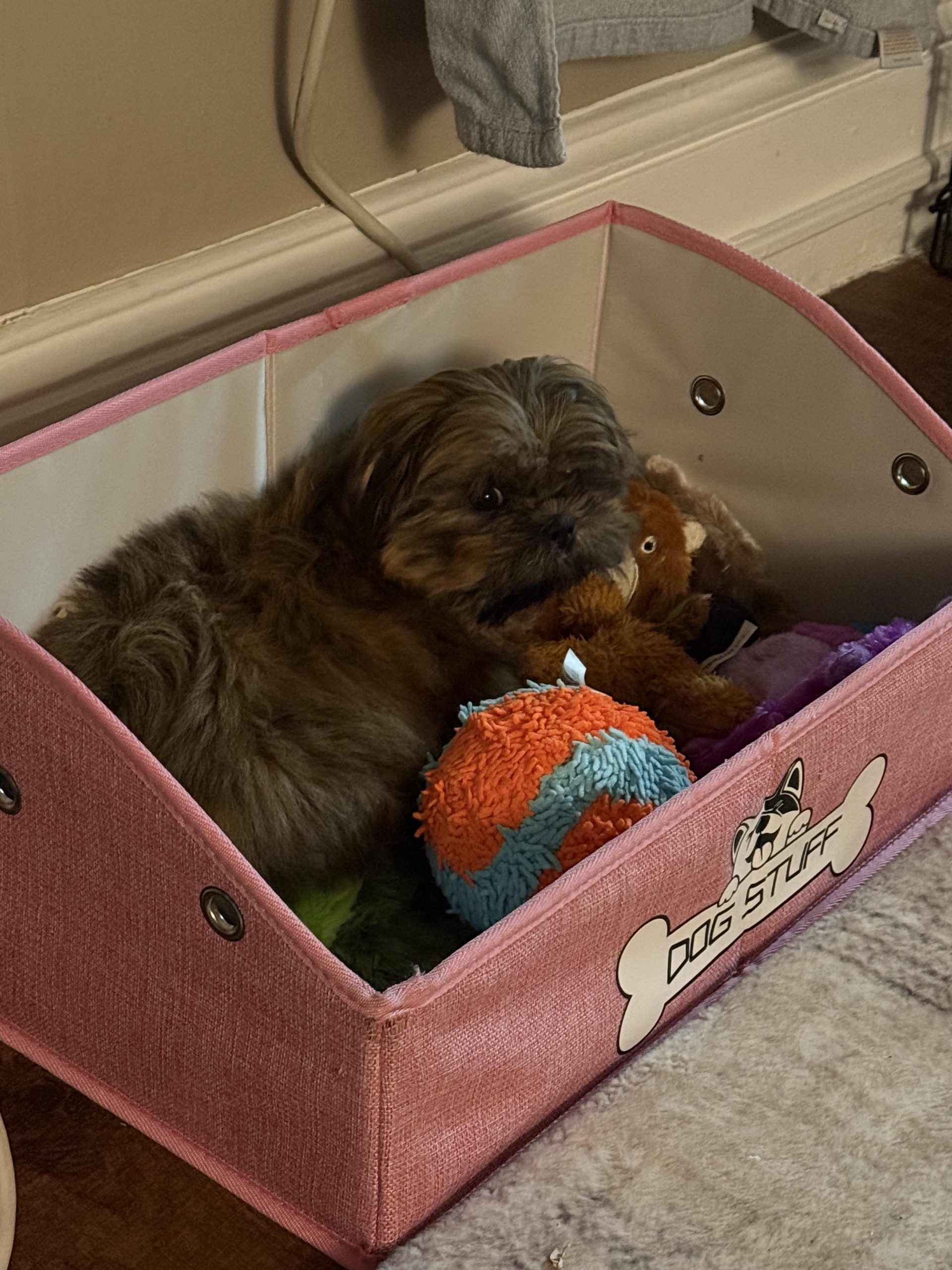
Does your dog ignore toys no matter how many you bring home? You’re not alone.
Many pet owners struggle to get their furry friends interested in playtime. But toys are more than just fun—they keep your dog active, healthy, and happy. Imagine your dog eagerly chasing a ball or tugging on a rope, full of energy and excitement.
Sounds great, right? You’ll discover simple, proven ways to make your dog play with toys, turning those dull moments into joyful bonding time. Keep reading, because your dog’s new favorite game is just around the corner.
Choose The Right Toys
Picking the right toys helps your dog enjoy playtime more. The right toy keeps your dog safe and happy.
Think about what your dog likes and needs before buying toys. This makes playtime fun and healthy.
Consider Size And Texture
Choose toys that match your dog’s size. Small toys can be a choking hazard for big dogs.
Texture matters too. Soft toys are good for gentle chewers. Tough toys suit strong chewers.
- Small dogs need smaller, lighter toys
- Large dogs need bigger, durable toys
- Soft toys are good for puppies and calm dogs
- Rubber or nylon toys work for heavy chewers
Select Toys For Your Dog’s Breed
Different breeds have different play styles and needs. Choose toys that fit your dog’s natural habits.
Active breeds need toys that let them run and fetch. Smaller breeds may prefer chew and puzzle toys.
- Hunting breeds like fetch and chase toys
- Guard breeds enjoy tug and chew toys
- Small breeds may like soft and squeaky toys
- Working breeds need durable and challenging toys
Pick Interactive Toys
Interactive toys keep your dog busy and smart. They encourage your dog to think and move.
Look for toys that make your dog chase, chew, or solve puzzles. These toys help reduce boredom.
- Treat-dispensing toys reward your dog
- Puzzle toys challenge your dog’s mind
- Tug toys let you play together
- Ball launchers encourage running and fetching
Create A Playful Environment
Getting your dog to play with toys can be fun for both of you. A playful environment helps your dog feel happy and ready to play.
Setting up the right space and mood encourages your dog to enjoy toys more often.
Set Up A Dedicated Play Area
Choose a safe and comfy spot just for playtime. This helps your dog know when it is time to have fun.
Keep toys in this area to make them easy to find and use.
- Pick a quiet corner inside or a fenced yard outside
- Use soft mats or rugs to protect floors
- Keep a variety of toys nearby
- Make sure the area is clean and free of hazards
Remove Distractions
Turn off TVs, radios, and other noises that can distract your dog. A calm space helps your dog focus on toys.
Put away other pets or items that might take your dog’s attention away from play.
- Close doors to noisy rooms
- Keep treats and food out of sight
- Limit visitor traffic during playtime
- Use a calm voice to invite your dog to play
Use Scent Or Treats To Attract
Smell is very strong for dogs. Add scent or treats to toys to make them more interesting.
This will help your dog want to pick up and play with the toys more often.
- Rub a treat on the toy before play
- Hide treats inside puzzle toys
- Use toys with your dog’s favorite scent
- Give small rewards when your dog plays with toys
Use Positive Reinforcement
Encouraging your dog to play with toys can be easy with positive reinforcement.
This method helps your dog learn that playing with toys is fun and rewarding.
Reward Playful Behavior
Watch for moments when your dog shows interest in toys. Give rewards right away.
- Cheer when your dog picks up a toy.
- Give a gentle pet or belly rub.
- Offer a short play session with you.
Incorporate Treats And Praise
Use treats and kind words to motivate your dog to play more with toys.
| Type | Example |
| Treat | Small dog biscuit or piece of cheese |
| Praise | “Good job!” with a happy tone |
| Play | Tug-of-war or fetch with the toy |
Be Patient And Consistent
Keep trying even if your dog does not play right away.
Follow these tips for success:
- Offer toys daily at the same time.
- Stay calm and positive.
- Repeat rewards every time your dog plays.
- Avoid forcing the dog to play.

Credit: www.mirror.co.uk
Engage In Play Yourself
Getting your dog to play with toys can be easier if you join in. Dogs love when their owners play with them. Your energy helps catch their attention.
Spending time playing together builds a stronger bond. It also teaches your dog that toys are fun and exciting.
Demonstrate How To Play
Show your dog how to use the toy by playing with it yourself. Move the toy around to make it interesting. Let your dog watch you having fun.
Dogs learn by watching. When they see you enjoy the toy, they want to try it too. Use happy tones and encourage your dog to join.
Use Toys To Initiate Interaction
Use toys to start playtime with your dog. Hold a toy near your dog or toss it gently. This invites your dog to engage and chase the toy.
Pick toys that your dog likes. Some dogs prefer balls, others like squeaky toys. Watch your dog’s reactions to find favorites.
- Hold the toy close to your dog’s nose
- Move the toy slowly to catch interest
- Toss the toy short distances
- Use different toys to keep play fresh
Make Playtime Fun And Energetic
Keep playtime lively to make your dog want to join. Use a cheerful voice and quick movements. Change toys and games often.
Short bursts of energetic play work best. Stop before your dog gets tired so they want to play again next time.
- Use fast toy movements to excite your dog
- Cheer and praise your dog during play
- Switch toys to keep interest high
- End play sessions on a happy note
Incorporate Training Techniques
Training can help your dog enjoy toys more. Dogs learn by doing and repeating.
Using simple training methods makes playtime fun and rewarding for your dog.
Teach Fetch Commands
Start by choosing a toy your dog likes. Show the toy and say “fetch” clearly.
Throw the toy a short distance. Encourage your dog to bring it back with praise.
- Use a consistent word like “fetch” or “bring.”
- Reward your dog when it picks up the toy.
- Call your dog to come back and give the toy.
- Give treats or petting as a reward.
- Practice in short sessions to keep interest high.
Use Clicker Training
Clicker training uses a small device that makes a clicking sound. It marks good behavior.
Press the clicker when your dog touches or plays with a toy. Then give a treat.
Clicker training helps dogs understand exactly what action earns a reward. Try this method:
- Introduce the clicker by clicking and giving a treat.
- Click when your dog interacts with the toy.
- Repeat often to build a positive connection.
Reward Toy Interaction
Give your dog praise or treats when it plays with toys. This makes toys more interesting.
| Type of Reward | When to Use |
| Verbal Praise | Right after toy play starts |
| Treats | When your dog holds or chews the toy |
| Petting | When your dog brings toy to you |
| Playtime Extension | After good toy behavior |

Credit: www.reddit.com
Rotate Toys Regularly
Dogs can lose interest if they play with the same toys every day. Rotating toys keeps playtime fun and exciting for your dog. It helps your dog stay curious and active.
By changing the toys your dog has access to, you can make old toys feel new again. This simple trick encourages your dog to play more and stay engaged.
Keep Toys Fresh And Exciting
Keep your dog’s toys fresh by swapping them out every few days. Put some toys away and bring others out later. This makes the toys seem new and interesting.
Dogs like variety. Changing toys often stops them from getting bored. It also helps them try different types of play, like chewing or fetching.
Avoid Toy Overload
Giving your dog too many toys at once can be confusing. Your dog might not choose any toy or lose interest quickly. Limit the number of toys your dog plays with at one time.
Keeping a small selection out helps your dog focus and enjoy playtime more. Rotate the toys regularly to keep playtime fresh without overwhelming your dog.
Introduce New Toys Gradually
When you get new toys, introduce them slowly. Give your dog time to explore one new toy before adding another. This helps your dog get used to the new toys.
Watch how your dog reacts to new toys. If your dog likes a toy, keep it for longer. Gradual introduction keeps your dog interested and happy.
Address Common Play Issues
Getting your dog to play with toys can be tricky. Some dogs are shy or scared. Others may show aggressive behavior. Understanding these issues helps you encourage play.
This guide covers ways to manage fear, handle aggression, and know when to get expert help.
Manage Fear Or Shyness
Fear or shyness can stop dogs from playing with toys. Be patient and gentle. Let your dog explore toys at their own pace. Use soft voices and calm movements.
- Offer small, quiet toys first.
- Reward your dog with treats when they show interest.
- Play near your dog without forcing interaction.
- Use familiar toys or scents to build comfort.
- Keep play sessions short and positive.
Handle Aggressive Behavior
Some dogs show aggression around toys. This can be growling, snapping, or guarding. It is important to stay calm and avoid punishment.
| Behavior | How to Respond |
| Growling | Give space and avoid reaching for the toy |
| Snapping | Stop play and distract with a different toy |
| Guarding toys | Teach “drop it” and “leave it” commands |
Use positive training to reduce aggression. Avoid taking toys by force.
Know When To Seek Professional Help
If your dog’s behavior causes safety worries, ask a trainer or vet. They can find causes and give advice. Professional help is important for serious issues.
- Uncontrolled aggression during play
- Fear that stops all interactions
- Sudden changes in behavior
- Injuries from play fights
Credit: willyanddilly.com
Frequently Asked Questions
Why Won’t My Dog Play With Toys?
Some dogs may not play with toys due to lack of interest or unfamiliarity. Introduce toys gradually, use treats to encourage play, and choose toys that match your dog’s size and preferences. Regular playtime can increase your dog’s interest and engagement with toys.
How Can I Encourage Toy Play?
Encourage toy play by using interactive toys and engaging in play sessions with your dog. Rotate toys regularly to maintain interest. Use treats or praise to reward your dog’s interaction with toys, making playtime a positive and rewarding experience.
What Toys Are Best For My Dog?
Choose toys based on your dog’s size, age, and play style. Durable chew toys are great for heavy chewers. Interactive toys stimulate mental engagement, while plush toys are suitable for gentle play. Always supervise playtime and ensure toys are safe for your dog.
Can Treats Help With Toy Play?
Yes, treats can motivate your dog to play with toys. Use treats to reward your dog’s interaction with toys, reinforcing positive behavior. Choose treats your dog loves, and incorporate them into play sessions. This makes toy play a rewarding and enjoyable experience for your dog.
Conclusion
Helping your dog enjoy toys takes time and patience. Try different toys to find what excites them. Play with your dog often to build interest. Praise your dog when they show curiosity or play. Keep sessions short and fun to hold attention.
Remember, every dog is unique and learns at its own pace. Enjoy these moments together and watch your bond grow stronger. Toys can bring joy and exercise to your dog’s life. Keep trying, and soon your dog will love playtime.